Anorectal Abscess: Causes, Symptoms, and Treatment
Understanding anorectal abscess: recognition, diagnosis, and effective treatment options.
Understanding Anorectal Abscess
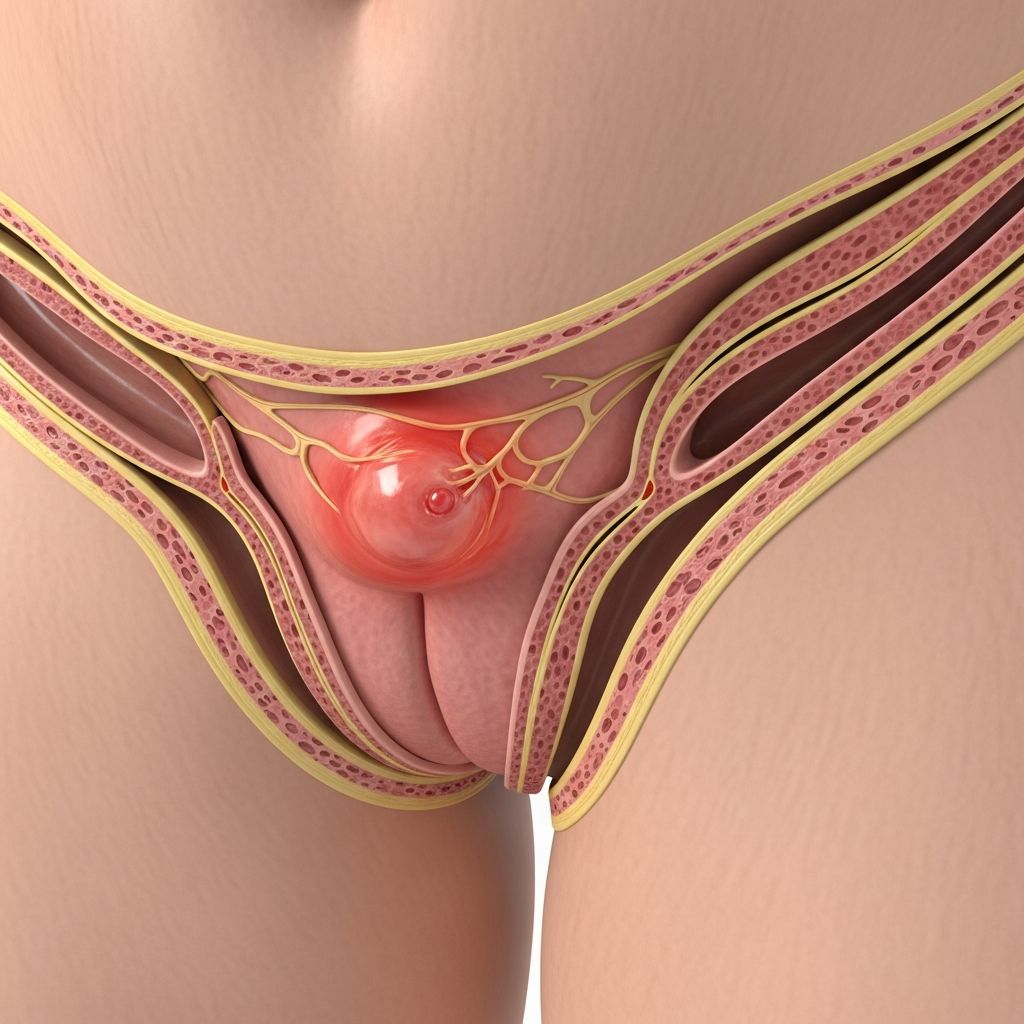
An anorectal abscess, commonly referred to as an anal abscess, is a painful collection of pus that forms under the skin in or near the anus or rectum. This condition represents a common colorectal emergency that requires prompt medical attention. The abscess develops when bacteria infect a blocked gland in the anal area, leading to inflammation, swelling, and the accumulation of infected fluid. Unlike minor infections that may resolve independently, anorectal abscesses typically require professional medical intervention and rarely disappear without proper treatment. Understanding this condition, its causes, symptoms, and treatment options is essential for anyone experiencing anal or rectal discomfort.
Causes and Risk Factors
Anorectal abscesses develop through multiple pathways, with the most common mechanism involving blocked anal glands. These glands, located circumferentially in the anal canal at the level of the dentate line, normally drain into the crypts of Morgagni. When these glands become obstructed, bacteria multiply in the stagnant fluid, eventually creating an abscess if the gland cannot decompress naturally.
Several specific causes can lead to anorectal abscess formation:
- Blocked or infected anal glands
- Anal fissures (small tears in the anal canal) that become infected
- Sexually transmitted infections and other bacterial infections
- Trauma or injury to the anus or rectum
- Perianal hidradenitis suppurativa, an inflammatory condition affecting anal glands
- Infections of the tissue lining the anal canal, often related to inflammatory bowel disease
- Deep rectal abscesses associated with Crohn’s disease or diverticulitis
Certain factors significantly increase the risk of developing an anorectal abscess. Individuals with inflammatory bowel diseases such as Crohn’s disease are at particularly high risk, as are those with a history of anal fissures or chronic constipation. Immunocompromised patients, including those with diabetes or HIV infection, face elevated vulnerability. Additionally, individuals with a personal or family history of anal fistulas or previous anorectal abscesses have a greater likelihood of recurrence.
Types of Anorectal Abscesses
Anorectal abscesses are classified based on their anatomical location, which determines their symptoms and treatment approach.
Perianal Abscess: This is the most common type, occurring in the subcutaneous tissue immediately surrounding the anus. Patients typically experience significant external swelling and pain, making this type the most readily apparent.
Intersphincteric Abscess: Located between the internal and external anal sphincters, these abscesses may cause less obvious external symptoms but produce considerable pain. They often represent the initial stage when infection from blocked anal glands extends downward.
Ischiorectal Abscess: Also called ischioanal abscess, this type develops in the space between the external sphincter and the ischial tuberosity. These are typically larger, deeper abscesses that may require more extensive surgical intervention.
Supralevator Abscess: These high abscesses occur above the levator ani muscle and represent the deepest form of anorectal abscess. They often result from upward extension of intersphincteric abscesses and require specialized surgical approaches to prevent complications.
Perirectal Abscess: Located inside the rectum itself, this less common type is often associated with inflammatory bowel diseases and requires careful surgical management.
Recognizing the Symptoms
Anorectal abscess symptoms typically develop gradually and increase in severity as the infection progresses. Early recognition is crucial for preventing complications and ensuring successful treatment.
Primary Symptoms:
- Constant, throbbing pain in the anal or rectal area
- Pain that worsens when sitting, coughing, or having bowel movements
- A visible or palpable painful lump near the anus
- Swelling and inflammation in the anal region
- Skin irritation and redness surrounding the abscess
- Pus or fluid drainage from the affected area
- Fever and general malaise indicating systemic infection
- Constipation or difficulty with bowel movements
- Itching and discomfort in the anal area
Related Stories



Some patients experience more subtle symptoms, particularly with deeper abscesses. Pain during bowel movements or while sitting may be the primary complaint, sometimes accompanied by a sensation of pressure or fullness in the rectal area. If symptoms persist beyond a few days or worsen despite home care measures, medical evaluation becomes necessary.
Diagnosis of Anorectal Abscess
Diagnosis typically begins with a thorough medical history and physical examination. Your healthcare provider will ask about the onset of symptoms, severity of pain, presence of any drainage, fever history, and relevant medical conditions. A digital rectal examination allows the physician to assess for tenderness, swelling, and fluctuance characteristic of an abscess.
For superficial perianal abscesses, physical examination alone may suffice. However, for suspected deeper abscesses, imaging studies provide crucial information about abscess location, size, and relationship to surrounding structures. Ultrasound offers excellent visualization with real-time assessment capabilities. Computed tomography (CT) scans provide detailed anatomical information, particularly for complex or supralevator abscesses. Magnetic resonance imaging (MRI) is increasingly used for comprehensive evaluation of the sphincter complex and identification of associated fistulas.
In some cases, an endoscope or anoscope may be used to visualize the internal anal canal and rectum directly, allowing for assessment of the abscess from within. Laboratory tests including blood cultures may be obtained if systemic infection is suspected. These diagnostic tools help determine the abscess type and guide the most appropriate treatment strategy while minimizing complications.
Treatment Options
Successful treatment of anorectal abscess requires prompt intervention, as antibiotics alone cannot effectively resolve the infection. The hallmark of treatment is obtaining source control through drainage while preserving the integrity of the sphincter complex.
Surgical Drainage
Surgical incision and drainage remains the gold standard treatment for anorectal abscesses. The procedure involves making an incision in the skin overlying the abscess to allow complete drainage of accumulated pus and infected material. Timing is crucial—drainage before the abscess ruptures spontaneously typically results in better outcomes and fewer complications.
For superficial perianal abscesses, the procedure can usually be performed in an office setting under local anesthesia. The physician cleanses the area, injects local anesthetic to numb the region, and makes a small incision to drain the abscess. After drainage, the area is gently cleaned and may be packed with gauze to facilitate continued drainage during healing.
Larger or deeper abscesses typically require hospitalization and operating room drainage under general or regional anesthesia. This approach allows adequate visualization and control, reduces patient discomfort, and permits thorough exploration to identify any associated fistulas. In some cases, catheters may be inserted into the abscess cavity to ensure complete drainage and prevent re-accumulation of infected fluid.
Antibiotic Therapy
Antibiotics play a supportive but not primary role in anorectal abscess treatment. These medications cannot penetrate the abscess cavity effectively and therefore cannot eliminate the infection when pus remains loculated. However, antibiotics are valuable in specific circumstances:
- Patients with extensive cellulitis or signs of systemic infection
- Immunocompromised individuals including those with diabetes or HIV
- Patients with prosthetic heart valves or other conditions requiring infection prevention
- Following drainage to prevent secondary infection during healing
When prescribed, the entire antibiotic course must be completed even if symptoms resolve. Premature discontinuation risks treatment failure and recurrence.
Supportive Care
Following drainage, supportive measures facilitate healing and improve comfort:
- Pain Management: Over-the-counter analgesics or prescription pain medication reduces discomfort during recovery
- Stool Softeners and Laxatives: These prevent constipation and reduce straining during bowel movements, which can delay healing
- Fiber Supplements: Adequate dietary fiber maintains soft stools and prevents complications
- Sitz Baths: Warm water soaks several times daily promote healing and provide comfort
- Wound Care: Keeping the incision clean and dry prevents secondary infection
Complications and Long-term Outcomes
While most patients recover well after drainage, several complications can develop. The most significant is anal fistula formation, occurring in approximately 40% of patients after abscess drainage, particularly within the first year. An anal fistula is an abnormal tunnel connecting the internal anal canal to the external skin, allowing chronic drainage of pus and bacteria. Fistulas require surgical treatment and can lead to recurrent abscess formation if not addressed.
If a fistula is identified at the time of abscess drainage, it is typically removed during the same procedure. However, if fistulas develop subsequently, additional surgery becomes necessary. Abscess recurrence occurs in a notable percentage of patients, often due to unrecognized or incompletely treated fistulas. This underscores the importance of regular follow-up appointments with your healthcare provider.
Other potential complications include scarring in the anal area, anal fissures (small painful tears), rare nerve damage resulting in fecal incontinence, and chronic pain. These complications are generally uncommon when treatment is prompt and appropriate.
Recovery and Follow-up Care
Most patients experience significant pain relief immediately after drainage as pressure from the abscess is released. Complete healing typically requires 1-2 weeks, though discomfort may persist for several days. During this period, pain medication and stool softeners help manage symptoms and facilitate healing.
Keeping follow-up appointments is essential for assessing healing progress, identifying complications early, and determining whether further treatment is necessary. Your healthcare provider will examine the area to ensure proper drainage and healing. If symptoms persist, worsen, or new symptoms develop, additional evaluation may be needed.
Some patients experience mild pain or drainage during recovery, which typically resolves as healing progresses. However, persistent drainage, fever, or recurrent pain warrants prompt medical attention, as these may indicate incomplete drainage, infection, or fistula formation.
When to Seek Medical Attention
Contact your healthcare provider if you experience constant pain in the anal or rectal area, visible swelling near the anus, fever accompanying anal symptoms, drainage of pus from the anal area, or worsening pain despite over-the-counter pain management. Early intervention significantly improves outcomes and reduces the risk of serious infections or permanent complications. Do not attempt to drain an abscess at home, as this risks incomplete treatment and secondary infection.
Frequently Asked Questions
Q: Can an anorectal abscess go away on its own?
A: No. Anorectal abscesses rarely resolve without professional treatment. While antibiotics may temporarily improve symptoms, they cannot adequately treat the abscess. Drainage is necessary for complete resolution and to prevent serious complications such as systemic infection or fistula formation.
Q: How long does recovery take after abscess drainage?
A: Most patients experience significant pain relief immediately after drainage. Complete healing typically requires 1-2 weeks, though individual timelines vary depending on abscess size and depth. Continue following your healthcare provider’s instructions and attend all follow-up appointments.
Q: Will I develop an anal fistula after abscess drainage?
A: Approximately 40% of patients develop an anal fistula after drainage, particularly within the first year. However, early detection and treatment can prevent complications. Your healthcare provider will monitor for fistula development during follow-up visits.
Q: Can anorectal abscess recur?
A: Recurrence is possible, often due to unrecognized or untreated anal fistulas. Maintaining regular follow-up appointments and addressing any identified fistulas significantly reduces recurrence risk. Proper wound care and adherence to post-drainage instructions also promote successful healing.
Q: Are there any activities I should avoid during recovery?
A: Avoid strenuous exercise, heavy lifting, and prolonged sitting during early recovery. Prevent constipation through adequate hydration, dietary fiber, and stool softeners. Avoid using harsh toilet paper and maintain gentle hygiene. Return to normal activities gradually as pain decreases and healing progresses.
Q: Does this condition indicate inflammatory bowel disease?
A: While inflammatory bowel disease like Crohn’s disease increases anorectal abscess risk, an abscess does not automatically indicate IBD. However, if you have recurrent abscesses or other digestive symptoms, your healthcare provider may recommend screening for inflammatory bowel disease.
References
- Anorectal Abscess — WebMD. 2024-09-15. https://www.webmd.com/a-to-z-guides/anal-abscess
- Anorectal Abscess: Symptoms, Diagnosis, and Treatment — Penn Medicine. 2024. https://www.pennmedicine.org/conditions/anorectal-abscess
- Anorectal Abscess — National Center for Biotechnology Information (NIH/NLM). 2024-09-20. https://pmc.ncbi.nlm.nih.gov/articles/PMC11466523/
- Anorectal Abscess — Merck Manuals (Merck Sharp & Dohme Corp). 2024. https://www.merckmanuals.com/home/digestive-disorders/anal-and-rectal-disorders/anorectal-abscess
- Anal (Rectal) Abscess: Everything You Need to Know — Healthline Media. 2024-08-10. https://www.healthline.com/health/anorectal-abscess
Similar Articles








Read full bio of medha deb