Anorexia: 5 Body Systems It Damages And Why It’s So Dangerous
Anorexia nervosa extends far beyond mental health, causing profound physical damage that demands urgent, comprehensive treatment.
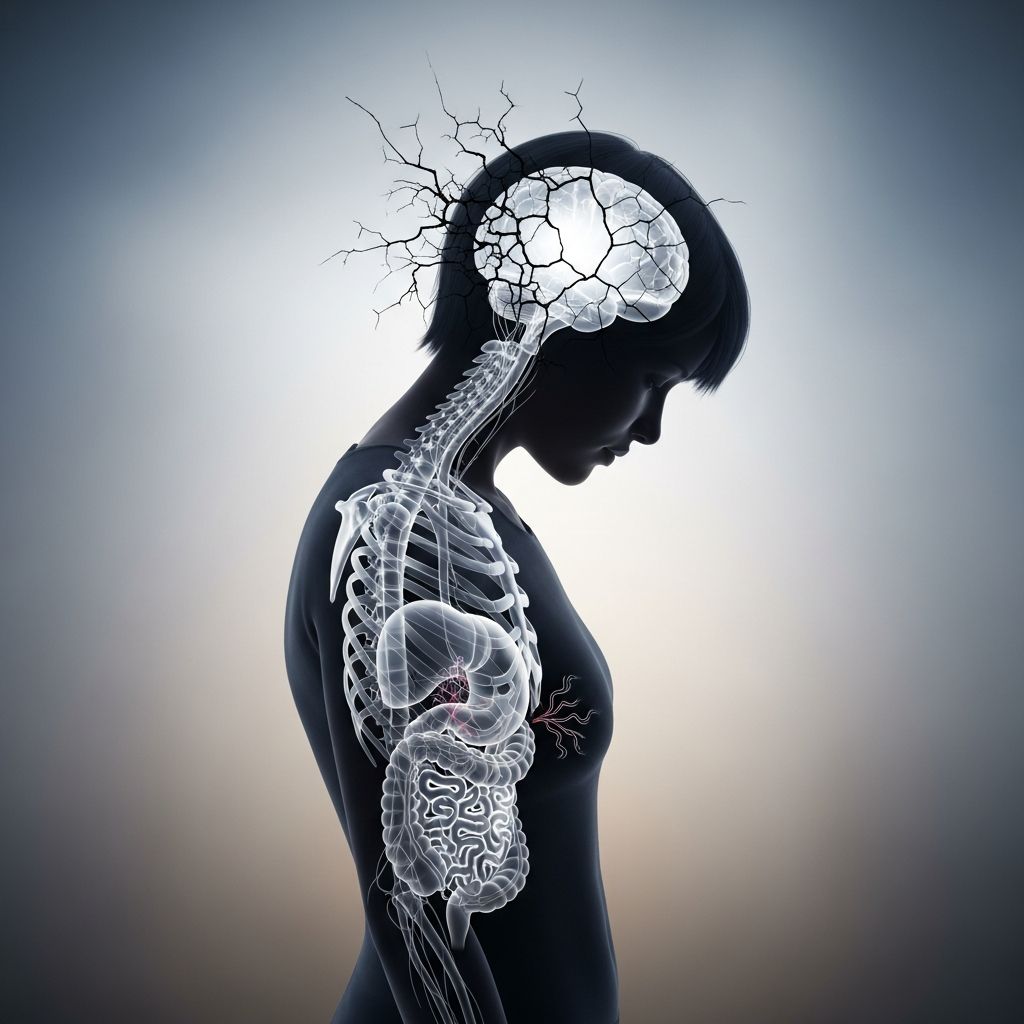
Anorexia nervosa is a complex eating disorder characterized by extreme restriction of food intake, an intense fear of gaining weight, and a distorted body image, leading to dangerously low body weight and profound physical health consequences. While often viewed primarily as a psychological condition, anorexia inflicts severe damage on nearly every body system, making it one of the most lethal mental health disorders with a mortality rate higher than any other psychiatric illness.
This article delves into the multifaceted nature of anorexia, covering its symptoms, health risks, causes, diagnosis, treatment options, and prognosis, drawing on authoritative medical insights to provide a comprehensive understanding.
What is Anorexia Nervosa?
Anorexia nervosa involves a relentless pursuit of thinness despite being underweight, driven by an extreme fear of obesity and a distorted perception of body size. Individuals with anorexia restrict caloric intake severely, often to the point of self-starvation, resulting in significant weight loss that can become life-threatening.
The disorder is classified into two main subtypes: the restricting type, where patients limit food intake and may exercise excessively without bingeing or purging; and the binge-eating/purging type, where individuals engage in binge eating followed by vomiting, laxative misuse, or diuretic abuse to prevent weight gain. This distinction is crucial, as the binge-eating/purging type overlaps with bulimia nervosa but is defined by low body weight in anorexia.
Appetite often persists until severe malnutrition sets in, contrary to the name ‘anorexia’ which implies loss of appetite. Patients become preoccupied with food, studying diets, hoarding recipes, or preparing meals for others while avoiding eating themselves.
Symptoms of Anorexia Nervosa
Symptoms of anorexia span psychological, behavioral, and physical domains, often starting subtly before escalating.
Deliberate Weight Loss
The hallmark symptom is intentional severe weight loss through food avoidance, excessive exercise, or purging behaviors. Patients may eat only ‘safe’ low-calorie foods, lie about intake, or chew and spit out food. Despite emaciation, they perceive themselves as overweight, particularly fixating on areas like thighs or buttocks.
Psychological and Behavioral Signs
- Intense fear of weight gain persisting despite underweight status.
- Distorted body image, viewing oneself as fat even when cachectic.
- Preoccupation with food: collecting recipes, hoarding, or wasting food.
- Denial of illness severity and resistance to treatment.
- Social withdrawal, irritability, or perfectionism.
Physical Symptoms
Physical manifestations arise from malnutrition and are not ‘just in the mind’:
- Menstrual irregularities or amenorrhea in females.
- Cold intolerance, dry skin, lanugo hair (fine body hair), and brittle nails.
- Gastrointestinal issues: bloating, constipation, abdominal pain.
- Cardiovascular problems: bradycardia, hypotension, arrhythmias.
- Fatigue, dizziness, fainting, and muscle weakness.
Health Risks and Complications
Anorexia’s physical toll is extensive, affecting multiple organ systems and posing life-threatening risks.
| Body System | Common Complications |
|---|---|
| Cardiovascular | Bradycardia, orthostatic hypotension, QT prolongation, sudden death from arrhythmias |
| Bone Health | Osteoporosis, fractures, reduced bone density |
| Gastrointestinal | Constipation, bloating, laxative-induced bowel damage |
| Endocrine | Infertility, delayed puberty, electrolyte imbalances |
| Neurological | Cognitive impairment, seizures from refeeding syndrome |
Related Stories



Laxative overuse can cause permanent constipation and nerve damage. Refeeding syndrome—a dangerous shift in fluids and electrolytes during treatment—requires careful monitoring. Anorexia has the highest mortality among eating disorders, often from cardiac arrest or suicide.
Causes of Anorexia Nervosa
The etiology is multifactorial, involving genetic, biological, psychological, and sociocultural elements.
- Genetic predisposition: Family history increases risk; twin studies show heritability.
- Biological factors: Neurotransmitter imbalances (e.g., serotonin) and hypothalamic dysfunction.
- Psychological triggers: Perfectionism, low self-esteem, trauma, or anxiety disorders.
- Sociocultural influences: Media portrayal of thinness, dieting culture, peer pressure.
It typically onset in adolescence, affecting women 10 times more than men.
Diagnosis and Tests
Diagnosis relies on DSM-5 criteria: restriction causing low weight, intense fear of gaining weight, and body image disturbance. No single test confirms anorexia; clinicians assess via history, physical exam, and ruling out medical causes.
- BMI <18.5 (adults) or <5th percentile (children).
- Blood tests: electrolytes, glucose, thyroid, CBC for anemia.
- ECG for cardiac issues; DEXA scan for bone density.
Early detection is vital, as patients often deny symptoms.
Treatment for Anorexia Nervosa
Treatment is multidisciplinary, prioritizing weight restoration, nutritional rehabilitation, and psychological support. Hospitalization is needed for severe cases (e.g., BMI <15, medical instability).
Nutritional Rehabilitation
Start with 30-40 kcal/kg/day, increasing gradually for 0.5-1.5 kg/week gain. Use oral supplements; nasogastric feeding for refusal. Monitor for refeeding syndrome.
Psychotherapy
- Family-Based Therapy (FBT): Gold standard for adolescents; parents supervise meals until weight restores.
- Cognitive Behavioral Therapy (CBT): Challenges distorted thoughts, normalizes eating.
- Adolescent-Focused Therapy: Builds identity post-weight restoration.
Medications
Olanzapine aids weight gain; SSRIs for co-occurring anxiety/depression post-weight restoration. No meds are FDA-approved specifically for anorexia.
Team Approach
Involves physicians, dietitians, therapists; outpatient for stable patients, continuing 1 year post-recovery.
Prognosis
With treatment, improvement takes weeks to years; 50% fully recover, 30% improve significantly, 20% have chronic course. Best outcomes in adolescents with short duration (<6 months). Relapse prevention focuses on body image and coping skills. Early intervention is key to averting permanent damage.
Frequently Asked Questions (FAQs)
Q: Is anorexia just a phase or willpower issue?
A: No, it’s a serious medical disorder with biological and psychological roots, not a lack of willpower. Physical complications make it life-threatening.
Q: Can anorexia affect men?
A: Yes, though less common (1:10 ratio to women), men experience similar symptoms and risks.
Q: How long does recovery take?
A: It varies; weeks to years. Full recovery possible for half with early, comprehensive treatment.
Q: What role does family play in treatment?
A: Crucial, especially in FBT where parents guide refeeding for adolescents.
Q: Are there long-term physical effects?
A: Yes, including osteoporosis, infertility, and cardiac issues if untreated.
References
- Anorexia Nervosa — Merck Manuals Professional Edition. 2023. https://www.merckmanuals.com/professional/psychiatric-disorders/feeding-and-eating-disorders/anorexia-nervosa
- What are Eating Disorders? — American Psychiatric Association. 2023-05-03. https://www.psychiatry.org/patients-families/eating-disorders/what-are-eating-disorders
- Anorexia Nervosa: Causes, Symptoms, and Treatment — Patient.info. 2024. https://patient.info/mental-health/eating-disorders/anorexia-nervosa
- Anorexia Nervosa: Symptoms and Management — Patient.info for Doctors. 2024. https://patient.info/doctor/mental-health/anorexia-nervosa-pro
- Anorexia Nervosa: What It Is, Signs & Symptoms, & Treatment — Cleveland Clinic. 2023-12-07. https://my.clevelandclinic.org/health/diseases/9794-anorexia-nervosa
Similar Articles








Read full bio of Sneha Tete