Ant Bites: Symptoms, Treatment, And When To See A Doctor
Everything you need to know about ant bites: symptoms, treatment, prevention, and when to seek medical help.
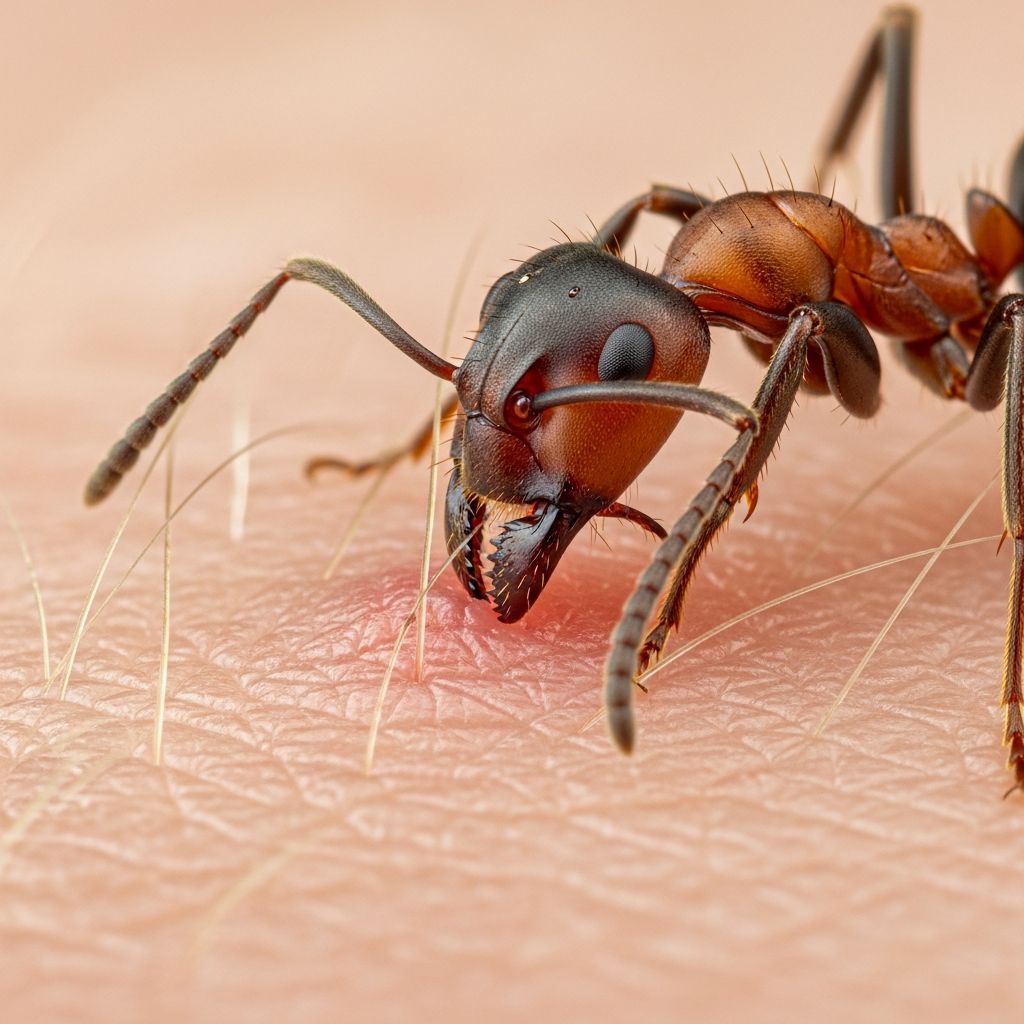
Ant bites, particularly from fire ants, can cause significant discomfort ranging from localized pain and swelling to severe allergic reactions. These incidents are common in many regions, especially the southern U.S., where fire ants thrive. Understanding the symptoms, treatment, and prevention is crucial for effective management.
What Are Ant Bites?
Ant bites occur when ants use their mandibles to pinch the skin, often followed by a sting from species like fire ants that inject venom. Fire ants are aggressive, especially when their nests are disturbed, swarming and attacking with bites and multiple stings in a circular pattern.
Fire ants belong to the genus Solenopsis, known for their reddish-brown color and mound-building habits. They bite to hold onto the skin and then sting repeatedly, injecting alkaloid venom that causes intense pain.
Symptoms of Ant Bites
The most common reaction to ant bites is an intense burning sensation, followed by itching and a raised, red welt that lasts four to six hours. Painful, pus-filled blisters may form, lasting three to eight days, with scabs persisting up to ten days.
Types of Reactions
- Typical Localized Reaction: Itchy hive or bump appearing within one hour, turning into a blister in four hours that fills within 8-24 hours.
- Large Localized Reaction: Swelling larger than 10 cm, redness, and itching lasting 24-72 hours.
- Mild Systemic Reaction: Symptoms away from the bite site, including hives, itching, dizziness, nausea, or shortness of breath (less than 1% of cases).
- Severe Allergic Reaction (Anaphylaxis): Life-threatening symptoms like difficulty breathing, throat swelling, rapid heartbeat, low blood pressure, vomiting, or fainting, appearing within 30-40 minutes.
Multiple stings can lead to vomiting, diarrhea, widespread swelling, shortness of breath, or shock.
What Do Ant Bites Look Like?
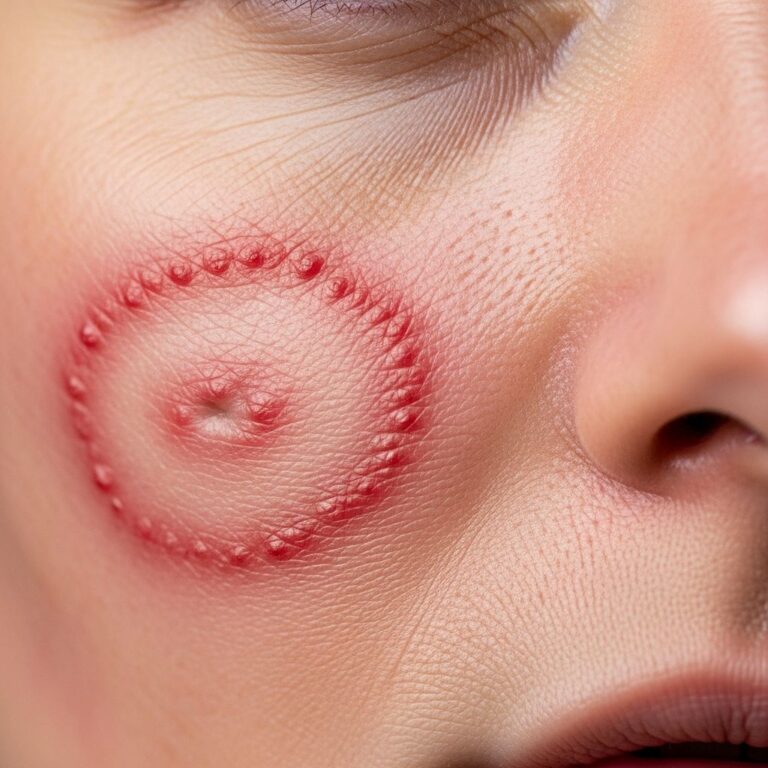
Ant bites initially appear as red, raised welts with central punctures from bites and stings. Fire ant stings often develop into sterile pustules (pus-filled blisters) resembling pimples, surrounded by erythema. These blisters are not infectious but contain dead tissue.
In severe cases, reactions spread over larger areas, with clusters of blisters. Infections may cause increased redness, warmth, or true pus if scratched.
Treatment for Ant Bites
Treatment depends on severity. For mild reactions, home care suffices; severe cases require medical attention.
Home Treatment
- Remove Ants: Gently brush or pick off ants individually to avoid provoking more attacks.
- Clean the Area: Wash with soap and cool water.
- Cold Compress: Apply to reduce swelling and pain.
- Anti-Itch Relief: Use over-the-counter hydrocortisone cream or oral antihistamines like diphenhydramine (avoid if drowsy).
- For Broken Blisters: Apply antibiotic ointment and cover with a bandage to prevent infection. Do not pop intact blisters.
Avoid scratching to prevent secondary infections.
Medical Treatment
For large reactions or systemic symptoms, doctors may prescribe oral corticosteroids, stronger antihistamines, or antibiotics for infections. Anaphylaxis requires epinephrine (EpiPen) and emergency care.
When to See a Doctor
Related Stories



Seek medical help if:
- Symptoms worsen or persist beyond a week.
- Signs of infection: increasing pain, fever, red streaks.
- Large swelling (>10 cm) or systemic symptoms like nausea or dizziness.
- Anaphylaxis signs: breathing difficulty, swelling of face/throat, rapid pulse, fainting—call emergency services immediately.
Those with prior allergic reactions should carry an EpiPen.
Diagnosis of Ant Bites
Diagnosis is typically clinical, based on history of ant exposure and physical exam showing characteristic pustules or welts. Allergy testing, like skin prick tests, may be recommended for severe reactors by an allergist.
Prevention of Ant Bites
Prevent bites by avoiding nests, especially in grassy or sandy areas.
- Wear Protective Clothing: Long pants, socks, gloves when outdoors in ant-prone areas.
- Avoid Disturbing Nests: Do not step on or near mounds.
- Use Insect Repellents: DEET-based products on skin and clothing.
- Lawn Maintenance: Treat yards with approved fire ant baits or insecticides; consult professionals for infestations.
- Stay Alert: Shake out clothes or shoes left outside.
Fire Ants vs. Other Ants
| Ant Type | Bite/Sting Characteristics | Common Reactions |
|---|---|---|
| Fire Ants | Bite then multiple stings with venom | Painful blisters, potential anaphylaxis |
| Carpenter Ants | Bite only, no sting | Mild pain, swelling; rare allergies |
| Sugar Ants | Bite weakly | Minor itching, no blisters |
Frequently Asked Questions (FAQs)
Should you pop fire ant blisters?
No, popping blisters risks infection. Let them heal naturally or treat if broken.
How long do ant bites last?
Welts last 4-6 hours; blisters 3-8 days; scabs up to 10 days.
Can ant bites cause fever?
Typically not, but infection from scratching or multiple stings may cause fever.
Are ant bites contagious?
No, but secondary bacterial infections can occur if not cleaned.
Long-Term Considerations
Repeated exposures may increase allergy risk. Immunotherapy is available for severe fire ant allergies via venom extracts. Monitor for complications like serum sickness or neurological effects in rare cases.
In summary, most ant bites resolve with home care, but vigilance for severe reactions is essential. Educating yourself on local ant species enhances safety.
References
- What You Need to Know About Ant Bites, According to Experts — Prevention.com. 2022-11-14. https://www.prevention.com/health/a39761079/ant-bites/
- Should You Pop Fire Ant Bites (Blisters from Stings)? — Healthline. 2023-05-10. https://www.healthline.com/health/should-you-pop-fire-ant-bites
- How to Recognize and Treat Ant Bites — Healthgrades. 2024-01-15. https://resources.healthgrades.com/right-care/skin-hair-and-nails/ant-bites
- Fire ants — MedlinePlus (U.S. National Library of Medicine). 2023-08-20. https://medlineplus.gov/ency/article/002843.htm
- Fire ant bites: Treatment, symptoms, what they look like — Medical News Today. 2023-06-12. https://www.medicalnewstoday.com/articles/312484
- Fire Ant Bites — StatPearls (NCBI Bookshelf). 2023-07-17. https://www.ncbi.nlm.nih.gov/books/NBK470576/
- Allergies to bites and stings — Better Health Channel (Victoria, Australia Government). 2024-02-05. https://www.betterhealth.vic.gov.au/health/conditionsandtreatments/allergies-to-bites-and-stings
Similar Articles








Read full bio of Sneha Tete