Antacids Guide: Uses, How They Work, Side Effects
Comprehensive guide to antacids: uses, types, side effects, and safe usage for heartburn relief.
Antacids provide fast relief from common digestive discomforts by neutralizing excess stomach acid. These over-the-counter remedies are widely used for symptoms like heartburn and indigestion, offering quick action without a prescription.
Understanding Stomach Acid and Why It Causes Problems
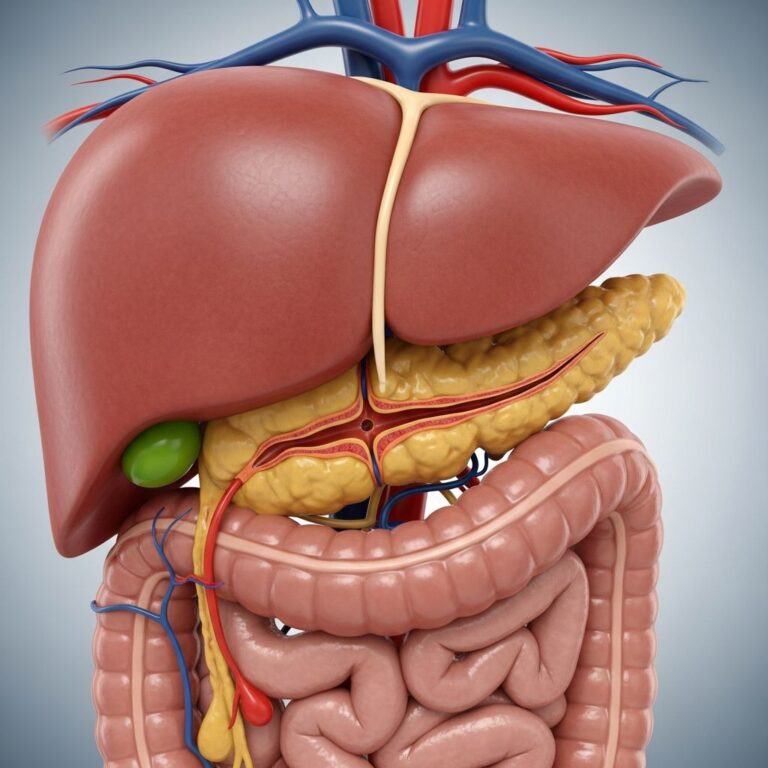
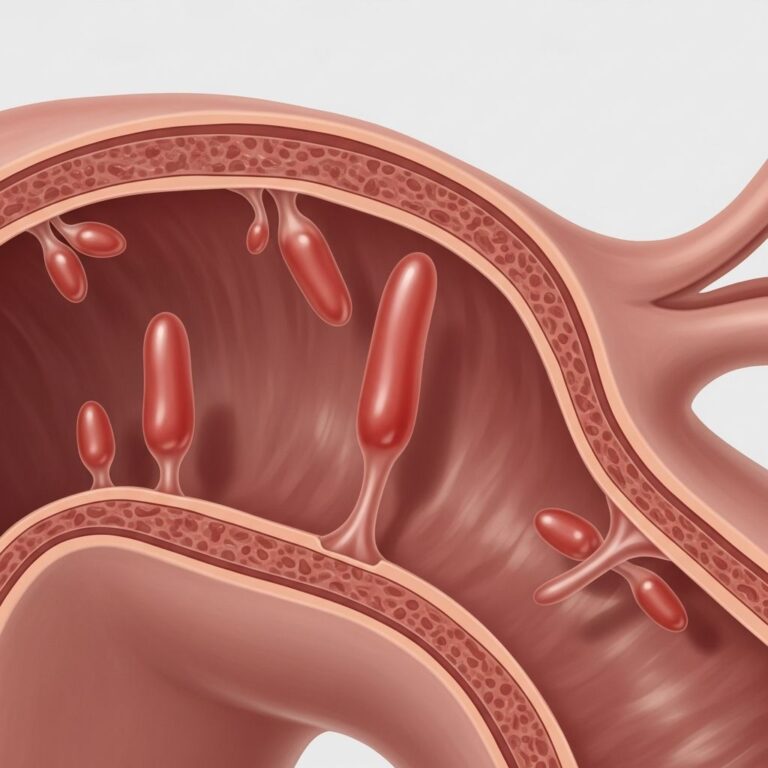
The stomach produces hydrochloric acid to aid digestion, maintaining a pH of around 2-3. While essential for breaking down food, excess acid or reflux into the esophagus can lead to irritation, causing burning sensations, nausea, or pain.
Conditions such as gastroesophageal reflux disease (GERD), gastritis, or peptic ulcers amplify these issues. Antacids counteract this by raising stomach pH, reducing acid’s harmful effects on the digestive tract lining.
How Antacids Neutralize Acid
Antacids are basic compounds that react with stomach acid to form water, salt, and sometimes carbon dioxide. This process inhibits pepsin, an enzyme active in acidic environments that can damage mucosal linings.
They also limit acid reflux into the esophagus and duodenum. Duration varies: sodium bicarbonate acts briefly, while aluminum or calcium-based options last longer. Combinations like aluminum-magnesium provide balanced effects.
Primary Uses of Antacids
- Relieving
heartburn
from GERD or acid reflux. - Easing
indigestion
and sour stomach sensations. - Alleviating
nausea
tied to excess acid. - Managing symptoms of
esophagitis, gastritis, or duodenitis
. - Off-label: Preventing stress ulcers or aiding phosphate control in hyperphosphatemia.
For mild, occasional symptoms, antacids suffice; chronic issues may require further medical evaluation.
Categories of Antacids
Antacids fall into systemic (absorbable, like sodium bicarbonate) and non-systemic (non-absorbable, like magnesium or aluminum salts) types. Non-systemic options stay in the gut, minimizing body-wide effects.
Aluminum-Based Antacids
Examples include aluminum hydroxide. They bind phosphates, helping with hyperphosphatemia or kidney stone prevention. Slow-acting but long-lasting; may cause constipation.
Magnesium-Based Antacids
Such as magnesium hydroxide or oxide. Fast relief but shorter duration; useful for magnesium deficiency. Common side effect: diarrhea.
Calcium-Based Antacids
Calcium carbonate offers potent neutralization, aiding calcium-deficient conditions like osteoporosis. High efficacy but risks acid rebound.
Sodium Bicarbonate Antacids
Quick but short-lived action; effervescent forms like Alka-Seltzer. Avoid in high-sodium diets due to fluid retention risks.
Combination Products
Many include alginates for reflux protection or simethicone for gas relief, e.g., Gaviscon or Maalox.
Available Forms and Common Brands
Antacids come as chewables, tablets, liquids, or suspensions for rapid absorption. Chewables require thorough chewing to activate.
- Liquids: AlternaGEL, Maalox.
- Tablets: Rolaids, Tums (calcium carbonate).
- Effervescent: Alka-Seltzer.
- Others: Gaviscon, Mylanta.
Proper Dosing and Timing
Take 1-2 hours after meals or at symptom onset. Chew thoroughly; liquids act fastest. Don’t exceed recommended doses to avoid side effects.
| Type | Typical Dose | Onset | Duration |
|---|---|---|---|
| Sodium Bicarbonate | 1-2 tablets | Fast | Short |
| Magnesium Hydroxide | 10-20 mL | Fast | Medium |
| Aluminum Hydroxide | 30 mL | Slow | Long |
| Calcium Carbonate | 2 tablets | Medium | Long |
Related Stories



Adjust for age/condition; consult professionals for children or prolonged use.
Potential Side Effects
Generally safe short-term, but risks include:
- Constipation from aluminum.
- Diarrhea from magnesium.
- Acid rebound or gas from calcium/sodium.
- Electrolyte imbalances with overuse.
Rare: alkalosis, toxicity in kidney disease.
Who Should Avoid Antacids
- People with kidney issues (aluminum/magnesium buildup).
- High-sodium dieters (sodium bicarbonate).
- Those on low-calcium/phosphate diets.
- Pregnant individuals without advice.
- Chronic users without doctor oversight.
Drug Interactions to Watch For
Antacids reduce absorption of antibiotics (e.g., tetracyclines), iron, or thyroid meds. Space doses 2-4 hours apart.
- Separate from PPIs/H2 blockers by 2 hours.
- Avoid with aspirin or NSAIDs if possible.
- Monitor with digoxin or antifungals.
Lifestyle Tips Alongside Antacids
Combine with:
- Elevating bed head for reflux.
- Avoiding triggers: spicy/fatty foods, caffeine, alcohol.
- Eating smaller meals; no late-night eating.
- Weight management and smoking cessation.
When to See a Doctor
Seek help if symptoms persist >2 weeks, include weight loss, vomiting blood, difficulty swallowing, or black stools. May indicate ulcers or other issues.
Frequently Asked Questions (FAQs)
Are antacids safe daily?
For occasional use yes; daily requires medical advice to prevent complications.
Can I take antacids with PPIs?
Yes, but space 2 hours apart for best efficacy.
Do antacids cause weight gain?
Some like calcium carbonate have calories; choose low-sugar options.
Best antacid for pregnancy?
Calcium carbonate often recommended; consult doctor.
How quickly do they work?
5-30 minutes, depending on form.
Choosing the Right Antacid
Match to symptoms: magnesium for quick relief, aluminum for longevity, combos for balance. Trial and error with professional guidance helps.
Antacids remain a cornerstone for acid-related woes, but they’re not cures. Integrate with lifestyle changes for optimal digestive health.
References
- Types of Antacids Medications: Uses, Side Effects, Warnings — RxList. 2023. https://www.rxlist.com/antacids/drugs-condition.htm
- Antacids – StatPearls — NCBI Bookshelf – NIH. 2023-05-01. https://www.ncbi.nlm.nih.gov/books/NBK526049/
- Antacid — Wikipedia. 2024. https://en.wikipedia.org/wiki/Antacid
- Antacids — HSE.ie. 2023. https://www2.hse.ie/medicines/antacids/
- What Are Antacids and How Do They Work? — PEPCID. 2023. https://www.pepcid.com/compare-heartburn-treatments/antacids
- Antacids: How they work, types, and side effects — Medical News Today. 2023-07-20. https://www.medicalnewstoday.com/articles/antacids
- Antacids — IFFGD. 2023. https://iffgd.org/manage-your-health/diet-and-treatments/antacids/
- Antacids: Types, Uses, Side Effects & Precautions — Cleveland Clinic. 2023-11-01. https://my.clevelandclinic.org/health/drugs/23076-antacid
- Acid Reflux Medicine: Antacids, H2 Blockers, Proton Pump Inhibitors — GoodRx. 2024. https://www.goodrx.com/conditions/gerd/best-treatment-acid-reflux-antacids-h2-blockers-proton-pump-inhibitors
Similar Articles








Read full bio of medha deb