Antacids: Types, Uses, Side Effects & Precautions
Complete guide to antacids: how they work, types, dosage, side effects, and when to use them safely.
Understanding Antacids: A Complete Guide to Over-the-Counter Relief
Antacids are nonprescription medications readily available without a prescription that provide quick relief from heartburn and indigestion. These medications work by neutralizing excess stomach acid, offering symptom relief within a short period. Unlike prescription medications that address underlying causes of acid reflux, antacids target the immediate discomfort associated with heartburn and digestive upset. They are among the most commonly used over-the-counter remedies for gastrointestinal discomfort.
What Are Antacids and How Do They Work?
Antacids are medicines specifically designed to relieve heartburn and indigestion by reducing the amount of acid present in your stomach. These medications function by neutralizing the acid in your stomach through a mechanism that stops pepsin, an enzyme responsible for creating stomach acid during the food digestion process. This neutralization action provides rapid symptom relief, though it does not address the underlying medical conditions that may cause these symptoms to occur repeatedly.
The primary function of antacids is symptomatic relief rather than disease management. They are particularly effective for occasional heartburn episodes, especially those triggered by specific foods or eating habits. However, if you experience frequent or persistent heartburn, it is important to consult with your healthcare provider to identify and address the root cause of your symptoms.
Common Conditions Treated by Antacids
Antacids help combat various symptoms and conditions related to excess stomach acid. The following represent common issues that antacids can help alleviate:
- Heartburn
- Indigestion
- Upset stomach caused by excess stomach acid
- Acid reflux symptoms
- Stomach discomfort after consuming spicy or heavy foods
Types of Antacids Available
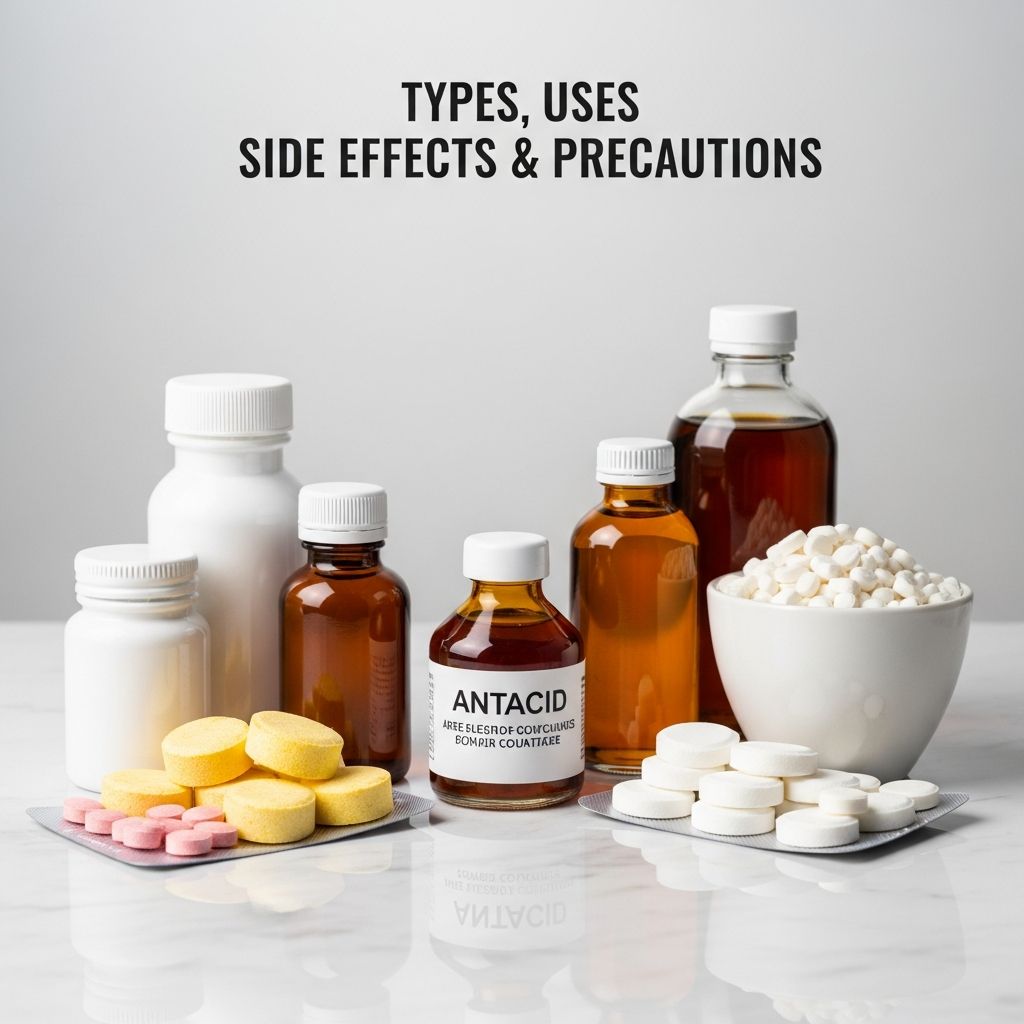
Antacids come in two primary forms, each with distinct advantages and absorption rates. Understanding the differences between these formulations helps you choose the option best suited to your needs.
Liquid Antacids
Liquid antacid formulations work more quickly than chewable tablets to alleviate symptoms of heartburn and indigestion. The liquid format allows for faster absorption and more immediate relief, making them an excellent choice when you need quick symptom resolution. Liquid antacids are particularly beneficial for individuals who prefer not to chew tablets or who need rapid action.
Chewable Tablets
Chewable tablet antacids offer convenience and portability. These tablets must be chewed thoroughly to form a protective foam in your mouth before swallowing, which enhances their effectiveness. Popular brand names for chewable antacids include Tums, Alka-Seltzer, and Rolaids. Tablets provide a discreet option for those on the go, though they work slightly slower than their liquid counterparts.
Active Ingredients in Antacids
The active ingredients in antacids vary depending on the type and brand. Different formulations contain different combinations of neutralizing agents, each with specific properties and considerations.
| Active Ingredient | Common Brand Examples | Characteristics |
|---|---|---|
| Calcium Carbonate | Tums, Rolaids | Fast-acting, may cause constipation with regular use |
| Magnesium Hydroxide/Carbonate | Milk of Magnesia | May have a laxative effect |
| Aluminum Hydroxide | Various formulations | May cause constipation; often combined with magnesium |
| Sodium Bicarbonate | Alka-Seltzer | Quick-acting; high sodium content |
Related Stories



When to Take Antacids
Proper timing of antacid administration maximizes their effectiveness. You should take antacids when you have active symptoms of heartburn or indigestion. Additionally, you can take an antacid one hour after eating, which is typically when heartburn symptoms may develop.
Antacids are usually taken after meals and at bedtime, or as directed by your care team. If you experience symptoms at night and plan to take an antacid before bed, avoid consuming food simultaneously with the medication. After taking an antacid, remain in an upright position for one to two hours to ensure optimal absorption and effectiveness.
Proper Dosage Guidelines
The dosage for antacids varies and depends on several factors including your age and the reason for use. Dosing also varies by manufacturer, making it essential to follow specific instructions outlined on the packaging of each product. Never take antacids more frequently than directed on the label. Always follow the specific dosage instructions provided by the manufacturer, as different brands may have different recommended doses.
If you miss a dose of an antacid taken on a regular schedule, you can take it at any time as long as it does not interfere with other medicines you are currently taking. However, most people take antacids on an as-needed basis rather than on a fixed schedule.
Safety Considerations and Who Should Avoid Antacids
While most people can take antacids safely, certain individuals should consult their healthcare provider before use. Ask your healthcare provider if it is safe to start taking antacids if you have any of the following conditions or circumstances:
- Kidney disease or impaired kidney function
- Heart disease or hypertension
- Pregnancy or breastfeeding
- Taking other medications regularly
- History of bone disease or osteoporosis
- Allergies to antacid ingredients
Side Effects and Complications
Most people tolerate antacids well without experiencing adverse effects. However, complications can occur, particularly in vulnerable populations such as infants and people over the age of 65. Common side effects may include constipation or diarrhea, depending on the specific ingredients in the antacid formulation.
Serious Side Effects
While rare, serious side effects can occur. Contact your healthcare provider immediately if you experience any of the following after taking an antacid:
- Black, tarry stools indicating possible bleeding
- Rectal bleeding
- Unusual fatigue or weakness
- Severe abdominal pain
- Persistent nausea or vomiting
If your symptoms do not improve or worsen despite antacid use, contact your care team for further evaluation.
Drug Interactions and Important Precautions
Antacids can interact with how other medicines absorb into your body, potentially reducing the effectiveness of other medications or causing unexpected interactions. Before taking antacids, contact your healthcare provider to determine if they are appropriate for you and if they may interfere with your current medications.
To prevent interactions, take other medicines one hour before or at least four hours after taking an antacid. This spacing ensures that the antacid does not interfere with the absorption of other medications. Never change to another antacid product without consulting your healthcare provider, as different formulations may have varying ingredients and potential interactions.
Antacids During Pregnancy and Breastfeeding
It is usually safe to take antacids if you are pregnant or thinking about becoming pregnant. However, you should always check with your healthcare provider first regarding your specific situation. It is also important to check the ingredients in the antacid you plan on taking. Ingredients like aluminum salts and calcium are generally considered safe to consume during pregnancy but do not exceed the daily recommended dosage.
Some ingredients found in antacids, such as calcium, can pass into breastmilk. It is safe to take antacids if you are breastfeeding as long as you do not exceed the daily recommended dosage. Consult your healthcare provider about the specific antacid you plan to use while nursing.
Are Antacids Addictive?
No, antacids are not addictive. However, if you find yourself taking antacids regularly to treat your symptoms, speak with your healthcare provider. Regular antacid use may indicate an underlying condition such as gastroesophageal reflux disease (GERD) that requires proper diagnosis and treatment. Antacids are not a cure for any underlying conditions that cause your symptoms; they only provide temporary relief.
Frequency of Use and When to Seek Medical Help
Do not take antacids frequently or regularly without consulting your healthcare provider. If you experience symptoms of heartburn or indigestion daily, reach out to your healthcare provider to investigate the underlying cause of your frequent symptoms. Long-term reliance on antacids suggests a need for professional evaluation and potentially different treatment approaches.
Do not treat yourself for stomach problems with antacids for more than two weeks without consulting your care team. Extended self-treatment may mask serious underlying conditions requiring proper medical attention and diagnosis.
Antacids Versus Other Heartburn Medications
Several types of medicines treat heartburn or indigestion but are not antacids because the ingredients work in different ways. Common medications that are not antacids include H2 blockers like famotidine (Pepcid) and proton pump inhibitors like omeprazole and pantoprazole. These medications work by reducing stomach acid production rather than neutralizing existing acid. Your healthcare provider can recommend the most appropriate treatment based on your specific situation and symptoms.
Popular Antacid Brands
Several well-known brands offer antacid products available over-the-counter. These include Tums (calcium carbonate), Rolaids (calcium carbonate and magnesium hydroxide), Alka-Seltzer (sodium bicarbonate and citric acid), and various store-brand formulations containing similar active ingredients. The Food and Drug Administration has approved antacids for treating mild cases of heartburn and indigestion, where mild refers to heartburn that occurs occasionally or intermittently rather than every day.
Taking Antacids Correctly
For optimal effectiveness, follow these guidelines when taking antacids:
- Take the medication by mouth exactly as directed on the label
- If taking chewable tablets, chew them well to form foam in your mouth before swallowing
- Do not suck on or crush tablets, as this prevents protective foam formation
- Drink a full glass of water after taking the medication
- Remain upright for one to two hours after consumption
- Take your medication at regular intervals if using on a schedule
- Never exceed the frequency specified on the package label
When Antacids Are Most Effective
Antacids are particularly effective when used strategically. They work quickly to relieve symptoms for a few hours and are especially helpful after consuming triggering foods such as spicy dishes, fatty foods, or hot beverages. Many people find antacids provide excellent relief when taken after meals, preventing post-meal heartburn, or at bedtime to address nighttime acid reflux symptoms.
Frequently Asked Questions About Antacids
Q: Can I take antacids every day?
A: While occasional antacid use is safe for most people, daily use may indicate an underlying condition requiring medical attention. Consult your healthcare provider if you need antacids more than twice a week regularly.
Q: How quickly do antacids work?
A: Antacids typically provide relief within 15 to 30 minutes, with liquid formulations working faster than chewable tablets. Relief generally lasts for several hours depending on the specific formulation.
Q: Can I combine different antacid brands?
A: No, do not combine different antacid brands without consulting your healthcare provider. Different products contain different active ingredients that may interact or cause problems when combined.
Q: Are antacids safe for children?
A: Antacids can be used in children, but dosing differs from adult recommendations. Always consult your pediatrician before giving antacids to children.
Q: What should I do if antacids don’t work?
A: If antacids do not provide relief after two weeks of use, contact your healthcare provider. They may recommend alternative treatments or investigate underlying causes of your symptoms.
Q: Can I take antacids with other medications?
A: Antacids can interact with other medications. Always inform your healthcare provider about all medications you take, and space antacids at least one hour before or four hours after other medications.
Conclusion
Antacids are effective, over-the-counter remedies for occasional heartburn and indigestion symptoms. Understanding how they work, their proper use, available types, and potential side effects enables you to use them safely and effectively. Always follow label instructions, consult your healthcare provider before starting antacids if you have underlying conditions or take other medications, and seek medical attention if symptoms persist beyond two weeks of self-treatment. For chronic heartburn occurring daily, professional evaluation is essential to identify and address the underlying cause rather than relying solely on antacid symptom management.
References
- Antacids: Types, Uses, Side Effects & Precautions — Cleveland Clinic. 2025. https://my.clevelandclinic.org/health/drugs/23076-antacid
- Evaluation and management of gastroesophageal reflux disease — American College of Gastroenterology, Cleveland Clinic Journal of Medicine. 2021. https://www.ccjm.org/content/89/12/700
- Acid Reflux & GERD: Symptoms, What It Is, Causes, Treatment — Cleveland Clinic. 2025. https://my.clevelandclinic.org/health/diseases/17019-acid-reflux-gerd
- Tums Chewable Tablets (Calcium Carbonate): Uses & Side Effects — Cleveland Clinic. 2025. https://my.clevelandclinic.org/health/drugs/20402-calcium-carbonate-chewable-tablets
- Aluminum Hydroxide; Magnesium Carbonate chewable tablets — Cleveland Clinic. 2025. https://my.clevelandclinic.org/health/drugs/19279-aluminum-hydroxide-magnesium-carbonate-chewable-tablets
Similar Articles








Read full bio of medha deb