Antacids: What They Are and How They Work
Complete guide to antacids: understanding how they relieve heartburn and indigestion.
What Are Antacids?
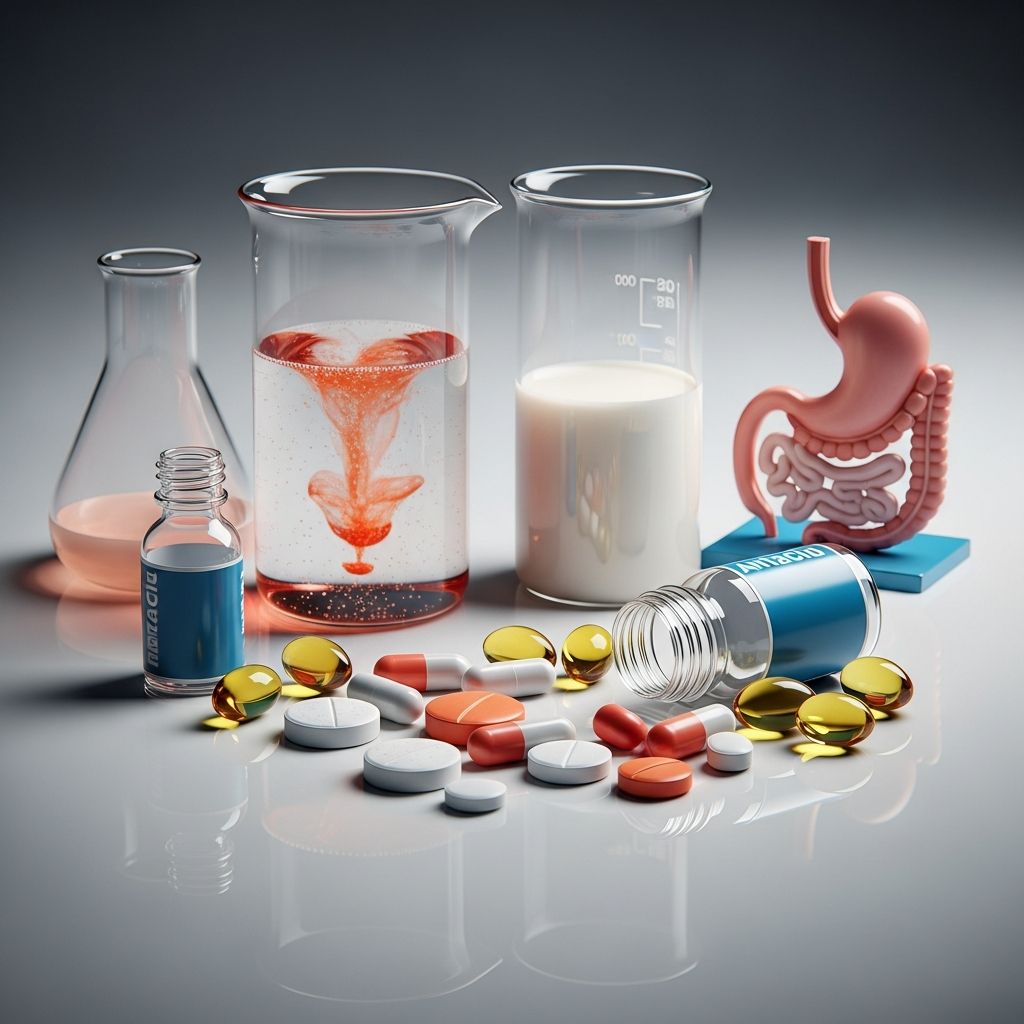
Antacids are a group of medicines designed to help neutralize the acid content produced by your stomach. They are among the most commonly used over-the-counter treatments for relieving discomfort associated with indigestion and acid reflux, which causes the characteristic burning sensation known as heartburn. Most people who use antacids do not experience any adverse side-effects, making them a popular choice for occasional symptom relief.
These medications come in various formulations and may be combined with additional active ingredients to enhance their effectiveness. Some antacids include simeticone, a substance that helps reduce wind and flatulence by breaking down gas bubbles in the stomach and intestines. Other formulations contain alginates, such as sodium alginate and alginic acid, which work alongside the neutralizing action to form a protective barrier over the stomach contents, helping shield the esophagus from stomach acid damage.
Types of Antacids
Antacids typically contain either aluminium or magnesium compounds as their primary active ingredients. Understanding the different types available can help you choose the most appropriate option for your needs.
- Aluminium-based antacids: These compounds are effective at neutralizing stomach acid but may have a constipating effect on the digestive system.
- Magnesium-based antacids: These tend to act as a laxative and may cause diarrhea in some users.
- Combination antacids: Many commercial formulations contain both aluminium and magnesium compounds in balanced proportions. This combination helps neutralize the opposing effects on bowel movements, minimizing the risk of constipation or diarrhea.
- Calcium carbonate antacids: Another common type that provides effective acid neutralization.
- Sodium bicarbonate antacids: Fast-acting formulations that work quickly to relieve symptoms.
- Antacids with alginates: These combination products form a protective layer that floats on the stomach contents, helping prevent acid from traveling back into the esophagus and protecting against acid reflux and oesophagitis.
What Conditions Are Antacids Used to Treat?
Antacids are primarily used to provide symptomatic relief for several digestive conditions. By reducing the acidity in your stomach, they can effectively treat:
- Indigestion
- Acid reflux and heartburn
- Gastro-esophageal reflux disease (GERD)
- Stomach (gastric) ulcers
- Duodenal ulcers
- Upset stomach associated with hyperacidity
- Functional (non-ulcer) dyspepsia and bloating
Antacids are particularly useful for providing rapid relief of intermittent heartburn, especially when symptoms are brought on occasionally by specific triggers such as spicy foods, fatty meals, or activities like lying down after eating.
How Do Antacids Work?
Antacids function through a straightforward chemical process called neutralization. The active ingredients in antacids are bases (also called alkalis), which are chemically opposite to acids. When an antacid enters your stomach, a neutralization reaction occurs between the base and the stomach acid. This chemical reaction reduces the overall acidity of your stomach contents, making them less corrosive.
By lowering the acidity level, antacids help inactivate pepsin, an enzyme involved in the digestive process that can contribute to pain and irritation. This neutralization process relieves the pain associated with ulcers and the burning sensation characteristic of acid reflux. The protective action is particularly enhanced when antacids contain alginates, which form a floating protective layer over the stomach contents, preventing acid from backing up into the esophagus.
It is important to note that antacids work differently from other common indigestion medications. Medicines such as proton pump inhibitors (PPIs) and H2-receptor antagonists (H2 blockers) are now more widely used because they are much more effective at treating chronic acid reflux conditions. Unlike antacids, which simply neutralize existing acid for a short period, these modern medicines work by reducing the actual amount of acid your stomach produces.
Related Stories



How Quickly Do Antacids Work?
One of the primary advantages of antacids is their speed of action. These medications neutralize acid in the stomach within seconds and continue to provide relief for approximately 2 hours. Generally, antacids provide quick relief for problems such as heartburn caused by reflux; however, the relief of symptoms may only be short-lived compared to other medications designed for chronic acid management.
This rapid onset makes antacids particularly suitable for treating occasional, unexpected episodes of heartburn rather than for long-term management of chronic conditions. Taking an antacid at the onset of heartburn symptoms provides the most effective relief.
Antacid Side-Effects
Most people who take antacids do not have any side-effects. However, side-effects do occur in a small number of users. Understanding the potential side-effects associated with different types of antacids can help you make an informed decision about which formulation is best for you.
- Common side-effects include: Nausea, vomiting, stomach cramps, burping, constipation, diarrhea, and intestinal gas.
- Magnesium-containing antacids: These tend to be laxative and may cause diarrhea or loose stools in some individuals.
- Aluminium-containing antacids: These tend to be constipating and may cause difficulty with bowel movements.
- Antacids with magnesium carbonate: These may release carbon dioxide gas in your gut, which can cause belching and bloating.
To minimize unwanted side-effects, many antacids are formulated with balanced combinations of aluminium and magnesium compounds. This approach helps neutralize the opposing effects these minerals have on bowel function, allowing them to balance each other out and minimize the risk of either constipation or diarrhea.
For a comprehensive list of all possible side-effects and potential interactions specific to your medication, consult the information leaflet that comes with your particular brand or speak with your pharmacist.
Drug Interactions and Considerations
If you are taking antacids, you should avoid taking them at the same time as you take other medications. This is because antacids can affect how well other drugs are absorbed in your digestive system, potentially reducing their effectiveness. It is important to space your antacid dose at least 2 hours away from other medications when possible.
Can I Buy Antacids or Do I Need a Prescription?
Many antacids can be purchased over the counter without a prescription from pharmacies, supermarkets, and other retail locations. There are numerous brands available that can be bought without a doctor’s authorization. Antacids are classified as non-prescription medications because they are considered safe for self-treatment of occasional heartburn when used as directed.
However, if you experience frequent or persistent heartburn symptoms, you should consult your doctor. They may prescribe stronger medications such as H2 blockers or proton pump inhibitors, which are more effective for chronic acid reflux conditions. Your doctor may also prescribe an antacid to have on standby so that you only take it to relieve your symptoms when they occur, rather than using it every day.
When Is the Best Time to Take Antacids?
Timing is important for maximizing the effectiveness of antacids. A common medical recommendation is to take antacids after meals and at bedtime. This timing helps manage acid that is produced during digestion. In practice, most users learn to take the antacid when they experience symptoms, such as heartburn.
A useful strategy is to anticipate the timing of your symptoms based on your personal experience. For example, if you know that spicy foods or large meals trigger heartburn, you can take an antacid before consuming these foods or immediately after eating. Similarly, if you frequently experience nighttime reflux, taking an antacid before bed may prevent symptoms from disrupting your sleep.
Antacids should be taken at the onset of heartburn symptoms for optimal relief. Always read the specific instructions on your medication’s packaging, as recommendations may vary depending on the particular brand and formulation you are using.
How Long Is Treatment Needed For?
The duration of antacid treatment varies depending on your individual needs and the underlying condition being treated. For occasional, mild heartburn triggered by specific foods or activities, antacids are typically used on an as-needed basis rather than as a daily medication.
Your doctor may prescribe an antacid to have on standby so that you only take it to relieve your symptoms when they occur. This approach is particularly suitable for people with infrequent bouts of heartburn. However, if you experience frequent or persistent symptoms, your healthcare provider may recommend more potent medications or suggest lifestyle changes to reduce symptom occurrence.
It is important to follow the guidance provided by your healthcare provider and to read the leaflet that comes with your particular brand for further information about appropriate usage duration.
Who Can and Cannot Take Antacids?
While antacids are generally safe for most adults, certain individuals should exercise caution or avoid them altogether. It is essential to discuss your medical history with your healthcare provider before starting any new medication. Those with specific health conditions, allergies, or individuals taking certain other medications may need to avoid antacids or use them under medical supervision.
Pregnant women and children should only use antacids under the guidance of their healthcare provider. Older adults may also require special consideration, as their bodies may process medications differently. Additionally, individuals with kidney problems or certain mineral metabolism disorders should consult their doctor before using antacids, particularly those containing magnesium or aluminum.
Always inform your pharmacist or doctor about all medications and supplements you are currently taking, as antacids can interfere with the absorption of other drugs.
Other Considerations
Antacids alone are safe when used as directed for occasional, short-term relief of heartburn and do not affect the quantity or production of stomach acid itself. However, they should not be viewed as a long-term solution for chronic acid reflux conditions. If you find yourself regularly needing antacids or experiencing persistent symptoms, consult your healthcare provider to discuss alternative treatment options.
It is important to adhere to the contraindications provided with your medication and not exceed the recommended daily dose. Regular use of antacids should only be undertaken as directed by a physician. If symptoms persist despite appropriate antacid use, or if you experience warning signs such as severe abdominal pain, difficulty swallowing, or vomiting blood, seek immediate medical attention.
Additionally, be aware that if you have been taking stronger medications like proton pump inhibitors and discontinue them, you may experience rebound acid reflux symptoms. This occurs because your stomach has adapted to producing more acid in response to these medications. These rebound symptoms can be managed with antacids or H2 blockers and typically last only a few days to a few weeks at most.
Frequently Asked Questions
Q: How long do antacids take to work?
A: Antacids typically neutralize stomach acid within seconds and continue to provide relief for approximately 2 hours. This makes them ideal for quick relief of acute heartburn symptoms.
Q: Can I take antacids every day?
A: While antacids are safe for occasional use, they are not recommended for daily long-term use. If you need antacids more than twice a week regularly, consult your doctor about more appropriate treatment options such as H2 blockers or proton pump inhibitors.
Q: Are there any foods or drinks I should avoid while taking antacids?
A: While taking antacids, you may benefit from avoiding foods and beverages that trigger heartburn, such as spicy foods, fatty meals, caffeine, alcohol, and chocolate. However, the antacid itself does not require dietary restrictions.
Q: Can antacids interact with other medications?
A: Yes, antacids can affect how well other medications are absorbed. You should avoid taking antacids at the same time as other medications, ideally spacing them at least 2 hours apart. Always inform your pharmacist or doctor about all medications you are taking.
Q: What is the difference between antacids and H2 blockers?
A: Antacids neutralize existing stomach acid and work within seconds, providing relief for about 2 hours. H2 blockers and proton pump inhibitors reduce the amount of acid your stomach produces and are more effective for chronic acid reflux conditions, but they take longer to work.
Q: Are antacids safe for pregnant women?
A: Pregnant women should only use antacids under the guidance of their healthcare provider. Some types may be safer than others during pregnancy, so it is important to consult your doctor or midwife before using any medication.
Q: What should I do if antacids do not relieve my symptoms?
A: If antacids do not provide adequate relief or if you need them frequently, contact your healthcare provider. They may recommend stronger medications, lifestyle modifications, or further investigation to identify underlying causes of your symptoms.
References
- Antacids: What are they and how do they work? — Patient.info. Accessed January 2026. https://patient.info/digestive-health/indigestion-medication/antacids
- Indigestion Medicines: Antacids, H2 blockers, Proton Pump Inhibitors — Patient.info. Accessed January 2026. https://patient.info/digestive-health/indigestion-medication
- Antacids revisited: review on contemporary facts and relevance for management of hyperacidity and GERD — PMC/NCBI. 2023. https://pmc.ncbi.nlm.nih.gov/articles/PMC8966100/
- Nonprescription Heartburn Medications for Adults — JAMA Network. 2024. https://jamanetwork.com/journals/jama/fullarticle/2810360
- Antacids — International Foundation for Gastrointestinal Disorders (IFFGD). Accessed January 2026. https://iffgd.org/manage-your-health/diet-and-treatments/antacids/
- Antacids — NCBI Bookshelf/StatPearls, National Institutes of Health. 2024. https://www.ncbi.nlm.nih.gov/books/NBK526049/
- Is the Long-Term Use of Antacids Safe? — University Hospitals. March 2024. https://www.uhhospitals.org/blog/articles/2024/03/is-the-long-term-use-of-antacids-safe
Similar Articles








Read full bio of Sneha Tete