Antazoline And Xylometazoline Eye Drops: 6 Safety Tips
Effective relief from allergic eye symptoms like itching and redness with Otrivine-Antistin eye drops.
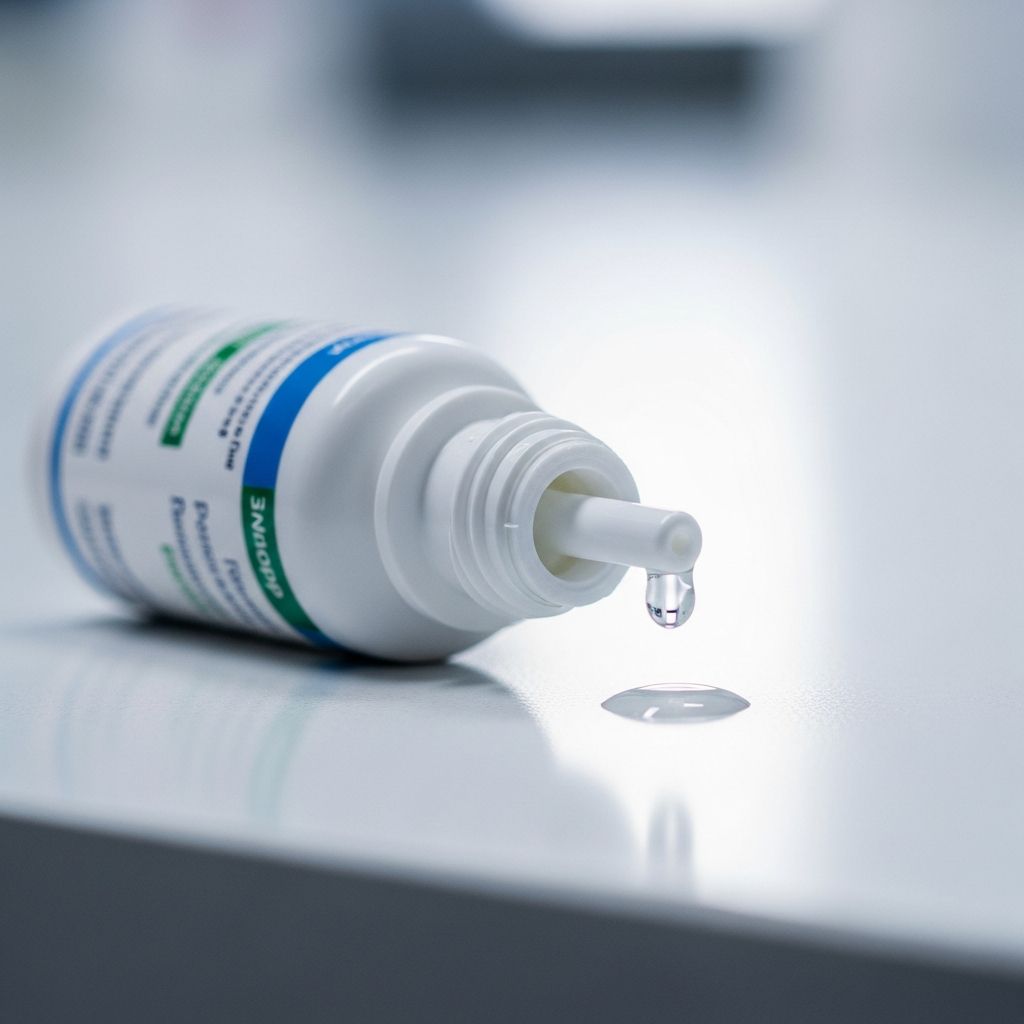
Otrivine-Antistin® eye drops provide rapid relief from eye itching and redness caused by allergies such as hay fever or house dust. Administer one drop into each affected eye two or three times daily, but limit use to no more than seven consecutive days to avoid rebound effects.
| Type of medicine | Anti-allergy eye drops |
|---|---|
| Used for | Relief of eye symptoms from allergies like hay fever |
| Also called | Otrivine-Antistin® |
| Available as | Eye drops |
About antazoline and xylometazoline eye drops
These eye drops combine two active ingredients to effectively combat allergic reactions in the eyes.
Antazoline
, an antihistamine, blocks histamine—a chemical released during allergic responses—reducing itchiness and irritation.Xylometazoline
, a sympathomimetic decongestant, constricts blood vessels in the eye’s conjunctiva, minimizing redness and swelling.Allergic conjunctivitis, the primary condition treated, occurs when allergens like pollen, dust mites, or pet dander trigger an immune response in the eyes. Symptoms include intense itching, watery eyes, redness, and puffiness. Otrivine-Antistin® is particularly suited for seasonal allergies (hay fever) or perennial allergies, offering dual-action relief that antihistamines alone may not provide.
The formulation typically contains 0.5% antazoline sulfate and 0.05% xylometazoline hydrochloride, with preservatives like benzalkonium chloride for stability. This combination makes it a go-to over-the-counter option for quick symptom management without systemic side effects common in oral antihistamines.
Clinical use shows these drops act rapidly, often within minutes, by targeting both the histamine-mediated itch and vascular congestion. Unlike single-agent drops, the synergy enhances efficacy for moderate symptoms, though they are not intended for infections or chronic conditions.
Before using antazoline and xylometazoline eye drops
Consult a healthcare professional before use, especially if you have certain conditions or use other medications. Key precautions include:
- Contraindications: Avoid if allergic to antazoline, xylometazoline, or excipients like benzalkonium chloride. Do not use in narrow-angle glaucoma, as vasoconstriction may increase intraocular pressure.
- Medical history: Inform your doctor of high blood pressure, hyperthyroidism, diabetes, cardiovascular disease, prostate issues (difficulty urinating), or pheochromocytoma, as xylometazoline may exacerbate these.
- Contact lenses: Remove soft lenses before application; preservatives can accumulate and cause irritation. Wait 15-30 minutes before reinserting, and only if advised by a doctor.
- Pregnancy and breastfeeding: Pregnancy category C; use only if benefits outweigh risks. Limited data on excretion in milk—consult a physician.
- Children and elderly: Not recommended under 12 years without medical advice. Elderly may use 1 drop 2-3 times daily but monitor for systemic absorption.
Drug interactions are minimal topically, but caution with MAOIs, tricyclic antidepressants, or other sympathomimetics due to potential hypertensive effects from xylometazoline.
How to use antazoline and xylometazoline eye drops
Follow these steps for safe and effective administration:
- Wash hands thoroughly to prevent contamination.
- Tilt head back, pull down lower eyelid to form a pocket.
- Gently squeeze bottle to instill 1-2 drops into the pocket without touching the eye or eyelids.
- Close eye for 1-2 minutes; press nasolacrimal duct (inner eye corner) to minimize drainage and systemic absorption.
- Repeat for other eye if needed. Wipe excess with clean tissue.
- Replace cap securely; do not reuse if tip is contaminated.
Related Stories



Dosage: Adults and children over 12—1-2 drops per eye, 2-3 times daily. Do not exceed recommended dose or duration.
Getting the most from your treatment
To optimize relief and safety:
- Read the patient information leaflet (PIL) for full details on excipients and side effects.
- Expect temporary blurred vision post-instillation; wait until clear before driving or operating machinery.
- Avoid touching dropper tip to any surface to prevent bacterial contamination.
- Space other eye drops 5-15 minutes apart to avoid dilution.
- Remove contact lenses during treatment; hard lenses may be permissible under advice.
- Monitor symptoms: Improvement expected within days. If no relief in 2-3 days or worsening, seek medical evaluation—may indicate infection needing antibiotics.
- Limit to 7 days maximum; prolonged use risks rebound congestion (tachyphylaxis) from xylometazoline.
Supportive measures include cold compresses, allergen avoidance (e.g., staying indoors during high pollen), and oral antihistamines for systemic relief if needed.
Can antazoline and xylometazoline eye drops cause problems?
Most users tolerate these drops well, but side effects occur in some. Common issues resolve quickly:
| Side Effect | Description | Management |
|---|---|---|
| Mild stinging/burning | Transient discomfort upon instillation | Usually fades in minutes; continue if tolerable |
| Blurred vision | Temporary due to drop spreading | Avoid driving until resolved |
| Eye redness (rebound) | After prolonged use | Discontinue and consult doctor |
Rare effects: Headache, drowsiness, mydriasis (dilated pupils), allergic reactions (rash, swelling), or systemic (palpitations, hypertension). Stop use and seek advice if severe.
Hypersensitivity to preservatives may mimic allergy; preservative-free alternatives exist for sensitive eyes.
Frequently Asked Questions (FAQs)
Can I use Otrivine-Antistin with contact lenses?
No, remove soft lenses before use due to benzalkonium chloride; wait 15-30 minutes before reinserting.
How long do the effects last?
Relief typically lasts 4-8 hours; reapply as directed, up to 3 times daily.
Are these drops safe for children?
For ages 12+ only; consult pediatrician for younger children.
What if symptoms persist?
See a doctor after 2 days; may need alternative treatment like antibiotics for infection.
Can I use them during pregnancy?
Category C—use only if necessary and under medical supervision.
References
- Antazoline and xylometazoline eye drops — Patient.info. 2023. https://patient.info/medicine/antazoline-and-xylometazoline-eye-drops-otrivine-antistin
- Antazoline and xylometazoline — Medtigo. 2024-01-15. https://medtigo.com/drug/antazoline-and-xylometazoline/
- Allergic Conjunctivitis: Causes, Symptoms, and Treatment — Patient.info. 2023. https://patient.info/eye-care/eye-problems/allergic-conjunctivitis
- Otrivine-Antistin Eye Drops PIL — Medicines.org.uk (EMC). 2022-05-12. https://www.medicines.org.uk/emc/files/pil.6294.pdf
- Otrivine-Antistin Product Information — Thea Pharmaceuticals. 2024. https://www.thea-pharmaceuticals.co.uk/products/otrivine-antistin
Similar Articles








Read full bio of medha deb