Anterior Pituitary: Function, Hormones & Health
Understanding your anterior pituitary: Six key hormones regulating your body's vital functions.
What Is the Anterior Pituitary?
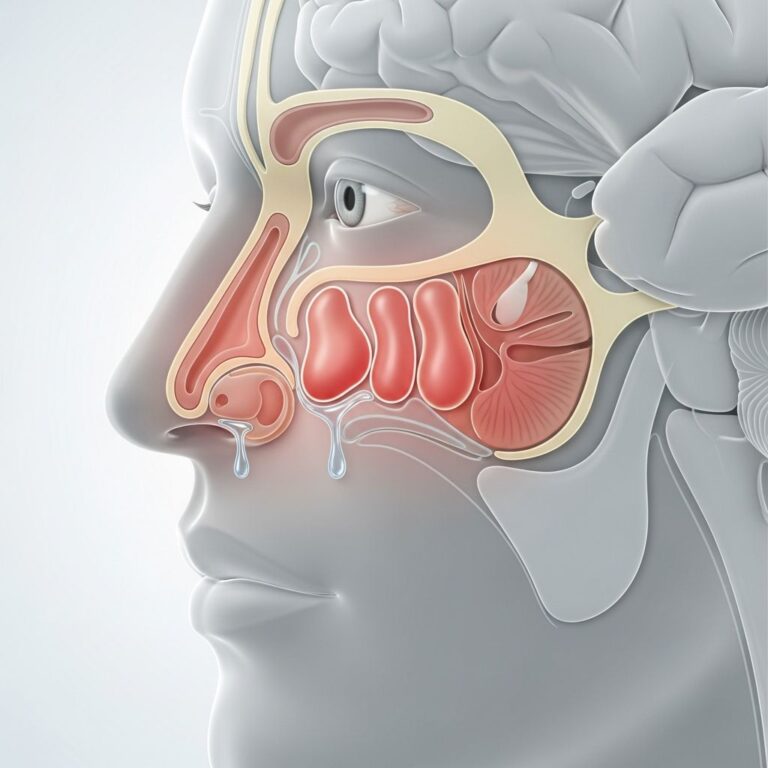
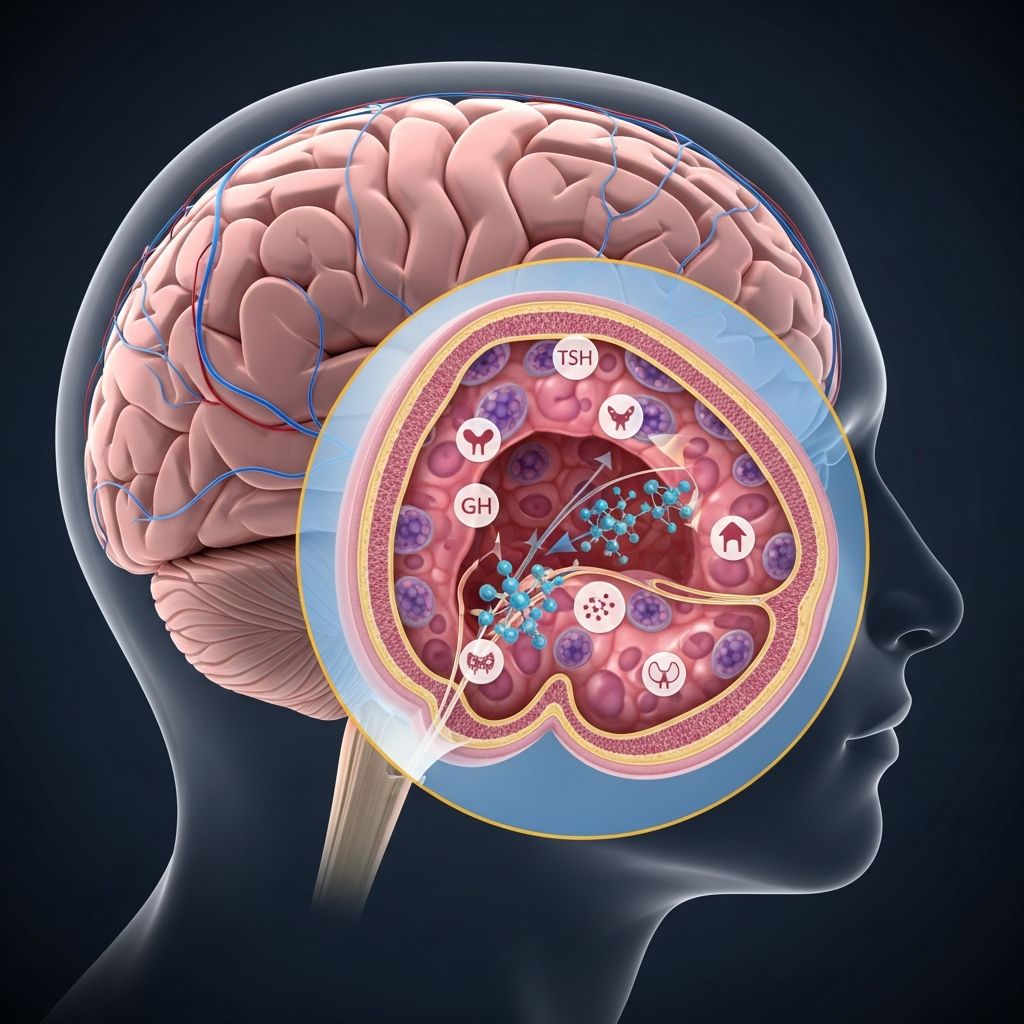
The anterior pituitary, also known as the adenohypophysis, is the front lobe of your pituitary gland, a small but extraordinarily important gland located at the base of your brain. Positioned below your hypothalamus and behind the bridge of your nose, this pea-sized structure sits within a small chamber called the sella turcica in the sphenoid bone. Despite its diminutive size, the anterior pituitary is a vital component of your endocrine system and acts as a master regulator of numerous bodily processes.
Your pituitary gland consists of two distinct lobes that work in harmony: the anterior (front) lobe and the posterior (back) lobe. The anterior pituitary is substantially larger, accounting for approximately 80% of your pituitary gland’s total weight. This gland serves as a conductor of an orchestra, directing several other glands and tissues throughout your body to ensure your hormones function in perfect harmony.
Anatomy and Location of the Anterior Pituitary
Understanding the anatomical position of the anterior pituitary is crucial for comprehending how it communicates with other parts of your body. The pituitary gland resides at the base of your brain, directly below your hypothalamus, a region of the brain that plays a central role in regulating hormonal and nervous system functions. The gland is connected to the hypothalamus through the pituitary stalk, a specialized structure containing blood vessels and nerves that allows constant communication between these two critical organs.
The anterior pituitary occupies the frontal portion of your pituitary gland and faces toward the front of your head, while the posterior pituitary occupies the back portion, facing the rear of your head. This intimate anatomical relationship between the anterior pituitary and hypothalamus enables the sophisticated feedback mechanisms that regulate your entire endocrine system. The gland is housed within the sella turcica, a bony pocket that provides protection while allowing sufficient space for its crucial endocrine functions.
The Six Hormones Produced by the Anterior Pituitary
The anterior pituitary produces and releases six distinct hormones that regulate various essential bodily processes. Each hormone has specific target organs and tissues, creating a cascading effect throughout your endocrine system:
Adrenocorticotropic Hormone (ACTH)
ACTH sends messages to stimulate the adrenal glands, triggering the release of cortisol and adrenaline. These hormones play crucial roles in regulating blood pressure, blood sugar levels, metabolism, and inflammation responses throughout your body.
Follicle-Stimulating Hormone (FSH)
FSH regulates reproductive processes in both males and females, controlling the development of eggs in ovaries and sperm in testes.
Growth Hormone (GH)
Also called somatotropin, growth hormone stimulates growth, cell reproduction, and cell regeneration throughout your body, with significant effects during childhood and adolescence.
Luteinizing Hormone (LH)
LH works in conjunction with FSH to regulate reproductive functions and hormone production in the reproductive organs.
Related Stories



Thyroid-Stimulating Hormone (TSH)
TSH stimulates your thyroid gland to produce thyroid hormones, which regulate metabolism, energy levels, and temperature control.
Prolactin (PRL)
Prolactin stimulates milk production in nursing mothers and plays a role in reproductive function and immune system regulation.
How the Anterior Pituitary Regulates Hormone Production
The anterior pituitary operates through a sophisticated communication system with your hypothalamus, establishing what’s known as the hypothalamic-pituitary axis. Your hypothalamus constantly monitors your body’s needs and regulates the anterior pituitary by secreting releasing hormones, including somatostatin and dopamine. These releasing hormones travel through blood vessels in the pituitary stalk and either stimulate or inhibit the creation and release of anterior pituitary hormones.
This is a dynamic, two-way communication system. The hypothalamus and anterior pituitary engage in constant dialogue, with feedback loops ensuring that hormone levels remain balanced. When hormone levels from target glands become too high, negative feedback signals instruct the anterior pituitary to reduce hormone production. Conversely, when levels are too low, stimulatory signals increase production. This elegant regulatory system maintains hormonal homeostasis essential for your survival and optimal health.
Target Organs and Tissues Affected by Anterior Pituitary Hormones
Once released into your bloodstream, anterior pituitary hormones interact with and affect numerous organs, glands, and tissues throughout your body. The hormone effects include:
- Adrenal glands, which respond to ACTH by releasing cortisol and adrenaline
- Reproductive organs (ovaries and testes), which respond to FSH and LH
- Thyroid gland, which responds to TSH by producing thyroid hormones
- Bones and muscles, which respond to growth hormone by increasing in size and strength
- Mammary glands, which respond to prolactin by producing milk
- Metabolism throughout the body, which is regulated by multiple anterior pituitary hormones
Common Anterior Pituitary Disorders and Conditions
Because your anterior pituitary produces so many different hormones controlling numerous bodily functions, disorders affecting this gland can lead to various health conditions. These disorders generally fall into two main categories: hypopituitarism (underactive pituitary gland) and hyperpituitarism (overactive pituitary gland).
Hypopituitarism
Hypopituitarism occurs when your anterior pituitary doesn’t produce enough hormones. This can result in deficiency of one or more anterior pituitary hormones, leading to decreased function of target glands and tissues.
Hyperpituitarism
Hyperpituitarism occurs when your anterior pituitary produces too many hormones, leading to excessive hormone levels and hyperactivity of target glands.
Acromegaly
Acromegaly develops when your pituitary gland produces excessive growth hormone, often due to a benign tumor. Symptoms include changes in facial shape, deepening voice, excessive sweating, growth of hands, feet, lips, nose and tongue, headaches, joint pain, numbness in hands, carpal tunnel syndrome, oily skin, sleep apnea, and potential spinal cord problems.
Pituitary Adenomas
Pituitary adenomas are benign tumors on your pituitary gland. While noncancerous, they can interfere with normal pituitary function and cause significant health consequences depending on their size and hormone-secreting activity.
Causes of Anterior Pituitary Disorders
Anterior pituitary dysfunction can develop due to various causes. These include pituitary tumors or adenomas, damage to the pituitary stalk, head injuries or trauma, radiation exposure, surgical complications, blood loss or ischemia, infections, genetic conditions, or infiltrative diseases. Some individuals may experience symptoms gradually over time, while others develop acute symptoms following specific events like head trauma or surgery.
Diagnosis of Anterior Pituitary Disorders
If you’re experiencing symptoms related to anterior pituitary issues, your healthcare provider may recommend tests to check one or more of your anterior pituitary hormone levels. These diagnostic procedures typically include:
- Blood tests measuring specific hormone levels
- Dynamic hormone stimulation or suppression tests
- Imaging studies such as MRI to visualize the pituitary gland and detect tumors or abnormalities
- Visual field testing if pituitary enlargement is affecting nerve function
If your test results come back abnormal, your provider may suggest undergoing an imaging test such as MRI to examine your pituitary gland more closely and identify any structural abnormalities or tumors.
Treatment Options for Anterior Pituitary Disorders
Treatment for anterior pituitary disorders depends on the specific condition and its underlying cause. Options may include medication therapy to replace deficient hormones or suppress excessive hormone production, surgical intervention to remove tumors or cysts, or radiation therapy in certain cases. When patients require surgery to remove a cyst or tumor from their pituitary gland, endocrinologists and neurologists typically work together to coordinate comprehensive care. Patients may receive medication before or after surgery to optimize their hormonal balance and recovery.
When to Seek Medical Attention
You should consult a healthcare provider if you experience symptoms that might indicate anterior pituitary dysfunction, such as unusual changes in growth patterns, reproductive problems, excessive fatigue, unexplained weight changes, vision problems, persistent headaches, or abnormal hair loss. Hormonal conditions can be complicated to diagnose and treat, so seeking expertise from endocrinologists and other specialists is important for optimal care.
Frequently Asked Questions
Q: What is the difference between the anterior and posterior pituitary?
A: The anterior pituitary creates and releases its own hormones in response to signals from the hypothalamus, while the posterior pituitary stores and releases hormones that are manufactured in the hypothalamus. The anterior pituitary is also significantly larger, comprising about 80% of the total pituitary gland weight.
Q: How does the hypothalamus control the anterior pituitary?
A: The hypothalamus controls the anterior pituitary by secreting releasing hormones through blood vessels in the pituitary stalk. These releasing hormones either stimulate or inhibit the creation and release of anterior pituitary hormones, maintaining a constant feedback system.
Q: Can anterior pituitary disorders be cured?
A: Treatment depends on the underlying cause. Some conditions can be managed successfully with medication, while others may require surgery or radiation therapy. Your healthcare provider can determine the best treatment approach based on your specific diagnosis.
Q: What are the signs of pituitary insufficiency?
A: Signs may include fatigue, weight changes, sexual dysfunction, hair loss, vision problems, or growth abnormalities depending on which hormones are deficient. Specific symptoms depend on which anterior pituitary hormones are affected.
Q: How is a pituitary tumor diagnosed?
A: Diagnosis typically involves blood tests to measure hormone levels followed by imaging studies such as MRI to visualize the pituitary gland and detect tumors or abnormalities.
References
- Anterior Pituitary (Adenohypophysis): What It Is & Function — Cleveland Clinic. 2024-09-03. https://my.clevelandclinic.org/health/body/22214-anterior-pituitary
- Anterior Pituitary: What to Know — WebMD. https://www.webmd.com/brain/anterior-pituitary-what-to-know
- Pituitary Gland — Defeating Epilepsy Foundation, Johns Hopkins Medicine. 2021. https://www.defeatingepilepsy.org/brain-anatomy-series/pituitary-gland/
- Pituitary Gland: What It Is, Function & Anatomy — Cleveland Clinic. https://my.clevelandclinic.org/health/body/21459-pituitary-gland
- Pituitary Adenomas: Definition, Symptoms & Treatment — Cleveland Clinic. https://my.clevelandclinic.org/health/diseases/15328-pituitary-adenomas
- Evaluation and Management of Pituitary Incidentalomas — Cleveland Clinic Journal of Medicine. 2006. https://www.ccjm.org/content/ccjom/75/11/793.full.pdf
Similar Articles








Read full bio of medha deb