Anteverted Uterus: Understanding Forward-Tilted Uterine Position
Learn about anteverted uterus positioning, its prevalence, and why it's a normal variation with no health concerns.
Understanding Anteverted Uterus: What You Need to Know
Your uterus is a unique organ, and the way it positions itself within your pelvis varies from person to person. If you’ve been told by your healthcare provider that you have an anteverted uterus, you might wonder what this means for your health, fertility, and pregnancy. The good news is that an anteverted uterus is a completely normal anatomical variation that requires no treatment or concern. Understanding this positioning can help you make informed decisions about your reproductive health and put any worries to rest.
What Is an Anteverted Uterus?
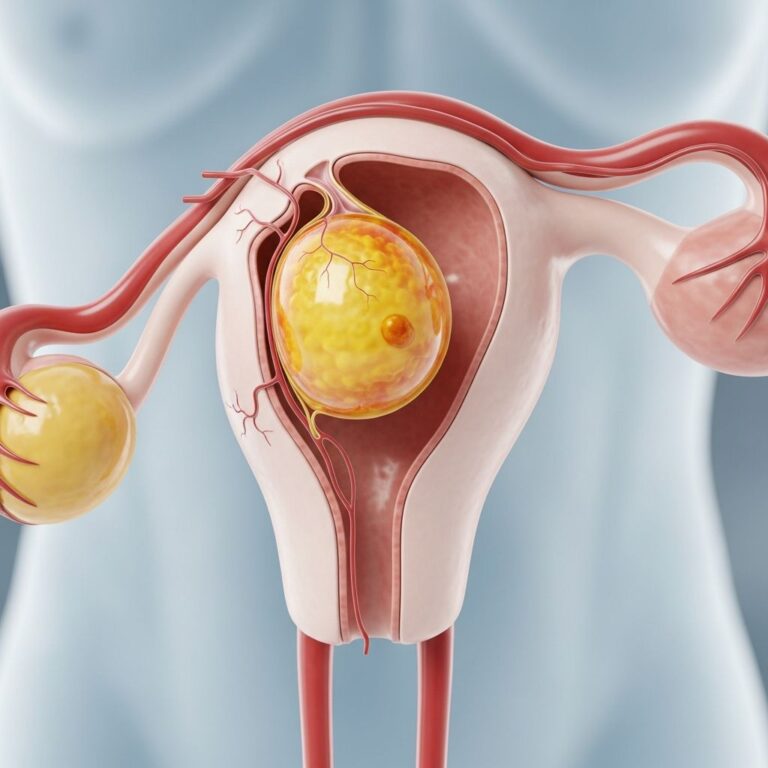
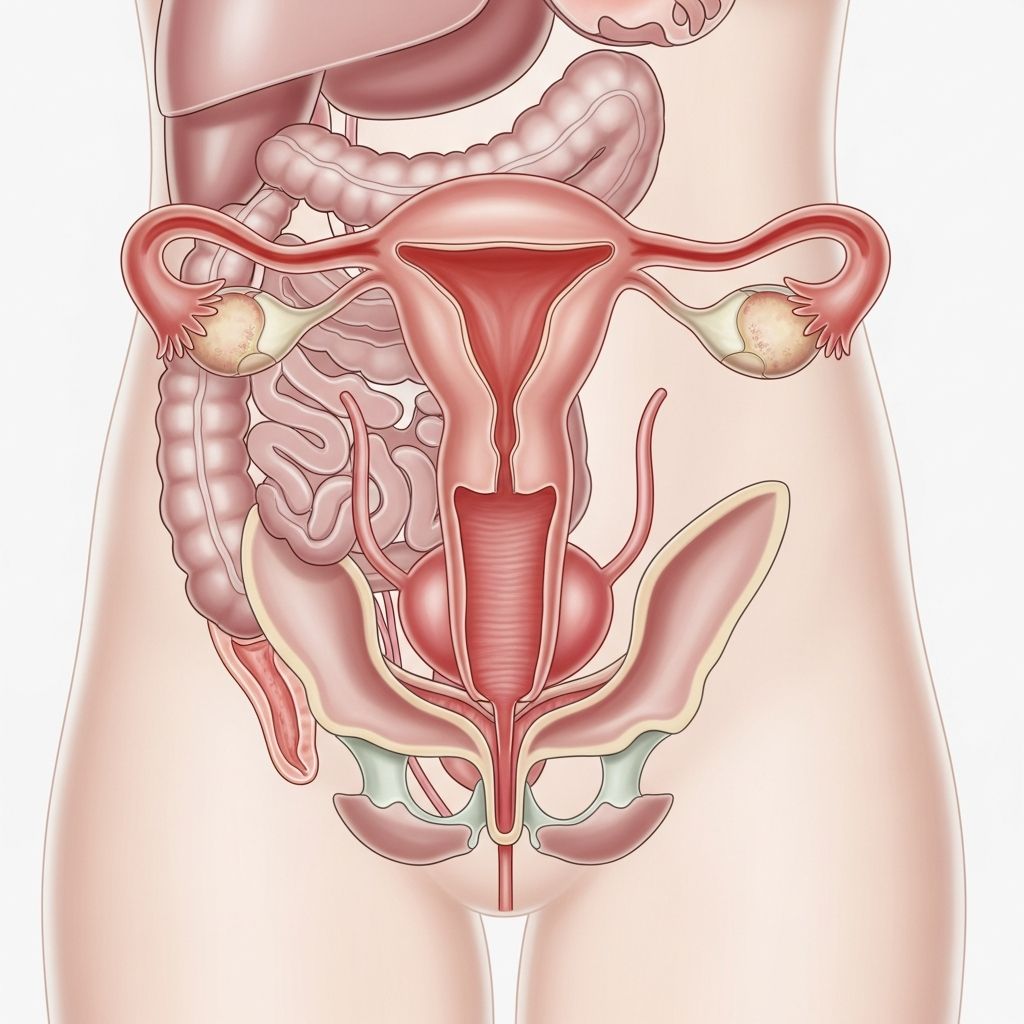
An anteverted uterus is a medical term that describes a specific positioning of your reproductive organ within the pelvis. When your uterus is anteverted, it tilts forward toward your bladder and abdomen, with the top part of the organ aimed toward your pubic bone. This forward-tilting position means your uterus sits slightly above and just behind your bladder. Think of it as your uterus naturally leaning forward rather than backward or remaining perfectly upright. This positioning is the most typical orientation for the uterus and represents how the majority of people’s reproductive systems are naturally arranged.
It’s important to recognize that uterine positioning is highly individualized. The way your uterus sits inside your pelvis is unique to you, and you may never know the exact positioning of your uterus unless your healthcare provider specifically informs you during a gynecological examination or imaging study. The uterus doesn’t have a one-size-fits-all location; rather, it exists along a spectrum of positions that are all considered completely normal.
How Common Is an Anteverted Uterus?
If you have an anteverted uterus, you’re in the majority. Approximately 70% to 75% of women have an anteverted uterus, making it the most common uterine position. Most people are born with the uterus in this anteverted position, though in some cases, the uterus can develop this positioning later in life. The remaining 25% to 30% of women have either a retroverted uterus (tilted backward toward the spine) or a uterus that maintains a neutral, midline position without tilting significantly in either direction.
This high prevalence underscores an important point: having an anteverted uterus is not unusual, abnormal, or a sign of any underlying medical condition. Rather, it’s the typical and expected positioning for reproductive-aged women and demonstrates the natural variation in human anatomy.
Is an Anteverted Uterus a Problem?
The short answer is no. An anteverted uterus does not represent a problem, abnormality, or medical condition that requires treatment or intervention. Fortunately, this position doesn’t affect fertility or pregnancy outcomes, and it’s not considered a pathological condition. Instead, anteverted simply describes how the uterus is positioned—it’s the typical position of the uterus and a normal anatomical variant.
Women often worry unnecessarily about their uterine positioning when they learn about it, but medical professionals consistently reassure patients that this is simply a description of anatomy, not a diagnosis of disease. Your uterine positioning is neither good nor bad; it’s simply one variation among several normal options.
Symptoms Associated With an Anteverted Uterus
For the vast majority of women with an anteverted uterus, there are no symptoms whatsoever. Most people with this positioning experience completely normal menstrual cycles, sexual function, and pelvic comfort without any issues related to their uterine position. You can go through your entire life with an anteverted uterus and never experience any discomfort or complications directly related to this positioning.
Related Stories



In rare cases where symptoms do occur, they would typically manifest as mild pressure above the pubic area. This would likely only happen if the forward tilt is more pronounced than usual—a condition called an anteflexed uterus, which represents a more severe forward flexion and can put pressure on the bladder or abdomen. Additionally, in uncommon situations, an anteverted uterus might be associated with symptoms such as painful intercourse, difficulty using certain types of birth control or period products, or difficulty completely emptying the bladder.
It’s crucial to understand that if you are experiencing pelvic pain, pressure, or other concerning symptoms, these are not necessarily related to your uterine positioning. Such symptoms may indicate other conditions that require evaluation by your healthcare provider.
How Is an Anteverted Uterus Diagnosed?
In many cases, you may not even know your uterus is anteverted unless a healthcare provider specifically tells you during an examination or imaging study. Several methods can detect and confirm uterine positioning:
Physical Examination
A physical pelvic examination performed by your healthcare provider can often detect whether your uterus is anteverted. During this examination, your doctor uses manual palpation to assess the position and orientation of your uterus within your pelvis.
Pelvic Ultrasound
To confirm the positioning and get precise measurements of the uterine angle, a pelvic ultrasound is typically used. Ultrasound is non-invasive and uses sound waves to create detailed images of your reproductive organs. Not only can ultrasound show the angle of the uterus and confirm its anteverted positioning, but it can also detect other potential issues such as fibroid tumors, ovarian cysts, inflammation, or infection. This imaging study provides comprehensive information about your pelvic anatomy and helps your healthcare provider ensure there are no other concerns.
Anteverted Uterus and Fertility
One of the most common concerns women have when learning about their uterine positioning is whether it affects their ability to conceive. The answer is reassuring: an anteverted uterus does not affect fertility. Having a forward-tilted uterus does not reduce your chances of becoming pregnant, does not impact your ability to conceive naturally, and does not typically require any fertility interventions because of the uterine positioning.
If you’re experiencing infertility, your uterine position is not the cause. Instead, your healthcare provider would investigate other factors such as ovulation, tube patency, sperm health, and other reproductive factors. An anteverted uterus is simply a normal anatomical variation that has no bearing on your fertility potential.
Anteverted Uterus During Pregnancy
An anteverted uterus during pregnancy is associated with excellent outcomes and no increased risks. In fact, the anteverted position is the default position for carrying a baby and is considered ideal for pregnancy. This positioning allows the uterus to expand forward into the abdomen as the pregnancy progresses, accommodating the growing fetus without complications.
It’s interesting to note that women with a retroverted uterus typically experience a natural transition during pregnancy. Usually around the second trimester, a retroverted uterus spontaneously shifts into the anteverted position, aligning with the body’s natural adaptation for pregnancy. For some women, the uterus remains anteverted after delivery, while in others it may revert back to its original retroverted position postpartum.
An anteverted uterus will not affect your baby’s development, increase any health risks during pregnancy, or pose problems during labor and delivery. You can expect a normal pregnancy course and can plan for vaginal delivery without concerns related to your uterine positioning.
Does an Anteverted Uterus Require Treatment?
Having an anteverted uterus is a normal condition and requires no treatment whatsoever. There are no medications, procedures, or interventions needed to manage an anteverted uterus because it’s not a condition that needs managing—it’s simply a normal anatomical variation.
If you have other uterine positions, such as a retroverted or anteflexed uterus, and it’s causing significant issues in terms of pain and discomfort, you may need surgery to correct the issue. However, even in those cases, treatment is only considered if the positioning is symptomatic and significantly impacting quality of life. It’s entirely possible to have these types of tilts in the uterus and not be bothered by them, similar to how most women with an anteverted uterus experience no symptoms.
When Should You Contact Your Healthcare Provider?
While an anteverted uterus itself requires no medical attention, you should contact your healthcare provider if you experience any of the following:
- Significant pelvic pain or pressure that interferes with daily activities
- Severe menstrual cramping or abnormal bleeding patterns
- Pain during sexual intercourse that causes concern
- Difficulty with bladder or bowel function
- Any other gynecological symptoms that worry you
It’s important to remember that if you are having difficulties such as pelvic pain or pressure, these are likely to signal a deeper issue than an unusually angled uterus. Your healthcare provider can help investigate the underlying cause of your symptoms and recommend appropriate treatment if needed.
The Outlook With an Anteverted Uterus
An anteverted uterus is the most common position for the uterus, and there are no health risks that come with having it. Unless your uterus tilts so severely that it ends up causing discomfort and pressure—which would be a separate condition requiring evaluation—you needn’t be concerned with how it’s positioned.
The vast majority of women with an anteverted uterus can expect to live their entire lives without any complications or concerns related to their uterine positioning. You can pursue pregnancy, experience normal menstrual cycles, enjoy healthy sexual function, and maintain excellent reproductive health with an anteverted uterus.
Frequently Asked Questions (FAQs)
Q: Is an anteverted uterus rare?
A: No, an anteverted uterus is not rare. It is the most common variant of uterus positions and is found in approximately 70% to 75% of women, making it the typical positioning for the majority of the population.
Q: Can you give birth naturally with an anteverted uterus?
A: Yes, you can absolutely give birth naturally with an anteverted uterus. This is a normal position of the uterus and poses no risk for pregnancy, labor, or delivery. Vaginal delivery is entirely possible and carries no increased complications due to uterine positioning.
Q: Does an anteverted uterus affect fertility?
A: No, an anteverted uterus does not affect fertility. It does not reduce your chances of becoming pregnant or require any fertility interventions. If you’re experiencing infertility, your uterine position is not the cause.
Q: What’s the difference between an anteverted and retroverted uterus?
A: An anteverted uterus tilts forward toward the bladder and abdomen, while a retroverted uterus tilts backward toward the spine. Anteverted is the more common position, found in 70-75% of women, and both are considered normal anatomical variations.
Q: Do I need treatment for an anteverted uterus?
A: No, an anteverted uterus does not require any treatment because it is a normal anatomical variation, not a medical condition. Unless you’re experiencing symptoms unrelated to the positioning, no intervention is needed.
Q: Can uterine positioning change over time?
A: Yes, uterine positioning can change due to pregnancy, pelvic surgery, scarring from endometriosis, or other factors. However, these changes are typically natural adaptations and don’t require treatment unless they cause symptoms.
References
- Anteverted Uterus — Cleveland Clinic. 2024. https://my.clevelandclinic.org/health/diseases/22569-anteverted-uterus
- Anteverted Uterus: What Is It, Causes, Fertility, and More — HealthCentral. 2024. https://www.healthcentral.com/womens-health/anteverted-uterus
- What Is the Normal Uterus Position? Anteverted or Retroverted — MedicineNet. 2024. https://www.medicinenet.com/what_is_the_normal_uterus_position/article.htm
- Uterus: Anatomy, Function, Size, Position & Conditions — Cleveland Clinic. 2024. https://my.clevelandclinic.org/health/body/22467-uterus
- Retroverted (Tilted) Uterus: Causes, Symptoms & Fertility — Cleveland Clinic. 2024. https://my.clevelandclinic.org/health/diseases/23426-retroverted-uterus
Similar Articles








Read full bio of medha deb