Anthrax: Symptoms, Diagnosis, Treatment, And Prevention
Serious bacterial infection caused by Bacillus anthracis, primarily affecting skin but potentially life-threatening if untreated.

Anthrax is a serious bacterial infection caused by the spore-forming bacterium Bacillus anthracis. It primarily affects the skin (cutaneous anthrax in 95% of cases) but can involve inhalation, gastrointestinal tract, or injection sites, leading to systemic disease with high mortality if untreated—up to 20% for cutaneous and over 90% for inhalational forms without prompt antibiotics.
What is anthrax?
Anthrax, also known as wool sorter’s disease, splenic fever, charbon, or milzbrand, is a zoonotic disease primarily infecting herbivores like sheep and cattle. Humans acquire it through contact with infected animals, their hides, wool, meat, or soil contaminated with enduring spores that survive decades in dry environments.
The bacterium exists in vegetative (active) and spore forms. Spores are highly resistant, persisting over 20 years in soil or pasture, enabling environmental transmission. Human cases are rare in developed nations but occur sporadically among farmers, butchers, veterinarians, gardeners, and workers handling animal products in Africa, the Middle East, and the Caribbean. B. anthracis produces toxins causing edema, hemorrhage, necrosis, and systemic collapse, mediating much of the disease’s severity.
Who gets anthrax?
At-risk groups include:
- Livestock handlers (farmers, herders, veterinarians).
- Slaughterhouse workers and butchers processing infected carcasses.
- Workers in wool, hair, bristle, or tanning industries.
- Gardeners or others exposed to contaminated soil.
- Individuals in bioterrorism scenarios via aerosolized spores.
Globally, cutaneous anthrax predominates (>95%), often on exposed areas like hands, arms, face, and neck. Injection anthrax has emerged in drug users injecting contaminated heroin. Human-to-human transmission is exceedingly rare, limited to contact with draining cutaneous lesions.
What causes anthrax?
Bacillus anthracis is a gram-positive, rod-shaped, aerobic bacterium forming spores under harsh conditions. Spores enter via:
- Cutaneous: Skin abrasions from handling contaminated materials (95% cases).
- Inhalational: Aerosolized spores (wool sorter’s disease).
- Gastrointestinal: Ingesting undercooked infected meat.
- Injection: Contaminated drugs.
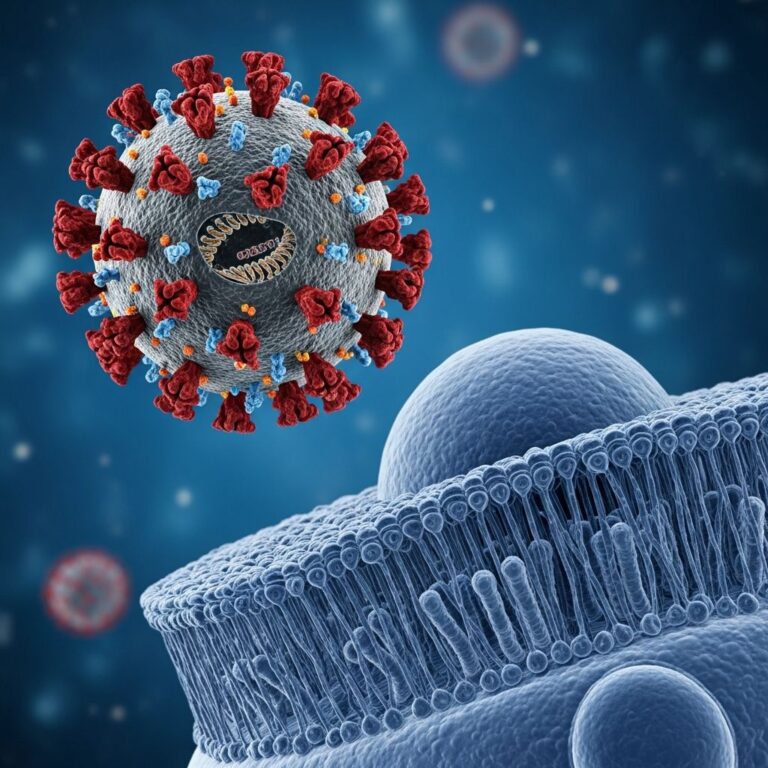
Once inside, spores germinate, multiply, and release toxins (protective antigen, lethal factor, edema factor) disrupting immunity and causing tissue damage.
What are the clinical features of anthrax?
Cutaneous anthrax
The most common form (95%), incubation 1–12 days (typically 1–7). Starts as pruritic papule or vesicle at exposure site, evolving over 2–6 days to a painless ulcer with surrounding edema, then a depressed black eschar (1–15 cm). Regional lymphadenopathy, low fever, malaise may occur. Lesion often on upper limbs, head/neck.
- Mild cases: Heal in 3 weeks without scarring if treated early.
- Severe: Edema spreads; lymphangitis (red streak to nodes); systemic spread risks prostration, shock, death.
Mortality <1% treated, 20% untreated; higher if head/neck, large/bullous, multiple lesions, or systemic signs.
Inhalational anthrax
Incubation 1–43 days. Initial flu-like: fever, cough, fatigue, myalgia. Progresses to respiratory distress, mediastinal widening, hemorrhagic meningitis, sepsis. Mortality 45–90% even treated.
Related Stories



Gastrointestinal anthrax
From contaminated meat: abdominal pain, bloody diarrhea, vomiting, sepsis. Mortality 25–60%.
Injection anthrax
Seen in heroin users: severe soft tissue infection with edema, necrosis.
Systemic/meningeal anthrax
Any form can disseminate to bloodstream or meninges, causing fever, headache, delirium, coma.
Diagnosis of anthrax
Often clinical, based on history (animal contact) and characteristic eschar. Confirm via:
- Culture: Swab eschar edge or fluid; blood/CSF in systemic cases. Gram-positive rods, non-motile, non-hemolytic.
- PCR: Detects B. anthracis DNA.
- Serology: Antibody detection (post-exposure).
- Histopathology: Biopsy shows gram-positive bacilli, necrosis; PAS-positive bacilli.
- mNGS: Metagenomic next-generation sequencing for rapid pathogen ID, useful when cultures fail due to prior antibiotics.
Differential: staphylococcal/streptococcal cellulitis, spider bites, tularemia, plague, cowpox, orf, cat-scratch disease, cutaneous diphtheria.
Treatment of anthrax
Prompt antibiotics curative; delay risks dissemination. Use ciprofloxacin, doxycycline, or penicillin (if susceptible). IV for severe/systemic.
| Form | Preferred Treatment | Duration |
|---|---|---|
| Cutaneous (mild) | Oral ciprofloxacin 500mg BD or doxycycline 100mg BD | 7–10 days (60 days post-exposure prophylaxis) |
| Severe/Cutaneous systemic | IV ciprofloxacin + clindamycin + antitoxin (raxibacumab/obiltoxaximab) | IV 14 days, then oral to 60 days total |
| Inhalational/GI | IV multi-drug: cipro/meropenem + clindamycin/linezolid + antitoxin + steroids if meningitis | IV until stable, total 60 days |
Monoclonal antibodies (raxibacumab) for inhalational in combo therapy. Supportive: fluids, wound care. Isolation if draining lesions. Case example: Butcher with eschar treated IV penicillin 2.4g BID; resolved in 2 weeks.
Prevention of anthrax
- Vaccination: Anthrax vaccine adsorbed (AVA/BioThrax) for high-risk occupations/military; 3-dose series + boosters.
- Prophylaxis: Post-exposure: oral cipro/doxy/penicillin x60 days + vaccine.
- Hygiene: Gloves, protective clothing handling animals/products; vaccinate livestock; proper carcass disposal; cook meat thoroughly.
- Decontamination: Spores killed by autoclaving, bleach, formaldehyde; survive heat/drying.
Biothreat considerations
As category A bioterror agent, inhalational anthrax from mailed spores (2001 USA) caused 5 deaths despite treatment. Mass prophylaxis, vaccination key.
Frequently Asked Questions
What is the incubation period for cutaneous anthrax?
Typically 1–7 days, up to 12 days.
Is anthrax contagious person-to-person?
Exceedingly rare; only via direct contact with cutaneous drainage.
How long do anthrax spores survive?
Over 20–50 years in soil/pasture.
Can anthrax be treated at home?
No; seek immediate medical care for antibiotics.
Who should get the anthrax vaccine?
High-risk workers, military, lab personnel.
References
- Anthrax – DermNet — DermNet NZ. 2023. https://dermnetnz.org/topics/anthrax
- Pediatric Anthrax Clinical Management — Pediatrics (PMC). 2015-06-01. https://pmc.ncbi.nlm.nih.gov/articles/PMC4479255/
- Case report: Cutaneous anthrax diagnosed using mNGS — Frontiers in Cellular and Infection Microbiology. 2024. https://www.frontiersin.org/journals/cellular-and-infection-microbiology/articles/10.3389/fcimb.2024.1329235/full
Similar Articles








Read full bio of medha deb