Anti-Androgen Therapy: Guide For Women With Acne And Hirsutism
Hormonal treatments for women to manage acne, hirsutism, and androgen excess skin conditions effectively.
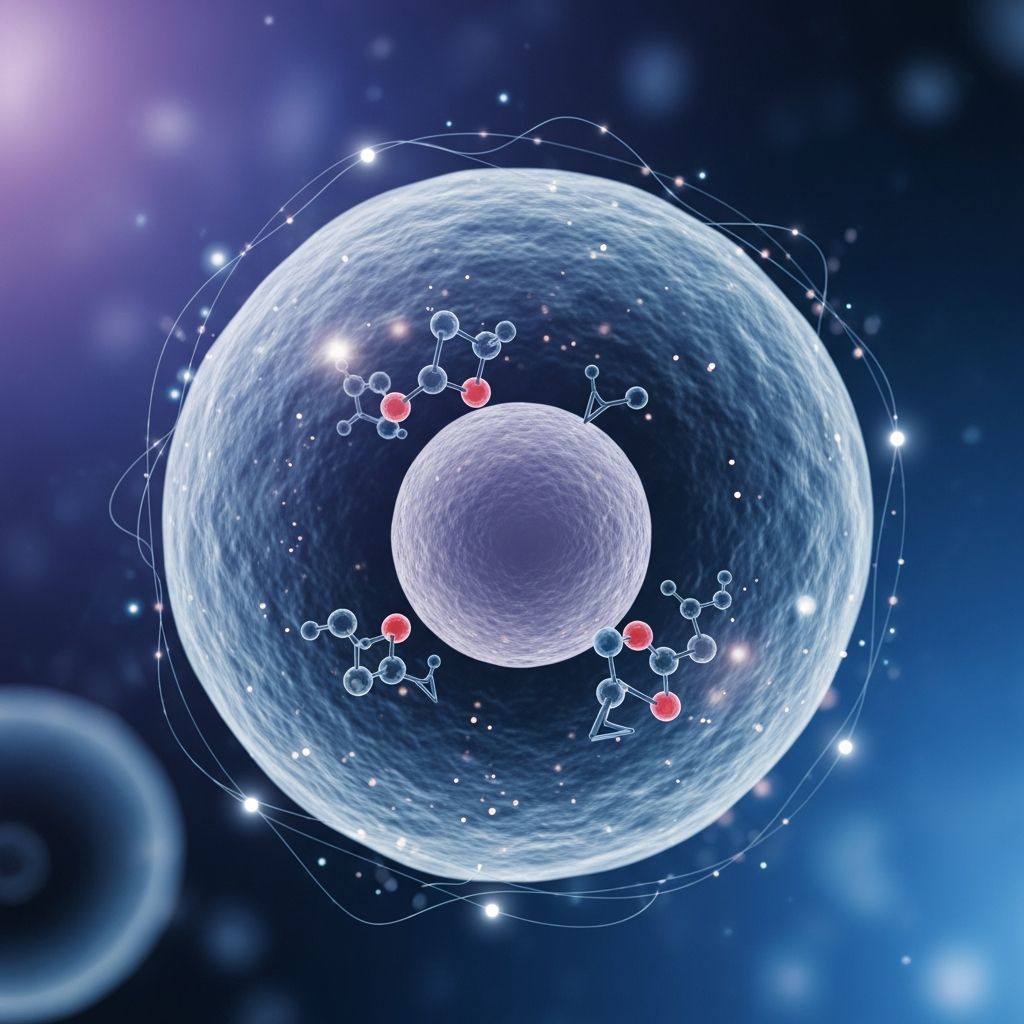
Hormonal treatment for acne and hirsutism
What is anti-androgen therapy?
Anti-androgen therapy involves medications prescribed primarily for women to block the effects of male sex hormones, such as
testosterone
, on the skin and hair follicles. These treatments target conditions driven by hyperandrogenism, where excess androgens lead to increased sebum production, inflammation, and unwanted hair growth. Unlike treatments for men, anti-androgens are not suitable for male skin problems due to risks of feminization and other systemic effects.In women, elevated androgen levels can stem from ovaries, adrenal glands, or peripheral conversion in the skin. Anti-androgens work at multiple levels: blocking androgen receptors, inhibiting synthesis, or reducing production from source organs. This therapy is particularly valuable for refractory acne, hirsutism, and female pattern hair loss when standard treatments fail.
Who is anti-androgen therapy for?
Anti-androgen medications treat signs of hyperandrogenism manifesting as skin and hair disorders in women. Key indications include:
- Acne vulgaris: Especially moderate to severe, treatment-resistant cases linked to oily skin and hormonal fluctuations.
- Hirsutism: Excessive male-pattern hair growth on the face, chest, back, or abdomen.
- Androgenic alopecia: Female pattern hair loss with thinning on the crown and frontal scalp.
- Seborrhoea: Excessive oily scalp and skin.
- Acrochordon: Skin tags often associated with insulin resistance and androgen excess.
Patients typically have confirmed hyperandrogenism via blood tests showing elevated testosterone, free androgen index, or DHEAS. It is ideal for premenopausal women, often combined with contraception.
How does anti-androgen therapy work?
Anti-androgens exert effects through several mechanisms:
- Androgen receptor blockade: Prevents testosterone and dihydrotestosterone (DHT) from binding to receptors in sebaceous glands and hair follicles, reducing sebum and hair growth.
- Inhibition of androgen synthesis: Targets enzymes like 5-alpha reductase, which converts testosterone to potent DHT.
- Reduction in ovarian/adrenal production: Suppresses gonadotropins or directly lowers androgen output.
- Increase in SHBG: Sex hormone-binding globulin binds free testosterone, lowering its bioavailability.
Androgen receptor blockers like spironolactone and cyproterone act directly on the sebaceous gland and hair follicle base.
Drugs used in anti-androgen therapy
Several classes of medications are employed:
Androgen receptor blockers
- Spironolactone: Potassium-sparing diuretic with strong anti-androgenic effects.
- Cyproterone acetate: Potent receptor blocker, often in low-dose with ethinylestradiol.
- Flutamide: Non-steroidal blocker, used off-label due to hepatotoxicity risks.
5-alpha reductase inhibitors
- Finasteride: Reduces DHT but less effective for acne/sebum.
- Dutasteride: More potent inhibitor.
- Zinc, azelaic acid, saw palmetto: Mild natural options.
Glucocorticosteroids
Low-dose prednisone (2.5 mg morning, 5 mg night) reduces adrenal androgens, normalizing DHEAS in congenital adrenal hyperplasia.
Ovarian suppression
- GnRH analogues (e.g., leuprolide): Suppress pituitary-ovarian axis.
- Combined oral contraceptives (COCs): Ethinylestradiol with anti-androgenic progestins like cyproterone, drospirenone, or desogestrel.
Related Stories



Other agents
- Prolactin reducers: Bromocriptine, cabergoline for hyperprolactinemia.
- Antimicrobials with anti-androgen effects: Lymecycline, roxithromycin (ketoconazole discontinued in some regions).
Anti-androgen therapy for acne
In acne, anti-androgens reduce:
- Sebum production by 30-50%.
- Inflammatory lesions.
- Comedone formation.
They complement topical retinoids, benzoyl peroxide, and oral antibiotics. Improvements may take 3-6 months.
| Drug | Dose for Acne | Onset of Effect |
|---|---|---|
| Spironolactone | 50-200 mg/day | 3-6 months |
| Cyproterone acetate/EE | 2 mg/35 mcg daily | 3-12 months |
| Drospirenone/EE | 3 mg/20 mcg daily | 6 months |
Anti-androgen therapy for hirsutism
For hirsutism, results include:
- 20-40% hair reduction after 6-12 months.
- Slower regrowth.
- Finer, lighter hairs.
Combine with physical removal methods like laser or electrolysis for optimal results, as they enhance efficacy post-medication.
Combined oral contraceptives
COCs with ethinylestradiol (20-35 mcg) and anti-androgenic progestins (cyproterone, drospirenone, chlormadinone) are first-line. They:
- Suppress ovarian/adrenal androgens.
- Increase SHBG, binding 50-70% of testosterone.
- Reduce receptor-level effects.
Advantages:
- Contraception.
- Regulates cycles.
- Improves skin/hair long-term (up to years).
Side effects (first weeks): Nausea, breast tenderness, mood changes, spotting. Rare risks: VTE (higher with cyproterone), especially smokers over 35.
Spironolactone
Dosed 25-200 mg nightly, titrated slowly. Cyclical use (days 5-21) minimizes irregularities. Effective for 70-80% of patients; banned in sports without exemption.
Side effects
- Common: Menstrual irregularities, breast tenderness, hyperkalemia.
- Rare: Fatigue, headache, alopecia (dose-dependent).
Cyproterone acetate
Higher doses (25-100 mg/day) for severe cases, combined with COCs premenopause. Effective in 70% for hirsutism.
Side effects
- Menstrual changes, weight gain, fatigue.
- Rare: Liver dysfunction, meningioma risk with prolonged high-dose use.
Other treatments
Clascoterone: Topical 1% cream (Winlevi®) for acne, blocks receptors locally with minimal systemic absorption. Approved for ages 12+; promising for hair loss.
Flutamide: 125-250 mg/day; monitor LFTs.
Postmenopausal women may use monotherapy without contraception.
Clinical results and duration
Benefits accrue over 6-12 months; maintenance often required lifelong for genetic conditions like PCOS. Skin improvements persist with continued use.
Frequently Asked Questions (FAQs)
Q: Who cannot take anti-androgens?
A: Pregnant/breastfeeding women, those planning pregnancy, renal impairment (spironolactone), liver disease (cyproterone), or athletes without exemption.
Q: How long until results?
A: 3-6 months for acne/seborrhea; 6-12 months for hirsutism/hair loss.
Q: Can men use them?
A: Not recommended due to gynecomastia, impotence risks.
Q: Is contraception required?
A: Yes for premenopausal women; teratogenic risks.
Q: What monitoring is needed?
A: Baseline hormones, potassium (spironolactone), LFTs (cyproterone), BP.
Conclusion
Anti-androgen therapy transforms management of hyperandrogenism in women, offering targeted relief when combined judiciously. Consult dermatologists for personalized regimens.
References
- Anti-androgen therapy — DermNet NZ (Author: A Oakley). 2023-10-15. https://dermnetnz.org/topics/anti-androgen-therapy
- Antiandrogen therapy for the treatment of female pattern hair loss — PubMed (PMID: 40345536). 2024-01-01. https://pubmed.ncbi.nlm.nih.gov/40345536/
- Antiandrogen therapy – NCI Dictionary of Cancer Terms — National Cancer Institute (.gov). 2025-01-01. https://www.cancer.gov/publications/dictionaries/cancer-terms/def/antiandrogen-therapy
- Clascoterone: Uses, Side-Effects and More — DermNet NZ. 2022-01-01. https://dermnetnz.org/topics/clascoterone
- Acne management — DermNet NZ. 2024-01-01. https://dermnetnz.org/topics/acne-treatment
Similar Articles








Read full bio of medha deb