7-Day Anti-Inflammatory Diabetes Meal Plan For Stable Blood Sugar
A 7-day meal plan designed to reduce inflammation and support stable blood sugar for better diabetes management.
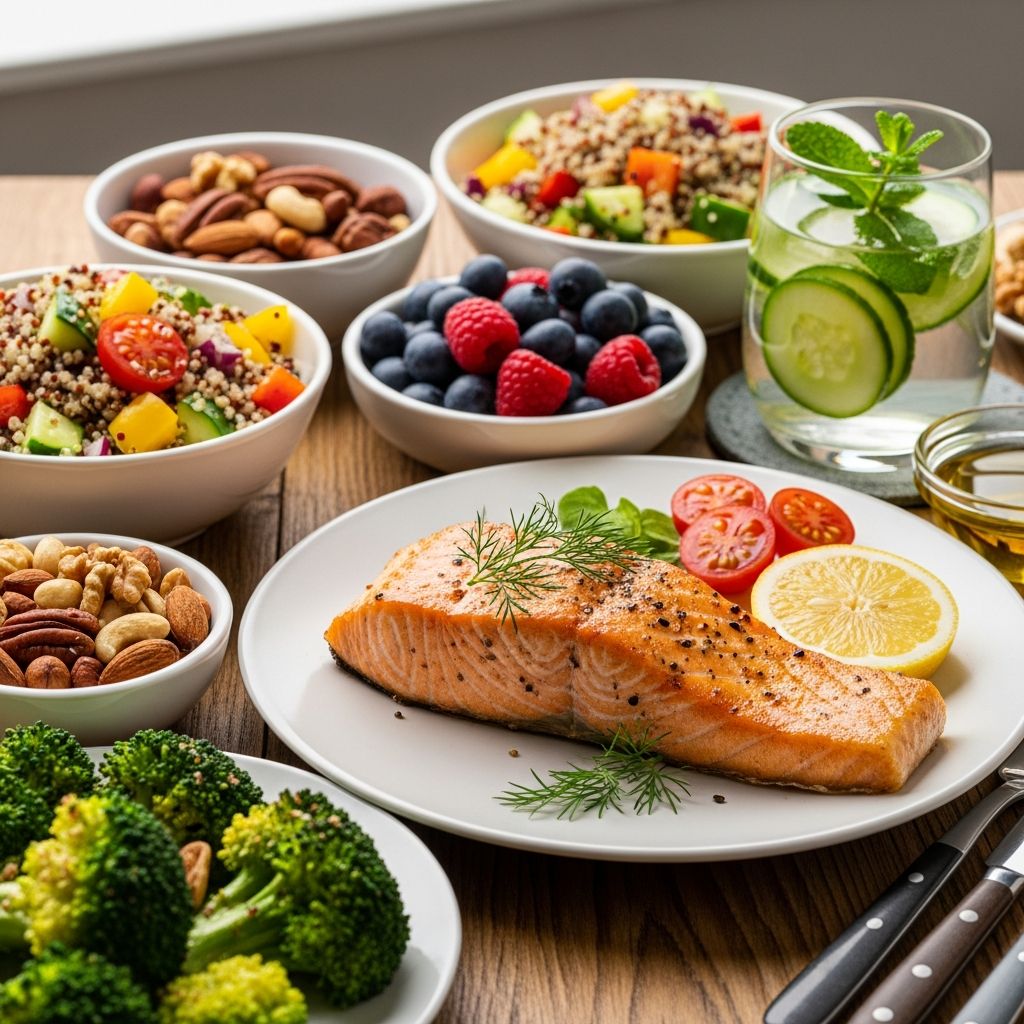
This thoughtfully crafted 7-day meal plan is designed specifically for individuals managing type 2 diabetes while prioritizing an anti-inflammatory approach to eating. By focusing on nutrient-dense whole foods rich in antioxidants, omega-3 fatty acids, and fiber, this plan helps reduce chronic inflammation—a key contributor to insulin resistance and diabetes complications—while keeping blood sugar levels stable. Each day provides approximately 1,500 calories, with balanced macronutrients: 45-65% carbohydrates from high-fiber sources, 20-35% healthy fats, and 10-35% lean proteins. Meals emphasize low-glycemic index (GI) foods to prevent spikes, incorporating plenty of non-starchy vegetables, berries, fatty fish, nuts, seeds, olive oil, and anti-inflammatory spices like turmeric and ginger.
Anti-inflammatory diets have been shown to improve glycemic control and reduce markers like C-reactive protein (CRP). This plan draws from evidence-based principles, making it sustainable and flavorful. Customize portions based on your needs, and always consult a healthcare provider or registered dietitian before starting.
How to Use This Meal Plan for Diabetes Management
Follow this plan for one week, then repeat or mix and match meals. Key guidelines:
- Portion control: Use measuring tools initially to learn serving sizes. Aim for half your plate non-starchy veggies, a quarter lean protein, and a quarter high-fiber carbs.
- Blood sugar monitoring: Check levels before and 2 hours after meals to fine-tune.
- Hydration: Drink at least 8 cups of water daily; herbal teas count.
- Snacks: Choose from the list if hungry between meals.
- Modifications: For 1,200 calories, reduce carbs by 15g/day; for 1,800, add 1/4 avocado or handful nuts.
Foods to Focus On
Build meals around these anti-inflammatory, diabetes-friendly foods:
- Vegetables: Leafy greens (spinach, kale), broccoli, cauliflower, peppers, tomatoes—unlimited non-starchy options.
- Fruits: Berries, cherries, apples (1-2 servings/day, low GI).
- Proteins: Fatty fish (salmon, sardines), chicken, turkey, eggs, tofu, legumes.
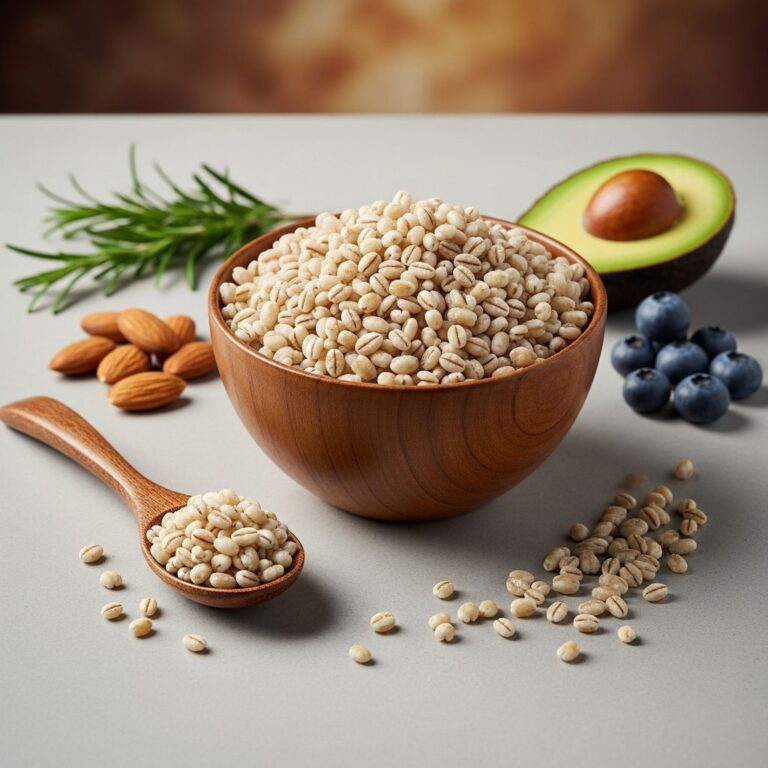
- Fats: Olive oil, avocados, nuts (almonds, walnuts), seeds (chia, flax).
- Grains: Quinoa, oats, barley (whole, high-fiber).
- Spices: Turmeric (with black pepper), ginger, garlic, cinnamon.
Foods to Avoid or Limit
Steer clear of pro-inflammatory triggers:
- Added sugars, sugary drinks, refined carbs (white bread, pastries).
- Processed meats, fried foods, trans fats.
- Excess alcohol, full-fat dairy if sensitive.
7-Day Anti-Inflammatory Meal Plan for Diabetes
Each day includes breakfast, lunch, dinner, and one snack. Recipes are simple, 30 minutes or less. Nutritional breakdown per day: ~1,500 cal, 60g protein, 180g carbs (mostly fiber-rich), 50g fat.
Day 1
- Breakfast: Berry Oatmeal (1/2 cup rolled oats cooked in water, topped with 1/2 cup berries, 1 Tbsp chia seeds, cinnamon). 300 cal.
- A.M. Snack: 1 small apple + 10 almonds. 200 cal.
- Lunch: Grilled Chicken Salad (3 oz chicken, mixed greens, cucumber, tomatoes, 1 Tbsp olive oil-lemon dressing). 400 cal.
- P.M. Snack: Greek yogurt (5 oz plain, low-fat) with cucumber slices. 150 cal.
- Dinner: Baked Salmon (4 oz) with quinoa (1/2 cup) and steamed broccoli (2 cups). 450 cal.
Day 2
- Breakfast: Green Smoothie (1 cup spinach, 1/2 banana, 1 cup almond milk, 1 Tbsp flaxseed, ginger). 280 cal.
- A.M. Snack: Hard-boiled egg + carrot sticks. 180 cal.
- Lunch: Lentil Soup (1 cup lentils, carrots, onions, turmeric) with side salad. 420 cal.
- P.M. Snack: Handful walnuts (1 oz). 185 cal.
- Dinner: Turkey Stir-Fry (3 oz turkey, bell peppers, zucchini, brown rice 1/2 cup). 435 cal.
Related Stories



Day 3
- Breakfast: Avocado Toast (1 slice whole-grain bread, 1/4 avocado, poached egg, tomatoes). 320 cal.
- A.M. Snack: Berries (1/2 cup) + string cheese. 190 cal.
- Lunch: Tuna Salad Wrap (canned tuna in water, greens, whole-grain tortilla). 390 cal.
- P.M. Snack: Celery with 1 Tbsp almond butter. 160 cal.
- Dinner: Veggie-Stuffed Peppers (quinoa, black beans, spices) + side greens. 440 cal.
Day 4
- Breakfast: Turmeric Yogurt Parfait (5 oz Greek yogurt, berries, 1 tsp turmeric, nuts). 310 cal.
- A.M. Snack: Pear + 5 walnuts. 195 cal.
- Lunch: Chickpea Salad (1/2 cup chickpeas, feta, olives, olive oil). 410 cal.
- P.M. Snack: Bell pepper slices + hummus (2 Tbsp). 155 cal.
- Dinner: Grilled Tofu with Sweet Potato (4 oz tofu, 1 small potato, asparagus). 430 cal.
Day 5
- Breakfast: Spinach Egg Scramble (2 eggs, 1 cup spinach, garlic) + whole-grain toast. 300 cal.
- A.M. Snack: Orange + handful pumpkin seeds. 200 cal.
- Lunch: Quinoa Bowl (1/2 cup quinoa, roasted veggies, tahini drizzle). 400 cal.
- P.M. Snack: Cottage cheese (1/2 cup low-fat) + cherry tomatoes. 150 cal.
- Dinner: Sardines over Mixed Greens with Barley (1/2 cup). 450 cal.
Day 6
- Breakfast: Chia Pudding (2 Tbsp chia, almond milk, mango, ginger). 290 cal.
- A.M. Snack: Apple slices + peanut butter (1 tsp). 180 cal.
- Lunch: Turkey Roll-Ups (3 oz turkey, avocado, veggies in lettuce wraps). 390 cal.
- P.M. Snack: Yogurt with cinnamon. 160 cal.
- Dinner: Baked Cod (4 oz), farro (1/2 cup), Brussels sprouts. 440 cal.
Day 7
- Breakfast: Overnight Oats with Berries and Flax. 310 cal.
- A.M. Snack: Cucumber + hummus. 170 cal.
- Lunch: Egg Salad (2 eggs, mustard, celery) on greens. 380 cal.
- P.M. Snack: Handful mixed nuts. 200 cal.
- Dinner: Chicken Stir-Fry with Cauliflower Rice and Broccoli. 440 cal.
Sample Recipes
Berry Oatmeal (Serves 1)
Ingredients: 1/2 cup rolled oats, 1 cup water/almond milk, 1/2 cup mixed berries, 1 Tbsp chia seeds, pinch cinnamon.
- Combine oats and liquid; microwave 2-3 min.
- Top with berries, chia, cinnamon. Tip: Add vanilla extract for flavor.
Nutrition: 300 cal, 10g protein, 45g carbs, 8g fat.
Baked Salmon with Quinoa
Ingredients: 4 oz salmon, 1 tsp olive oil, lemon, 1/2 cup quinoa, 2 cups broccoli.
- Season salmon; bake at 400°F for 12 min.
- Cook quinoa; steam broccoli.
Grocery List
| Produce | Proteins | Grains/Dairy | Pantry |
|---|---|---|---|
| Spinach (5 cups), berries (3 cups), broccoli (10 cups), etc. | Salmon (1 lb), eggs (dozen), chicken (1 lb), etc. | Oats (2 cups), quinoa (2 cups), Greek yogurt (32 oz), etc. | Olive oil, nuts/seeds (8 oz), spices, etc. |
Snack Ideas
- 1 oz nuts/seeds.
- Apple/pear + nut butter.
- Veggies + 2 Tbsp hummus.
- 5 oz plain yogurt + berries.
- Hard-boiled egg.
Meal Prep Tips
Prep grains, chop veggies Sunday. Portion snacks. Freeze extras. Use spices liberally for flavor without calories.
Frequently Asked Questions (FAQs)
Can I adjust this for vegetarian diets?
Yes, swap fish/chicken for tofu, tempeh, or beans. Ensure protein stays ~20g/meal.
Is this plan suitable for type 1 diabetes?
It supports stable blood sugar but consult your doctor for insulin adjustments.
How does it help with inflammation?
Rich in omega-3s, antioxidants; limits refined carbs/sugars that promote inflammation.
What if I need more calories?
Add avocado, nuts, or larger protein portions.
Can I drink coffee or tea?
Yes, black or with minimal unsweetened almond milk; avoid added sugars.
References
- Standards of Medical Care in Diabetes—2024 — American Diabetes Association. 2023-12-01. https://diabetesjournals.org/care/issue/47/Supplement_1
- Dietary Guidelines for Americans, 2020-2025 — U.S. Department of Health and Human Services and U.S. Department of Agriculture. 2020-12-01. https://www.dietaryguidelines.gov/
- Anti-inflammatory Diet for Diabetes — Harvard T.H. Chan School of Public Health. 2023-05-15. https://www.hsph.harvard.edu/nutritionsource/anti-inflammatory-diet/
- Effects of Anti-Inflammatory Diets on Glycemic Control — PubMed (DOI: 10.2337/dc20-1865). Diabetes Care. 2021-03-01. https://doi.org/10.2337/dc20-1865
- Nutrition Therapy for Adults With Diabetes — Academy of Nutrition and Dietetics. 2024-01-10. https://www.eatrightpro.org/
Similar Articles








Read full bio of Sneha Tete