Anti-Inflammatory Diet: 30-Day Meal Plan & 7 Daily Habits
Discover foods, meal plans, and recipes to reduce inflammation and boost your health naturally.
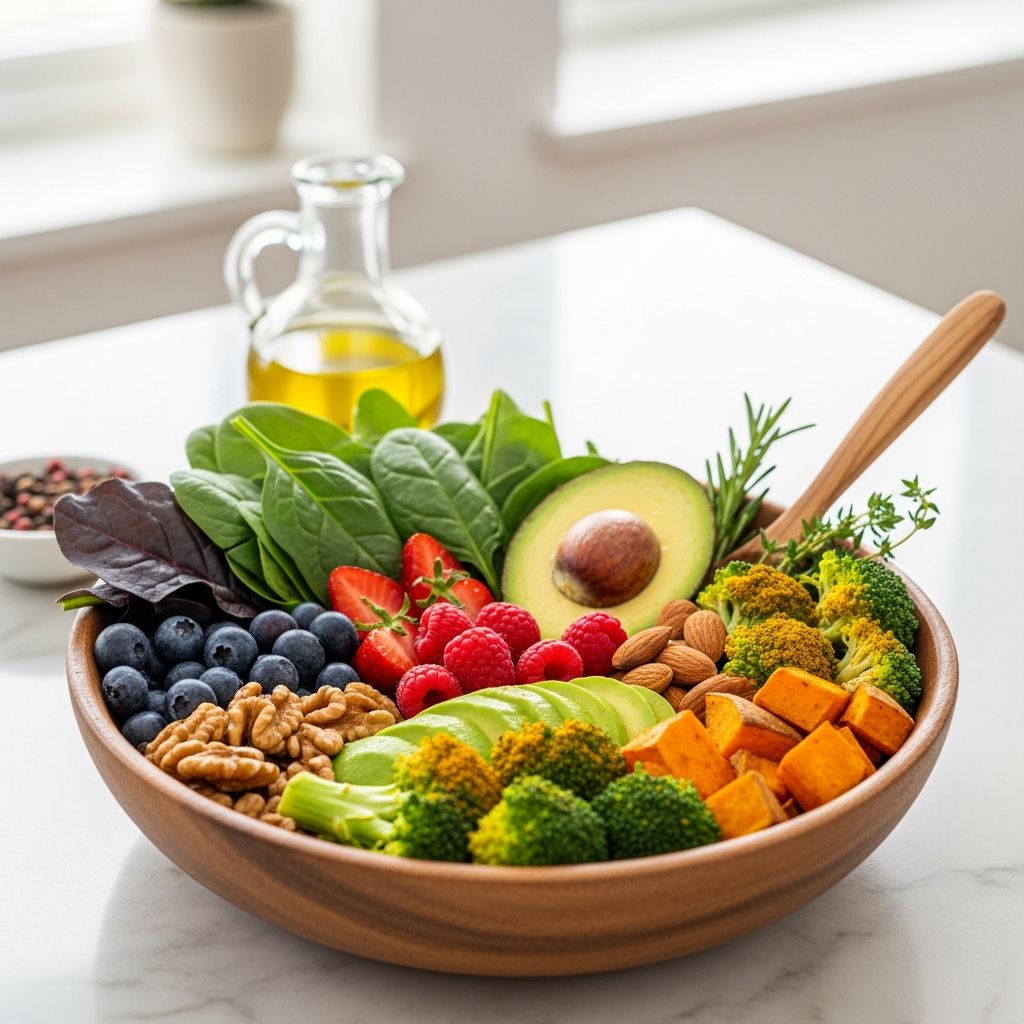
The anti-inflammatory diet emphasizes whole, nutrient-dense foods to combat chronic inflammation linked to diseases like heart disease, diabetes, and arthritis. By prioritizing plant-based foods rich in antioxidants, omega-3s, and fiber, this eating pattern supports overall health and vitality.
What Is an Anti-Inflammatory Diet?
An anti-inflammatory diet is primarily plant-based, focusing on foods in their natural form to maximize nutrients and minimize processed ingredients. It limits added sugars, refined carbs, and pro-inflammatory cooking methods like deep-frying. Core principles include filling half your plate with non-starchy vegetables, one-quarter with whole grains or starchy veggies, and one-quarter with lean proteins.
Key benefits include reduced inflammation markers, improved gut health, better weight management, and lower risk of chronic conditions. Unlike fad diets, it’s sustainable and flexible for long-term adherence.
Foods to Eat on an Anti-Inflammatory Diet
Incorporate these inflammation-fighting staples daily:
- Vegetables: Dark leafy greens (spinach, kale), cruciferous veggies (broccoli, Brussels sprouts, cauliflower), bell peppers, tomatoes.
- Fruits: Berries (blueberries, raspberries, blackberries), oranges, kiwi, pineapple, papaya, avocado.
- Whole Grains: Oatmeal, quinoa, brown rice, whole-grain bread, wheat pasta.
- Healthy Fats: Extra virgin olive oil, avocados, nuts (walnuts, almonds), seeds (chia, flax, hemp).
- Proteins: Beans, lentils, fatty fish (salmon), lean poultry, tofu, tempeh.
- Herbs & Spices: Turmeric, ginger, garlic, rosemary, cinnamon.
- Beverages: Green tea, herbal teas, coffee, water.
Foods to Avoid or Limit
Steer clear of pro-inflammatory items:
- Processed foods (chips, sodas, fast food).
- Added sugars and refined carbs (white bread, sugary cereals).
- Trans fats and excessive saturated fats (fried foods, margarine).
- High-fat red meats and processed meats.
The Plate Method for Balanced Meals
Use a 9-inch plate to visualize portions:
| Section | Fill With | Examples |
|---|---|---|
| Half Plate | Non-starchy vegetables | Spinach salad, broccoli, cauliflower (5+ servings/day) |
| One-Quarter | Whole grains or starchy veggies | Quinoa, sweet potato, avoid white rice/bread |
| One-Quarter | Lean protein | Chicken, beans, fish, tofu |
7 Daily Habits for an Anti-Inflammatory Lifestyle
- Eat 5+ servings of colorful vegetables and fruits daily.
- Choose whole grains over refined.
- Add herbs/spices (turmeric, ginger) to every meal.
- Include omega-3 sources like walnuts and flaxseeds.
- Use extra virgin olive oil for cooking (low heat).
- Drink tea (green, rooibos) and water; limit alcohol.
- Aim for daily movement and stress reduction.
30-Day Anti-Inflammatory Meal Plan
This customizable plan targets 1,200–2,000 calories/day, emphasizing fiber-rich foods like greens, whole grains, nuts, and healthy fats. Adjust portions as needed. Sample days highlight variety and balance.
Day 1 Sample Menu
- Breakfast: Oatmeal with pear, walnuts, yogurt.
- A.M. Snack: Raspberries with yogurt.
- Lunch: Veggie-packed salad.
- P.M. Snack: Dried walnuts.
- Dinner: Grilled chicken with quinoa and greens.
Daily Totals (1,480 cal): 57g protein, 183g carbs, 45g fiber, 65g fat, 1,181mg sodium.
To Make 1,200 cal: Omit fruits/snacks. To Make 2,000 cal: Add almonds, avocado toast.
Day 9: Sweet Potato, Kale & Chicken Salad
Featured meal: 1 serving Sweet Potato, Kale & Chicken Salad with Peanut Dressing (1,488 cal total).
Other Highlighted Days
- Day 2: 1,477 cal, 65g protein, 38g fiber.
- Day 10: 1,503 cal, includes orange and almonds.
- Day 15: 1,483 cal, 78g protein, 35g fiber.
- Day 20: 1,481 cal, 40g fiber focus.
- Day 25: 1,490 cal, high protein (95g).
Common adjustments: Swap snacks to plums, oranges, blueberries, or cucumbers for calorie control.
Anti-Inflammatory Recipes
Try these simple, delicious recipes:
Everything Bagel Avocado Toast
Top whole-grain toast with avocado, everything bagel seasoning, and a poached egg. Add to any meal for healthy fats.
Related Stories



Sweet Potato, Kale & Chicken Salad with Peanut Dressing
Mix roasted sweet potatoes, kale, chicken, and a nutty peanut dressing. Rich in vitamins and antioxidants.
Meal Makeover Examples
| Before (Pro-Inflammatory) | After (Anti-Inflammatory) |
|---|---|
| Orange juice, sugary oatmeal, burger & chips | Oats with flax, berries, yogurt; spinach salad with olive oil; roast beef on sprouted bread |
| Chili with fatty beef, soda | Lean chili with beans, veggies, green tea |
Nutrient Spotlights
Target these anti-inflammatory compounds:
- Vitamin C: Bell peppers, broccoli, strawberries.
- Vitamin E: Almonds, sunflower seeds, avocado.
- Omega-3s: Walnuts, chia seeds, salmon.
- Isoflavones: Tofu, edamame.
- Catechins: Green tea.
Frequently Asked Questions (FAQs)
What foods reduce inflammation fastest?
Dark leafy greens, berries, turmeric, ginger, and omega-3-rich foods like salmon show quick benefits.
Can I eat meat on this diet?
Yes, choose lean options like skinless chicken or turkey; limit red meat.
How many calories in the 30-day plan?
Around 1,400–1,500 base; adjustable to 1,200 or 2,000 with swaps.
Is coffee anti-inflammatory?
Yes, in moderation, especially black.
What about mushrooms?
Cooked varieties like shiitake and maitake are excellent anti-inflammatory choices.
Getting Started Tips
Start small: Swap one meal daily, stock your kitchen with staples, and track how you feel after a week. Combine with exercise for optimal results. This diet isn’t just for symptom relief—it’s a lifelong approach to vibrant health.
References
- 30-Day Anti-Inflammatory Meal Plan — EatingWell. 2024. https://www.scribd.com/document/800191773/30-Day-Anti-Inflammatory-Meal-Plan-EatingWell
- Anti-Inflammatory Diet — The Ohio State University Wexner Medical Center. 2023. https://healthsystem.osumc.edu/pteduc/docs/Anti-Inflammatory.pdf
Similar Articles








Read full bio of Sneha Tete