Anti-Inflammatory Diet: Reduce Inflammation Through Food
Master the anti-inflammatory diet to combat chronic inflammation and improve your health naturally.
Understanding the Anti-Inflammatory Diet
An anti-inflammatory diet is an eating approach focused on consuming foods that naturally reduce inflammation in your body while avoiding foods that may trigger or worsen inflammatory responses. For individuals dealing with chronic inflammatory conditions, this dietary pattern may help ease symptoms and support long-term health. While an anti-inflammatory diet is generally considered safe for most people, consulting with your healthcare provider or a registered dietitian can help you determine the most appropriate approach for your specific health needs and conditions.
What Is Inflammation and Why Does It Matter?
Inflammation is a natural immune response that helps your body fight infection and heal injuries. However, chronic inflammation—when this response persists over time—can contribute to numerous health conditions including heart disease, diabetes, arthritis, and certain cancers. By adopting an anti-inflammatory eating pattern, you can help your body maintain a healthier inflammatory balance and potentially reduce your risk of developing inflammation-related diseases.
Key Principles of an Anti-Inflammatory Diet
A successful anti-inflammatory diet centers on whole, minimally processed foods while limiting those that may promote inflammation. Here are the fundamental principles to guide your dietary choices:
Consume Adequate Fiber
Aim to include at least 25 grams of fiber in your daily diet. Fiber-rich foods help reduce inflammation by providing naturally occurring anti-inflammatory compounds. Research has demonstrated an inverse relationship between fiber intake and systemic inflammation biomarkers—meaning the more fiber you consume, the greater the potential anti-inflammatory benefit. Whole grains, fruits, and vegetables are excellent sources of dietary fiber.
Prioritize Fruits and Vegetables
Work toward consuming at least seven servings of vegetables and two servings of fruit daily. One serving equals approximately half a cup of cooked vegetables or fruit, or one cup of raw leafy greens. Colorful fruits and vegetables contain natural antioxidants and polyphenols—plant compounds that protect against inflammation. Vitamin K-rich leafy greens like spinach and kale, berries, and yellow and orange fruits and vegetables offer particularly powerful anti-inflammatory properties.
Include Omega-3 Fatty Acids
Incorporate foods high in omega-3 fatty acids into your regular meal planning. Fatty fish such as salmon, tuna, and sardines are packed with these beneficial compounds. For vegetarian and vegan options, consider flax meal and walnuts. Research shows omega-3 fatty acids reduce inflammation and may lower your risk of chronic diseases including heart disease, cancer, and arthritis. Studies also suggest that omega-3s can reduce the need for corticosteroid medications in people with rheumatoid arthritis.
Choose Unsaturated Fats
Swap saturated fats for unsaturated varieties found mainly in vegetables, nuts, and seeds. These healthy fats have fewer hydrogen atoms bonded to their carbon chains compared to saturated fats. Research in The American Journal of Clinical Nutrition found that people who consumed more nuts weekly had lower inflammatory biomarkers.
Incorporate Herbs and Spices
Many culinary herbs and spices offer powerful anti-inflammatory properties. Turmeric, ginger, cinnamon, cloves, chili peppers, rosemary, sage, and thyme are excellent choices. Turmeric’s active ingredient, curcumin, has been shown to significantly improve inflammatory conditions like ulcerative colitis and rheumatoid arthritis. Capsaicin in chili peppers has also been found to intercept inflammatory pathways in the body.
Related Stories



Limit Saturated Fats
Keep saturated fat to approximately 10% of your daily fat intake. Found primarily in animal products and tropical oils like palm and coconut oil, excessive saturated fat can create inflammation in fat tissue and contribute to heart disease. Choose lean protein sources such as poultry and fish to reduce your saturated fat consumption.
Top Anti-Inflammatory Foods to Eat
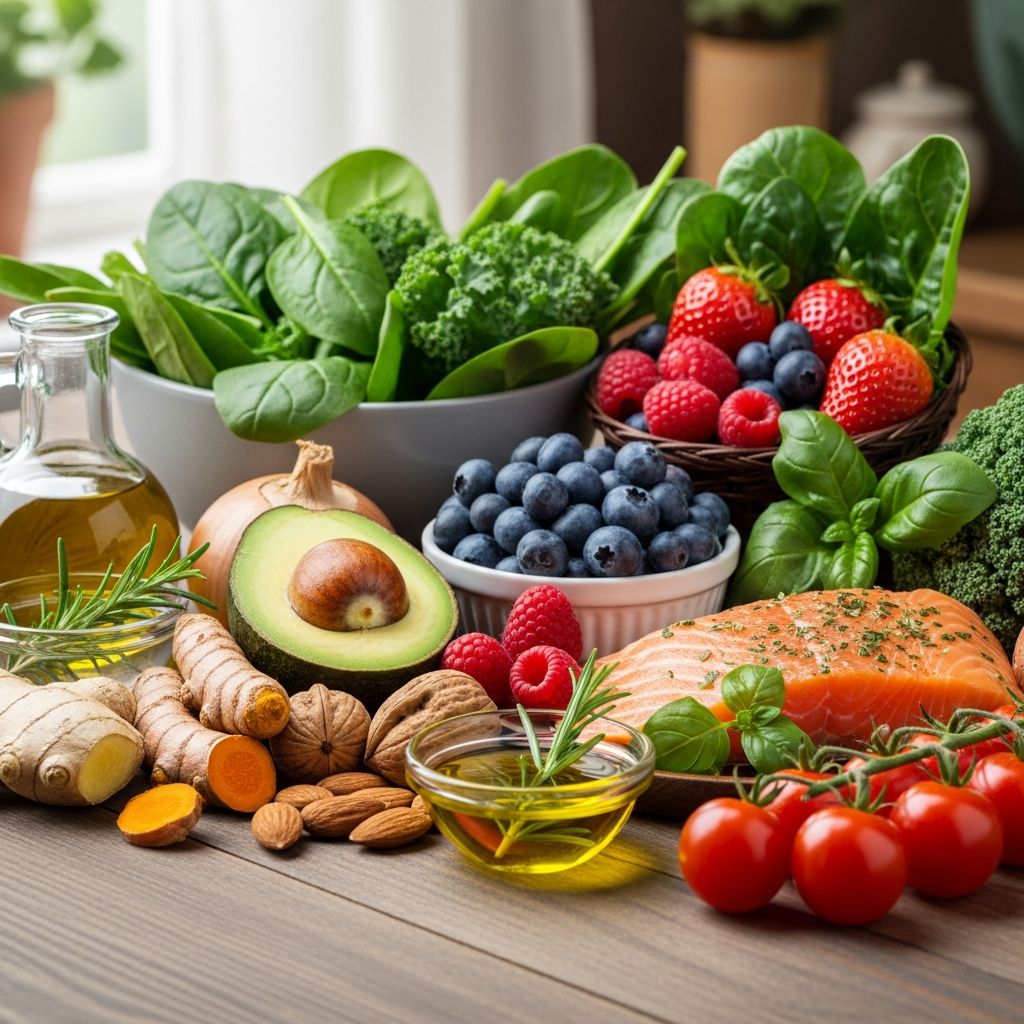
The following foods have demonstrated strong anti-inflammatory properties and should form the foundation of your diet:
Berries and Fruits
Berries are nutritional powerhouses containing natural antioxidants that combat inflammation. Citrus fruits also contribute valuable vitamin C and other protective compounds. These fruits can be enjoyed fresh, frozen, or blended into smoothies for convenient consumption.
Leafy Greens
Spinach, kale, and other dark leafy vegetables are rich in vitamin K and numerous phytonutrients. These vegetables serve as the foundation for salads, smoothies, and cooked dishes, making them easy to incorporate into any meal plan.
Fatty Fish
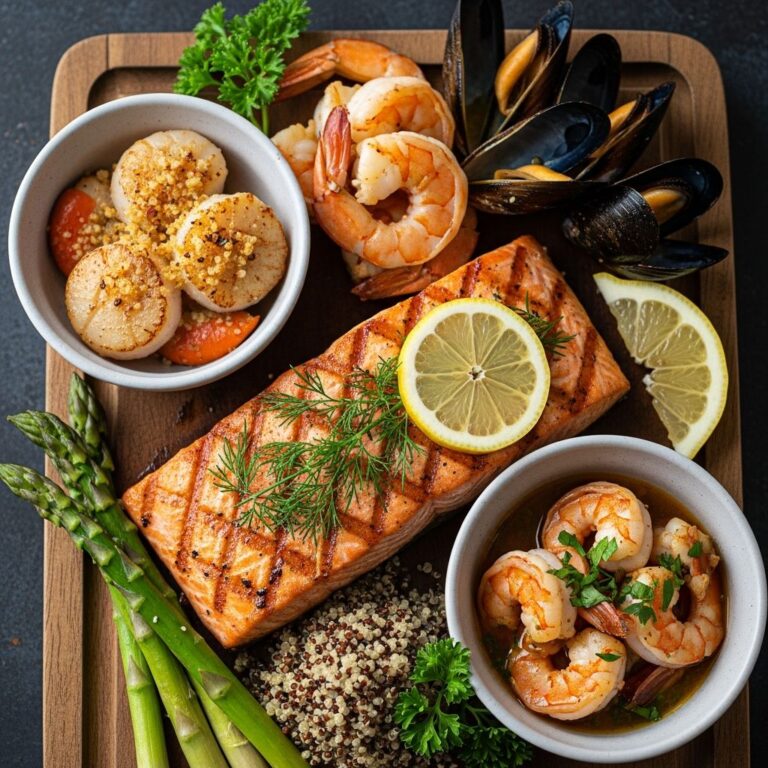
Salmon, tuna, sardines, and other fatty fish varieties provide omega-3 fatty acids that actively reduce inflammation. Aim to include fish in your diet at least twice weekly for optimal benefits.
Whole Grains
Brown rice, oats, quinoa, and whole wheat products contain fiber and other compounds that help reduce inflammation. The biomarkers affected by whole grains differ from those affected by fruits and vegetables, making it important to consume both for comprehensive anti-inflammatory benefits.
Legumes and Beans
Beans are high in fiber and loaded with antioxidants and other anti-inflammatory substances. They also provide plant-based protein, making them an excellent choice for vegetarians and vegans.
Nuts and Seeds
Tree nuts like almonds and walnuts, along with peanuts, are rich in unsaturated fats and anti-inflammatory vitamins and minerals. These nutrient-dense foods make excellent snacks and can be incorporated into various dishes.
Soy Products
Tofu and tempeh are high in polyunsaturated fat, fiber, calcium, and vitamins while remaining low in saturated fat. Studies suggest that people consuming soy-based foods have lower odds of developing inflammation-related diseases including heart disease, diabetes, and certain cancers.
Olive Oil
Extra virgin olive oil contains polyphenols with anti-inflammatory effects. Use it as your primary cooking fat and salad dressing base to maximize its benefits.
Herbs and Spices
Beyond their flavor enhancement properties, turmeric, ginger, cinnamon, and chili peppers provide documented anti-inflammatory benefits when used regularly in cooking.
Hydration
Water remains essential for overall health and inflammation management. Green tea also offers anti-inflammatory compounds. While your specific hydration needs depend on body size and activity level, drink water when thirsty and consider replacing sugary beverages with sparkling water or herbal tea.
Popular Anti-Inflammatory Diet Approaches
Several established dietary patterns emphasize anti-inflammatory principles:
Mediterranean Diet
This renowned eating pattern focuses on fruits and vegetables, whole grains, beans and legumes, nuts and seeds, olive oil as the primary fat source, fatty fish, and low-fat or fat-free dairy products, with seasoning using herbs and spices. This approach has extensive research supporting its benefits for heart health and inflammation reduction.
Plant-Based Diets
Vegetarian and vegan diets exclude meat, fish, poultry, or seafood, with vegan diets also avoiding eggs, dairy products, and honey. Studies suggest that long-term vegetarian and vegan diets may be associated with lower levels of body-wide inflammation compared to meat-containing diets, provided you swap highly processed foods for nutrient-rich whole foods including fruits, vegetables, and whole grains.
DASH Diet
The DASH (Dietary Approaches to Stop Hypertension) diet allows moderate amounts of lean poultry including chicken and turkey, as eating lean meat is less likely to boost inflammation compared to high-fat red and processed meats.
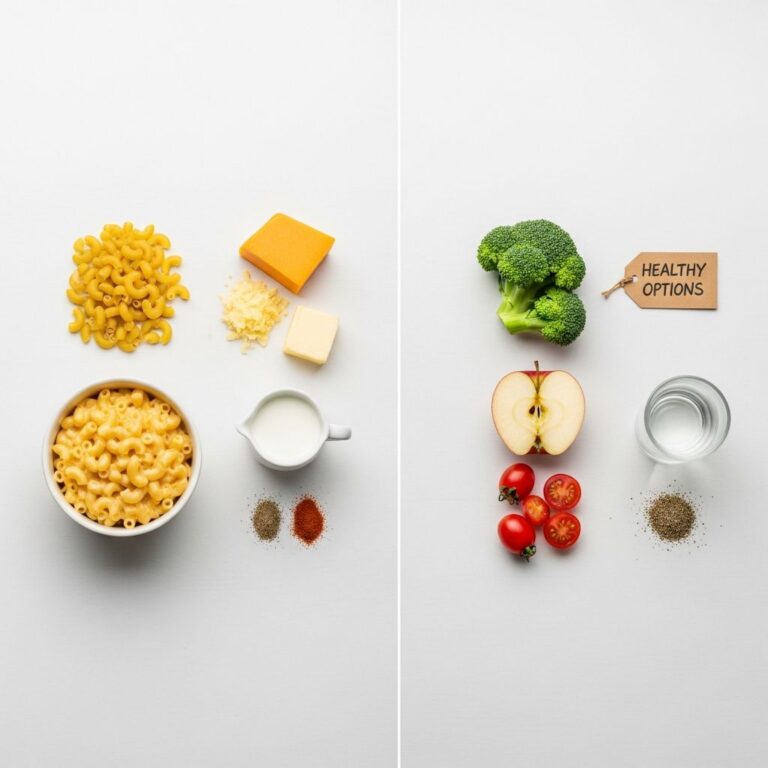
Foods to Limit or Avoid
While focusing on anti-inflammatory foods, also minimize consumption of items that may trigger or worsen inflammation:
- Highly processed foods and snacks
- Sugary desserts and beverages
- High-fat red meat and processed meats
- Refined carbohydrates and white bread
- Excessive saturated fats
- Foods high in added sugars
- Trans fats and heavily fried foods
Practical Tips for Implementing an Anti-Inflammatory Diet
Making the transition to an anti-inflammatory eating pattern doesn’t require drastic overnight changes. Consider these practical strategies:
- Start by consulting your doctor, who can refer you to a registered dietitian or nutritionist for personalized guidance
- Slowly add anti-inflammatory foods into your existing diet rather than making all changes simultaneously
- Swap processed snacks and desserts for whole foods like fresh fruit and nuts
- Select colorful fruits and vegetables to maximize your intake of anti-inflammatory antioxidants
- Replace sugary sodas and drinks with sparkling water, herbal tea, or plain water
- Plan meals ahead to ensure you have anti-inflammatory ingredients readily available
- Discuss whether supplements are appropriate for your individual health situation with your healthcare provider
- Try preparing green smoothies by blending berries and leafy greens with ice and low-fat or non-dairy milk
Creating Your Personal Anti-Inflammatory Meal Plan
There isn’t a single anti-inflammatory diet that works best for everyone. Your optimal eating plan should include abundant colorful fruits and vegetables, whole grains, unsaturated fats, and plant-based foods tailored to your preferences and health needs. Work with a healthcare professional to develop a personalized approach that you can sustain long-term, as consistency matters more than perfection when addressing chronic inflammation.
Frequently Asked Questions About Anti-Inflammatory Diets
Q: What can I eat on an anti-inflammatory diet?
A: You can enjoy fruits and vegetables, whole grains, beans, tofu and tempeh, nuts and legumes, fatty fish, tea, coffee, green smoothies, water, and a variety of herbs and spices. Focus on whole, minimally processed foods in their natural forms.
Q: What is the fastest way to reduce inflammation in the body?
A: There is no magic overnight solution. However, you can lower inflammation over time by consistently eating nutrient-rich whole foods. The key is maintaining a sustainable pattern that includes variety rather than relying on any single superfood.
Q: What are six key anti-inflammatory foods?
A: Berries, fatty fish, nuts, leafy greens, oatmeal, and olive oil are all excellent anti-inflammatory choices. However, it’s best to include a wide variety of fruits, vegetables, and whole grains rather than focusing exclusively on six foods.
Q: What meat is anti-inflammatory?
A: The Mediterranean diet emphasizes omega-3 rich fatty fish as its protein source. If consuming land-based meat, the DASH diet recommends moderate amounts of lean poultry like chicken and turkey, as these are less likely to boost inflammation compared to high-fat red meat and processed meats.
Q: Is an anti-inflammatory diet safe for everyone?
A: An anti-inflammatory diet is generally considered safe, but individual needs vary. Consult your doctor or a registered dietitian to determine if this approach is appropriate for your specific health situation and to receive personalized guidance.
Q: How long does it take to see results from an anti-inflammatory diet?
A: While some people may notice improvements in energy or symptom reduction relatively quickly, meaningful reductions in chronic inflammation typically develop over weeks to months of consistent dietary changes.
Conclusion
An anti-inflammatory diet emphasizes whole, nutrient-dense foods while limiting those that promote inflammation. By focusing on abundant fruits and vegetables, whole grains, lean proteins, and healthy fats while reducing saturated fats and processed foods, you can help reduce chronic inflammation and support better overall health. Remember that this is not an all-or-nothing approach—small, consistent changes add up over time. Working with healthcare professionals can help you develop a personalized plan that fits your lifestyle and health goals, making it easier to maintain these beneficial eating habits for the long term.
References
- Anti-Inflammatory Diet: Foods to Eat and Avoid — WebMD. 2024. https://www.webmd.com/diet/anti-inflammatory-diet-road-to-good-health
- An Anti-Inflammatory Diet: What to Eat & Why It Matters — National Academy of Sports Medicine (NASM). 2024. https://blog.nasm.org/an-anti-inflammatory-diet-what-to-eat-why-it-matters
Similar Articles








Read full bio of Sneha Tete