Anti-Inflammatory Diet: 7-Day Meal Plan & Top Foods To Eat
Reduce chronic inflammation and boost health with this evidence-based eating pattern featuring fruits, vegetables, whole grains, and healthy fats.
An
anti-inflammatory diet
emphasizes foods rich in antioxidants, omega-3 fatty acids, and polyphenols while limiting pro-inflammatory processed items, helping combat chronic inflammation linked to diseases like heart disease, diabetes, and arthritis.What Is Chronic Inflammation?
Chronic inflammation is a prolonged immune response that damages tissues over time, contributing to non-communicable diseases (NCDs) such as type 2 diabetes, cardiovascular disease, and rheumatoid arthritis. Unlike acute inflammation, which heals injuries, chronic forms arise from factors like poor diet, obesity, and stress. Anti-inflammatory diets target this by providing nutrients that dampen pro-inflammatory biomarkers like IL-6 and modulate gut microbiota toward an anti-inflammatory profile.
Research shows diets high in fruits, vegetables, whole grains, nuts, legumes, fatty fish, and olive oil reduce inflammatory gene expression and circulating cytokines. These patterns, including the Mediterranean diet, lower arachidonic acid levels and boost omega-3s like eicosapentaenoic acid, inhibiting enzymes that produce inflammatory eicosanoids.
Benefits of an Anti-Inflammatory Diet
Adopting this diet can significantly lower risks of NCDs. Studies demonstrate reductions in body weight, BMI, and inflammatory markers in type 2 diabetes patients after 12 weeks, with elevated citrus bioflavonoids correlating to decreased IL-6. For rheumatoid arthritis (RA), Mediterranean diet trials showed improved disease activity, reduced joint inflammation, less pain, and morning stiffness lasting up to 6 months post-intervention.
- Heart Health: Limits saturated fats and refined carbs, reducing cardiovascular risk associated with pro-inflammatory Western diets.
- Diabetes Management: Polyphenols from berries and curcumin improve glucose homeostasis and lower serum markers.
- Weight Loss: High-fiber, low-glycemic foods promote satiety and fat reduction, as seen in RA patients losing ~7 pounds in 12 weeks.
- Gut Health: Fiber, prebiotics, and polyphenols foster diverse microbiota, countering disruptions from sugars and processed foods.
- Cancer Prevention: Antioxidants and anti-inflammatory spices like turmeric and ginger retard obesity-induced inflammation progression.
Foods to Eat on an Anti-Inflammatory Diet
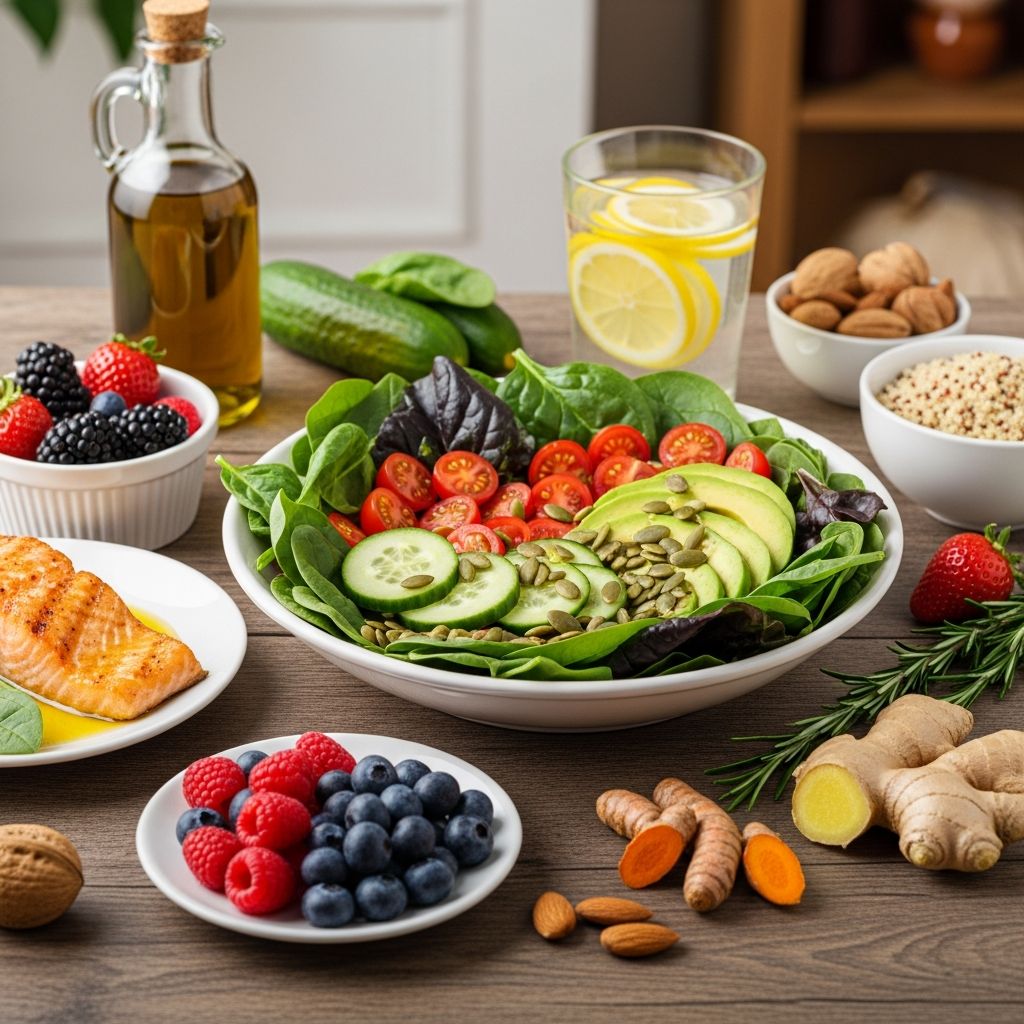
Focus on nutrient-dense, plant-based foods with proven anti-inflammatory effects. These supply omega-3s, antioxidants, and phytochemicals that suppress pro-inflammatory pathways.
- Fruits: Berries (raspberries, blueberries for anthocyanins), citrus (bioflavonoids), and cherries for polyphenol benefits.
- Vegetables: Leafy greens, broccoli, tomatoes, and root vegetables rich in antioxidants and fiber.
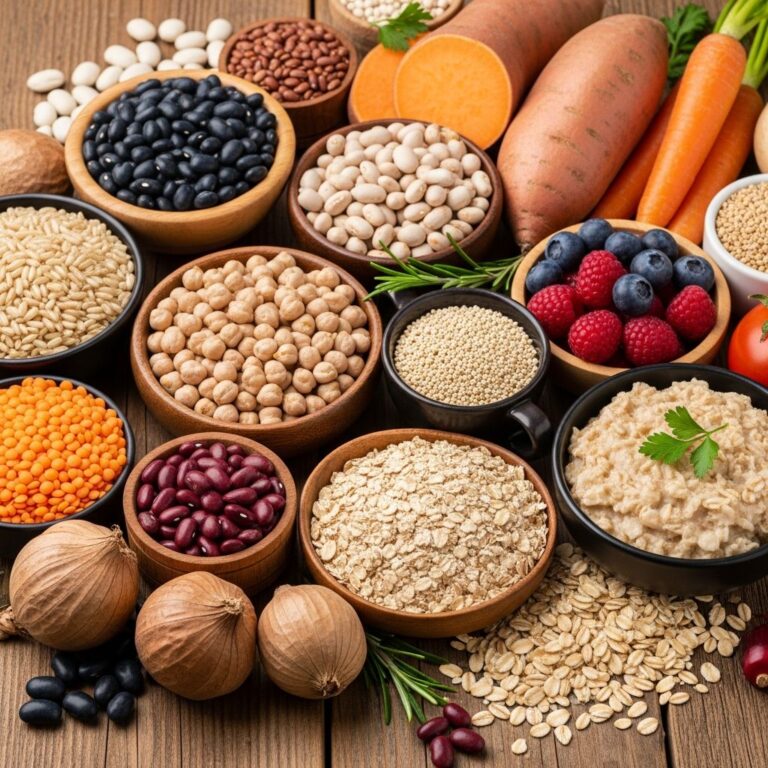
- Whole Grains: Oats, quinoa, brown rice for low-glycemic, high-fiber support.
- Healthy Fats: Extra virgin olive oil, avocados, nuts (walnuts, almonds) for monounsaturated fats and polyphenols.
- Fatty Fish: Salmon, mackerel, sardines for omega-3s that replace arachidonic acid in cell membranes.
- Legumes: Beans, lentils for plant protein and prebiotics.
- Spices and Herbs: Turmeric (curcumin), ginger (gingerol), garlic, basil, and chili (capsaicin) to attenuate inflammation.
- Other: Green tea, low-fat yogurt, and poultry in moderation.
Foods to Avoid or Limit
Pro-inflammatory foods promote oxidative stress and disrupt metabolic processes. Minimize these to maximize benefits.
- Processed and Red Meats: High in saturated fats and advanced glycation end-products that fuel inflammation.
- Refined Carbohydrates: White bread, pastries raise blood sugar and cytokine levels.
- Sugary Drinks and Added Sugars: Including fruit juice, linked to gut dysbiosis and NCD risk.
- Trans and Saturated Fats: Fried foods, margarine (non-canola based), elevate arachidonic acid.
- Ultra-Processed Foods: Associated with higher mortality and cardiovascular disease.
- Excess Alcohol and Salt: Promote dehydration and hypertension-related inflammation.
Sample 7-Day Anti-Inflammatory Meal Plan
This plan mirrors Mediterranean-style eating, providing ~1,800-2,200 calories daily, adjustable for needs. Emphasize variety, portion control, and hydration with water or herbal teas.
Related Stories



| Day | Breakfast | Lunch | Dinner | Snacks |
|---|---|---|---|---|
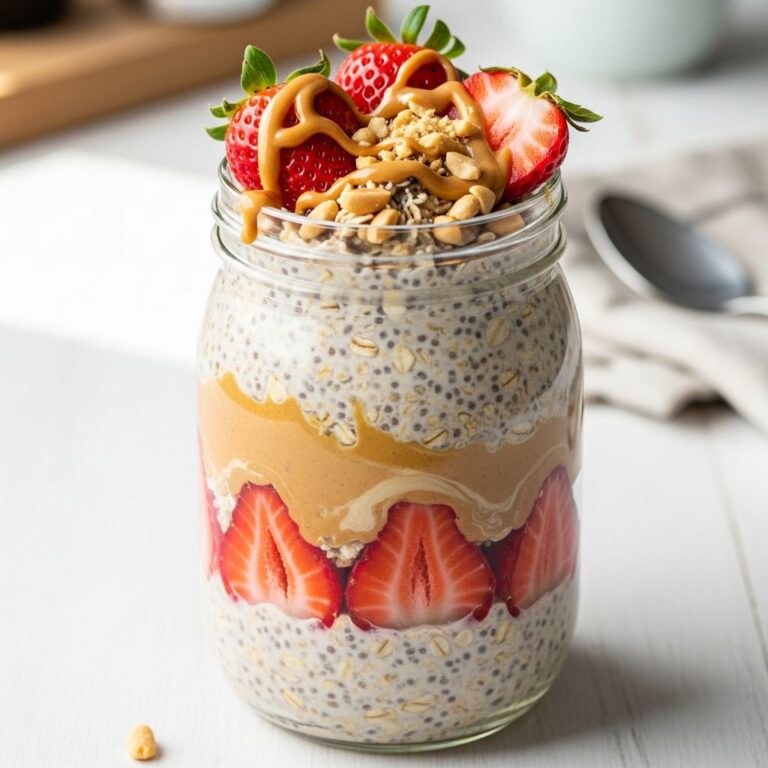
| Monday | Oatmeal with berries, walnuts, chia seeds | Quinoa salad with chickpeas, cucumber, olive oil dressing | Grilled salmon, steamed broccoli, sweet potato | Apple slices with almond butter; Greek yogurt |
| Tuesday | Smoothie: spinach, banana, ginger, almond milk | Lentil soup with kale and carrots | Baked chicken, brown rice, mixed greens salad | Handful of nuts; carrot sticks with hummus |
| Wednesday | Whole-grain toast with avocado, poached egg | Tuna salad with leafy greens, tomatoes, olive oil | Stir-fried tofu, bell peppers, quinoa | Blueberries; celery with peanut butter |
| Thursday | Greek yogurt parfait with granola, raspberries | Chickpea wrap with veggies in whole-wheat tortilla | Mackerel with asparagus, couscous | Orange; mixed seeds |
| Friday | Chia pudding with mango, coconut flakes | Bean salad with feta, olives, herbs | Turkey stir-fry with zucchini, wild rice | Pear; handful of pistachios |
| Saturday | Berry smoothie bowl with nuts and seeds | Vegetable soup with lentils | Grilled sardines, spinach salad, baked potato | Cottage cheese with cherry tomatoes |
| Sunday | Whole-grain pancakes with fruit compote | Falafel bowl with tahini, cucumber | Baked cod, Brussels sprouts, farro | Dark chocolate square; herbal tea |
Tip: Use turmeric, garlic, and olive oil liberally. Aim for 25-30g fiber daily.
How to Start an Anti-Inflammatory Diet
Transition gradually: Swap processed snacks for nuts, add a vegetable serving per meal, and cook with olive oil. Track intake with apps, prioritize whole foods shopping, and consult a doctor for personalized advice, especially with conditions like RA or diabetes.
- Stock pantry with staples: olive oil, spices, canned fish, frozen berries.
- Meal prep: Batch-cook grains and veggies weekly.
- Read labels: Avoid added sugars >5g/serving.
- Combine with lifestyle: 150min weekly exercise, 7-9hr sleep.
Potential Downsides and Considerations
While beneficial, this diet may be costly or inaccessible without fresh produce. Evidence for autoimmune specificity is emerging but not conclusive; weight loss may contribute to RA improvements. Vegans can thrive by emphasizing legumes and fortified foods. Monitor for nutrient gaps like B12 or iron.
Frequently Asked Questions (FAQs)
What is the best anti-inflammatory diet?
The Mediterranean diet exemplifies it, with high fruits, vegetables, olive oil, fish, and low red meat, showing RA benefits in trials.
Does the anti-inflammatory diet help with weight loss?
Yes, low-glycemic foods and high fiber reduce BMI; RA patients lost significant weight in studies.
Can it reverse chronic inflammation?
It lowers biomarkers like IL-6 but works best with lifestyle changes; holistic patterns yield best results.
Is coffee anti-inflammatory?
In moderation, yes, due to polyphenols, but limit to 2-3 cups; pair with diet.
How long to see benefits?
Improvements in pain/stiffness seen in 6-12 weeks; sustained adherence needed.
References
- Overview of anti-inflammatory diets and their promising effects on non-communicable diseases — PMC/NCBI. 2024. https://pmc.ncbi.nlm.nih.gov/articles/PMC11576095/
- Anti-Inflammatory Diets & The Mediterranean Diet — Osher Center for Integrative Health, UCSF. Accessed 2026. https://osher.ucsf.edu/patient-care/clinical-specialties/integrative-rheumatology/nutrition-and-rheumatic-diseases/mediterranean-diet
Similar Articles








Read full bio of Sneha Tete