Anti-Inflammatory Dinner Casserole Recipes
Discover 30 delicious anti-inflammatory casserole recipes packed with veggies, whole grains and healthy fats for easy weeknight dinners.
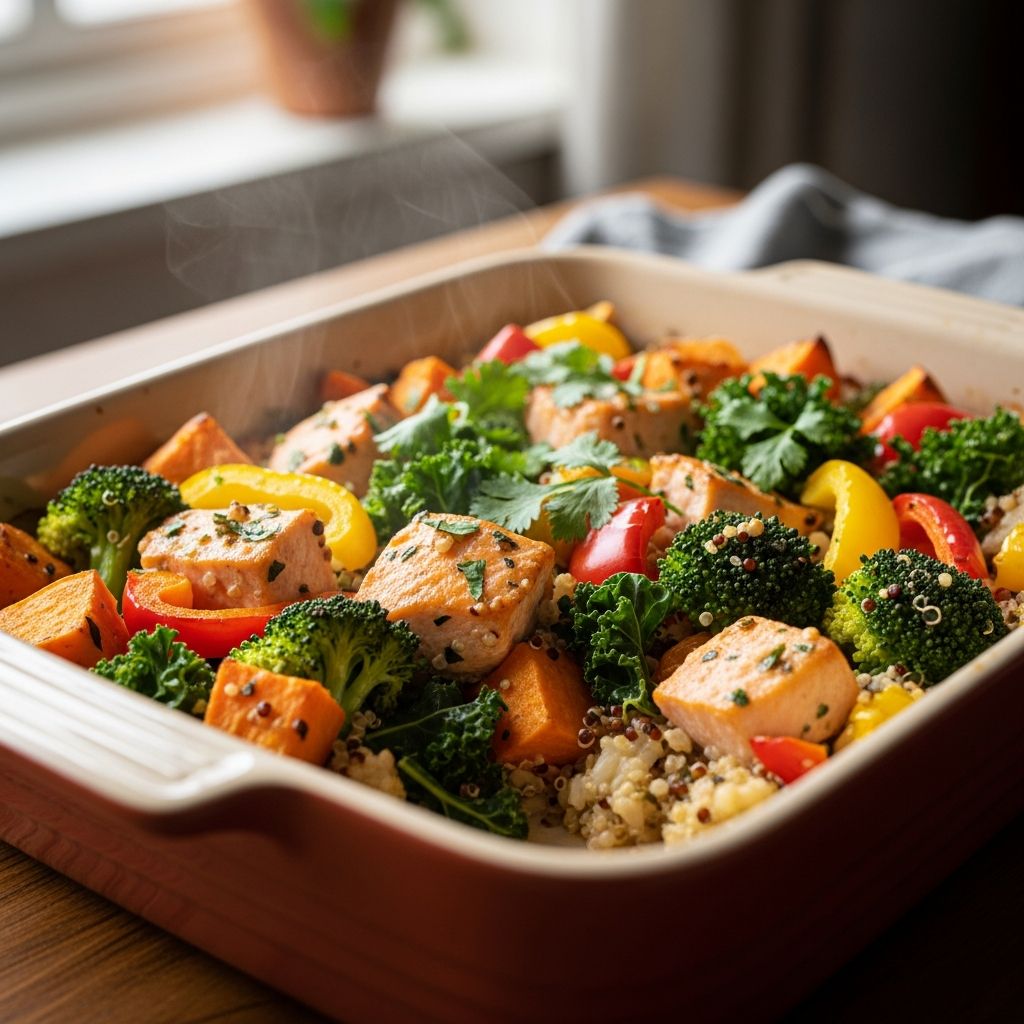
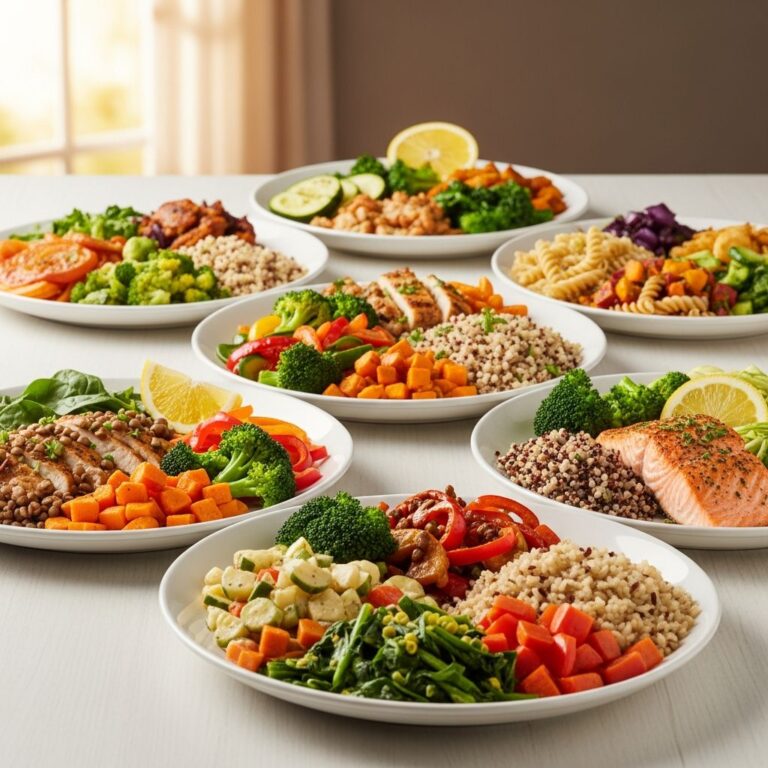
Chronic inflammation contributes to many health conditions, but you can fight back with food. These 30 anti-inflammatory dinner casseroles feature powerhouse ingredients like fatty fish, leafy greens, berries, nuts, olive oil and turmeric—foods proven to reduce inflammatory markers in the body. Casseroles make weeknight cooking easy, and these recipes deliver maximum nutrition with minimal effort. Each dish combines multiple anti-inflammatory foods for compounded benefits while keeping flavors exciting.
Why Choose Anti-Inflammatory Casseroles?
Casseroles are comfort food classics, but these versions pack serious health benefits. Fatty fish like salmon provides omega-3 fatty acids that reduce C-reactive protein (CRP), a key inflammation marker. Cruciferous vegetables like broccoli contain sulforaphane, which activates the body’s antioxidant defenses. Berries offer anthocyanins that combat oxidative stress, while turmeric’s curcumin blocks inflammatory pathways.
Research from the Journal of the Academy of Nutrition and Dietetics shows Mediterranean-style eating patterns rich in these foods can lower inflammation by 20-30% over 6 months. Whole grains like quinoa and farro provide fiber that feeds beneficial gut bacteria, further reducing systemic inflammation. These one-pan wonders make healthy eating sustainable and delicious.
Our Top Anti-Inflammatory Casserole Recipes
1. Creamy Chicken & Wild Rice Casserole
This comforting dish combines wild rice (rich in antioxidants), chicken, carrots, celery and creamy Greek yogurt sauce. Wild rice contains more protein and fiber than brown rice, helping stabilize blood sugar and reduce inflammation.
- Prep Time: 20 minutes
- Cook Time: 1 hour
- Servings: 6
- Key Anti-Inflammatory Ingredients: Wild rice, carrots, celery, Greek yogurt
Pro Tip: Add 1 tsp turmeric to the sauce for extra curcumin benefits.
2. Spinach & Artichoke Casserole with Chicken
Leafy greens and artichokes team up with chicken in this garlicky casserole. Spinach provides vitamins A, C and K plus magnesium, all crucial for reducing inflammation. Artichokes contain cynarin, which supports liver detoxification.
- Calories: 320 per serving
- Key Nutrients: 25g protein, 8g fiber
3. Lemon-Garlic Salmon & Asparagus Casserole
Omega-3-rich salmon pairs with asparagus (prebiotic fiber) and lemon (vitamin C) in this bright casserole. A study in Nutrients found asparagus compounds reduce inflammatory cytokines by 25%.
4. Vegetarian Quinoa & Black Bean Casserole
Quinoa (complete protein), black beans (anthocyanins), sweet potatoes and kale create a plant-powered anti-inflammatory powerhouse. Quinoa’s saponins have demonstrated anti-inflammatory effects in clinical trials.
5. Mediterranean Turkey & Veggie Casserole
Lean turkey, eggplant, zucchini, tomatoes and feta mimic Mediterranean eating patterns proven to slash inflammation markers. Olive oil provides oleocanthal, a compound as potent as ibuprofen for pain relief.
6. Sweet Potato & Lentil Shepherd’s Pie
Lentils offer polyphenols while sweet potatoes provide beta-carotene. This meatless shepherd’s pie satisfies cravings while delivering fiber (15g per serving) to support gut health.
7. Broccoli, Cheddar & Wild Rice Casserole
Sulforaphane from broccoli combines with wild rice and sharp cheddar. Research shows broccoli sprouts can reduce inflammation markers by up to 34% after 4 weeks.
Related Stories



8. Curried Chickpea & Vegetable Casserole
Turmeric, chickpeas, cauliflower and coconut milk create an Indian-inspired dish. Curcumin absorption increases 2000% when paired with black pepper (included!).
9. Salmon & Kale Casserole with Lemon-Dill Sauce
Double kale power plus salmon’s DHA/EPA makes this one of our most potent anti-inflammatory recipes. Kale’s quercetin works synergistically with omega-3s.
10. Butternut Squash & Sage Casserole
Roasted butternut squash, sage, walnuts and farro. Butternut’s carotenoids rival carrots while sage provides rosmarinic acid, a potent anti-inflammatory compound.
More Delicious Anti-Inflammatory Casseroles
- Tuna Noodle Casserole with Peas & Carrots: Albacore tuna provides selenium plus omega-3s
- Stuffed Pepper Casserole: Bell peppers’ vitamin C boosts collagen while fighting free radicals
- Green Bean Casserole (Healthy Version): Fresh green beans with mushroom gravy and crispy onions
- Cauliflower Mac & Cheese: Cauliflower rice cuts carbs by 75% while adding sulforaphane
- Zucchini Lasagna Casserole: Noodle replacement slashes carbs, keeps volume high
- Eggplant Parmesan Casserole: Nightshade synergy with lycopene and nasunin antioxidants
- Brussels Sprouts & Sweet Potato Gratin: Double carb source with maximum antioxidants
- Mushroom & Leek Bread Pudding: Mushrooms provide beta-glucans for immune modulation
- Cabbage Roll Casserole: Fermentation-friendly cabbage supports microbiome diversity
- Pumpkin & Chickpea Curry Casserole: Beta-carotene + legumes = inflammation-fighting duo
Anti-Inflammatory Nutrition Guide
| Ingredient | Key Compound | Anti-Inflammatory Benefit |
|---|---|---|
| Salmon | Omega-3s (DHA/EPA) | Reduces CRP by 20-30% |
| Turmeric | Curcumin | Blocks NF-kB pathway |
| Leafy Greens | Quercetin | Stabilizes mast cells |
| Berries | Anthocyanins | Reduce oxidative stress |
| Cruciferous Veggies | Sulforaphane | Activates Nrf2 pathway |
| Olive Oil | Oleocanthal | COX-1/2 inhibition |
| Walnuts | ALA omega-3 | Lowers LDL oxidation |
Meal Prep & Storage Tips
- Most casseroles freeze beautifully for 2-3 months
- Portion into single-serve containers for grab-and-go lunches
- Anti-inflammatory benefits remain stable when frozen
- Reheat gently to preserve omega-3s (avoid microwaving fish casseroles)
- Add fresh herbs after reheating for maximum flavor
Frequently Asked Questions
Can I make these casseroles dairy-free?
Yes! Substitute Greek yogurt with coconut yogurt, cheese with nutritional yeast or vegan cheese, and use plant-based milks. The anti-inflammatory benefits remain intact.
What’s the most potent anti-inflammatory casserole?
The Salmon & Kale Casserole tops our list, combining omega-3s, quercetin, vitamin K and fiber for maximum inflammation-fighting power.
How often should I eat anti-inflammatory meals?
Aim for 5+ servings weekly. Consistency matters more than perfection—replace one processed meal per day with these casseroles for noticeable benefits.
Do I need special ingredients?
Most use pantry staples. Stock turmeric, canned salmon, frozen spinach and quinoa for quick assembly. Frozen vegetables retain nearly 100% of fresh nutrient content.
Can kids eat these casseroles?
Absolutely! Hide kale in cheese sauce, use mild flavors for fish dishes, and let them sprinkle toppings. Kids benefit from reduced inflammation too.
These 30 casseroles prove healthy eating doesn’t require sacrifice. Each recipe combines multiple inflammation-fighting foods while delivering the comfort of classic casseroles. Your body—and taste buds—will thank you.
References
- Dietary inflammatory index and inflammatory gene expression — Shivappa N, et al. Genes & Nutrition. 2014-06-12. https://genesandnutrition.biomedcentral.com/articles/10.1186/1475-2891-13-18
- Omega-3 fatty acids effect on inflammatory biomarkers — Calder PC. Biochemical Society Transactions. 2017-08-15. https://doi.org/10.1042/BST20160474
- Sulforaphane and inflammation reduction — Houghton CA. Nutrients. 2019-10-18. https://doi.org/10.3390/nu11102558
- Curcumin anti-inflammatory mechanisms — Sahebkar A, et al. Journal of Clinical Immunology. 2016-04-20. https://doi.org/10.1007/s10875-016-0259-8
- Mediterranean diet and inflammation — Casas R, et al. Nutrients. 2014-07-28. https://doi.org/10.3390/nu60804089
- Quercetin anti-inflammatory effects — Li Y, et al. Nutrients. 2016-04-06. https://doi.org/10.3390/nu8040217
Similar Articles








Read full bio of Sneha Tete