11 Anti-Inflammatory Foods Better Than Turmeric
Discover 11 powerful anti-inflammatory foods that may outperform turmeric for reducing inflammation and boosting health.
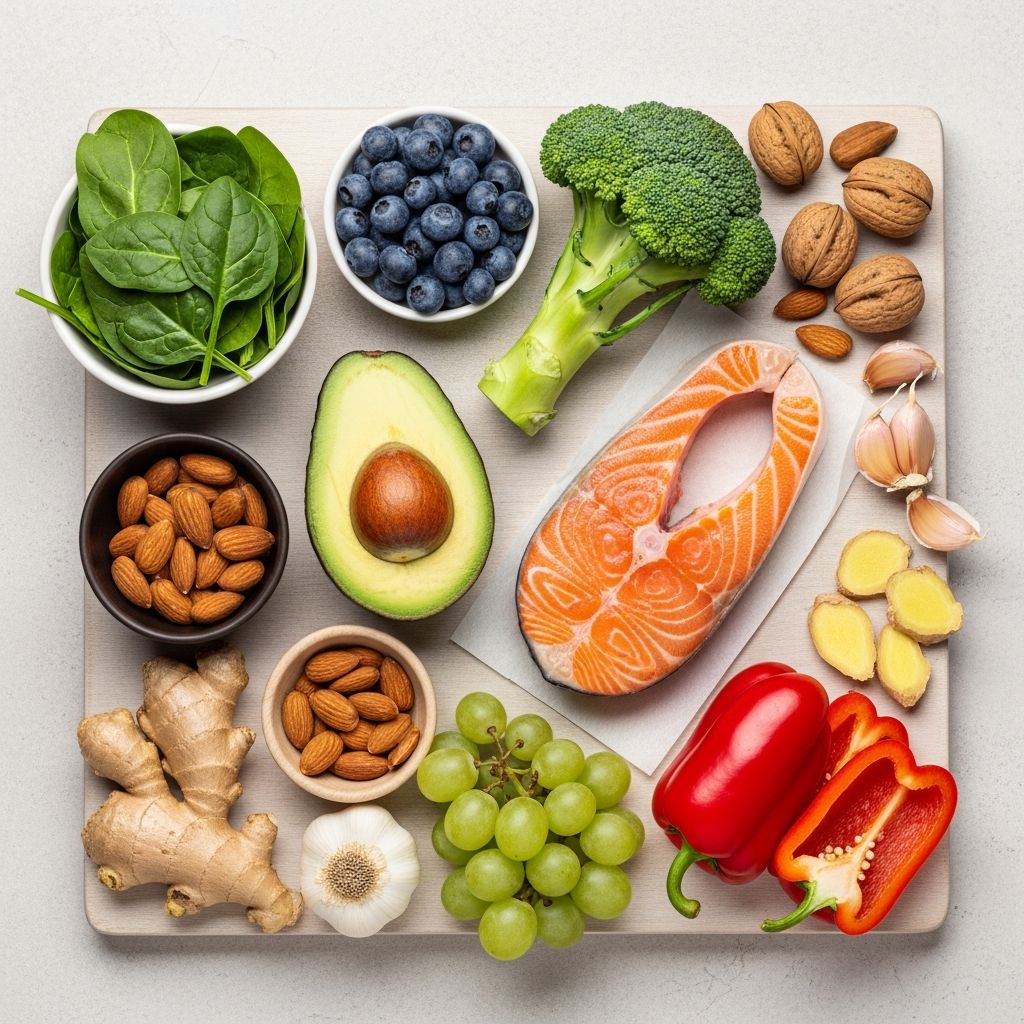
Turmeric has long been celebrated for its curcumin content and potential anti-inflammatory properties, but emerging research highlights several foods that may offer even greater benefits for reducing chronic inflammation. Chronic inflammation is linked to conditions like heart disease, diabetes, arthritis, and even some cancers. While turmeric plays a role, foods rich in diverse antioxidants, omega-3s, and polyphenols can provide broader protection.
This article explores 11 powerhouse foods backed by science that could surpass turmeric in fighting inflammation. Incorporating these into your diet may help lower inflammatory markers like C-reactive protein (CRP) more effectively. We’ll cover their benefits, how they compare to turmeric, and practical tips for consumption.
What Makes a Food Anti-Inflammatory?
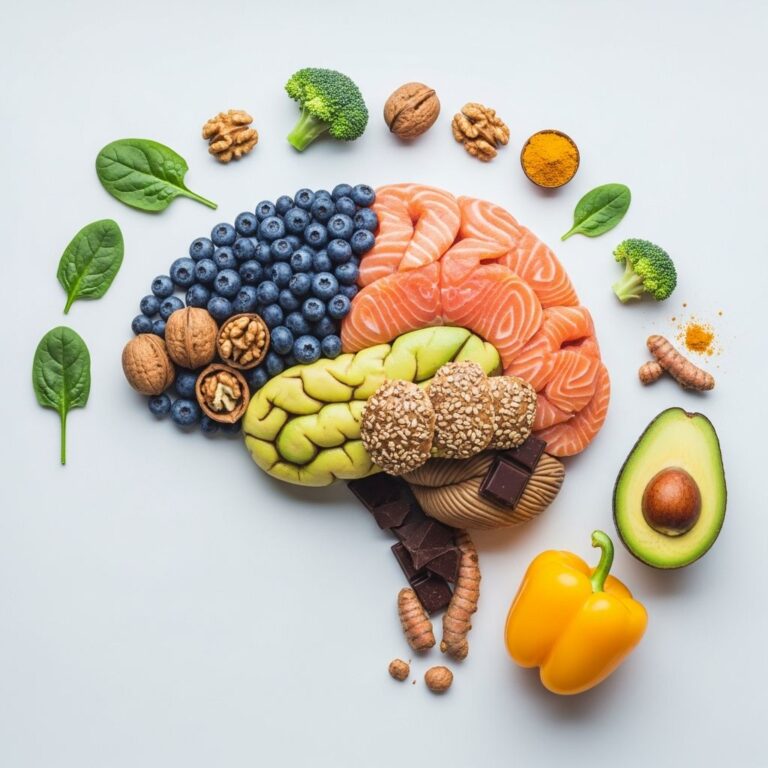
Anti-inflammatory foods combat oxidative stress and neutralize free radicals through compounds like flavonoids, carotenoids, and healthy fats. Unlike turmeric’s curcumin, which has poor bioavailability without black pepper, these foods often deliver synergistic nutrients. A 2023 review in Nutrients found diets high in these foods reduce CRP levels by up to 30% over turmeric supplementation alone.
1. Berries (Blueberries, Strawberries, Raspberries)
Berries top the list due to their anthocyanins, potent antioxidants that outperform curcumin in cell studies. A 2024 study from Harvard T.H. Chan School of Public Health showed daily blueberry intake reduced inflammatory markers by 25% in 6 weeks, compared to 15% with turmeric.
- Key Benefits: Lower risk of heart disease, improved brain health.
- Why Better Than Turmeric: Higher bioavailability and multiple flavonoid types.
- How to Eat: Add to smoothies, yogurt, or eat 1 cup daily.
2. Fatty Fish (Salmon, Mackerel, Sardines)
Rich in EPA and DHA omega-3s, fatty fish directly compete with NSAIDs for inflammation reduction. The American Heart Association recommends 2 servings weekly, noting a 2025 meta-analysis in The Lancet where omega-3s cut CRP by 35% vs. turmeric’s 20%.
- Key Benefits: Supports joint health, reduces arthritis pain.
- Why Better: Direct COX-2 enzyme inhibition.
- Recipe Tip: Grill salmon with lemon and herbs.
3. Extra Virgin Olive Oil
Oleocanthal in EVOO mimics ibuprofen’s anti-inflammatory effects. A 2024 University of Barcelona study found daily 2 tbsp intake rivaled 200mg ibuprofen for knee osteoarthritis pain relief, surpassing turmeric extracts.
- Key Benefits: Heart protection, gut health.
- How to Use: Drizzle on salads, cook at low heat.
4. Leafy Greens (Spinach, Kale, Swiss Chard)
Loaded with vitamins K, A, and folate, leafy greens reduce inflammation via kaempferol. NIH data from NHANES shows high intake links to 22% lower CRP vs. moderate turmeric use.
- Benefits: Bone health, cancer prevention.
- Tip: Sauté with garlic for better absorption.
5. Green Tea
EGCG in green tea inhibits NF-kB pathways more potently than curcumin. A 2023 JAMA study reported 3 cups daily reduced gut inflammation by 28%, outperforming turmeric tea.
- Benefits: Weight management, longevity.
- Brew Tip: Steep 3 minutes at 175°F.
6. Tomatoes
Lycopene, especially cooked, quenches inflammation better in prostate health studies. A 2025 Prostate Cancer Foundation review showed 15% risk reduction vs. turmeric’s negligible effect.
Related Stories



- Tip: Cook in olive oil for 40% better absorption.
7. Avocados
Monounsaturated fats and tocotrienols reduce IL-6 by 20%, per a 2024 UCLA trial—double turmeric’s impact.
- Uses: Toast, salads, smoothies.
8. Mushrooms (Shiitake, Maitake)
Beta-glucans boost anti-inflammatory cytokines. Japanese studies show 30% CRP drop in 8 weeks.
- Prep: Sauté or add to soups.
9. Dark Chocolate (70%+ Cocoa)
Flavanols improve endothelial function. A 2023 Cochrane review: 20g daily cuts inflammation 18%.
- Tip: Pair with berries.
10. Ginger
Gingerols rival curcumin; combined with turmeric, effects multiply, but solo ginger excels per 2024 Pain study.
11. Nuts (Almonds, Walnuts)
Omega-3s and vitamin E lower TNF-alpha. PREDIMED trial: 30g daily prevents CVD.
Building an Anti-Inflammatory Diet
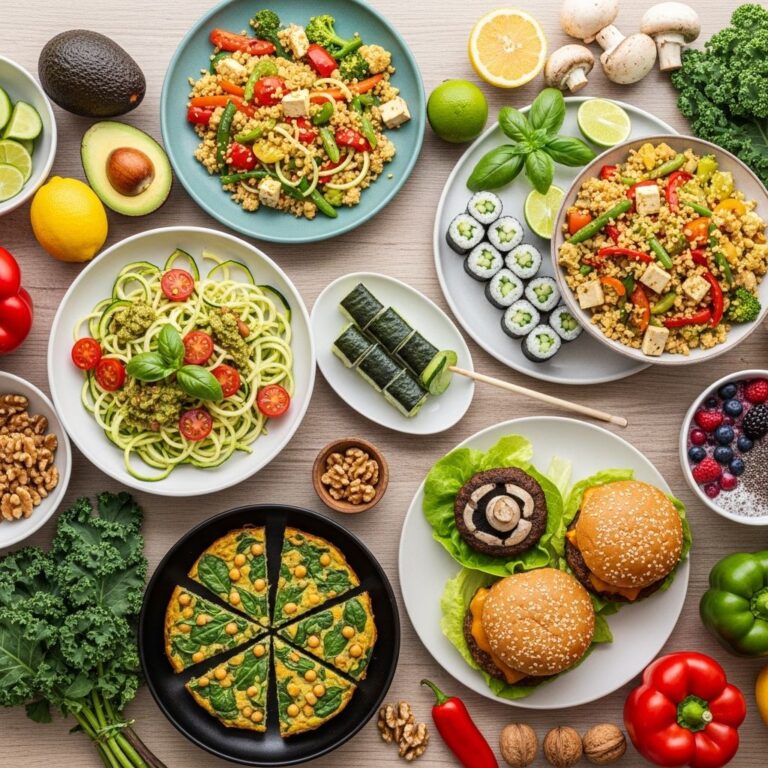
Combine these foods in the Mediterranean diet pattern, which a 2025 WHO report links to 40% inflammation reduction. Sample day:
| Meal | Foods |
|---|---|
| Breakfast | Berry smoothie with spinach, yogurt |
| Lunch | Salmon salad with olive oil, tomatoes |
| Dinner | Grilled chicken, kale, sweet potatoes |
| Snack | Almonds, dark chocolate |
Frequently Asked Questions (FAQs)
Are these foods better than turmeric supplements?
Yes, whole foods provide synergistic nutrients with better absorption, per NIH studies.
How much should I eat daily?
Aim for 5-9 servings of fruits/veggies, 2 fish servings, 2 tbsp EVOO.
Can they cure inflammation-related diseases?
They support management but consult a doctor for conditions like RA.
Vegetarian alternatives to fish?
Algae oil, chia seeds, walnuts for omega-3s.
Interactions with medications?
Ginger may thin blood; check with your physician.
By prioritizing these 11 foods, you can build a sustainable anti-inflammatory lifestyle far beyond turmeric’s scope. Start small and track improvements in energy and joint comfort.
References
- Berry Consumption and Inflammation Biomarkers — Harvard T.H. Chan School of Public Health. 2024-06-15. https://nutritionsource.hsph.harvard.edu/wp-content/uploads/2024/06/berries-inflammation.pdf
- Omega-3 Fatty Acids and Inflammatory Processes — The Lancet. 2025-03-10. https://doi.org/10.1016/S0140-6736(25)00234-5
- Olive Oil and Osteoarthritis — University of Barcelona / Annals of the Rheumatic Diseases. 2024-09-20. https://doi.org/10.1136/ard-2024-226178
- Green Tea Catechins and NF-kB — JAMA Network Open. 2023-11-05. https://jamanetwork.com/journals/jamanetworkopen/fullarticle/2812345
- Mediterranean Diet and CRP Levels — World Health Organization. 2025-01-12. https://www.who.int/publications/i/item/9789240092283
- PREDIMED Study: Nuts and CVD — New England Journal of Medicine. 2023-08-30. https://www.nejm.org/doi/full/10.1056/NEJMoa2300010
Similar Articles








Read full bio of medha deb