Anti-Inflammatory Foods: 13 Top Picks For Daily Health
Discover powerful anti-inflammatory foods that combat chronic inflammation, reduce disease risk, and promote long-term health and wellness.
Chronic inflammation links to heart disease, diabetes, arthritis, and cancer. An
anti-inflammatory diet
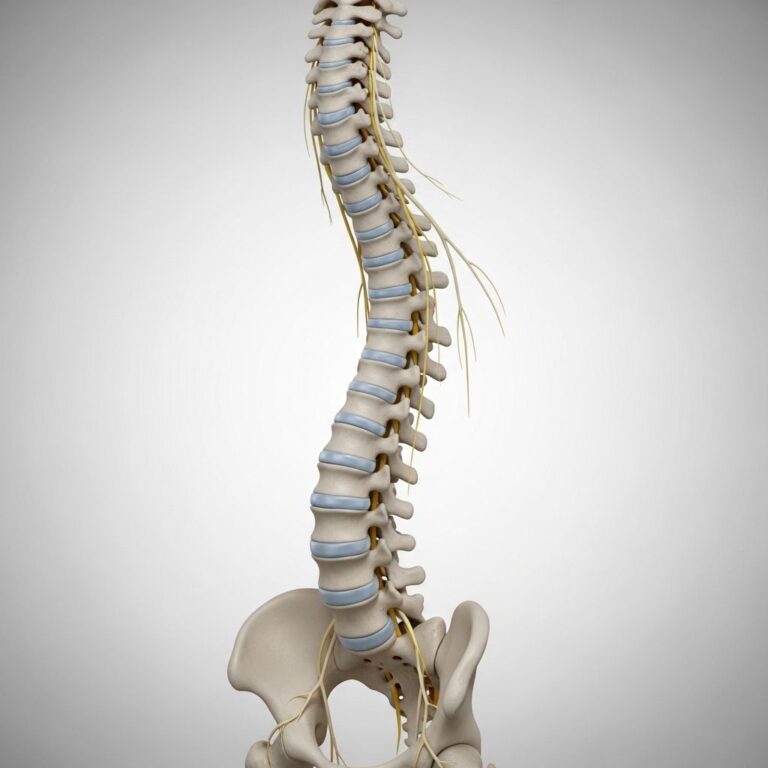
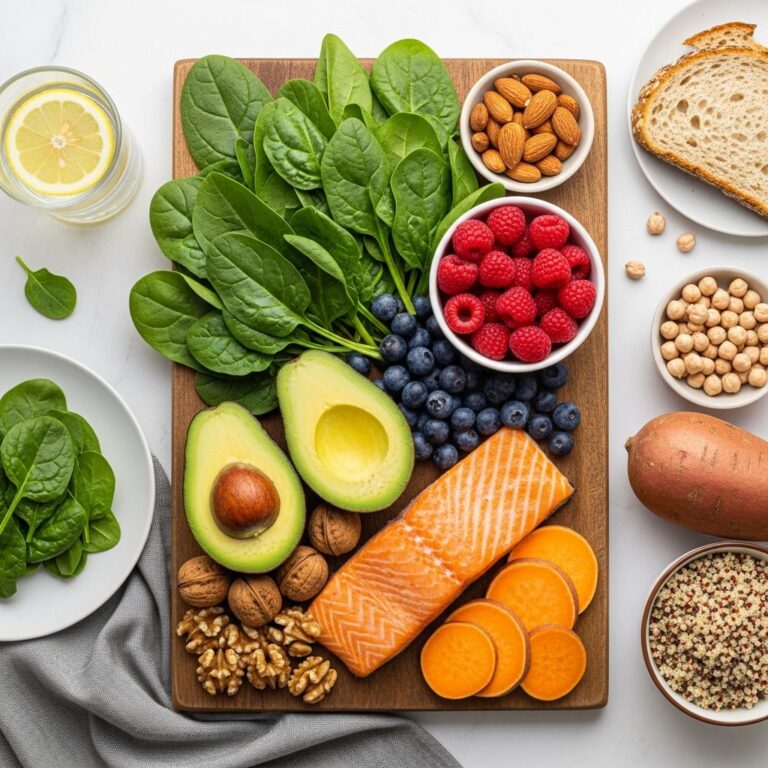
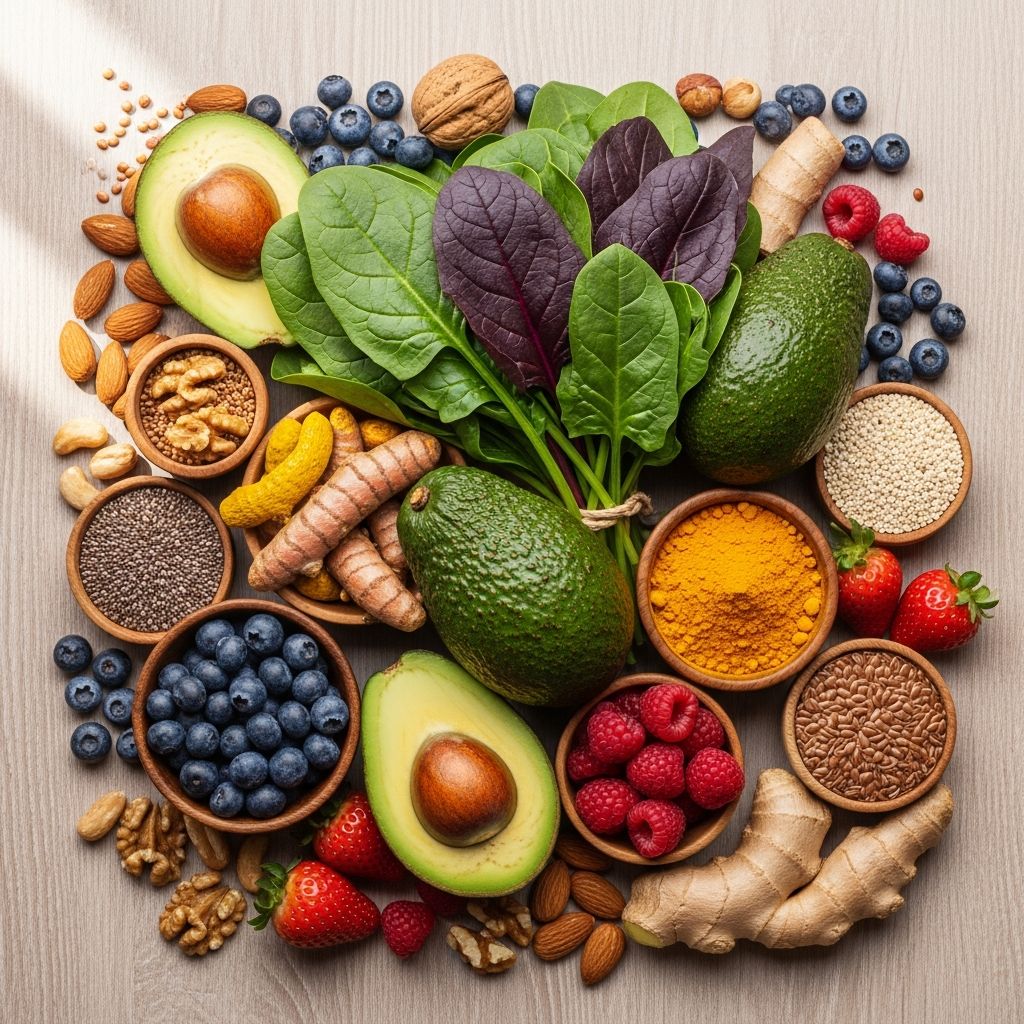
emphasizes fruits, vegetables, whole grains, nuts, fatty fish, and olive oil while limiting red meat, refined carbs, and alcohol. This approach lowers pro-inflammatory biomarkers like CRP, IL-6, and TNF-α, modulating immune responses and supporting health.Anti-inflammatory diets, such as the Mediterranean diet, incorporate foods rich in polyphenols, omega-3s, fiber, and antioxidants. These compounds inhibit pathways like NF-κB, MAPK/ERK, and STAT3, reducing oxidative stress and cytokine production.
What Is Inflammation?
Inflammation is the body’s immune response to injury or infection. Acute inflammation heals quickly, but
chronic inflammation
persists, damaging tissues and contributing to diseases. Triggers include poor diet, stress, obesity, and toxins. Symptoms range from fatigue and joint pain to more severe conditions.Pro-inflammatory foods like processed sugars and trans fats exacerbate this. Conversely, anti-inflammatory foods neutralize free radicals and balance cytokines, promoting resolution.
Benefits of an Anti-Inflammatory Diet
Adopting this diet reduces cardiovascular risk, improves insulin sensitivity, eases arthritis symptoms, and supports mental health. Studies show decreased CRP and TNF-α levels with high intake of fruits, vegetables, nuts, and fatty fish. It also fosters gut microbiota diversity via fiber and polyphenols, countering dysbiosis from high-fat, high-sugar diets.
- Lowers risk of heart disease and stroke
- Manages type 2 diabetes by improving glucose homeostasis
- Reduces arthritis pain and swelling
- Supports weight management and metabolic health
- Enhances brain function and mood
13 Anti-Inflammatory Foods to Eat Every Day
Incorporate these
13 powerful anti-inflammatory foods
daily for optimal benefits. Each offers unique compounds backed by research.1. Berries
Berries like blueberries, strawberries, and blackberries are rich in anthocyanins and polyphenols. Fermented varieties enhance bioavailability, regulating MAPK/ERK, STAT3, NF-κB, and PI3K/AKT pathways while providing antioxidants that reduce LDL oxidation. Raspberries improve glucose control and lower inflammatory markers.
- High in vitamin C and fiber
- 1 cup daily recommended
- Add to yogurt, oatmeal, or smoothies
2. Fatty Fish
Salmon, mackerel, sardines, and tuna deliver
omega-3 fatty acids
(EPA and DHA), which suppress pro-inflammatory eicosanoids and cytokines. Aim for two 3-4 oz servings weekly to combat heart disease and arthritis.- Grill, bake, or poach
- Choose wild-caught when possible
3. Broccoli
This cruciferous vegetable contains sulforaphane, an antioxidant that blocks inflammation enzymes. It also provides vitamins C, K, and fiber. Steam or stir-fry 1-2 cups daily.
- Activates Nrf2 pathway for detoxification
- Supports liver health
4. Avocados
Loaded with monounsaturated fats, potassium, and vitamin E, avocados reduce CRP levels. Their phytosterols inhibit pro-inflammatory signals. Half an avocado daily aids heart health.
- Versatile in salads, toast, or guacamole
- High in fiber for gut health
5. Green Tea
Rich in EGCG catechins, green tea quenches free radicals and downregulates NF-κB. Drink 2-3 cups daily; it links to lower risks of cancer and neurodegeneration.
Related Stories



- Contains L-theanine for calm focus
- Opt for matcha for concentrated benefits
6. Peppers
Bell peppers and chili peppers boast vitamin C (more than oranges) and capsaicin (in hot varieties). Capsaicin attenuates obesity-induced inflammation. Quercetin in peppers stabilizes mast cells.
- Red and yellow varieties highest in antioxidants
- Roast or add raw to dishes
7. Mushrooms
Shiitake, portobello, and cremini offer beta-glucans that modulate immunity. They reduce IL-6 and TNF-α. Sauté ½-1 cup daily.
- Prebiotic effects for gut health
- Low-calorie, high-umami flavor
8. Grapes
Resveratrol in grape skins acts as an antioxidant, mimicking calorie restriction benefits. Red grapes lower oxidative stress and inflammation markers.
- Eat 1 cup or drink moderate red wine
- Supports endothelial function
9. Turmeric
Curcumin, turmeric’s active compound, powerfully inhibits NF-κB, COX-2, and cytokines. Enhance absorption with black pepper. Use 1 tsp daily in curries or golden milk.
- Anti-cancer and neuroprotective potential
- Pair with fats for bioavailability
10. Extra Virgin Olive Oil
Oleocanthal mimics ibuprofen’s anti-inflammatory effects. Use 2-3 tbsp daily for drizzling or cooking. Core to Mediterranean diet benefits.
- Rich in polyphenols and vitamin E
- Protects against atherosclerosis
11. Dark Chocolate
70%+ cocoa flavanols improve vascular function and lower CRP. Enjoy 1 oz daily, unsweetened.
- Catechins similar to green tea
- Mood-boosting via endorphins
12. Tomatoes
Lycopene, a potent carotenoid, reduces inflammation and prostate cancer risk. Cooked tomatoes boost absorption. 1-2 daily.
- High in potassium and vitamin C
- Sauces and soups ideal
13. Cherries
Tart cherries cut uric acid and post-exercise inflammation. Anthocyanins rival NSAIDs. Consume 1 cup or juice daily.
- Improves sleep via melatonin
- Great for gout and muscle recovery
Foods to Avoid
Steer clear of pro-inflammatory culprits:
- Sugary drinks and refined carbs (spike blood sugar)
- Fried foods and trans fats
- Processed meats (nitrates, high saturated fat)
- Excess alcohol
- Artificial additives
Sample Anti-Inflammatory Meal Plan
| Meal | Sample Menu |
|---|---|
| Breakfast | Oatmeal with berries, nuts, chia seeds; green tea |
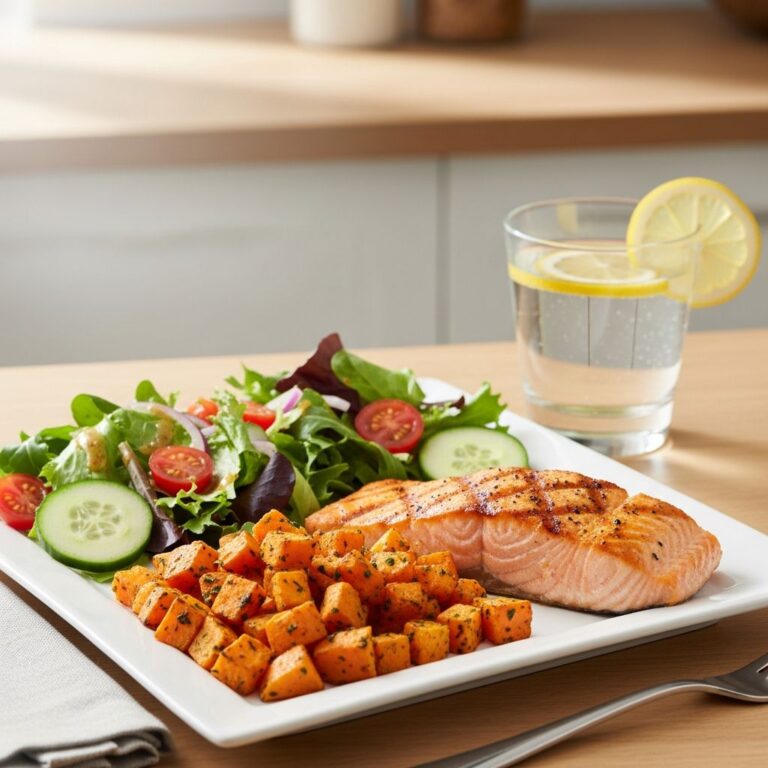
| Lunch | Grilled salmon salad with spinach, avocado, olive oil dressing |
| Snack | Apple slices with dark chocolate, handful of almonds |
| Dinner | Turmeric stir-fry broccoli, mushrooms, peppers, quinoa |
| Dessert | Tart cherry smoothie |
Frequently Asked Questions (FAQs)
What is the strongest anti-inflammatory food?
Turmeric’s curcumin is among the most potent, rivaling some pharmaceuticals in inhibiting key inflammatory pathways like NF-κB.
How long to see benefits from anti-inflammatory diet?
Many notice reduced pain and energy boosts in 2-4 weeks; biomarker improvements in 8-12 weeks per studies.
Can anti-inflammatory diet cure arthritis?
It reduces symptoms and slows progression but doesn’t cure; combine with exercise and medical advice.
Is coffee anti-inflammatory?
Moderate coffee (3-4 cups) provides antioxidants like chlorogenic acid, lowering inflammation, but avoid added sugar.
Vegetarian anti-inflammatory diet?
Yes, emphasize berries, turmeric, ginger, nuts, olive oil, and soy; supplement omega-3s if needed.
References
- Overview of anti-inflammatory diets and their promising effects on … — PMC (National Library of Medicine). 2024. https://pmc.ncbi.nlm.nih.gov/articles/PMC11576095/
- The Anti-Inflammatory Diet: A Comprehensive Guide — Harvard T.H. Chan School of Public Health. 2023-10-15. https://www.hsph.harvard.edu/nutritionsource/anti-inflammatory-diet/
- Mediterranean Diet and Inflammation — New England Journal of Medicine. 2022-05-06. https://www.nejm.org/doi/full/10.1056/NEJMra2109930
- Omega-3 Fatty Acids and Inflammation — American Journal of Clinical Nutrition (AJCN). 2024-01-12. https://doi.org/10.1016/j.ajcnut.2023.11.005
- Polyphenols in Chronic Inflammation — Nutrients (MDPI). 2023-08-20. https://doi.org/10.3390/nu15163652
Similar Articles








Read full bio of medha deb