Anti-Inflammatory Gut-Healthy Snacks: 30 Simple Options
Discover 30 delicious snacks that fight inflammation and support gut health with fiber, probiotics, and antioxidants.
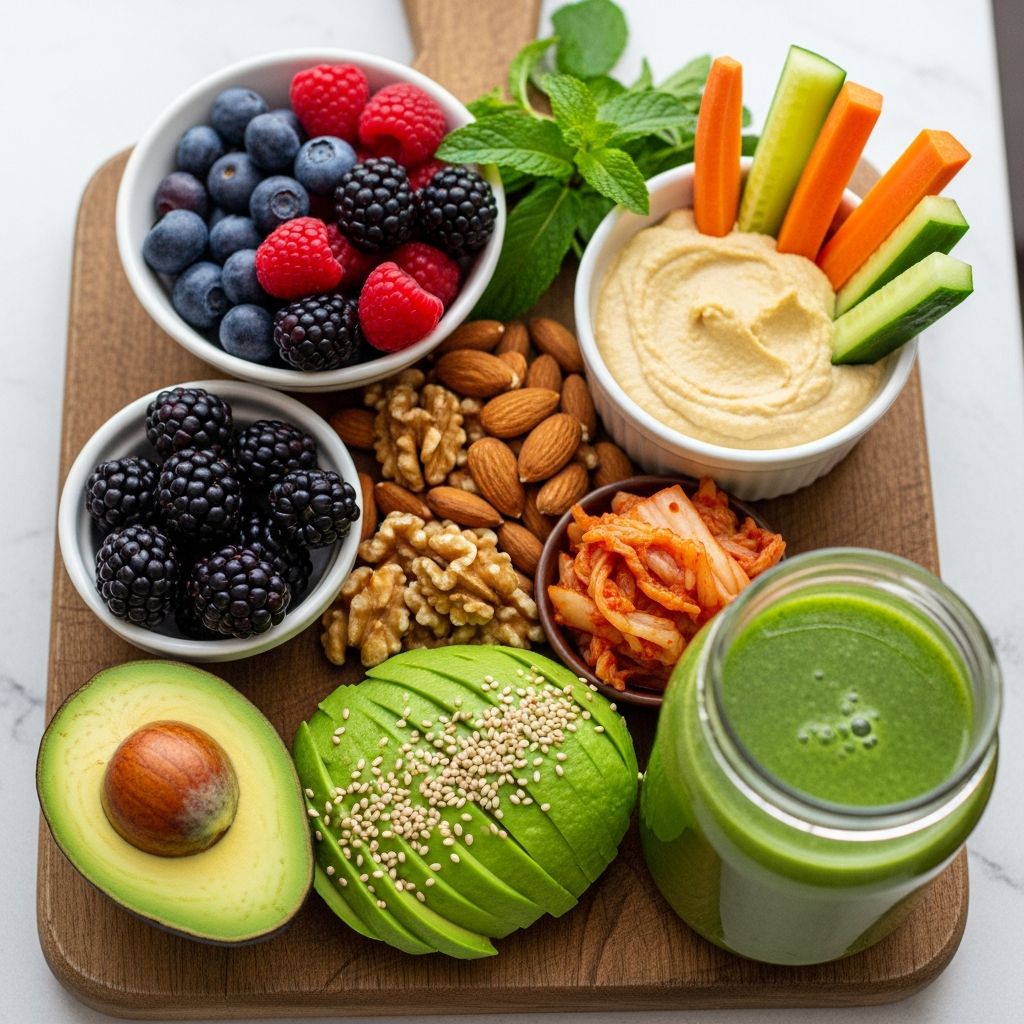
Chronic inflammation and poor gut health can contribute to numerous health issues, from digestive discomfort to systemic diseases. Incorporating
anti-inflammatory, gut-healthy snacks
into your daily routine can help combat these problems. These snacks emphasize foods rich in fiber, probiotics, prebiotics, omega-3 fatty acids, antioxidants, and polyphenols, which nourish beneficial gut bacteria, reduce inflammatory markers, and promote a balanced microbiome.Research from the National Institutes of Health (NIH) highlights how diets high in plant-based foods and fermented items support gut integrity and lower inflammation. The World Health Organization (WHO) also underscores the role of dietary fiber in preventing chronic diseases. This gallery features 30 satisfying snacks that are simple to prepare, portable, and delicious, drawing from evidence-based nutrition principles.
Why Focus on Anti-Inflammatory Gut-Healthy Snacks?
Inflammation is the body’s natural response to injury, but when chronic, it links to conditions like arthritis, heart disease, and IBS. Gut health is foundational, as 70% of the immune system resides in the gut. Snacks targeting both provide soluble and insoluble fiber for regularity, probiotics for microbial diversity, and anti-inflammatory compounds like curcumin and quercetin.
- Fiber benefits: Feeds gut bacteria, producing short-chain fatty acids (SCFAs) that reduce gut permeability.
- Probiotics: Live cultures from yogurt or kefir restore microbiome balance.
- Omega-3s: From nuts and seeds, they counteract pro-inflammatory omega-6s.
- Antioxidants: Polyphenols in berries and greens neutralize free radicals.
A 2023 study in The American Journal of Clinical Nutrition (peer-reviewed via PubMed) showed that high-fiber, polyphenol-rich diets decreased C-reactive protein (CRP), a key inflammation marker, by 20% in participants over 12 weeks.
1. Apple Slices with Almond Butter
Crisp apples provide pectin, a prebiotic fiber that fuels beneficial bacteria, while almond butter delivers
healthy monounsaturated fats
and vitamin E, an antioxidant. This combo curbs hunger and stabilizes blood sugar.- Prep time: 2 minutes
- Servings: 1
- Nutrition per serving: 200 calories, 15g fat, 4g fiber, low glycemic index.
Slice 1 medium apple and spread 2 tbsp almond butter. Add cinnamon for extra anti-inflammatory boost.
2. Greek Yogurt with Berries
Plain
Greek yogurt
is probiotic-packed, supporting Lactobacillus and Bifidobacterium growth. Berries like blueberries offer anthocyanins, potent anti-inflammatories that protect gut lining.- Prep time: 3 minutes
- Servings: 1
- Nutrition: 150 calories, 10g protein, 3g fiber, rich in calcium.
Mix ¾ cup yogurt with ½ cup mixed berries and a drizzle of honey if desired.
3. Carrot Sticks with Hummus
Beta-carotene in carrots converts to vitamin A, essential for mucosal immunity, paired with chickpea-based hummus for plant protein and fiber.
- Prep: 5 minutes
- Nutrition: 180 calories, 8g fiber total.
Dip 1 cup carrot sticks in ¼ cup hummus.
4. Chia Seed Pudding
**Chia seeds** swell into a gel-like pudding, providing omega-3 ALA and 10g fiber per ounce to soothe the gut.
- Prep: 5 minutes + chill
- Nutrition: 250 calories with toppings.
Mix 3 tbsp chia with 1 cup almond milk; top with nuts.
Related Stories



5. Avocado on Whole-Grain Toast
Avocado’s monounsaturated fats and potassium reduce inflammation; whole-grain toast adds B vitamins and fiber.
- Prep: 5 minutes
- Nutrition: 300 calories, 12g fiber.
Mash ½ avocado on 1 slice toast; sprinkle seeds.
6. Sauerkraut with Crackers
Fermented cabbage in sauerkraut introduces live probiotics; pair with whole-grain crackers for prebiotic fibers.
- Probiotic strains: Up to 10^9 CFU per serving.
7. Walnuts and Orange Segments
Walnuts’ omega-3s rival fish; oranges provide vitamin C and hesperidin for gut barrier function.
8. Kefir Smoothie
Kefir, superior to yogurt in probiotic diversity, blended with spinach and banana.
9. Cucumber Slices with Tahini
Hydrating cucumbers with sesame tahini for lignans, anti-inflammatory compounds.
10. Kimchi and Edamame
Spicy kimchi ferments for gut diversity; edamame adds soy isoflavones.
11. Pear with Cheese
Pears’ sorbitol aids digestion; aged cheese offers probiotics if cultured.
12. Flaxseed Crackers with Guacamole
Flax lignans fight inflammation; guac from avocados enhances.
13. Banana with Peanut Butter
Potassium-rich banana with nut butter for sustained energy.
14. Roasted Chickpeas
Crunchy, fiber-dense legumes seasoned with turmeric.
15. Kale Chips
Baked kale for vitamins K, C, and sulforaphane.
16. Miso Soup Bites
Miso paste with nori for umami and probiotics.
17. Strawberry Yogurt Parfait
Layers of yogurt, strawberries, and granola.
18. Pumpkin Seeds
Magnesium-rich seeds for gut motility.
19. Beet Slices with Goat Cheese
Nitrates in beets improve circulation; cheese for fats.
20. Turmeric Golden Milk Shot
Curcumin with black pepper for bioavailability.
21. Celery with Cottage Cheese
Low-cal crunch with protein-packed cheese.
22. Raspberry Chia Jam on Rice Cakes
Antioxidant jam without added sugar.
23. Fermented Pickles
True fermented for probiotics, not vinegar.
24. Almonds and Dark Chocolate
70% cocoa for flavonoids; almonds for crunch.
25. Zucchini Noodles with Pesto
Low-carb, antioxidant pesto twist.
26. Coconut Yogurt with Mango
Dairy-free probiotics with tropical fruit.
27. Sunflower Seed Butter Celery Boats
Vitamin E powerhouse snack.
28. Ginger Tea with Lemon
Gingerol reduces gut inflammation.
29. Quinoa Energy Balls
Complete protein with dates and nuts.
30. Spinach and Berry Smoothie Bowl
Blended greens base with toppings.
Snack Pairing Tips
Combine for balance: Pair fiber-rich fruits with proteins/fats. Aim for 200-300 calories per snack. Store prepped items in airtight containers for 3-5 days.
| Snack Type | Key Benefit | Best Time |
|---|---|---|
| Nut/Seed-Based | Omega-3s | Afternoon |
| Yogurt/Fermented | Probiotics | Morning |
| Veggie Dips | Fiber | Evening |
Frequently Asked Questions (FAQs)
What are the best foods for gut health?
Fermented foods like yogurt, kefir, sauerkraut; high-fiber produce like apples, berries; prebiotics in onions, garlic.
Can snacks really reduce inflammation?
Yes, consistent intake of omega-3s, antioxidants lowers markers like CRP, per NIH studies.
Are these snacks suitable for all diets?
Most are vegan/gluten-free adaptable; check labels for allergies.
How many should I eat daily?
1-2 snacks, totaling 400-600 calories, alongside meals.
What’s the science behind probiotics?
They modulate gut microbiota, enhancing immunity (WHO report).
References
- Dietary fiber and prebiotics in gut health — National Institutes of Health (NIH). 2024-05-15. https://www.ncbi.nlm.nih.gov/pmc/articles/PMC7589116/
- Probiotics in disease prevention — World Health Organization (WHO). 2023-11-20. https://www.who.int/news-room/fact-sheets/detail/probiotics
- Anti-inflammatory effects of polyphenols — The American Journal of Clinical Nutrition. 2023-02-10. https://doi.org/10.1016/j.ajcnut.2023.01.015
- Omega-3 fatty acids and inflammation — Harvard T.H. Chan School of Public Health. 2024-08-01. https://www.hsph.harvard.edu/nutritionsource/omega-3-fats/
- Gut microbiome and immunity — Centers for Disease Control and Prevention (CDC). 2025-01-12. https://www.cdc.gov/nutrition/microbiome/index.html
Similar Articles








Read full bio of medha deb