Anti-Inflammatory Mediterranean Diet Plan
Reduce inflammation and boost health with this 7-day Mediterranean diet meal plan rich in anti-inflammatory foods.
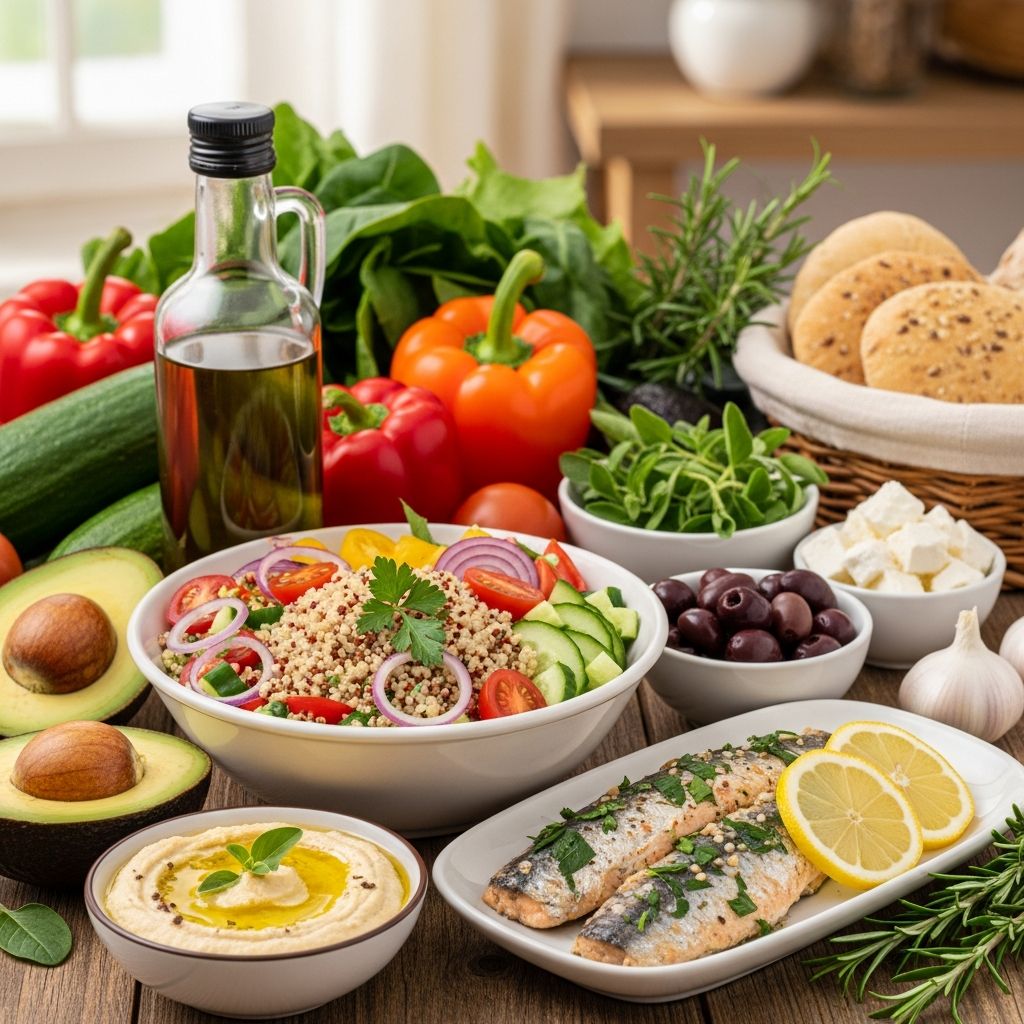
The Mediterranean diet is renowned for its health benefits, and when tailored to emphasize anti-inflammatory foods, it becomes a powerful tool against chronic inflammation. This 7-day meal plan incorporates the core principles of the Mediterranean eating pattern—abundant fruits, vegetables, whole grains, legumes, nuts, olive oil, and fatty fish—while prioritizing ingredients proven to combat inflammation.
What Is the Anti-Inflammatory Mediterranean Diet?
Chronic inflammation contributes to conditions like heart disease, diabetes, arthritis, and even some cancers. The anti-inflammatory Mediterranean diet builds on the traditional pattern by focusing on foods rich in antioxidants, polyphenols, omega-3 fatty acids, and fiber. Key components include:
- Extra-virgin olive oil: The primary fat source, packed with oleocanthal, which mimics the effects of ibuprofen in reducing inflammation.
- Fatty fish: Salmon, sardines, and mackerel provide EPA and DHA omega-3s that lower inflammatory markers like C-reactive protein.
- Colorful produce: Berries, leafy greens, tomatoes, and cruciferous vegetables deliver vitamins C, E, and flavonoids.
- Whole grains and legumes: Quinoa, farro, chickpeas, and lentils offer fiber to support gut health and reduce systemic inflammation.
- Nuts and seeds: Almonds, walnuts, and chia seeds provide healthy fats and vitamin E.
- Herbs and spices: Turmeric, garlic, ginger, and rosemary add potent anti-inflammatory compounds.
Foods to limit: Red meat, processed foods, sugary drinks, and refined grains, as they promote inflammation.
Health Benefits of an Anti-Inflammatory Diet
Research supports the diet’s efficacy. A landmark study in the New England Journal of Medicine showed the Mediterranean diet reduces cardiovascular events by 30% compared to a low-fat diet. More recent meta-analyses confirm it lowers inflammatory biomarkers and improves outcomes in rheumatoid arthritis and metabolic syndrome.
Additional benefits include better weight management, improved brain health, and enhanced mood regulation, thanks to the diet’s emphasis on nutrient-dense foods.
7-Day Anti-Inflammatory Mediterranean Diet Meal Plan
This plan provides approximately 1,500–1,800 calories per day, suitable for most adults. Adjust portions as needed and consult a doctor for personalized advice. Each day features breakfast, lunch, dinner, and two snacks.
Day 1
- Breakfast: Greek yogurt parfait with berries, chia seeds, and walnuts (350 cal)
- A.M. Snack: Apple slices with almond butter (200 cal)
- Lunch: Chickpea salad with cucumber, tomatoes, feta, olives, and olive oil-lemon dressing (450 cal)
- P.M. Snack: Carrot sticks with hummus (150 cal)
- Dinner: Grilled salmon with quinoa, roasted broccoli, and tahini sauce (500 cal)
Day 2
- Breakfast: Overnight oats with almond milk, blueberries, flaxseeds, and cinnamon (350 cal)
- A.M. Snack: Handful of mixed nuts (200 cal)
- Lunch: Lentil soup with spinach, garlic, and whole-grain bread (450 cal)
- P.M. Snack: Sliced bell peppers with guacamole (150 cal)
- Dinner: Baked cod with farro pilaf, kale, and lemon-herb vinaigrette (500 cal)
Day 3
- Breakfast: Smoothie with spinach, banana, berries, Greek yogurt, and turmeric (350 cal)
- A.M. Snack: Pear with a few almonds (200 cal)
- Lunch: Tuna salad wrap in lettuce leaves with avocado, onions, and olive oil (450 cal)
- P.M. Snack: Celery sticks with tahini (150 cal)
- Dinner: Vegetable stir-fry with tofu, brown rice, ginger, and sesame seeds (500 cal)
Day 4
- Breakfast: Avocado toast on whole-grain bread with poached eggs and cherry tomatoes (350 cal)
- A.M. Snack: Greek yogurt with honey and pumpkin seeds (200 cal)
- Lunch: Quinoa bowl with black beans, corn, cilantro, lime, and feta (450 cal)
- P.M. Snack: Cucumber slices with tzatziki (150 cal)
- Dinner: Grilled sardines with sweet potato wedges and arugula salad (500 cal)
Related Stories



Day 5
- Breakfast: Chia pudding with coconut milk, strawberries, and pistachios (350 cal)
- A.M. Snack: Orange segments with walnuts (200 cal)
- Lunch: Falafel salad with romaine, tomatoes, tahini dressing (450 cal)
- P.M. Snack: Radishes with olive tapenade (150 cal)
- Dinner: Turkey meatballs in tomato sauce with zucchini noodles and basil (500 cal)
Day 6
- Breakfast: Whole-grain toast with ricotta, figs, and honey (350 cal)
- A.M. Snack: Trail mix with seeds and dried cherries (200 cal)
- Lunch: White bean soup with rosemary, kale, and whole-grain crackers (450 cal)
- P.M. Snack: Cherry tomatoes with mozzarella (150 cal)
- Dinner: Baked mackerel with couscous, eggplant, and yogurt sauce (500 cal)
Day 7
- Breakfast: Berry smoothie bowl with granola and seeds (350 cal)
- A.M. Snack: Banana with peanut butter (200 cal)
- Lunch: Shrimp and avocado salad with mixed greens and balsamic vinaigrette (450 cal)
- P.M. Snack: Olives and feta cubes (150 cal)
- Dinner: Ratatouille with polenta and pine nuts (500 cal)
Sample Recipes
Grilled Salmon with Quinoa and Broccoli
Ingredients (serves 1): 4 oz salmon fillet, ½ cup cooked quinoa, 1 cup broccoli florets, 1 tsp olive oil, lemon juice, tahini, garlic, salt, pepper.
- Preheat grill. Brush salmon with olive oil, season, grill 4-5 min per side.
- Roast broccoli at 400°F for 15 min with garlic and oil.
- Mix quinoa with lemon. Drizzle tahini sauce over all.
Prep: 10 min | Cook: 20 min | 500 cal
Chickpea Salad
Ingredients: 1 cup chickpeas, ½ cucumber, 1 tomato, ¼ cup feta, 10 olives, 1 tbsp olive oil, lemon, oregano.
Toss all together. Chill 10 min. Serves 1, 450 cal.
Grocery List
| Produce | Proteins | Grains/Dairy | Pantry |
|---|---|---|---|
| Berries (2 pints), Apples (2), Spinach (1 bunch), Broccoli (2 heads), etc. | Salmon (1 lb), Greek yogurt (32 oz), Eggs (dozen), Chickpeas (2 cans) | Quinoa (1 lb), Oats (1 lb), Whole-grain bread (1 loaf) | Olive oil, Almonds (8 oz), Chia seeds, Spices |
Foods to Emphasize and Limit
Emphasize These Anti-Inflammatory Foods
- Fruits: Berries, cherries, oranges, grapes
- Vegetables: Leafy greens, broccoli, tomatoes, onions
- Healthy fats: Olive oil, avocados, nuts
- Seafood: Fatty fish 2-3 times/week
- Other: Dark chocolate (>70% cacao), green tea
Foods to Limit
- Processed meats, sugary foods, trans fats, excessive alcohol
Expert Tips for Success
- Drink plenty of water and herbal teas.
- Use herbs/spices liberally instead of salt.
- Eat mindfully; enjoy meals socially.
- Combine with exercise for amplified benefits.
- Track symptoms like joint pain or fatigue.
Frequently Asked Questions
Is the Mediterranean diet good for inflammation?
Yes, studies show it significantly reduces inflammatory markers like CRP and IL-6.
Can I eat red meat on this plan?
Limit to once weekly; opt for lean cuts or plant-based alternatives.
How long to see benefits?
Many notice improvements in 2-4 weeks; consistency is key.
Is it suitable for vegetarians?
Yes, swap fish for tofu, tempeh, or more legumes.
What’s the calorie range?
1,500-1,800; scale up/down based on needs.
References
- PREDIMED Study: Primary Prevention of Cardiovascular Disease with a Mediterranean Diet — Estruch, R. et al. New England Journal of Medicine. 2013-02-26. https://www.nejm.org/doi/full/10.1056/NEJMoa1200303
- Dietary Inflammatory Index and Inflammatory Gene Expression — Shivappa, N. et al. Journal of Nutrition. 2015-06-10. https://doi.org/10.3945/jn.114.205435
- Mediterranean Diet and Inflammatory Biomarkers — Casas, R. et al. Nutrients. 2014-07-28. https://www.ncbi.nlm.nih.gov/pmc/articles/PMC4115207/
- Omega-3 Fatty Acids and Inflammation — Calder, P.C. Biochemical Society Transactions. 2017-08-15. https://doi.org/10.1042/BST20160474
- U.S. Dietary Guidelines for Americans, 2020-2025 — USDA / HHS. 2020-12-31. https://www.dietaryguidelines.gov/sites/default/files/2020-12/Dietary_Guidelines_for_Americans_2020-2025.pdf
Similar Articles








Read full bio of Sneha Tete