Anti-Inflammatory Raspberry Spinach Smoothie
Harness nature's healing power with a delicious anti-inflammatory smoothie combining raspberries and spinach.
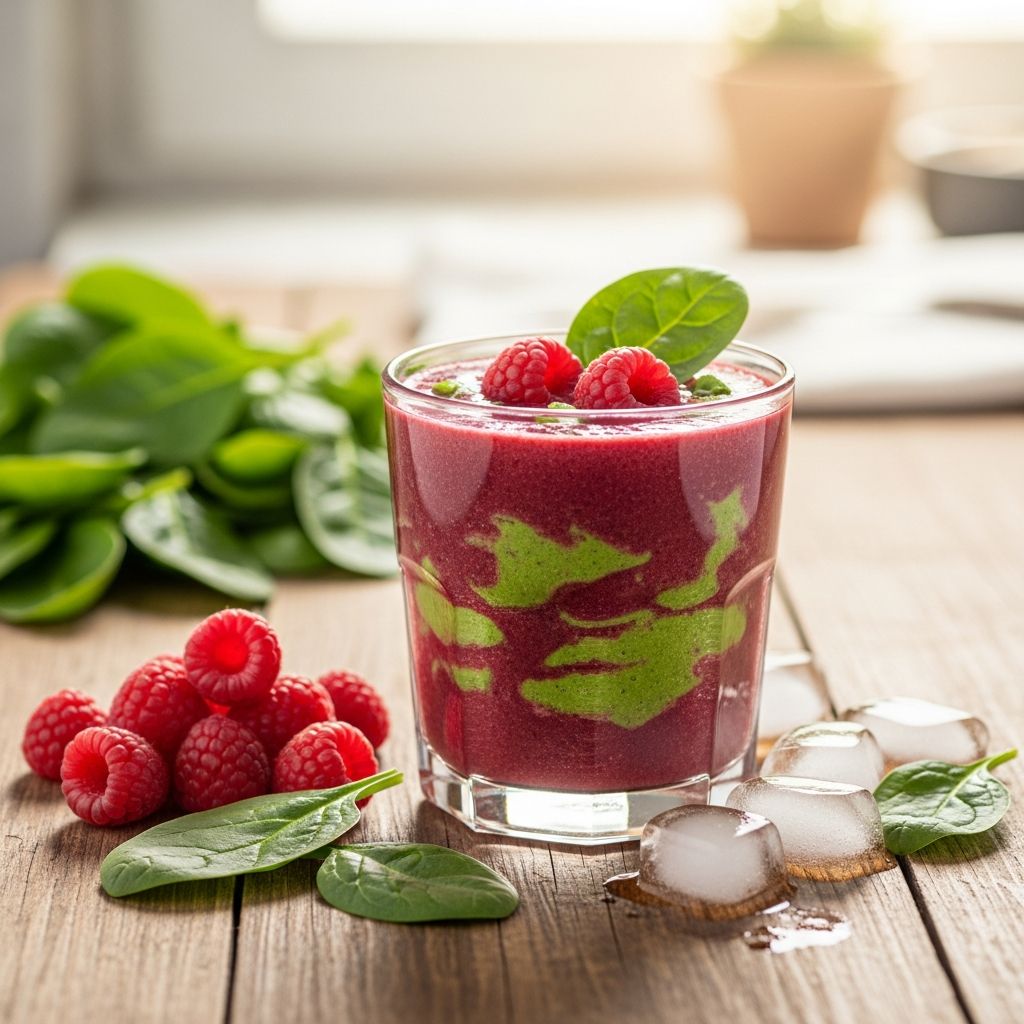
Anti-Inflammatory Raspberry Spinach Smoothie: A Nutrient-Packed Health Boost
In today’s fast-paced world, maintaining optimal health through proper nutrition can be challenging. One simple yet powerful solution is incorporating anti-inflammatory smoothies into your daily routine. The anti-inflammatory raspberry spinach smoothie represents an excellent combination of whole food ingredients designed to combat inflammation naturally. This delicious beverage merges two nutritional powerhouses—raspberries and spinach—creating a drink that not only tastes wonderful but also supports your body’s natural healing processes.
Inflammation is a natural immune response, but chronic inflammation can contribute to various health conditions and discomfort. Research demonstrates that dietary choices play a significant role in managing chronic inflammation and oxidative stress. By choosing to follow a more anti-inflammatory eating pattern, you can potentially benefit your overall health while reducing symptoms associated with inflammatory conditions. Smoothies offer a convenient and efficient way to pack multiple anti-inflammatory ingredients into one delicious drink.
Understanding Anti-Inflammatory Foods and Their Benefits
Anti-inflammatory foods are characterized by their high content of protective compounds including polyphenols, carotenoids, unsaturated fatty acids, and specific vitamins and minerals. These compounds work synergistically within your body to reduce inflammatory markers and support overall wellness. When you consume foods rich in these protective substances, you’re essentially providing your body with natural tools to combat inflammation at the cellular level.
The Mediterranean diet and similar anti-inflammatory eating patterns have gained significant attention from health professionals. These diets emphasize whole fruits, vegetables, and other plant-based foods known to fight inflammation naturally. Smoothies make it remarkably easy to incorporate multiple servings of these beneficial foods into your diet without significant time investment or preparation complexity.
The Power of Raspberries
Raspberries stand out as exceptional anti-inflammatory fruits due to their remarkable antioxidant profile. These delicate berries contain four main antioxidants that specifically help reduce inflammation: anthocyanins, vitamin C, ellagitannins, and quercetin. Each of these compounds plays a distinct role in combating oxidative stress and neutralizing free radicals—unstable molecules that can damage cells and promote inflammation.
Anthocyanins, the pigments responsible for raspberries’ deep red color, have been extensively studied for their anti-inflammatory and antioxidant effects. These polyphenols not only reduce inflammation markers in the body but may also help lower the risk of chronic diseases such as heart disease, diabetes, and cognitive decline. Ellagitannins, another powerful compound found abundantly in raspberries, convert into ellagic acid in your digestive system, where they continue to exert anti-inflammatory benefits.
Additionally, raspberries are notably low in sugar compared to many other fruits, making them an excellent choice for those monitoring their sugar intake while still enjoying naturally sweet flavors. The high fiber content in raspberries also supports digestive health, which is intrinsically connected to immune function and inflammation management.
The Nutritional Benefits of Spinach
Spinach, a leafy green vegetable, serves as another cornerstone of this anti-inflammatory smoothie. Dark leafy greens like spinach are concentrated sources of protective plant compounds and nutrients with powerful anti-inflammatory properties. These include glucosinolates, flavonoids, carotenoids, and vitamin C—all of which support your body’s natural defenses against inflammation.
Related Stories



Research indicates that diets rich in dark green leafy vegetables like spinach can increase blood antioxidant levels while simultaneously decreasing levels of inflammatory markers such as C-reactive protein (CRP). This marker is often elevated in people experiencing chronic inflammation or inflammatory conditions. By regularly consuming spinach-based smoothies, you may help maintain healthier CRP levels and support your body’s inflammatory response.
Spinach’s mild flavor makes it an ideal addition to smoothies, as it blends seamlessly with fruits like raspberries without overpowering the taste. Despite its delicate flavor profile, spinach delivers concentrated nutrition, providing essential vitamins (particularly vitamins A, C, and K), minerals (including iron and magnesium), and phytonutrients that work together to support overall health.
Recipe: How to Make an Anti-Inflammatory Raspberry Spinach Smoothie
Creating your own anti-inflammatory smoothie at home is straightforward and requires just minutes of preparation. This recipe yields one serving but can easily be doubled or tripled for multiple servings.
Ingredients
- 1 cup fresh or frozen raspberries
- 2 cups fresh baby spinach leaves
- 1 banana (provides natural sweetness and creaminess)
- 1 cup unsweetened almond milk (or preferred plant-based milk alternative)
- ½ teaspoon ground turmeric (optional but recommended for enhanced anti-inflammatory benefits)
- Pinch of black pepper (enhances turmeric absorption)
- 1 tablespoon chia seeds
- 4-5 ice cubes (adjust for desired thickness)
- ½ teaspoon fresh grated ginger (optional, adds warming spice and anti-inflammatory properties)
- 1 tablespoon raw honey or maple syrup (optional, for additional sweetness)
Instructions
- Add the unsweetened almond milk to your blender first, creating a liquid base
- Layer in the fresh baby spinach, pressing down gently to fit
- Add the frozen raspberries and banana, which contribute natural sweetness and creamy texture
- Sprinkle in the chia seeds, turmeric powder, black pepper, and fresh ginger if using
- Add ice cubes for desired thickness and cooling effect
- Blend on high speed for 45-60 seconds until completely smooth
- If the consistency is too thick, add an additional ¼ cup of almond milk and blend briefly
- Pour into a glass and serve immediately for maximum nutrient retention
Optional Garnish and Toppings
Enhance the visual appeal and nutritional value of your smoothie by adding complementary toppings. Consider sprinkling additional chia seeds on top, adding unsweetened coconut flakes for tropical flavor, or topping with fresh raspberries. These additions not only improve presentation but also provide extra texture and nutrients.
Nutritional Profile and Health Benefits
| Nutrient | Amount per Serving | % Daily Value |
|---|---|---|
| Calories | 225 | — |
| Total Fat | 1.7g | 2% |
| Saturated Fat | 0.6g | 3% |
| Sodium | 290mg | 12% |
| Total Carbohydrates | 52.9g | 19% |
| Dietary Fiber | 15.7g | 56% |
| Total Sugars | 31.1g | — |
| Protein | 4.7g | 9% |
| Calcium | 112mg | 9% |
| Iron | 1.2mg | 7% |
| Potassium | 1147mg | 33% |
This smoothie provides substantial nutritional benefits within a relatively modest calorie count. The high fiber content (56% of daily value) supports digestive health and promotes sustained energy levels. The impressive potassium content supports heart health and proper muscle function, while the variety of antioxidants provides comprehensive anti-inflammatory support.
Key Anti-Inflammatory Compounds Explained
Understanding the specific compounds in your smoothie helps explain how it supports your health. Anthocyanins, present abundantly in raspberries, are water-soluble pigments belonging to the flavonoid family. These compounds have demonstrated anti-inflammatory and antioxidant effects in numerous scientific studies. Flavonoids work by neutralizing free radicals and reducing the production of inflammatory cytokines—signaling molecules that can perpetuate inflammation throughout your body.
Vitamin C, another crucial component of raspberries and spinach, serves multiple anti-inflammatory functions. This water-soluble vitamin supports immune function, aids in collagen production, and acts as a potent antioxidant. The combination of vitamin C with other antioxidants creates a synergistic effect, where the compounds work together more effectively than individually.
Polyphenols, naturally occurring plant compounds found in both raspberries and spinach, have been extensively researched for their role in preventing cellular damage. These compounds help your body maintain lower inflammatory markers and support overall wellness. The turmeric and ginger additions, if included, further enhance the anti-inflammatory profile through their active compounds curcumin and gingerol, respectively.
When and How to Consume Your Smoothie
The anti-inflammatory raspberry spinach smoothie works well at multiple times throughout your day. Many people enjoy this smoothie as a nutritious breakfast option, providing sustained energy and satiety. The balanced combination of carbohydrates, protein, and fiber helps maintain stable blood sugar levels throughout the morning.
Post-workout consumption represents another excellent time to drink this smoothie. The natural carbohydrates support recovery and replenish glycogen stores, while the antioxidants help address exercise-induced inflammation. Some individuals also consume this smoothie as an afternoon snack or light meal, particularly when they need a nutritional boost without a heavy feeling.
For consistent benefits, consider incorporating this smoothie into your routine 3-5 times weekly. Consistency matters when addressing chronic inflammation, as the cumulative effect of regular antioxidant and polyphenol consumption provides more substantial benefits than occasional consumption.
Variations and Customizations
While the basic raspberry spinach combination provides excellent anti-inflammatory benefits, numerous variations allow you to customize the smoothie to your preferences and nutritional needs. Adding protein powder creates a more filling meal replacement option. Greek yogurt or dairy-free yogurt alternatives increase protein content and create a creamier texture while maintaining anti-inflammatory properties.
Other complementary fruits work beautifully with raspberries and spinach. Frozen blueberries, strawberries, or blackberries add additional anthocyanins and polyphenols. A handful of mango or pineapple introduces tropical sweetness and additional enzymes with anti-inflammatory properties. Citrus fruits like lime or lemon juice brighten the flavor profile while adding vitamin C.
For those seeking additional anti-inflammatory support, consider additions such as fresh ginger root, turmeric powder combined with black pepper, or ground cinnamon. These ingredients complement the fruit flavors while bringing their own therapeutic compounds to the beverage.
Supporting Overall Wellness Beyond Smoothies
While anti-inflammatory smoothies represent an excellent dietary tool, comprehensive inflammation management involves multiple lifestyle factors. Consistent physical activity, adequate sleep, stress management, and overall dietary patterns all contribute to your body’s inflammatory status. Anti-inflammatory smoothies work best as part of a holistic approach to health that includes whole food consumption, regular movement, and adequate hydration.
The Mediterranean dietary pattern, often recommended by health professionals for its anti-inflammatory properties, emphasizes whole grains, healthy fats from olive oil and nuts, legumes, and abundant vegetables and fruits. Smoothies fit naturally into this pattern, providing convenient nutrient delivery while supporting long-term health goals.
Frequently Asked Questions (FAQs)
Q: Can I prepare this smoothie in advance?
A: While best consumed immediately after blending to preserve maximum nutrient content, you can store the smoothie in an airtight container in the refrigerator for up to 24 hours. The color may change slightly due to oxidation, but nutritional benefits remain largely intact. Shake or stir before consuming if separation occurs.
Q: Is this smoothie suitable for people with diabetes or blood sugar concerns?
A: The smoothie contains natural sugars from fruit, but the high fiber content (15.7g per serving) helps moderate blood sugar impact. However, individuals managing diabetes should monitor their intake and potentially reduce added sweeteners. Consulting with a healthcare provider or registered dietitian about portion sizes is recommended.
Q: Can I use fresh raspberries instead of frozen?
A: Absolutely. Fresh raspberries work wonderfully in this smoothie. If using fresh raspberries without frozen fruit, add extra ice cubes (6-8) to achieve desired thickness and create a cold, refreshing texture.
Q: What milk alternatives work best in this recipe?
A: Unsweetened almond milk, oat milk, soy milk, coconut milk, and hemp milk all work well. Choose based on your dietary preferences and nutritional goals. Unsweetened varieties prevent additional sugar content while allowing the natural fruit sweetness to dominate.
Q: How can I make this smoothie more filling as a meal replacement?
A: Add protein powder (plant-based or whey), Greek yogurt, nut butter, or seeds to increase protein and healthy fat content. These additions create a more substantial meal that provides sustained satiety and sustained energy throughout your day.
Q: Is this smoothie suitable for people with inflammatory conditions like arthritis?
A: Yes. The anti-inflammatory compounds in this smoothie may help support people managing rheumatoid arthritis, psoriatic arthritis, and other inflammatory conditions. However, this smoothie should complement, not replace, professional medical treatment. Consult your healthcare provider about incorporating anti-inflammatory smoothies into your comprehensive treatment plan.
Q: Can children drink this smoothie?
A: Yes, this smoothie is appropriate for children ages 2 and older when prepared without additional sweeteners. The nutrient-dense formula supports growing bodies and developing immune systems. For younger children, ensure proper supervision and consider slightly thinner consistency for easier consumption.
References
- Ask the Dietitian: Anti-Inflammatory Smoothies for Psoriatic Arthritis — Bezzy PSA. 2024. https://www.bezzypsa.com/discover/living-well-psa/health-ask-the-dietitian-anti-inflammatory-smoothies-for-psoriatic-arthritis/
- Anti-Inflammatory Smoothie Recipes — Kaurich Chiropractic. 2024. https://www.kaurichchiropractic.com/anti-inflammatory-smoothie-recipes
- Spinach & Berry Smoothie Recipe: A Gut-Friendly Power Drink — Gastrodoxs. 2024. https://www.gastrodoxs.com/recipes/spinach-and-berry-smoothie-recipe
- 3 Smoothies With Anti-Inflammatory Ingredients — myRAteam. 2024. https://www.myrateam.com/resources/smoothies-with-anti-inflammatory-ingredients
- How To Make An Anti-inflammatory Green Smoothie For Women — Plant Based Mavens. 2024. https://plantbasedmavens.com/anti-inflammatory-green-smoothie/
- What are the benefits of berry smoothies? — Juice Press. 2024. https://www.juicepress.com/blogs/news/berry-smoothie-benefits
Similar Articles








Read full bio of medha deb