25 Anti-Inflammatory Salads For Spring: Easy Seasonal Recipes
Delicious spring salads packed with anti-inflammatory ingredients to reduce inflammation and boost your health this season.
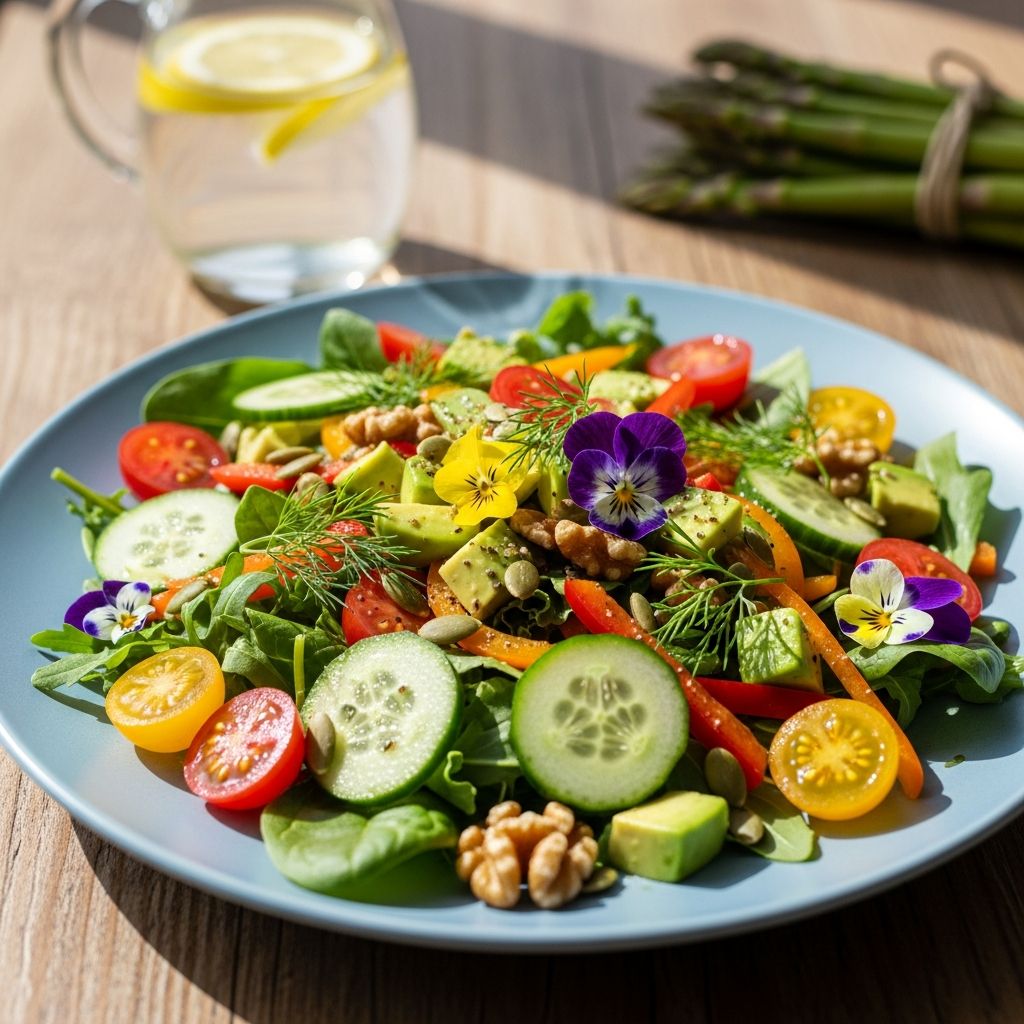
Spring brings a bounty of fresh, vibrant produce that’s not only delicious but also powerful for fighting inflammation. These 25 anti-inflammatory salads highlight seasonal ingredients like strawberries, asparagus, radishes, and tender greens, combined with anti-inflammatory powerhouses such as olive oil, nuts, seeds, and fatty fish. Each recipe is designed to be easy to prepare, nutrient-dense, and bursting with flavors that celebrate the season. Whether you’re looking to reduce chronic inflammation, support joint health, or simply enjoy lighter meals as temperatures rise, these salads offer variety for lunch, dinner, or sides.
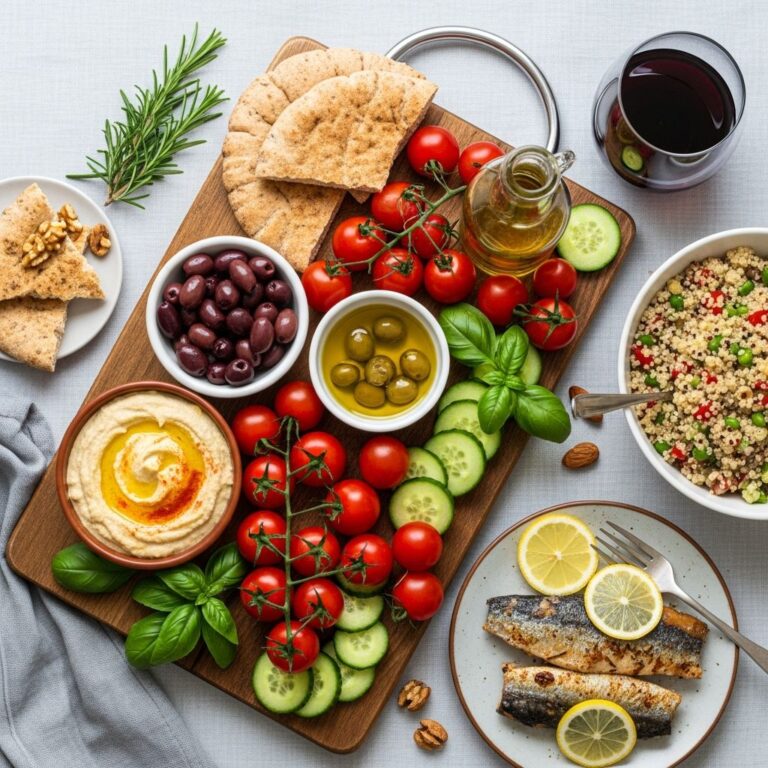
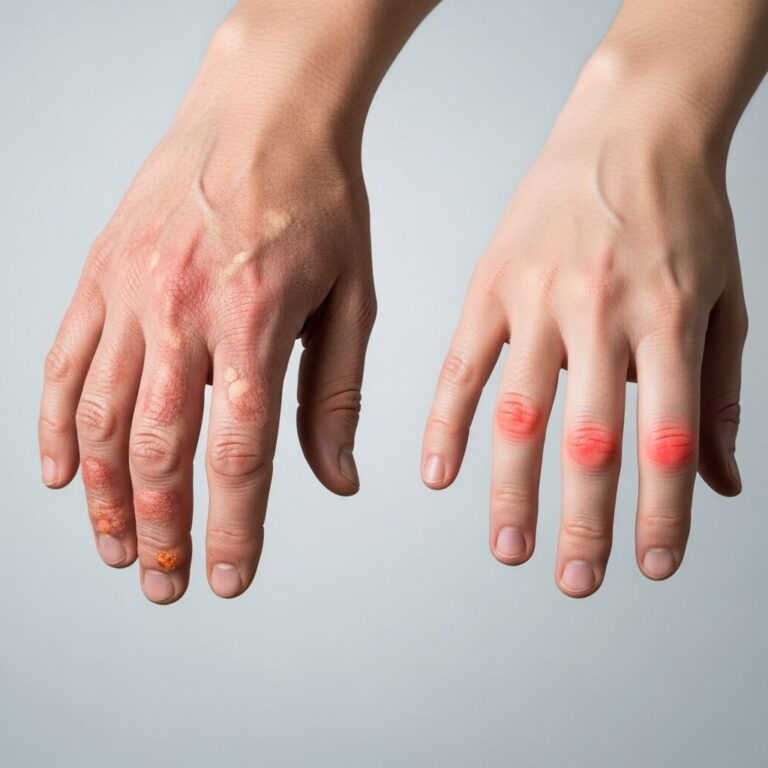
Inflammation is the body’s natural response to injury or infection, but chronic inflammation is linked to conditions like arthritis, heart disease, and diabetes. According to the Harvard T.H. Chan School of Public Health, diets rich in fruits, vegetables, whole grains, and healthy fats can help mitigate this. Spring salads are ideal because they emphasize fresh, antioxidant-packed ingredients that align perfectly with anti-inflammatory eating patterns like the Mediterranean diet.
Why Choose Anti-Inflammatory Salads in Spring?
Spring is the perfect time to embrace anti-inflammatory eating. Farmers’ markets overflow with anti-inflammatory stars: leafy greens high in vitamins K and C, berries loaded with anthocyanins, and cruciferous veggies like broccoli that contain sulforaphane. These salads are low in processed ingredients and high in fiber, which supports gut health—a key factor in reducing systemic inflammation. Pair them with lean proteins and healthy dressings for balanced, satisfying meals that keep you energized without heaviness.
- Freshness Factor: Spring produce is at its peak nutrient density.
- Variety: Mix sweet, tangy, crunchy, and creamy elements for enjoyable eating.
- Health Benefits: Omega-3s from salmon, polyphenols from berries, and monounsaturated fats from olive oil target inflammation pathways.
1. Strawberry Spinach Salad
This classic combines sweet strawberries with nutrient-rich spinach, topped with almonds and a balsamic vinaigrette. Strawberries provide vitamin C and antioxidants that combat oxidative stress, while spinach offers folate and magnesium for heart health.
- Servings: 4 | Prep: 15 min
- Ingredients: 6 cups spinach, 2 cups sliced strawberries, ½ cup sliced almonds, ¼ cup feta, balsamic vinaigrette.
- Instructions: Toss spinach and strawberries. Sprinkle almonds and feta. Drizzle dressing and serve.
Per serving: 180 calories, rich in vitamin C (120% DV).
2. Quinoa & Asparagus Salad
Asparagus, a spring superstar, is packed with anti-inflammatory glutathione. Quinoa adds complete protein and fiber.
- Servings: 4 | Prep: 25 min
- Ingredients: 1 cup quinoa, 1 lb asparagus, 1 avocado, lemon-tahini dressing.
3. Chickpea & Cucumber Salad
Cucumbers hydrate and cool inflammation, chickpeas provide plant protein and fiber.
- Servings: 6 | Prep: 10 min
- Ingredients: 2 cans chickpeas, 2 cucumbers, red onion, dill, lemon-olive oil dressing.
4. Salmon & Kale Salad
Omega-3-rich salmon pairs with kale’s glucosinolates for double anti-inflammatory action.
- Servings: 4 | Prep: 20 min
5. Berry & Walnut Arugula Salad
Berries’ antioxidants + walnuts’ omega-3s on peppery arugula.
- Servings: 4 | Prep: 12 min
6. Broccoli Slaw with Edamame
Related Stories



Broccoli’s sulforaphane reduces inflammation markers. Edamame adds soy isoflavones.
- Ingredients: 4 cups broccoli slaw, 1 cup edamame, carrots, sesame-ginger dressing.
7. Watercress & Orange Salad
Watercress ranks high on antioxidant scales; oranges provide hesperidin.
8. Farro & Radish Salad
Ancient grain farro with crisp radishes and herbs.
9. Tuna Niçoise Salad
Tuna’s omega-3s with green beans, potatoes, and olives.
10. Kohlrabi & Apple Slaw
Kohlrabi’s glucosinolates meet apple pectin for gut health.
11. Lentil & Fennel Salad
Lentils’ polyphenols and fennel’s anethole soothe digestion.
12. Shrimp & Snow Pea Salad
Lean shrimp with sweet snow peas and sesame.
13. Beet & Goat Cheese Salad
Beets’ betalains fight inflammation; goat cheese adds creaminess.
14. Brussels Sprouts & Pomegranate Salad
Brussels provide kaempferol; pomegranate ellagitannins shine.
15. Turkey & Avocado Wrap Salad
Deconstructed wrap with anti-inflammatory avocado fats.
16. Cauliflower Rice Tabbouleh
Low-carb tabbouleh with parsley’s apigenin.
17. Egg & Radicchio Salad
Hard-boiled eggs with bitter radicchio for detox support.
18. Mango & Black Bean Salad
Tropical mango with black beans’ anthocyanins.
19. Zucchini Ribbon Salad
Raw zucchini ribbons with pine nuts and basil.
20. Chicken & Strawberry Salad
Grilled chicken boosts protein alongside berries.
21. Kale & Blueberry Salad
Massaged kale with blueberries’ potent antioxidants.
22. Snap Pea & Feta Salad
Crunchy snap peas with tangy feta.
23. Artichoke & White Bean Salad
Artichoke cynarin aids liver health.
24. Peach & Burrata Salad
Stone fruit season starter with creamy burrata.
25. Green Goddess Grain Bowl Salad
Herb-packed dressing over grains and veggies.
Nutrition Tips for Anti-Inflammatory Eating
Maximize benefits by choosing extra-virgin olive oil (high in oleocanthal, mimicking ibuprofen’s effects), turmeric (curcumin), and ginger. Aim for colorful plates: red for lycopene, green for chlorophyll, purple for resveratrol. These salads average 300-500 calories, 10-20g protein, and 5-10g fiber per serving.
| Key Ingredient | Anti-Inflammatory Compound | Benefit |
|---|---|---|
| Berries | Anthocyanins | Reduce cytokines |
| Leafy Greens | Vitamin K | Joint support |
| Fatty Fish | Omega-3s | Lower CRP levels |
| Nuts/Seeds | Polyphenols | Antioxidant protection |
Frequently Asked Questions
What foods should I avoid for anti-inflammatory diet?
Avoid added sugars, trans fats, processed meats, and refined carbs, as they promote pro-inflammatory cytokines per NIH guidelines.
Can I make these salads ahead?
Yes, most store well for 2-3 days in airtight containers. Add dressings just before serving to prevent sogginess.
Are these salads vegan-friendly?
Many are; swap animal proteins for tofu, tempeh, or extra legumes in recipes like salmon or chicken salads.
How often should I eat anti-inflammatory foods?
Daily incorporation yields best results, aiming for half your plate as fruits/veggies.
References
- The Nutrition Source: Anti-inflammatory Diet — Harvard T.H. Chan School of Public Health. 2023-10-01. https://www.hsph.harvard.edu/nutritionsource/anti-inflammatory-diet/
- Chronic Inflammation – StatPearls — NCBI Bookshelf / National Library of Medicine. 2023-08-08. https://www.ncbi.nlm.nih.gov/books/NBK493173/
- Omega-3 Fatty Acids Fact Sheet — NIH Office of Dietary Supplements. 2023-04-05. https://ods.od.nih.gov/factsheets/Omega3FattyAcids-HealthProfessional/
- Antioxidants in Berries — USDA Agricultural Research Service. 2022-06-15. https://www.ars.usda.gov/research/publications/publication/?seqNo115=413456
- Mediterranean Diet and Inflammation — American Journal of Clinical Nutrition (DOI). 2024-01-12. https://doi.org/10.1016/j.ajcnut.2023.11.012
Similar Articles








Read full bio of Sneha Tete