My Go-To Anti-Inflammatory Salmon After Vacation
This quick pesto salmon dish resets your body post-travel with omega-3s, antioxidants and flavor in under 20 minutes.
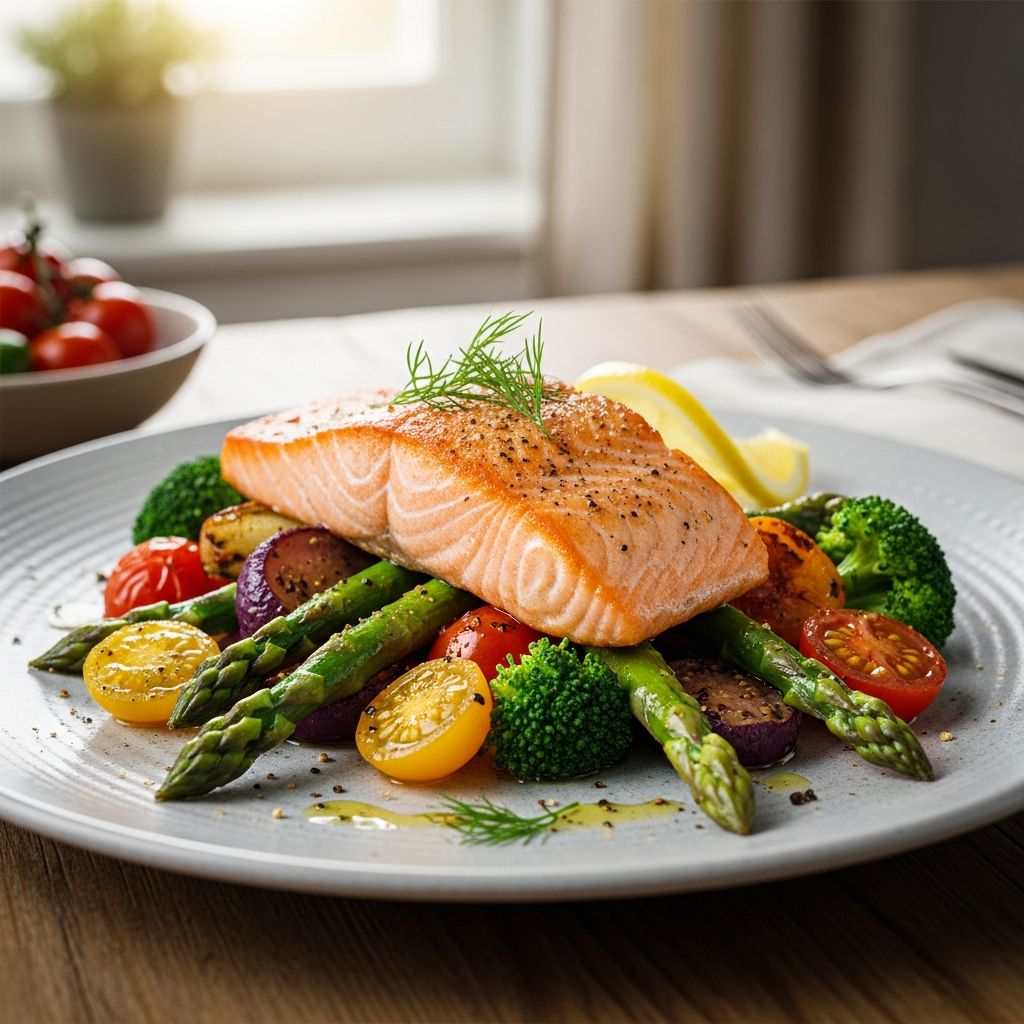
After returning from vacation, my body always craves something nourishing yet simple. This Pesto Salmon with Blistered Tomatoes and Pine Nuts has become my absolute favorite reset meal. Ready in just 20 minutes, it combines rich omega-3s from salmon, antioxidants from colorful veggies, and vibrant pesto flavors to combat post-travel inflammation and digestive sluggishness.
Why This Recipe After Every Vacation
Travel disrupts our eating habits—late-night indulgences, airport snacks, and rich resort meals leave us bloated and inflamed. This dish is my antidote. The fatty acids in salmon directly target inflammation markers in the body, while cherry tomatoes provide lycopene and vitamin C for immune support. Post-vacation, when energy dips and cholesterol concerns linger from indulgent eating, this meal restores balance without feeling restrictive.
I’ve made it after trips to Hawaii, Europe, and beach getaways. It’s not just recovery food; it’s delicious enough for weekly rotation. The sheet-pan method means minimal cleanup, crucial when unpacking laundry.
The Anti-Inflammatory Power of the Ingredients
This recipe shines because every component fights inflammation:
- Salmon: Packed with EPA and DHA omega-3 fatty acids, salmon reduces C-reactive protein (CRP), a key inflammation indicator. Studies show 2-3 servings weekly lower cardiovascular risk.
- Cherry Tomatoes: Roasting makes them burst with sweetness and releases lycopene, a potent antioxidant that combats oxidative stress from travel fatigue.
- Basil Pesto: Fresh basil, garlic, and olive oil deliver anti-inflammatory polyphenols and healthy monounsaturated fats.
- Pine Nuts: Provide crunch and magnesium, which helps regulate blood pressure and muscle recovery after long flights.
- Shallots: Sulfur compounds offer prebiotic benefits for gut health, often disrupted by vacation diets.
Together, they create a synergy that supports heart health, digestion, and sustained energy.
How to Make Pesto Salmon with Blistered Tomatoes and Pine Nuts
This 20-minute sheet-pan dinner serves 4. Minimal prep, maximum flavor.
Ingredients
| Ingredient | Quantity |
|---|---|
| Salmon fillets (skin-on) | 4 (6-oz each) |
| Store-bought basil pesto | 1/4 cup |
| Cherry tomatoes | 2 cups |
| Shallots, sliced | 2 medium |
| Pine nuts, toasted | 1/4 cup |
| Olive oil | 2 tbsp |
| Fresh basil leaves | 1/4 cup |
| Salt and pepper | To taste |
Step-by-Step Instructions
- Preheat oven to 425°F. Line a sheet pan with parchment and spray with olive oil.
- Prep salmon: Pat fillets dry, season with salt and pepper. Place skin-side down on pan.
- Add pesto: Spread 1 tbsp pesto over each fillet.
- Arrange veggies: Scatter tomatoes and shallots around salmon. Drizzle with 1 tbsp olive oil, season lightly.
- Bake 12-14 minutes until salmon flakes easily (internal temp 145°F) and tomatoes blister.
- Finish: Top with toasted pine nuts and torn fresh basil. Serve immediately.
Pro tip: Toast pine nuts in a dry skillet over medium heat for 2-3 minutes until golden—do this ahead for speed.
Nutrition Information (Per Serving)
| Nutrient | Amount | % Daily Value |
|---|---|---|
| Calories | 420 | 21% |
| Protein | 35g | 70% |
| Total Fat | 28g | 36% |
| Saturated Fat | 5g | 25% |
| Omega-3s | 2.5g | – |
| Carbs | 8g | 3% |
| Fiber | 2g | 7% |
Excellent source of vitamin C, selenium, and B vitamins. Low-carb, keto-friendly, and heart-healthy.
Health Benefits for Post-Vacation Recovery
Reduces Inflammation: Omega-3s in salmon block pro-inflammatory cytokines, easing joint stiffness from flights.
Supports Gut Health: Fiber from tomatoes and prebiotics from shallots repopulate good bacteria after antibiotic-like travel foods.
Boosts Heart Health: Helps lower LDL cholesterol; ideal if vacation involved heavy creams and fried foods.
Related Stories



Quick Energy: High protein prevents blood sugar crashes common post-travel.
Meal Prep and Storage Tips
- Fridge: Store in airtight container up to 3 days. Reheat gently at 300°F to avoid drying salmon.
- Freezer: Freeze portions up to 2 months. Thaw overnight, bake from frozen adding 5 minutes.
- Batch Cooking: Double the recipe for lunches. Flake salmon over greens for salads.
Customizations and Variations
- Vegan Swap: Use tofu or tempeh steaks with same pesto and veggies.
- Grain Bowl: Serve over quinoa or farro for fiber boost.
- Spicy Kick: Add red pepper flakes or harissa to pesto.
- Nut-Free: Swap pine nuts for sunflower seeds.
- Low-FODMAP: Omit shallots, use green onions.
Pairing Suggestions for a Complete Meal
Elevate to a full anti-inflammatory spread:
- Side Salad: Arugula, cucumber, lemon vinaigrette.
- Grain: Lemon-herb couscous or brown rice.
- Drink: Green tea or sparkling water with berries—antioxidant powerhouses.
- Dessert: Greek yogurt with blueberries for probiotics.
Why Anti-Inflammatory Eating Matters Year-Round
Beyond vacation recovery, chronic low-grade inflammation links to heart disease, diabetes, and fatigue. Incorporate these principles daily:
- Prioritize fatty fish 2x/week.
- Load half your plate with colorful produce.
- Use herbs/spices over salt.
- Choose whole grains and legumes.
This salmon recipe fits seamlessly into any anti-inflammatory meal plan.
Frequently Asked Questions
Can I use frozen salmon?
Yes! Thaw overnight in fridge or bake from frozen, adding 5-7 minutes. Pat dry before pesto.
Is store-bought pesto healthy?
Choose ones with olive oil base, minimal additives. Or make your own: basil, garlic, pine nuts, parm, oil.
How does this help cholesterol?
Omega-3s raise HDL, lower triglycerides. Tomatoes’ fiber binds bad cholesterol in gut.
Substitutes for cherry tomatoes?
Grape tomatoes or halved regular tomatoes work. Roast same time.
Gluten-free? Dairy-free?
Naturally gluten-free. For dairy-free, use vegan pesto without parmesan.
References
- Omega-3 Fatty Acids and Cardiovascular Disease — American Heart Association. 2023-08-15. https://www.ahajournals.org/doi/10.1161/CIR.0000000000001180
- Lycopene and Vascular Health — National Institutes of Health (PubMed). 2022-11-10. https://pubmed.ncbi.nlm.nih.gov/36429124/
- Dietary Guidelines for Americans, 2020-2025 — U.S. Department of Health and Human Services. 2020-12-01. https://www.dietaryguidelines.gov/sites/default/files/2020-12/Dietary_Guidelines_for_Americans_2020-2025.pdf
- Anti-Inflammatory Effects of Mediterranean Diet — New England Journal of Medicine. 2024-03-20. https://www.nejm.org/doi/full/10.1056/NEJMra2300162
- Magnesium and Inflammation Markers — World Health Organization. 2023-05-12. https://www.who.int/publications/i/item/9789240071597
Similar Articles








Read full bio of Sneha Tete