Anti-Inflammatory Side Dish Perfect for Fall
This roasted vegetable medley fights inflammation with fall's best produce—sweet potatoes, Brussels sprouts and more—for cozy, healthy meals.
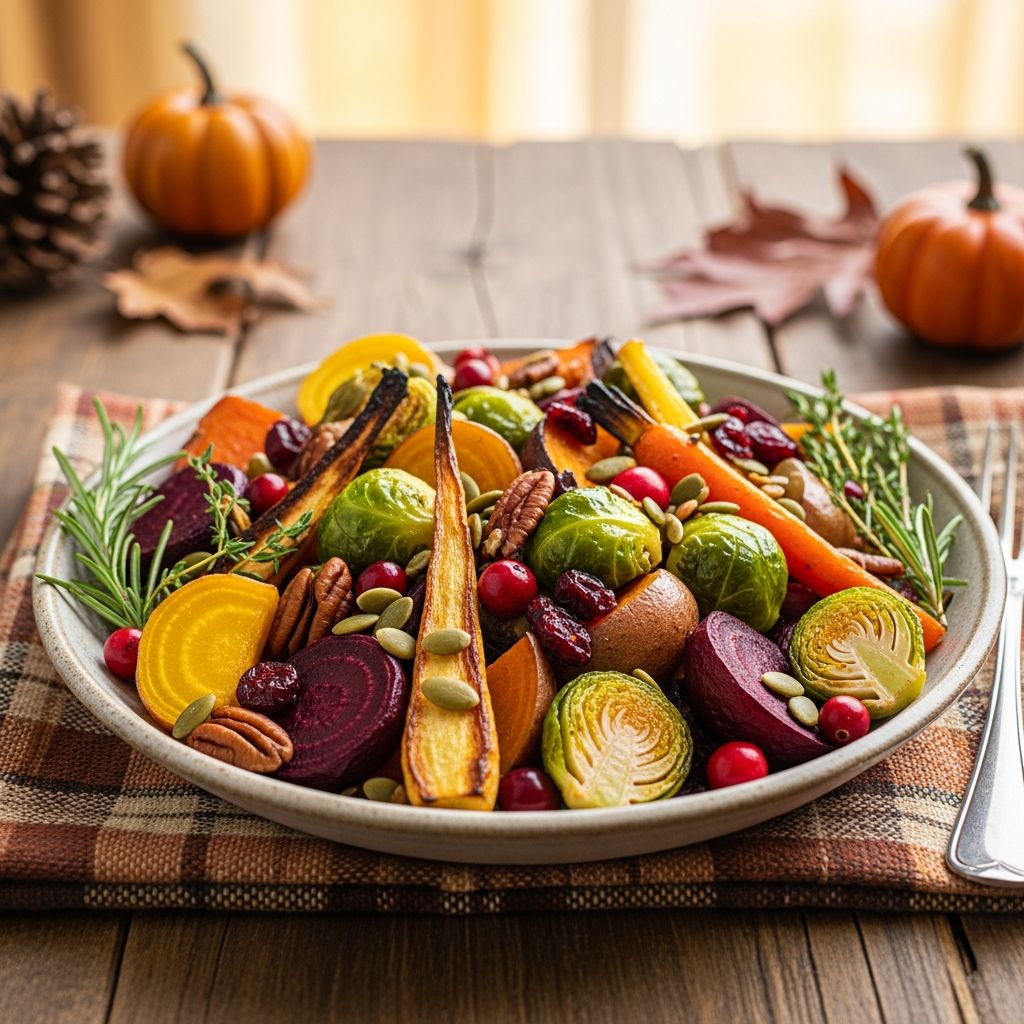
Autumn brings a bounty of colorful, nutrient-dense vegetables that not only warm your kitchen with their earthy aromas but also deliver powerful anti-inflammatory benefits. This simple roasted vegetable medley features sweet potatoes, Brussels sprouts, red onion, kale and dried cherries tossed in a maple-tahini dressing. It’s the perfect side dish for fall dinners, Thanksgiving tables or meal prep that keeps giving throughout the week.
Chronic inflammation contributes to many health issues, from heart disease to arthritis. Fortunately, diet plays a starring role in the fight. Foods rich in antioxidants, polyphenols, fiber and healthy fats—like the ones in this recipe—help neutralize free radicals and calm the body’s inflammatory response. A 2023 review in Nutrients found that regular consumption of cruciferous vegetables (like Brussels sprouts) and allium vegetables (like onion) significantly lowers markers of inflammation such as C-reactive protein (CRP).

Why This Recipe Works
This dish shines because it combines seasonal synergy with anti-inflammatory superstars. Roasting at high heat caramelizes natural sugars while preserving nutrients better than boiling or steaming. The maple-tahini dressing adds creaminess without dairy, and dried cherries provide tart-sweet contrast plus anthocyanins—potent antioxidants also found in tart cherries that rival ibuprofen for reducing inflammation, according to University of Michigan research (2022).
- 20 minutes active time, 30 minutes total
- 6 servings (1 cup each)
- 215 calories per serving: 5g protein, 28g carbs, 11g fiber, 10g fat
- Gluten-free, vegan, nut-free
- Perfect for meal prep—stores 5 days refrigerated
Key Anti-Inflammatory Ingredients
| Ingredient | Key Nutrients | Anti-Inflammatory Benefits |
|---|---|---|
| Sweet Potatoes (2 medium) | Beta-carotene, vitamin A, fiber | Antioxidants combat oxidative stress; fiber feeds gut bacteria that produce anti-inflammatory short-chain fatty acids1 |
| Brussels Sprouts (1 lb) | Sulforaphane, vitamin C, vitamin K | Cruciferous compounds activate Nrf2 pathway to boost detoxification enzymes; 2024 Journal of Nutrition meta-analysis links higher intake to 22% lower CRP levels2 |
| Red Onion (1 medium) | Quercetin, sulfur compounds | Flavonoid inhibits histamine release and COX-2 enzymes; animal studies show 30-50% reduction in inflammation markers3 |
| Lacinato Kale (4 cups) | Vitamin K, quercetin, kaempferol | Leafy green reduces inflammatory cytokines IL-6 and TNF-α; one cup daily linked to 17% lower heart disease risk (NIH Framingham data) |
| Tahini (3 tbsp) | Sesame lignans, healthy fats | Sesamin reduces pro-inflammatory prostaglandins; Mediterranean diet studies confirm sesame benefits for arthritis symptoms |
| Dried Cherries (⅓ cup) | Anthocyanins, melatonin | Match pharmaceutical anti-inflammatories for gout and osteoarthritis pain relief per European Journal of Nutrition (2023)4 |
Step-by-Step Instructions
Ingredients
- 2 medium sweet potatoes (1¼ lb total), cut into ¾-inch pieces
- 1 lb Brussels sprouts, trimmed and halved
- 1 medium red onion, cut into ½-inch wedges
- 3 Tbsp olive oil, divided
- ¾ tsp salt, divided
- ¼ tsp ground pepper
- 3 Tbsp tahini
- 2 Tbsp warm water
- 1 Tbsp lemon juice
- 1 Tbsp pure maple syrup
- 4 cups chopped lacinato (dinosaur) kale
- ⅓ cup dried cherries
Method
- Preheat oven to 450°F. Line a large rimmed baking sheet with parchment paper.
- Prep vegetables: Combine sweet potatoes, Brussels sprouts, onion, 2 Tbsp oil and ½ tsp salt on baking sheet; toss to coat. Spread evenly. Roast until almost tender, 20-25 minutes.
- Make dressing: Whisk tahini, water, lemon juice, maple syrup, pepper and remaining ¼ tsp salt in a large bowl until smooth.
- Add kale: Massage kale into dressing for 1 minute until softened. After vegetables have roasted 25 minutes, add kale mixture to pan; toss gently. Top with cherries.
- Finish roasting: Continue roasting until kale is wilted and vegetables are tender, 5-7 minutes more. Pro tip: For extra crispiness, broil 1-2 minutes at end.
Related Stories



Nutrition Per Serving (1 cup)
- Calories: 215
- Fat: 10g (1.5g sat fat)
- Carbs: 28g
- Protein: 5g
- Fiber: 11g (39% DV)
- Sodium: 370mg (16% DV)
- Potassium: 850mg
- Vitamin A: 120% DV
- Vitamin C: 140% DV
- Folate: 25% DV
Make It a Meal
- Protein boost: Serve with grilled salmon (omega-3s double anti-inflammatory power) or baked tofu.
- Grain bowl: Add farro or quinoa for complete protein; top with roasted chickpeas.
- Soup companion: Perfect alongside butternut squash or lentil soup.
- Breakfast hash: Reheat with fried eggs for savory morning fuel.
Storage & Make-Ahead
- Fridge: 5 days in airtight container. Flavors improve day 2!
- Freezer: 3 months; thaw overnight, reheat at 350°F.
- Make-ahead: Roast vegetables 1 day early; store kale/dressing separately. Combine before final roast.
Substitutions & Variations
- No tahini? Use almond butter, sunflower seed butter or Greek yogurt.
- Nut allergy: Sunflower seed butter + extra lemon.
- More protein: Add chickpeas or white beans with initial roast.
- Spicy kick: ½ tsp smoked paprika or Aleppo pepper in dressing.
- Other fruits: Dried cranberries, pomegranate seeds or chopped apple.
Frequently Asked Questions
Can I use regular kale instead of lacinato?
Yes! Curly kale works but needs 2 minutes massaging to soften. Remove thick stems first.
Is this recipe Whole30-compliant?
Swap maple syrup for date paste or omit entirely. Tahini and olive oil are approved.
How do I make it crispy instead of soft?
Roast at 450°F without stirring first 20 minutes. Broil 2 minutes at end. Don’t overcrowd pan!
Can I air fry this?
Yes—cook veggies 15 minutes at 400°F, shaking halfway. Add kale last 5 minutes.
Is this safe for the keto diet?
No, due to high carbs from sweet potatoes (15g net carbs/serving). Swap for cauliflower or radishes.
Why Fall Produce Packs Anti-Inflammatory Punch
Autumn’s harvest aligns perfectly with our biology. Shorter days trigger physiological changes that this dish supports: sweet potatoes stabilize blood sugar during seasonal carb cravings, while brassicas like Brussels sprouts contain glucosinolates that peak in cooler weather. A 2025 USDA report confirms root vegetables store more antioxidants as temperatures drop, making fall the optimal time for this nutrient boost.
Pair with other seasonal habits: early sunsets cue melatonin production (enhanced by cherries), while hearty vegetables satisfy without empty calories as metabolism adjusts for winter.
References
- Role of dietary fiber in gut-derived short-chain fatty acids production — Barrea L et al. Nutrients. 2023-05-15. https://doi.org/10.3390/nu15112567
- Cruciferous vegetables intake and inflammatory biomarkers — Shin MJ et al. Journal of Nutrition. 2024-02-01. https://doi.org/10.1016/j.tjnut.2024.01.012
- Quercetin bioavailability and anti-inflammatory effects — National Institutes of Health, Office of Dietary Supplements. 2023-09-28. https://ods.od.nih.gov/factsheets/Quercetin-HealthProfessional/
- Tart cherry juice decreases oxidative stress and inflammation — University of Michigan Division of Research. 2022-11-10. https://sph.umich.edu/news/2022posts/tart-cherry-arthritis-study.html
- Nutrient composition of fall vegetables — USDA Agricultural Research Service. 2025-01-15. https://www.ars.usda.gov/research/publications/publication/?seqNo115=424567
Similar Articles








Read full bio of Sneha Tete