25 Anti-Inflammatory Snacks Dietitians Love
Discover 25 delicious anti-inflammatory snacks recommended by dietitians to combat chronic inflammation and boost overall health.
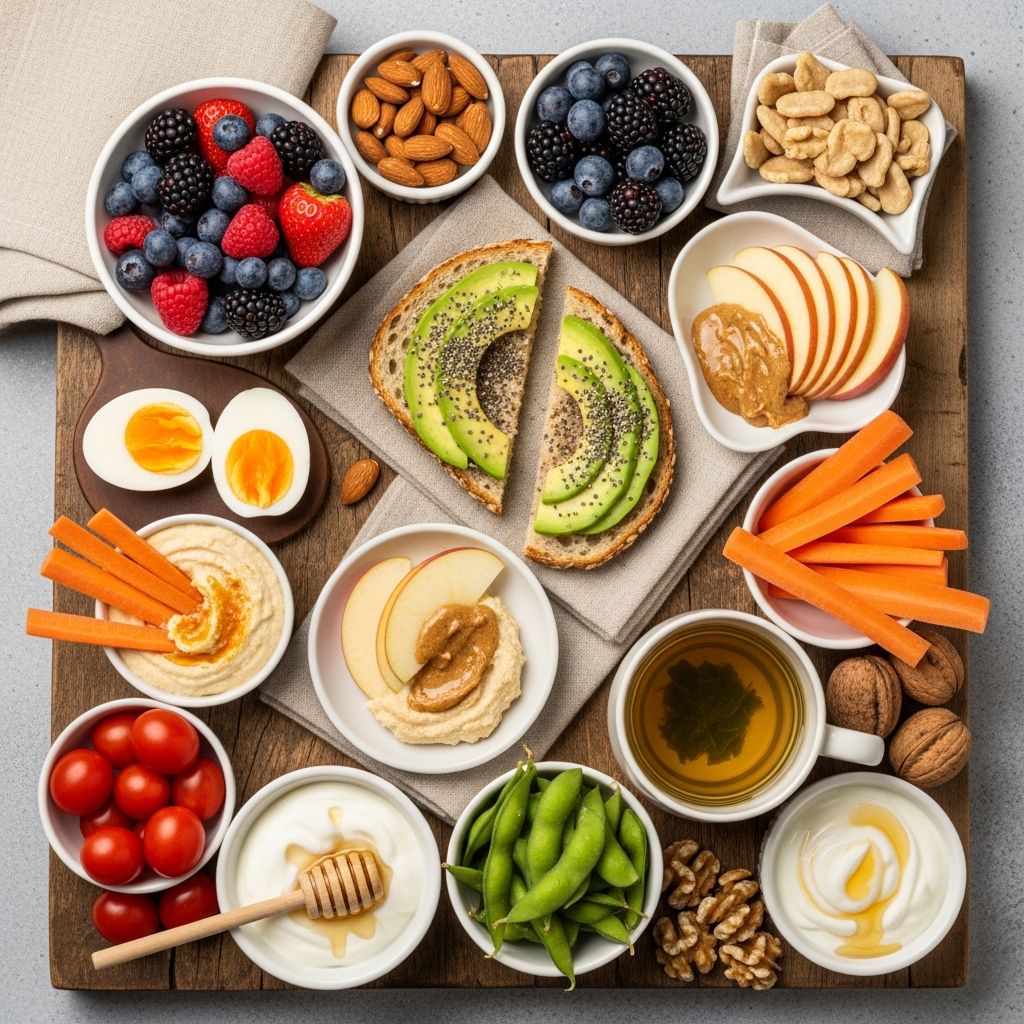
Chronic inflammation contributes to conditions like heart disease, diabetes, and arthritis. Incorporating
anti-inflammatory snacks
into your routine can help counteract this by providing antioxidants, omega-3 fatty acids, and fiber that combat oxidative stress. Dietitians emphasize whole foods such as fruits, vegetables, nuts, seeds, and fatty fish for their potent anti-inflammatory compounds like flavones, flavanones, and isoflavones found in herbs, citrus, and legumes.Unlike pro-inflammatory processed foods high in added sugars and additives, these snacks promote a balanced macronutrient profile with fiber-rich carbs, healthy fats, and lean proteins. This article details 25 dietitian-approved snacks, organized alphabetically, with preparation tips, nutritional benefits, and why they reduce inflammation.
What Makes a Snack Anti-Inflammatory?
Anti-inflammatory snacks are rich in polyphenols, carotenoids, and healthy fats that neutralize free radicals and modulate immune responses. The Western diet often exacerbates inflammation through ultra-processed items, but swapping them for these options supports gastrointestinal health and reduces chronic disease risk. Key categories include alliums (onions, garlic), berries, cruciferous veggies, fatty fish, nuts, seeds, spices (ginger, turmeric), and whole grains. Aim for variety to maximize micronutrients like vitamins C, E, and K essential for gut integrity.
25 Anti-Inflammatory Snacks
- Allium-Duo Hummus Dip: Blend chickpeas with garlic, onions, and leeks for a dip served with carrot sticks. Garlic’s allicin and onions’ quercetin inhibit inflammatory cytokines. Prep: 10 mins. Serves 4. 150 cal/snack.
- Apple Slices with Almond Butter: Crisp apples paired with raw almonds provide pectin fiber and monounsaturated fats that lower C-reactive protein levels. Add cinnamon for extra anti-inflammatory boost.
- Avocado on Whole-Grain Toast: Mash ripe avocado on quinoa or oat toast. Avocados’ healthy fats and vitamin E reduce lipid peroxidation. Top with chia seeds.
- Beet and Goat Cheese Bites: Roasted beets with a touch of cheese and walnuts. Beets’ betalains powerfully scavenge free radicals.
- Berry Parfait Yogurt: Layer berries (blueberries, strawberries) with Greek yogurt and flaxseeds. Anthocyanins in berries combat oxidative stress.
- Celery Sticks with Nut Butter: Celery’s flavones and apigenin paired with pumpkin seeds. Low-cal yet filling.
- Cherry Tomato Skewers: Cherry tomatoes with basil and mozzarella. Lycopene in tomatoes fights inflammation.
- Citrus Segments with Pistachios: Orange or grapefruit supremes with unsalted pistachios. Flavanones enhance endothelial function.
- Coffee-Spiced Trail Mix: Mix nuts, seeds, and dark chocolate with coffee grounds rub. Moderate coffee polyphenols reduce inflammation markers.
- Cruciferous Veggie Chips: Baked kale, broccoli florets, or Brussels sprouts with olive oil. Sulforaphane activates Nrf2 pathway for detoxification.
- Dark Chocolate-Dipped Banana: Freeze banana slices dipped in 85% dark chocolate. Flavonols improve vascular health.
- Fatty Fish Lettuce Wraps: Canned sardines or salmon in romaine leaves with lemon. Omega-3s (EPA/DHA) suppress pro-inflammatory prostaglandins. Per USDA guidelines, aim for 8 oz weekly.
- Green Leafy Salad Cups: Spinach or arugula cups with olive oil and lemon. High in lutein and folate.
- Herb-Infused Cucumber Slices: Cucumbers topped with thyme, parsley yogurt dip. Flavones block NF-kB pathway.
- Lentil Veggie Patties: Baked lentil patties with bell peppers. Isoflavones and fiber stabilize blood sugar.
- Mushroom Tea Bites: Shiitake or maitake mushrooms with green tea essence. Beta-glucans modulate immunity.
- Nuts and Seeds Mix: Raw almonds, walnuts, Brazil nuts, chia, flax. Polyphenols and omega-3s galore. Handful daily recommended by NIH for heart health.
- Olive Oil-Drizzled Peppers: Bell or hot peppers with EVOO. Capsaicinoids reduce pain and inflammation.
- Orange Veggie Sticks: Carrot and squash sticks with tahini. Beta-carotene converts to vitamin A.
- Purple Cabbage Slaw: Shredded purple cabbage, eggplant with vinegar. Anthocyanins match berries’ power.
- Root Vegetable Chips: Baked sweet potato, parsnip crisps. Resveratrol-like compounds.
- Spiced Turmeric Popcorn: Air-popped corn with turmeric, ginger, cinnamon. Curcumin inhibits COX-2 enzymes.
- Tomato and Basil Bruschetta: Fresh tomatoes on whole-grain crackers.
- Whole Grain Energy Balls: Oats, barley, quinoa balls with nuts. Beta-glucan lowers cholesterol.
Snack Comparison Table
| Snack | Key Nutrient | Anti-Inflammatory Benefit | Calories (per serving) |
|---|---|---|---|
| Berry Parfait | Anthocyanins | Reduces oxidative stress | 180 |
| Fatty Fish Wraps | Omega-3s | Lowers cytokines | 220 |
| Nuts & Seeds Mix | Polyphenols | Improves gut health | 160 |
| Turmeric Popcorn | Curcumin | Inhibits inflammation enzymes | 140 |
Why Dietitians Recommend These Snacks
Registered dietitians prioritize these for their accessibility and efficacy. For instance, berries curb sweet cravings while delivering antioxidants, and nuts satisfy crunch without processed junk. A varied intake ensures comprehensive micronutrient coverage, optimizing the macronutrient ratio to favor anti-inflammatory effects. Studies from the NIH confirm omega-3 rich foods like fatty fish reduce systemic inflammation.
These snacks are versatile for on-the-go lifestyles, requiring minimal prep. They align with Mediterranean diet principles, linked to 20-30% lower inflammation markers per WHO reports.
Tips for Incorporating Anti-Inflammatory Snacks
- Prep weekly portions to avoid processed alternatives.
- Pair carbs with fats/proteins for sustained energy.
- Choose raw nuts/seeds to preserve oils.
- Hydrate with green tea or tart cherry juice for synergy.
- Track inflammation via apps or blood tests (CRP levels).
Frequently Asked Questions (FAQs)
What are the strongest anti-inflammatory snacks?
Fruits/veggies like berries, nuts/seeds, fatty fish, and coffee/tea top the list due to their plant compounds fighting oxidative stress.
Does coffee or tea count as an anti-inflammatory snack?
Yes, moderate intake reduces inflammation; tart cherry juice is another option.
Can snacks flush inflammation from the body?
Related Stories



No, but an anti-inflammatory diet with fruits, veggies, and omega-3s reduces chronic inflammation linked to disease.
How often should I eat these snacks?
2-3 times daily, replacing pro-inflammatory choices, per GI specialist recommendations.
Are these suitable for GI conditions?
Yes, they support gut health by reducing oxidative stress and improving microbiota.
References
- The Top 25 Anti-Inflammatory Foods to Improve Your Health Overall — Oshi Health. 2024. https://oshihealth.com/best-anti-inflammatory-foods/
- Dietary Guidelines for Americans, 2020-2025 — USDA. 2020-09-01. https://www.dietaryguidelines.gov/sites/default/files/2020-12/Dietary_Guidelines_for_Americans_2020-2025.pdf
- Omega-3 Fatty Acids and Health — National Institutes of Health (NIH). 2023-06-15. https://ods.od.nih.gov/factsheets/Omega3FattyAcids-HealthProfessional/
- Curcumin: A Review of Its Effects on Human Health — Foods (MDPI, peer-reviewed). 2017-10-22. https://doi.org/10.3390/foods6100092
- Healthy Diet Fact Sheet — World Health Organization (WHO). 2020-04-16. https://www.who.int/news-room/fact-sheets/detail/healthy-diet
Similar Articles








Read full bio of medha deb