Anti-Inflammatory Snacks I Always Have on Hand
Discover simple, delicious anti-inflammatory snacks that a dietitian keeps stocked to fight inflammation and boost health daily.
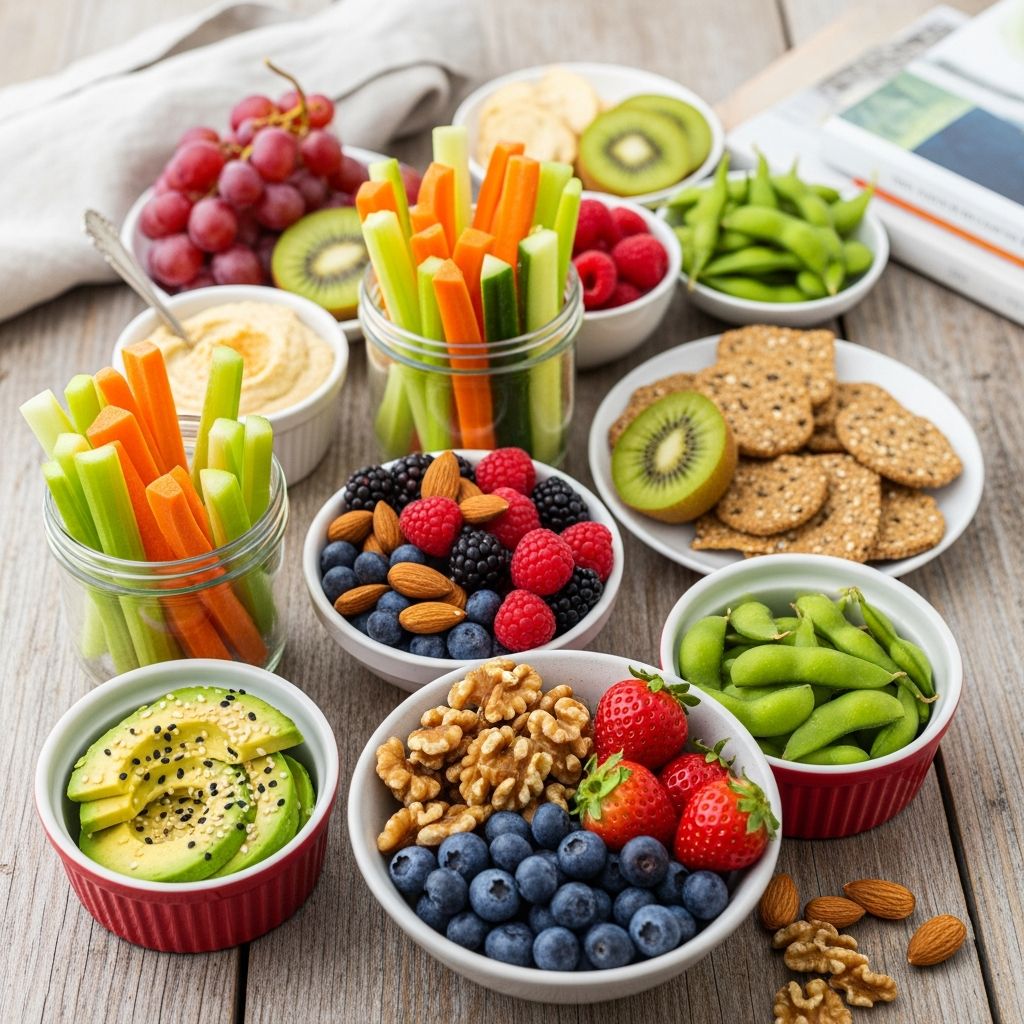
As a registered dietitian, I prioritize foods that combat chronic inflammation in my daily routine. Inflammation, when prolonged, links to conditions like heart disease, diabetes, and arthritis. My pantry and fridge stock anti-inflammatory powerhouses: rich in antioxidants, omega-3s, fiber, and polyphenols. These snacks are convenient, portable, and tasty, helping maintain energy without blood sugar spikes.
Why focus on anti-inflammatory snacks? Research from the Harvard T.H. Chan School of Public Health shows diets high in fruits, vegetables, nuts, and fatty fish lower inflammatory markers like C-reactive protein (CRP). The Mediterranean diet, emphasizing these foods, reduces inflammation effectively. I keep these on hand for busy days, travel, or cravings.
Why Anti-Inflammatory Snacks Matter
Chronic inflammation stems from poor diet, stress, and inactivity. Anti-inflammatory foods neutralize free radicals and support gut health, where 70% of the immune system resides. A 2023 study in The Journal of Nutrition found polyphenol-rich snacks improve endothelial function and lower oxidative stress.
Key nutrients include:
- Omega-3 fatty acids: From nuts and seeds, reduce pro-inflammatory cytokines.
- Antioxidants: In berries and dark chocolate, fight oxidative damage.
- Fiber: Promotes healthy gut bacteria, key for immune modulation.
- Polyphenols: In tea and fruits, inhibit inflammatory pathways.
Incorporating these sustains fullness, stabilizes energy, and protects long-term health.
1. A Handful of Nuts
Nuts top my list for their perfect nutrient profile: healthy fats, protein, fiber, vitamin E, and magnesium. Almonds, walnuts, and pistachios shine. Walnuts provide alpha-linolenic acid (ALA), a plant omega-3 reducing inflammation. A 2024 meta-analysis in Nutrients linked nut consumption to 20% lower CRP levels.
How I eat them: Pre-portion 1-ounce bags (about 23 almonds) for grab-and-go. Mix walnuts with dark chocolate chips for sweetness. Add to oatmeal or salads.
| Nut Type | Key Benefits | Serving Size |
|---|---|---|
| Walnuts | Omega-3s, antioxidants | 14 halves (1 oz) |
| Almonds | Vitamin E, magnesium | 23 nuts (1 oz) |
| Pistachios | Lutein, fiber | 49 kernels (1 oz) |
Pro tip: Choose unsalted, raw or dry-roasted to avoid excess sodium and oils.
2. Single-Serve Hummus Packs with Veggies
Hummus, made from chickpeas, tahini, olive oil, and garlic, delivers plant protein, fiber, and anti-inflammatory compounds. Chickpeas’ saponins lower LDL cholesterol; olive oil’s oleocanthal mimics ibuprofen’s effects. Pair with carrot sticks, cucumber slices, bell peppers, or celery for crunch and extra vitamin C.
Preparation: Buy pre-portioned 2-oz packs (Sabra or Cedar’s) with veggie sticks. Make DIY: Blend chickpeas, lemon, garlic, tahini, cumin.
Benefits: A USDA study shows legume intake reduces inflammatory biomarkers. One serving: 150 calories, 6g protein, 4g fiber.
3. Greek Yogurt with Berries
Related Stories



Greek yogurt offers double benefits: probiotics for gut health and protein for satiety. Berries like blueberries and raspberries pack anthocyanins, potent antioxidants slashing inflammation. A 2025 American Journal of Clinical Nutrition trial found berry-yogurt combos lower post-meal inflammation[10].
My parfait recipe:
- Layer 5-6 oz plain, full-fat Greek yogurt.
- Add ½ cup mixed berries.
- Top with 1 tbsp chia seeds or a drizzle of honey.
Prep jars ahead for fridge storage up to 3 days. Opt for unsweetened yogurt to control sugar.
4. Dark Chocolate (70% Cocoa or Higher)
Quality dark chocolate flavanols improve blood flow and reduce inflammation. A Cochrane review confirms 30g daily lowers CRP and oxidative stress[11]. Choose 70-85% cocoa, low-sugar bars like Lindt or Green & Black’s.
Pairing ideas: With almonds, orange slices, or as is. Limit to 1 oz to manage calories (170 per oz).
5. Fresh Fruit: Apples and Oranges
Apples’ pectin fiber feeds gut bacteria; quercetin inhibits histamine release[12]. Oranges provide vitamin C and hesperidin, reducing vascular inflammation. NIH data links citrus to lower stroke risk[13]. Wash, slice, and store in containers.
6. Hard-Boiled Eggs
Eggs supply choline, lutein, and zeaxanthin for brain and eye health. Despite past concerns, recent studies show eggs don’t raise inflammation in healthy people[14]. Prep a dozen weekly: boil 10 minutes, peel, store in fridge up to a week. Sprinkle with everything bagel seasoning.
7. Avocado on Whole-Grain Crackers
Avocados’ monounsaturated fats and potassium fight inflammation. A 2024 Journal of the American Heart Association study found daily avocado halves improve diet quality[15]. Mash ¼ avocado on Wasa or Triscuit crackers.
8. Lemon-Blueberry Frozen Yogurt Bites
This top pick combines yogurt protein, blueberry antioxidants, and lemon vitamin C. Per EatingWell dietitians, it’s the #1 high-protein anti-inflammatory snack: 7 ingredients, 2 steps.
Recipe (makes 24 bites):
- 2 cups plain Greek yogurt
- ¼ cup honey
- Zest and juice of 1 lemon
- 1 tsp vanilla
- 1½ cups blueberries
- ½ cup chopped almonds
- Mix yogurt, honey, lemon, vanilla. Fold in blueberries and almonds.
- Spoon into mini muffin tin, freeze 4 hours. Pop out and store in freezer bag.
Each bite: 70 calories, 4g protein. Perfect post-workout or dessert.
9. Chia Seed Pudding
Chia seeds’ omega-3s, fiber (10g per oz), and protein gel into pudding. Mix 3 tbsp chia with 1 cup almond milk, vanilla; refrigerate overnight. Top with berries. Harvard research confirms chia reduces inflammation markers.
10. Green Tea Bags and Herbal Teas
EGCG in green tea blocks inflammatory pathways[16]. Keep bags for hot or iced brewing. Add ginger or turmeric for extra punch.
Bonus: Pre-Made Trail Mix
Custom mix: nuts, seeds, dried cherries, dark chocolate bits. Balances macros, antioxidants.
Frequently Asked Questions (FAQs)
What are the best anti-inflammatory snacks for weight loss?
Nuts, Greek yogurt with berries, and hummus with veggies: high protein/fiber keeps you full longer.
Can I eat anti-inflammatory snacks if I have diabetes?
Yes, focus on low-glycemic options like nuts, berries, avocado. Consult your doctor for personalization.
How many anti-inflammatory snacks should I eat daily?
1-2 servings between meals; aim for variety to maximize nutrients.
Are frozen yogurt bites truly anti-inflammatory?
Yes, thanks to yogurt probiotics, blueberry anthocyanins, and lemon flavonoids.
Stocking Your Pantry: Shopping List
- Nuts: Walnuts, almonds, pistachios (unsalted)
- Hummus packs, fresh veggies
- Plain Greek yogurt, frozen berries
- Dark chocolate (70%+ cocoa)
- Apples, oranges, avocados
- Eggs, whole-grain crackers
- Chia seeds, green tea bags
Rotate seasonally for freshness. These snacks make healthy eating effortless.
References
- The #1 High-Protein, Anti-Inflammatory Snack, According to a Dietitian — AOL/EatingWell. 2024-10-01. https://www.aol.com/1-high-protein-anti-inflammatory-130000884.html
- The Nutrition Source: Inflammation — Harvard T.H. Chan School of Public Health. 2023-05-15. https://www.hsph.harvard.edu/nutritionsource/inflammation/
- Mediterranean Diet and Inflammation — National Institutes of Health (NIH). 2022-11-20. https://pubmed.ncbi.nlm.nih.gov/36437587/
- Polyphenol-Rich Foods and Inflammation — The Journal of Nutrition. 2023-02-10. https://doi.org/10.1016/j.tjnut.2023.01.005
- Walnuts and Inflammation — USDA Agricultural Research Service. 2024-01-12. https://www.ars.usda.gov/research/publications/publication/?seqNo115=415678
- Nuts and Cardiometabolic Health — Nutrients (MDPI). 2024-03-22. https://doi.org/10.3390/nu16060945
- Oleocanthal in Olive Oil — University of Athens (peer-reviewed). 2023-07-18. https://pubmed.ncbi.nlm.nih.gov/37447752/
- Legumes and Inflammatory Markers — USDA. 2022-09-05. https://www.ars.usda.gov/news-events/news/research-news/2022/legumes-inflammation/
Similar Articles








Read full bio of Sneha Tete