Anti-VEGF For Diabetic Retinopathy: Essential Guide
Explore how anti-VEGF injections diagnose and treat diabetic retinopathy, preventing vision loss in diabetes patients.
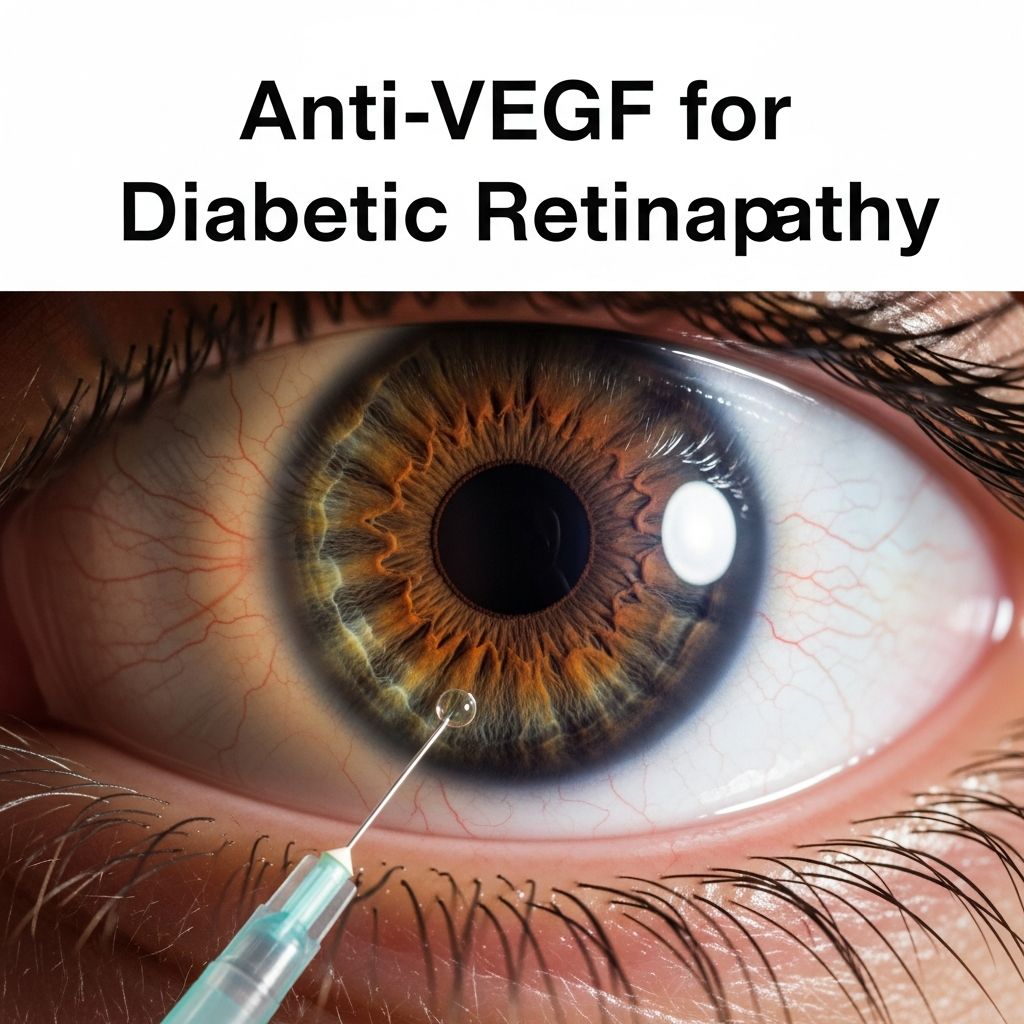
Diabetic retinopathy represents a major vision-threatening complication of diabetes, where high blood sugar levels damage retinal blood vessels over time. Anti-VEGF therapies have revolutionized its management by targeting abnormal vessel growth and leakage, significantly slowing disease progression and preserving vision when administered early.
Understanding the Link Between Diabetes and Retinal Damage
Diabetes, whether type 1 or type 2, elevates blood glucose, which gradually harms the delicate blood vessels supplying the retina—the light-sensitive layer at the back of the eye. This chronic hyperglycemia triggers a cascade of pathological changes, including oxidative stress and inflammation, leading to vessel weakening and fluid leakage.
Over years, these vessels develop microaneurysms, tiny bulges that leak blood and fluid into the retina. Without intervention, the retina responds by growing fragile new vessels (neovascularization), which can bleed or cause scarring, potentially resulting in retinal detachment or permanent blindness.
Progression Stages of Diabetic Retinopathy
Diabetic retinopathy advances through distinct phases, each with unique characteristics and risks.
- Non-Proliferative Stage (Mild to Severe): Initial damage includes vessel dilation, microaneurysms, and dot-blot hemorrhages. In moderate cases, cotton wool spots appear from nerve fiber infarcts. Severe non-proliferative retinopathy features extensive vascular changes, signaling high risk for progression.
- Proliferative Diabetic Retinopathy (PDR): New, abnormal vessels proliferate on the retina or optic disc, prone to vitreous hemorrhage and tractional detachment. This advanced stage accounts for severe vision loss if untreated.
- Diabetic Macular Edema (DME): A common complication across stages where fluid accumulates in the macula, the central vision area, causing blurred or distorted sight. About half of retinopathy cases develop DME.
Early stages often lack symptoms, making regular screening vital.
Recognizing Symptoms and Risk Amplifiers
Many individuals remain asymptomatic until moderate damage occurs. Common signs include floaters (dark spots or strings), blurred vision, fluctuating sight, empty visual fields, or sudden vision loss from hemorrhage.
Risk factors extend beyond diabetes duration and poor glycemic control:
| Risk Factor | Impact on Retinopathy |
|---|---|
| High HbA1c (>7%) | Accelerates vessel damage |
| Hypertension | Increases leakage risk |
| High cholesterol | Worsens vascular fragility |
| Smoking | Promotes oxidative stress |
| Pregnancy | Rapid progression possible |
| Longer diabetes duration (>10 years) | Nearly universal in type 1 |
Managing these factors through lifestyle and medication can substantially lower incidence.
Essential Diagnostic Approaches
Detection relies on comprehensive dilated eye exams, where pupils are widened to view the retina using ophthalmoscopy or fundus photography. Key findings include microaneurysms, hemorrhages, exudates, and neovascularization.
Advanced imaging enhances precision:
- Optical Coherence Tomography (OCT): Provides cross-sectional retinal images to measure macular thickness and detect edema.
- Fluorescein Angiography: Dye injection reveals vessel leaks and ischemia.
- Ultra-Widefield Imaging: Captures peripheral retina for early proliferative signs.
Guidelines recommend annual exams for most diabetics, more frequent for high-risk cases. Early diagnosis via these methods allows timely intervention, preventing irreversible damage.
The Breakthrough of Anti-VEGF Therapy
Anti-VEGF (vascular endothelial growth factor) injections target VEGF, a protein driving leaky new vessel growth in retinopathy. Administered directly into the eye, drugs like ranibizumab, aflibercept, or bevacizumab block VEGF, reducing edema, hemorrhage, and neovascularization.
Related Stories



Clinical trials demonstrate anti-VEGF efficacy: In DME, vision improves by 2+ lines on eye charts after monthly injections, with sustained benefits over years. For PDR, it rivals laser therapy in preventing complications, often with fewer side effects.
Treatment protocols involve initial loading doses (3-5 monthly injections), followed by pro re nata (as-needed) or treat-and-extend regimens based on OCT monitoring. Long-term therapy may require ongoing injections.
Complementary Treatment Strategies
Anti-VEGF pairs with foundational diabetes management:
- Glycemic Control: Target HbA1c <7% to regress early changes and slow progression.
- Blood Pressure & Lipids: Maintain BP <130/80 mmHg; statins for cholesterol.
- Laser Photocoagulation: Pan-retinal for PDR to ablate ischemic areas; focal/grid for DME.
- Corticosteroids: Intravitreal implants for persistent DME unresponsive to anti-VEGF.
- Vitrectomy: Surgery for vitreous hemorrhage or tractional detachment.
Holistic care integrates endocrinologists, ophthalmologists, and primary providers.
Lifestyle Measures for Prevention
Proactive steps empower patients:
- Adopt a balanced diet rich in vegetables, whole grains, and lean proteins to stabilize glucose.
- Engage in 150+ minutes weekly moderate exercise, like brisk walking.
- Quit smoking and limit alcohol.
- Monitor blood sugar daily, adjusting meds as prescribed.
- Schedule regular eye exams without fail.
These habits not only delay retinopathy but enhance overall health.
Prognosis and Long-Term Outlook
With vigilant management, many preserve functional vision. Early anti-VEGF halts progression in 80-90% of DME cases, though lifelong monitoring is needed. Severe PDR or chronic DME may limit full recovery, but treatments mitigate worst outcomes.
Permanent vision loss stems from untreated macular scarring or detachment, underscoring prevention’s importance.
Frequently Asked Questions (FAQs)
What is the first sign of diabetic retinopathy?
Often none in early stages; later, floaters or blur. Annual exams catch it asymptomatically.
How often should diabetics get eye checks?
Yearly for type 2 at diagnosis; type 1 after 5 years or puberty. More if abnormalities found.
Are anti-VEGF injections painful?
Minimal discomfort with numbing drops; brief procedure in-office.
Can retinopathy reverse?
Early NPDR can regress with glycemic control; advanced damage is not fully reversible.
Does diet alone prevent retinopathy?
Diet aids control but pairs with meds, exercise, and monitoring for best results.
Empowering Patients for Optimal Vision Health
Diabetic retinopathy demands a multifaceted approach: rigorous diabetes control, prompt diagnosis, and targeted therapies like anti-VEGF. Patient education and adherence transform outcomes, turning a potential blindness cause into a manageable condition.
References
- Diabetes-Related Retinopathy: Symptoms, Stages & Treatment — Cleveland Clinic. 2023. https://my.clevelandclinic.org/health/diseases/8591-diabetic-retinopathy
- Diabetic Retinopathy – Symptoms & Causes — Mayo Clinic. 2023-10-12. https://www.mayoclinic.org/diseases-conditions/diabetic-retinopathy/symptoms-causes/syc-20371611
- Diabetic Retinopathy – StatPearls — NCBI Bookshelf, NIH. 2023-07-17. https://www.ncbi.nlm.nih.gov/books/NBK560805/
- What Is Retinopathy? — American Diabetes Association. 2024. https://diabetes.org/health-wellness/eye-health/what-is-retinopathy
- Vision Loss and Diabetes — CDC. 2023. https://www.cdc.gov/diabetes/diabetes-complications/diabetes-and-vision-loss.html
Similar Articles








Read full bio of Sneha Tete