Anti-VEGF Eye Injections: What To Expect, Risks, And Benefits
Explore how anti-VEGF injections combat retinal diseases, from wet AMD to diabetic retinopathy, with details on drugs, procedures, and outcomes.
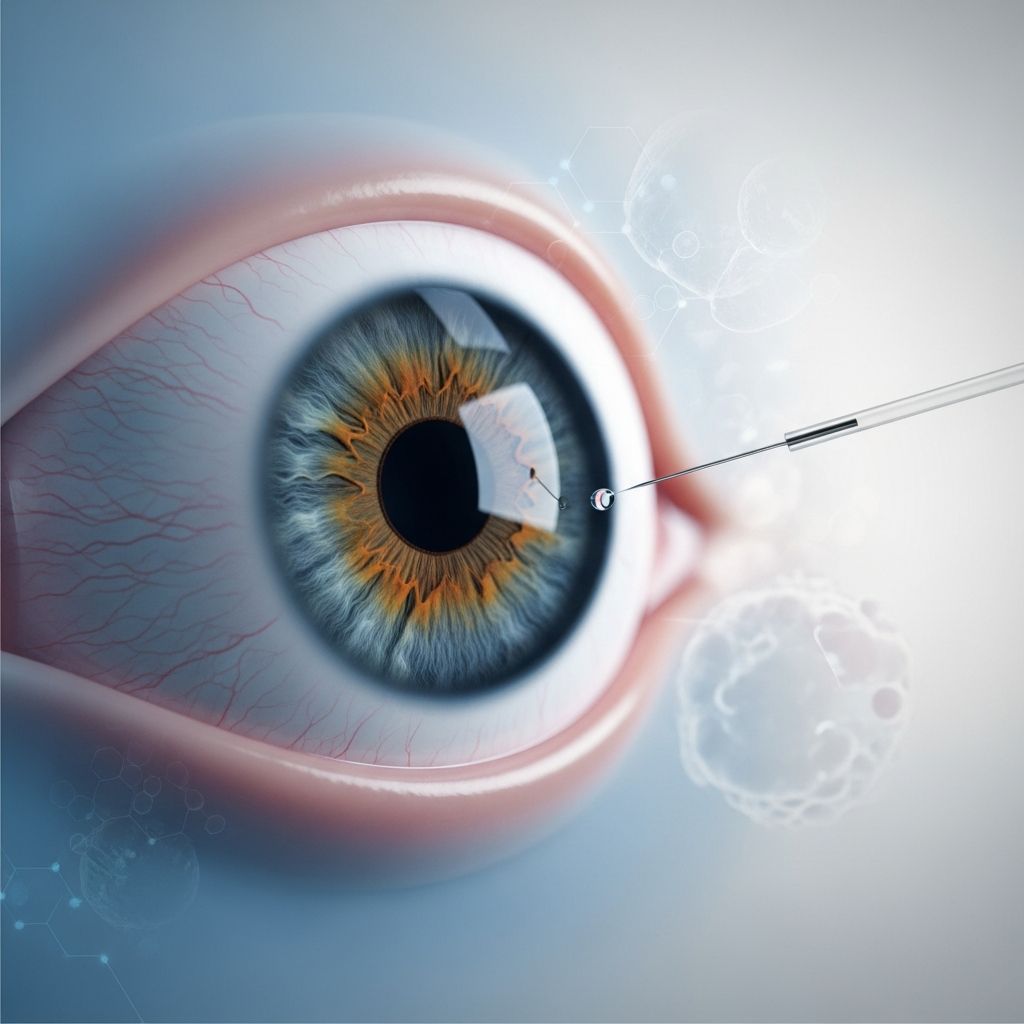
Anti-VEGF injections represent a cornerstone in managing retinal disorders characterized by abnormal blood vessel growth and fluid leakage. These therapies target vascular endothelial growth factor (VEGF), a protein that promotes problematic vascularization in the eye, helping to stabilize or improve vision in conditions like wet age-related macular degeneration (AMD) and diabetic retinopathy.
Understanding VEGF and Its Impact on Eye Health
VEGF is essential for normal blood vessel formation during development and healing. However, in certain eye diseases, excessive VEGF triggers the growth of fragile, leaky vessels in the retina, leading to swelling, bleeding, and vision loss. Anti-VEGF drugs bind to this protein, preventing it from interacting with receptors on blood vessel cells, thereby reducing leakage and neovascularization.
This targeted inhibition is crucial because systemic VEGF suppression could harm healthy tissues elsewhere in the body. Intravitreal delivery—direct injection into the eye’s vitreous humor—ensures high local concentrations with minimal systemic exposure.
Primary Conditions Treated with Anti-VEGF Therapy
Anti-VEGF injections are FDA-approved or commonly used off-label for several retinal conditions:
- Wet Age-Related Macular Degeneration (AMD): Abnormal vessels (choroidal neovascularization) grow under the macula, causing rapid central vision loss. Treatment slows vessel growth and resolves fluid buildup.
- Diabetic Macular Edema (DME): High blood sugar damages retinal capillaries, leading to macular swelling. Anti-VEGF reduces edema and preserves central vision.
- Retinal Vein Occlusion (RVO): Blockage causes backup of blood and fluid, resulting in macular edema. Injections alleviate swelling, especially in central or branch RVO.
- Myopic Choroidal Neovascularization: Severe nearsightedness stretches the retina, forming cracks that allow vessel ingrowth. Fewer injections often suffice for control.
- Other Uses: Macular edema from uveitis, post-surgical inflammation, or other causes.
Available Anti-VEGF Medications
Several drugs are available, each with unique binding affinities, durations, and approvals. Here’s a comparison:
| Drug | Brand Name | Key Features | Typical Dosing Interval | FDA Approval for Eyes |
|---|---|---|---|---|
| Bevacizumab | Avastin | Off-label, cost-effective, cancer drug repurposed for eyes | 4-6 weeks | No (off-label) |
| Ranibizumab | Lucentis | Designed for eyes, smaller molecule for better penetration | 4 weeks initially | Yes (wet AMD, DME, RVO) |
| Aflibercept | Eylea | Strong VEGF trap, longer duration | 4-8 weeks | Yes (wet AMD, DME, RVO, etc.) |
| Faricimab | Vabysmo | Dual-action (VEGF + Ang-2), extended intervals | Up to 16 weeks | Yes (wet AMD, DME) |
| Brolucizumab | Beovu | Small molecule, long-acting but monitor for inflammation | 8-12 weeks | Yes (wet AMD) |
| Ranibizumab implant | Susvimo | Refillable port for continuous delivery | 6-9 months refill | Yes (wet AMD) |
Bevacizumab remains popular due to affordability, while newer agents like faricimab aim to reduce injection frequency.
The Injection Procedure: What to Expect
The process is quick, typically 5-10 minutes per eye, performed in-office by a retina specialist. Steps include:
- Preparation: Topical anesthetic drops numb the eye; antiseptic cleans the surface.
- Injection: A fine needle (30-gauge) delivers 0.05 mL into the vitreous, 3.5-4 mm from the limbus.
- Post-Injection: Antibiotic drops prevent infection; pressure on the eye minimizes leakage.
Pain is minimal, often described as brief pressure. Patients may see floaters or light flashes temporarily. Driving is usually safe post-procedure, but avoid rubbing the eye for a week.
Related Stories



Treatment Schedules and Monitoring
Regimens vary: “Treat-and-extend” starts monthly, then spaces based on response. Optical coherence tomography (OCT) scans measure retinal thickness and guide adjustments.
Long-term data from trials like SEVEN-UP show about one-third of wet AMD patients maintain gains after 7-8 years, underscoring the need for lifelong monitoring.
Effectiveness and Clinical Outcomes
Studies demonstrate strong results:
- In wet AMD, ~1/3 gain vision; ~90% stabilize.
- DME: Significant letter gains on eye charts.
- RVO: Rapid edema reduction if treated early.
Compared to older laser therapy, anti-VEGF offers better vision preservation without scarring.
Potential Risks and Side Effects
Most are mild and transient:
- Common (1-10%): Subconjunctival hemorrhage, floaters, eye discomfort.
- Rare (<0.1%): Endophthalmitis (infection), retinal detachment, cataract progression.
- Drug-Specific: Brolucizumab linked to intraocular inflammation; monitor closely.
Annual endophthalmitis risk is ~0.05%, lower with sterile technique. Systemic effects are rare due to low doses.
Patient Preparation and Aftercare
Before: Report infections or allergies; stop contacts. After: Use prescribed drops; attend follow-ups. Lifestyle aids include blood sugar control for diabetics and smoking cessation.
Future Directions in Anti-VEGF Therapy
Gene therapies like RGX-314 use AAV vectors for sustained VEGF inhibition, potentially reducing injections. ADVM-022 offers office-based delivery. Longer-acting implants and bispecific antibodies promise less frequent visits.
Frequently Asked Questions (FAQs)
Are anti-VEGF injections painful?
Most patients feel only mild pressure; anesthetic ensures comfort.
How often will I need injections?
Initially monthly, then extended to 8-16 weeks based on response.
Can anti-VEGF cure my condition?
No, but it controls progression, often improving vision.
Is Avastin safe for eyes?
Yes, extensively used off-label with comparable efficacy.
What if I miss a treatment?
Contact your doctor; delays can lead to recurrence.
Anti-VEGF therapy has revolutionized retinal care, offering hope where few options existed. Consult a retina specialist for personalized advice.
References
- Anti-VEGF Injections for Retinal Conditions — Advanced Eye NJ. 2023. https://advancedeyenj.com/article/avastin-bevacizumab/
- Anti-VEGF Injections for Retinal Conditions — ReFocus Eye Doctors. 2024. https://camden.refocuseyedoctors.com/article/anti-vegf-injections-for-retinal-conditions/
- Anti-VEGF Treatment — Klamath Eye Center. 2023. https://klamatheyecenter.com/anti-vegf-treatment/
- How Do Anti-VEGF Injections Work? — Optometrists.org. 2024. https://www.optometrists.org/general-practice-optometry/guide-to-eye-conditions/guide-to-diabetes-and-the-eyes/how-is-diabetic-retinopathy-treated/how-do-anti-vegf-injections-work/
- The Latest in Anti-VEGF Therapy: An Ophthalmology Resident’s Guide — Eyes On Eyecare. 2024. https://eyesoneyecare.com/resources/anti-vegf-therapy-an-ophthalmology-residents-guide/
- Anti–Vascular Endothelial Growth Factor Drugs for Age-Related Macular Degeneration — NCBI/NIH. 2023-10-01. https://www.ncbi.nlm.nih.gov/books/NBK598219/
- Anti-VEGF Treatments for Wet Age-Related Macular Degeneration — BrightFocus Foundation. 2024. https://www.brightfocus.org/resource/anti-vegf-treatments-for-wet-age-related-macular-degeneration/
Similar Articles








Read full bio of medha deb