Antiarrhythmic Drugs: Types, Uses and Side Effects
Understanding antiarrhythmic medications: comprehensive guide to heart rhythm treatments.
What Are Antiarrhythmic Drugs?
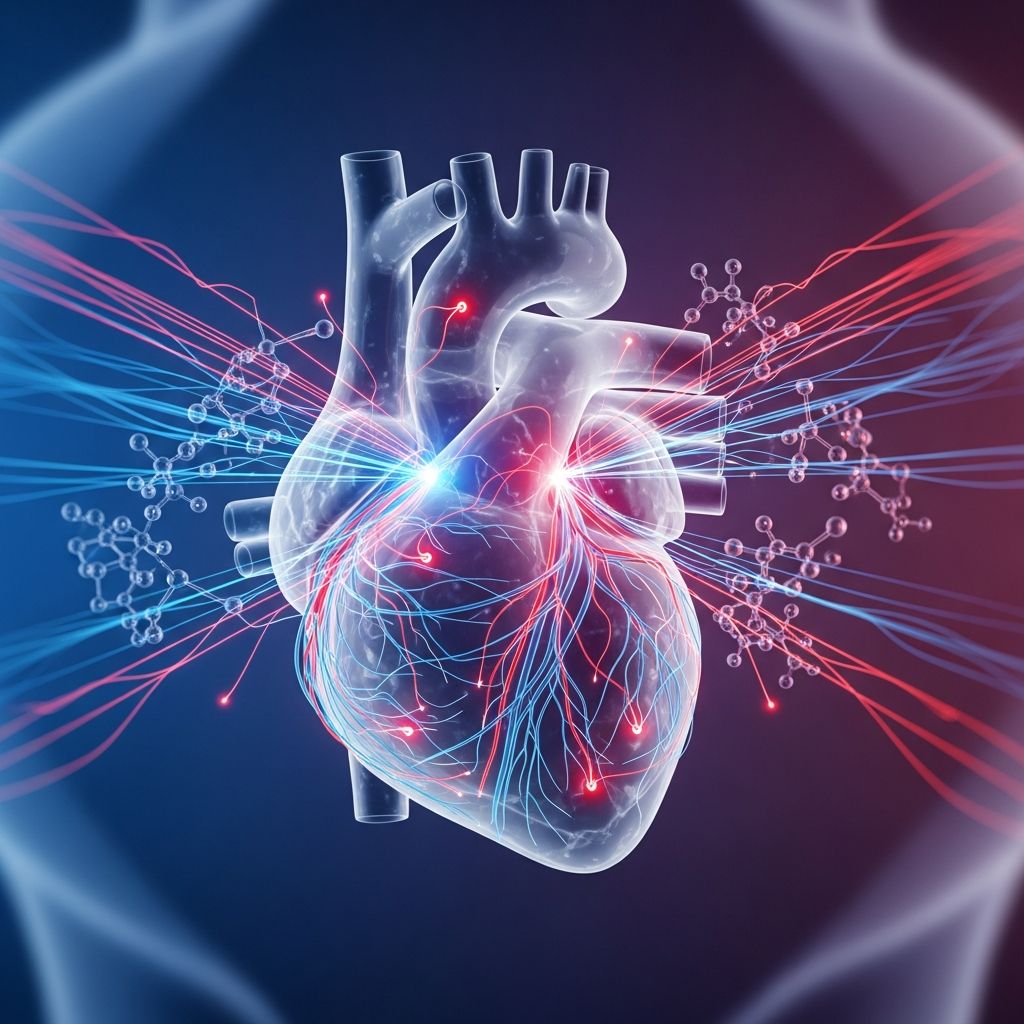
Antiarrhythmic medications are prescription drugs designed to prevent and treat irregular heartbeats, a condition known as arrhythmia. These medications work by regulating the electrical signals in the heart to restore normal heart rhythm or prevent abnormal rhythms from developing. Antiarrhythmics can significantly reduce symptoms such as palpitations, shortness of breath, and dizziness while helping to avoid potentially life-threatening complications associated with untreated arrhythmias.
Heart rhythm disorders affect millions of people worldwide and can range from mild to severe. When the heart’s natural electrical system malfunctions, it can beat too fast, too slow, or irregularly. Antiarrhythmic medications help by either slowing abnormal electrical signals in the heart, stabilizing the heartbeat, or helping the heart return to its normal sinus rhythm.
How Antiarrhythmic Medications Work
Antiarrhythmic drugs function through various mechanisms to control abnormal heart rhythms. The primary action involves modulating electrical conduction within the heart tissue and specialized cardiac cells. These medications can slow electrical impulses, block certain ion channels, or enhance the heart’s refractory period—the time during which the heart muscle cannot respond to additional electrical signals.
Different classes of antiarrhythmics target different aspects of cardiac electrical activity. Some medications specifically block sodium channels that initiate electrical impulses, while others inhibit calcium channels or affect the autonomic nervous system. By understanding how these medications work at the cellular level, healthcare providers can select the most appropriate treatment for each patient’s specific type of arrhythmia.
Classification of Antiarrhythmic Drugs
The Vaughan-Williams classification system organizes antiarrhythmic medications into distinct classes based on their primary mechanism of action. This system helps healthcare providers understand how different drugs affect the heart’s electrical system and choose appropriate treatments.
Class I: Sodium Channel Blockers
Class I antiarrhythmics work by blocking sodium channels in cardiac cells, which slows the rate of electrical impulse conduction. This class is further subdivided into three subcategories based on the degree of sodium channel blockade and their effects on action potential duration.
Class Ia medications include quinidine, procainamide, and disopyramide. These drugs cause moderate sodium channel blockade and are used for both atrial and ventricular arrhythmias. They can be administered intravenously or orally depending on the clinical situation.
Class Ib medications such as lidocaine and mexiletine cause mild sodium channel blockade and shorten the QTc interval. These drugs are primarily used for ventricular arrhythmias, particularly following myocardial infarction, and are generally not effective for atrial arrhythmias. In patients with long QT syndrome, mexiletine has been shown to reduce the QTc interval and help prevent recurrent arrhythmias.
Class Ic medications including flecainide, propafenone, and encainide produce strong sodium channel blockade with minimal effect on action potential duration. These drugs are used to treat supraventricular and ventricular tachyarrhythmias that are resistant to standard treatments, particularly in patients without structural heart disease. They are also used for premature ventricular contractions and catecholaminergic polymorphic ventricular tachycardia.
Related Stories



Class II: Beta-Blockers
Class II antiarrhythmics work by inhibiting the autonomic nervous system, specifically blocking beta-adrenergic receptors. These medications reduce the heart rate and decrease the force of cardiac contractions, slowing electrical conduction through the atrioventricular node.
Common Class II medications include selective beta-1 blockers such as metoprolol, atenolol, bisoprolol, and esmolol, as well as non-selective beta-blockers like carvedilol, pindolol, timolol, and nadolol. Beta-blockers are frequently used for rate control of atrial fibrillation, atrial flutter, and various ventricular tachyarrhythmias. They are often considered first-line therapy for many patients due to their favorable safety profile and additional cardiovascular benefits.
Class III: Potassium Channel Blockers
Class III antiarrhythmics work by blocking potassium channels, which prolongs the action potential duration and the refractory period of cardiac tissue. This extended refractory period makes it more difficult for abnormal electrical impulses to propagate through the heart.
Amiodarone is the most commonly used Class III antiarrhythmic and is particularly effective for suppressing ventricular arrhythmias. It exerts multiple therapeutic actions including sympatholytic, sodium antagonistic, and calcium antagonistic properties. Amiodarone is recommended for patients with atrial fibrillation who require maintenance of normal sinus rhythm, especially those with left ventricular systolic dysfunction. It can also be used for pharmacological cardioversion and is suitable for critically ill patients without pre-excitation syndromes who need ventricular rate control.
Other Class III medications include sotalol, dofetilide, and ibutilide. Dofetilide is specifically used for conversion to and maintenance of normal sinus rhythm in patients with atrial fibrillation or atrial flutter. Sotalol combines beta-blocker and potassium channel blocking properties. Ibutilide is typically reserved for acute conversion of atrial fibrillation or atrial flutter.
Class IV: Calcium Channel Blockers
Class IV antiarrhythmics work by blocking L-type calcium channels, which inhibits calcium current and slows electrical conduction through the sinoatrial and atrioventricular nodes. This results in decreased heart rate and AV node conduction velocity.
The most commonly used Class IV medications are verapamil and diltiazem. These drugs are particularly effective for rate control in patients with atrial fibrillation and are often used as first-line therapy. Calcium channel blockers have the advantage of providing symptom relief while maintaining hemodynamic stability in many patients.
Other Antiarrhythmic Agents
Adenosine is a Class IIe agent that activates adenosine receptors and is used for termination of paroxysmal supraventricular tachycardia (PSVT). It must be administered intravenously as a rapid bolus followed by a saline flush. Digoxin, a Class IId agent, is an autonomic nervous system activator used for supraventricular tachyarrhythmias. Ranolazine represents a newer Class Id option for treating certain tachyarrhythmias and ventricular tachycardia.
Common Antiarrhythmic Medications
Several specific antiarrhythmic medications are commonly prescribed for various arrhythmias. Understanding the characteristics of individual drugs helps patients and providers make informed treatment decisions.
Flecainide (Tambocor)
Flecainide is a Class Ic antiarrhythmic used to treat paroxysmal supraventricular tachycardia and other rhythm disorders. It works by slowing or blocking electrical signals in the heart and stabilizing the heartbeat. The typical starting dose is 50 or 100 milligrams, with doses adjusted every few days to achieve optimal efficacy. Most patients take two tablets daily, one every 12 hours, with or without food. Flecainide can be taken at approximately the same times each day for consistent therapeutic levels.
Dofetilide (Tikosyn)
Dofetilide is a Class III antiarrhythmic specifically approved for conversion to and maintenance of normal sinus rhythm in patients with atrial fibrillation or atrial flutter. Dosing is highly individualized, with doses typically ranging from 125 to 500 micrograms. Because dofetilide carries a risk for potentially dangerous arrhythmias like torsades de pointes, initiation requires careful hospital-based monitoring. Patients typically spend three to four days in the hospital when starting this medication, with electrocardiograms performed two to three hours after each dose to assess the QTc interval. If the QTc interval increases more than 15 percent or exceeds 500 milliseconds (550 milliseconds in patients with ventricular conduction abnormalities), the dose must be reduced or the medication discontinued.
Amiodarone (Cordarone)
Amiodarone is a broad-spectrum Class III antiarrhythmic with multiple mechanisms of action. It is the most commonly used antiarrhythmic for suppressing ventricular arrhythmias and is also effective for maintaining sinus rhythm in atrial fibrillation, particularly in patients with left ventricular systolic dysfunction. Amiodarone can be administered intravenously for acute treatment or orally for maintenance therapy. In patients with hemodynamically unstable ventricular arrhythmias after defibrillation attempts, intravenous amiodarone should be administered to achieve stable rhythm. Amiodarone has demonstrated effectiveness in suppressing ventricular arrhythmias in patients with ischemic heart disease who are receiving beta-blocker therapy.
Sotalol (Betapace)
Sotalol is a Class III antiarrhythmic that also possesses beta-blocking properties. It prevents and treats fast or irregular heartbeats and is frequently used for atrial fibrillation. Sotalol requires continuous cardiac monitoring due to its potential for causing torsades de pointes and other serious arrhythmias.
Administration and Dosing
Antiarrhythmic medications can be administered through various routes depending on the acuteness of the condition and the specific medication. Most antiarrhythmics are available in both intravenous and oral formulations, though some are limited to specific routes.
Intravenous administration is typically reserved for acute treatment situations. Procainamide and lidocaine are primarily administered intravenously for rapid treatment of acute arrhythmias. Flecainide and propafenone can be administered orally and have been shown to be safe and effective for converting recent-onset atrial fibrillation to normal sinus rhythm. Adenosine must be given intravenously as a rapid bolus followed by saline flush.
Oral formulations are used for chronic management and maintenance therapy. Disopyramide is available in capsules and controlled-release formulations. Digoxin can be administered orally, intravenously, or intramuscularly. Dosing is highly individualized and depends on factors including kidney function, body weight, age, and the specific arrhythmia being treated.
Medications with established risk for potentially dangerous arrhythmias such as amiodarone, disopyramide, dofetilide, ibutilide, and sotalol require continuous cardiac monitoring during initiation. Patients may need to remain hospitalized for several days during the initial treatment phase to ensure proper dosing and to identify any adverse reactions before discharge.
Effectiveness and Monitoring
Antiarrhythmic medications are effective 30 to 60 percent of the time, but their effectiveness may diminish over time. Healthcare providers may need to prescribe several different antiarrhythmic medications to determine which one works best for each individual patient. Regular monitoring through electrocardiograms and blood tests helps assess medication effectiveness and identify necessary dosage adjustments.
Some antiarrhythmic medications can actually cause additional arrhythmias in certain patients, making careful medical supervision essential. This is particularly true for Class III antiarrhythmics like dofetilide and sotalol, which carry risk for torsades de pointes. Patients should maintain all provider and laboratory appointments and report any changes in symptoms or new cardiac symptoms immediately.
Potential Side Effects
Like all medications, antiarrhythmics can cause side effects. Common side effects vary depending on the specific medication but may include dizziness, fatigue, nausea, and headache. More serious side effects can include new or worsened arrhythmias, heart failure, or liver and thyroid problems.
Amiodarone, while highly effective, can cause multiple organ system side effects including liver toxicity, thyroid dysfunction, lung problems, and photosensitivity. Flecainide and other Class Ic agents carry a risk for proarrhythmic effects, particularly in patients with underlying structural heart disease. Beta-blockers may cause fatigue, slow heart rate, or worsening heart failure in susceptible patients.
Patients should discuss all potential side effects with their healthcare provider and report any concerning symptoms immediately. Some side effects may require medication adjustment or discontinuation.
Contraindications and Special Considerations
Certain conditions and medications can interact with antiarrhythmics or make them inappropriate choices for specific patients. Patients with severe heart failure, certain types of heart block, or significant structural heart disease may not be suitable candidates for certain antiarrhythmic classes. Kidney and liver function significantly affect drug metabolism and may require dose adjustments.
Pregnancy, breast-feeding, and certain other medical conditions require careful consideration when prescribing antiarrhythmics. Patients should provide complete medical histories to their healthcare providers, including all current medications, supplements, and previous medication reactions.
Lifestyle Modifications Alongside Medication
While antiarrhythmic medications are important treatment components, lifestyle modifications can enhance treatment effectiveness. These include maintaining a healthy weight, reducing caffeine and alcohol consumption, managing stress, exercising regularly as tolerated, and avoiding triggers that provoke arrhythmias. Some patients benefit from cardiac rehabilitation programs that provide supervised exercise and education about heart health.
When to Seek Emergency Care
Patients taking antiarrhythmic medications should seek immediate medical attention if they experience severe chest pain, severe shortness of breath, fainting, or persistent palpitations despite medication. These symptoms could indicate serious arrhythmias or other cardiac emergencies requiring urgent evaluation.
Frequently Asked Questions
Q: How long does it take for antiarrhythmic medications to work?
A: The time to effectiveness varies by medication. Some medications like adenosine work within seconds when given intravenously. Others like dofetilide take two to three hours to begin working. Oral maintenance medications may take days to weeks to achieve full therapeutic effect.
Q: Can antiarrhythmic medications cure arrhythmias?
A: Antiarrhythmic medications manage symptoms and maintain normal heart rhythm but do not cure the underlying arrhythmia. Most patients require long-term medication therapy or may benefit from additional treatments like ablation.
Q: What happens if an antiarrhythmic medication stops working?
A: If a medication becomes less effective over time, your healthcare provider may adjust the dose, try a different antiarrhythmic from another class, or recommend alternative treatments such as catheter ablation.
Q: Are antiarrhythmic medications safe to take long-term?
A: Most antiarrhythmics can be taken long-term with appropriate monitoring. However, some medications like amiodarone require regular blood tests and other monitoring due to potential organ toxicity. Your provider will determine the appropriate monitoring schedule.
Q: Can I stop taking antiarrhythmic medications on my own?
A: No, you should never stop antiarrhythmic medications without consulting your healthcare provider. Abrupt discontinuation can lead to recurrence of dangerous arrhythmias. Your provider will determine when and how to safely discontinue medication if appropriate.
Q: What should I do if I miss a dose?
A: If you miss a dose, take it as soon as you remember unless it is nearly time for your next scheduled dose. Never take a double dose. If you are unsure what to do, contact your healthcare provider or pharmacist.
Q: Can antiarrhythmic medications interact with other drugs?
A: Yes, antiarrhythmics can interact with many medications. Always inform your healthcare provider about all medications, supplements, and herbal products you are taking before starting an antiarrhythmic medication.
References
- Antiarrhythmic Medications — National Center for Biotechnology Information (NCBI), National Library of Medicine. 2024. https://www.ncbi.nlm.nih.gov/books/NBK482322/
- Flecainide: Uses, Drug Information and Side Effects — Cleveland Clinic. 2025. https://my.clevelandclinic.org/health/drugs/17006-antiarrhythmic-medications-flecainide
- Dofetilide: Uses & Side Effects — Cleveland Clinic. 2025. https://my.clevelandclinic.org/health/drugs/16936-dofetilide-antiarrhythmic-medication
- Pharmacotherapy Update: Dofetilide: A New Class III Antiarrhythmic — Cleveland Clinic Medical Education. 2000. https://www.clevelandclinicmeded.com/medicalpubs/pharmacy/septoct2000/pharm.htm
- Amiodarone: Uses & Side Effects — Cleveland Clinic. 2025. https://my.clevelandclinic.org/health/drugs/19886-amiodarone-tablets
- Atrial Fibrillation Guide — Cleveland Clinic. 2024. https://pages.clevelandclinic.org/rs/434-PSA-612/images/Atrial_Fibrillation_Guide.pdf
Similar Articles








Read full bio of medha deb