Antibacterial Soap: Guide To Risks, Efficacy, And Alternatives
Understanding the benefits, risks, and regulatory changes surrounding antibacterial soaps in daily hygiene.
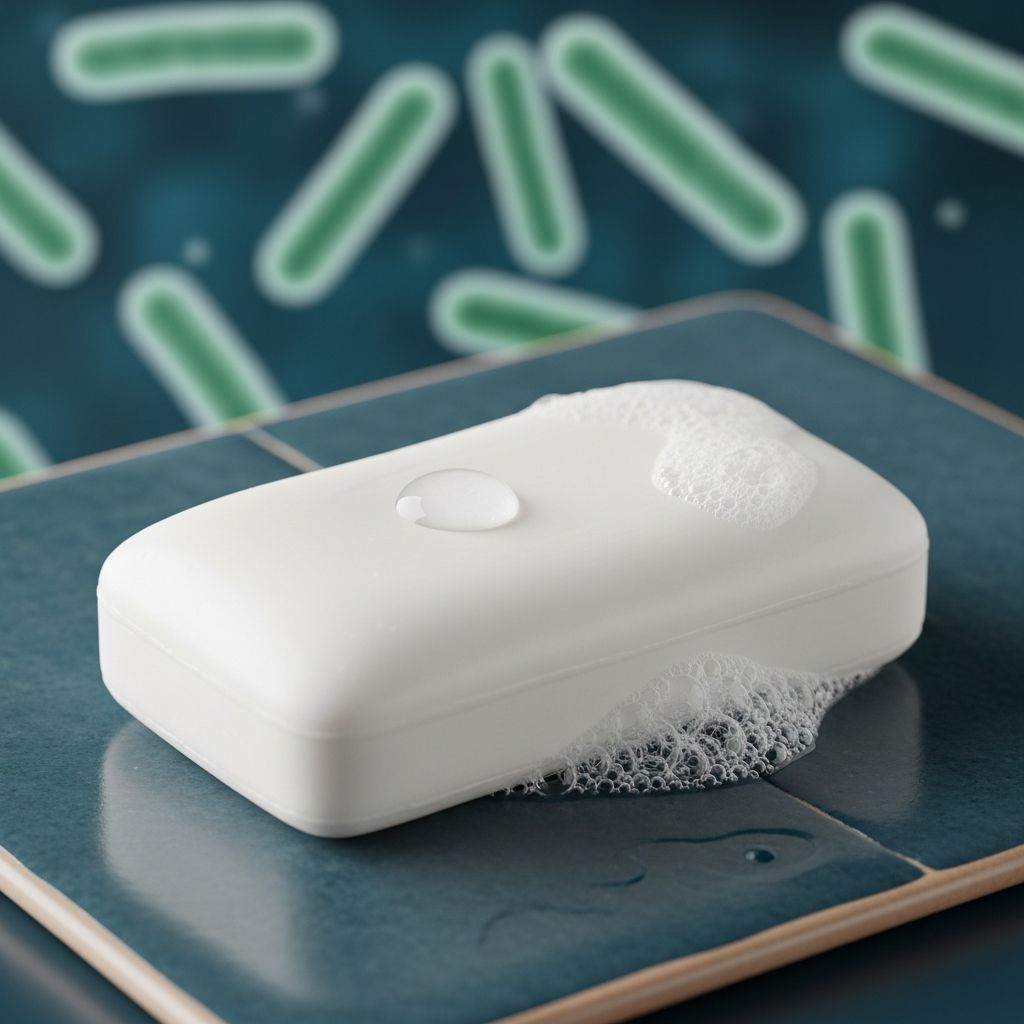
Antibacterial soaps are formulated with chemical agents designed to kill or inhibit the growth of bacteria on the skin, distinguishing them from regular soaps that primarily remove dirt and microbes through mechanical action.
What is antibacterial soap?
Antibacterial soap contains added active ingredients that target bacteria specifically, beyond the cleansing action of plain soap and water. These products aim to reduce bacterial load on the skin, potentially lowering infection risk in certain scenarios. However, extensive research shows they offer no superior protection against illness compared to plain soap.
Regular soap works by emulsifying oils and loosening dirt, bacteria, and viruses from the skin, allowing them to be rinsed away. Antibacterial variants incorporate biocides like triclosan or triclocarban to actively kill bacteria, but this does not extend effectively to viruses or fungi in most consumer products.
Who is antibacterial soap for?
Antibacterial soaps were historically marketed for everyday use to prevent infections, but current guidelines recommend them primarily for high-risk situations, such as in healthcare settings or for individuals with compromised immune systems. For the general population, plain soap suffices, as over-reliance on antibacterials may disrupt skin microbiome balance.
- Healthcare professionals before procedures
- People with chronic wounds or skin infections
- Food handlers in specific hygiene protocols
- Not routinely recommended for household use
What are the active ingredients in antibacterial soap?
Common active ingredients include synthetic chemicals with antimicrobial properties. In 2016, the FDA banned 19 such ingredients in over-the-counter washes due to safety concerns and lack of proven efficacy, including triclosan and triclocarban.
| Ingredient | Description | Status |
|---|---|---|
| Triclosan | Broad-spectrum antibacterial agent used in soaps and personal care products | Banned in consumer washes by FDA (2016) |
| Triclocarban | Synthetic antimicrobial, effective against gram-positive bacteria | Banned in consumer washes by FDA (2016) |
| Chloroxylenol (PCMX) | Antiseptic used in some hospital soaps | Still allowed pending further data |
| Benzalkonium chloride | Quaternary ammonium compound | Allowed but under review for irritation risks |
Triclosan, once ubiquitous, comprised 0.1-0.3% in products and was linked to potential hormone disruption. Studies from the 1970s showed soaps with trichlorocarbanilide reducing skin bacterial counts by up to 62% on various body sites, but modern evidence questions long-term benefits.
What does antibacterial soap do?
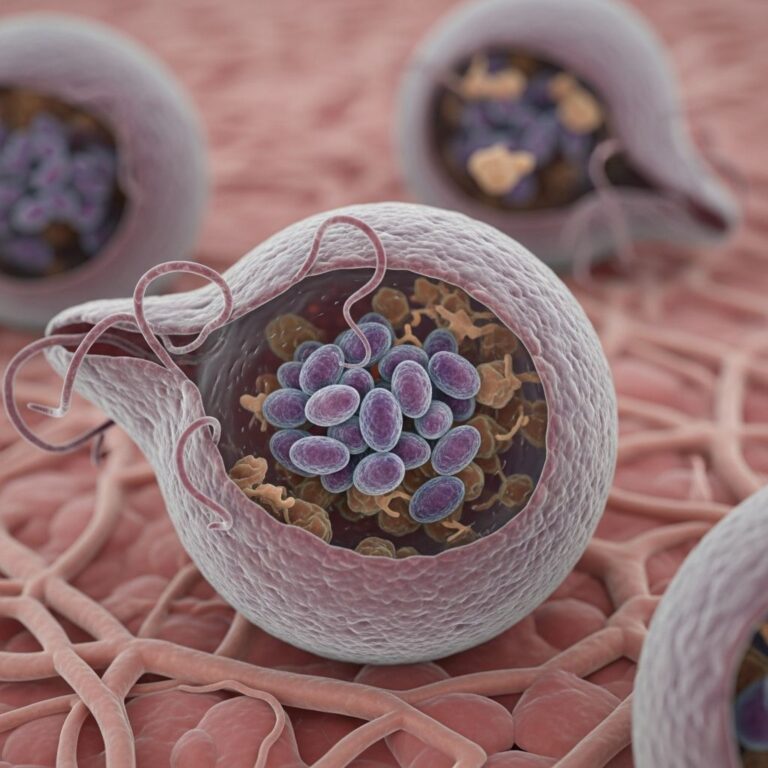
These soaps reduce aerobic bacterial flora on skin surfaces like the back, chest, forearms, calves, and feet, with less effect in moist areas like the axilla. One study found a 62% overall reduction in total aerobic flora (P < 0.001), primarily targeting gram-positive bacteria like Staphylococcus aureus, while gram-negative species remained stable.
However, they do not prevent illness better than plain soap, as mechanical washing removes transient microbes effectively. Antibacterial agents may linger on skin but fail against non-enveloped viruses like norovirus.
Are antibacterial soaps effective?
Short-term studies demonstrate bacterial count reductions, but real-world efficacy for preventing infections is unproven. The FDA concluded after reviewing data that antibacterial washes are no more effective than plain soap at reducing sickness risk.
Related Stories



Potential for fostering antibiotic-resistant bacteria is a major concern, as repeated exposure selects for resistant strains, complicating medical treatments.
- Effective against some skin bacteria short-term
- No advantage in illness prevention
- Risk of resistance development
Problems with antibacterial soaps
Beyond inefficacy, antibacterial soaps pose health risks. Triclosan may impair muscle function, disrupt thyroid hormones, and contribute to environmental contamination as it persists in waterways.
Skin microbiome disruption reduces beneficial bacteria, potentially weakening immunity and increasing allergy risks. Chronic inflammation from chemical irritants or microbiome imbalance links to broader issues like autoimmune conditions.
- Antibiotic resistance promotion
- Hormone disruption (triclosan)
- Skin irritation and dryness
- Immune system weakening
- Environmental persistence
FDA ban on antibacterial soaps
In 2016, the FDA issued a final rule prohibiting 19 antibacterial ingredients in consumer hand soaps and body washes, citing insufficient safety and efficacy data. Manufacturers had until 2017 to comply or reformulate.
The rule stemmed from 2013 requests for proof of long-term safety and superiority over plain soap—data not provided. Exceptions include hand sanitizers and specific professional products.
Safe and effective alternatives
Plain soap and warm water for 20 seconds remains the gold standard for hand hygiene, effectively removing pathogens without resistance risks.
- Fragrance-free moisturizing soaps
- Hand sanitizers with ≥60% alcohol (when water unavailable)
- Natural antimicrobials like tea tree oil (limited evidence)
- Bentonite clay-based cleansers for gentle detox
For sensitive skin, avoid remaining antibacterials like chloroxylenol unless medically advised.
Frequently Asked Questions
Is antibacterial soap better than regular soap?
No, the FDA states antibacterial soaps are not more effective at preventing illness than plain soap and water.
Why was triclosan banned in soaps?
Triclosan lacks proven benefits over plain soap and raises concerns for hormone disruption, antibiotic resistance, and muscle impacts.
Can antibacterial soap cause antibiotic resistance?
Yes, overuse promotes resistant bacteria, reducing antibiotic effectiveness for infections.
Are there any safe antibacterial soaps left?
Few ingredients remain; use only under medical guidance. Plain soap is safer for daily use.
Does antibacterial soap kill viruses?
No, most do not; they target bacteria primarily, ineffective against many viruses.
How should I wash my hands properly?
Wet hands with warm water, apply plain soap, lather for 20 seconds covering all surfaces, rinse thoroughly, dry with a clean towel.
This article provides an in-depth exploration of antibacterial soaps, drawing from authoritative sources to guide informed hygiene choices. While early research highlighted bacterial reduction potential, contemporary evidence from the FDA and clinics emphasizes risks outweighing benefits for routine use. Prioritizing mechanical cleansing supports skin health and public safety amid rising resistance concerns.
References
- Effects of an Antibacterial Soap on the Ecology of Aerobic Bacterial Flora of Human Skin — J G Voss, Procter & Gamble. 1975-04-01. https://pmc.ncbi.nlm.nih.gov/articles/PMC187229/
- FDA Issues Warning on Antibacterial Soap — Dawson Dermatology. 2016 (approx). https://www.dawsondermatology.com/fda-issues-warning-on-antibacterial-soap/
- Surprising Risks of Antibacterial Body Wash — Lam Clinic. 2023 (approx). https://lamclinic.com/blog/soap-cancer-dont-know-antibacterial-body-wash/
- Triclosan: What It Is & Effects — Cleveland Clinic. 2023-10-25. https://my.clevelandclinic.org/health/articles/24280-triclosan
- 5 Reasons to Stop Using Antibacterial Soaps — Cone Health. 2017-11-10. https://www.conehealth.com/services/urgent-care/5-reasons-to-stop-using-antibacterial-soaps/
Similar Articles








Read full bio of Sneha Tete