Antibiotic-Associated Diarrhea: Causes, Symptoms, and Treatment
Understanding antibiotic-associated diarrhea: Prevention, symptoms, and effective treatment strategies.
Antibiotic-Associated Diarrhea: A Complete Guide
Antibiotic-associated diarrhea (AAD) is one of the most common side effects experienced by patients taking antibiotics for bacterial infections. While antibiotics are crucial medications that save lives by fighting dangerous bacteria, they can inadvertently disrupt the delicate balance of beneficial bacteria in your digestive system, leading to unwanted gastrointestinal complications. Understanding what causes this condition, recognizing its symptoms, and knowing how to prevent or treat it can help you manage your health more effectively during antibiotic therapy.
What Is Antibiotic-Associated Diarrhea?
Antibiotic-associated diarrhea is defined as passing loose, watery stools three or more times per day while taking antibiotics or shortly after completing a course of treatment. This condition is remarkably common, affecting approximately 1 in 5 people who take antibiotics. The severity can range from mild inconvenience to a serious medical condition requiring hospitalization, depending on the underlying cause and the patient’s overall health status.
Most cases of AAD are mild and resolve on their own within a few days of completing antibiotic therapy or shortly after discontinuing the medication. However, in some cases, diarrhea persists and becomes more severe, necessitating medical intervention and sometimes a change in antibiotic therapy.
How Antibiotics Cause Diarrhea
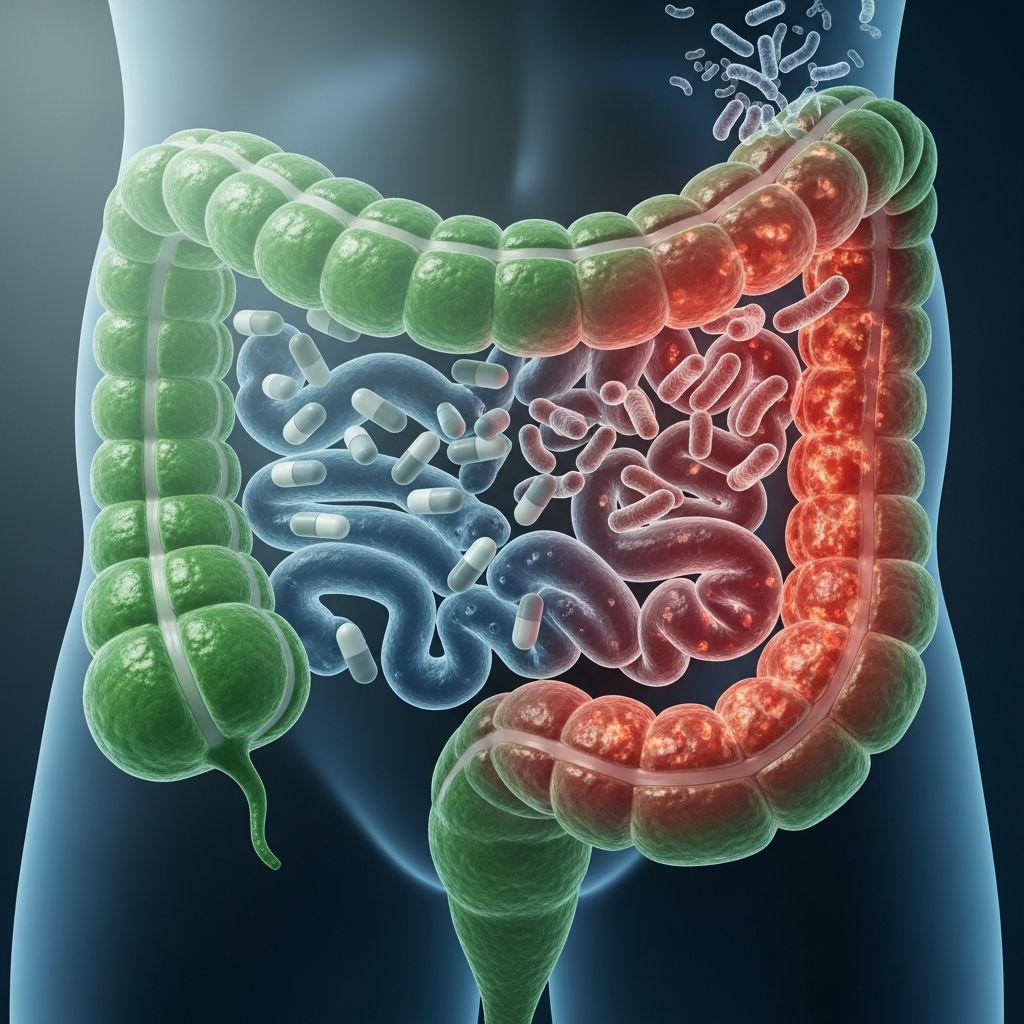
The mechanism behind antibiotic-associated diarrhea is rooted in the complex relationship between antibiotics and your gut microbiome. Antibiotics work by targeting and killing bacterial cells that cause infections. However, these medications cannot distinguish between harmful disease-causing bacteria and the beneficial bacteria that naturally inhabit your digestive tract.
When you take antibiotics, several mechanisms can lead to diarrhea:
- Destruction of beneficial bacteria: Antibiotics eliminate the helpful bacteria that normally maintain the proper balance in your digestive system. These beneficial bacteria play crucial roles in digestion, nutrient absorption, and the production of protective substances.
- Direct tissue damage: Some antibiotics can directly harm the tissues of the large intestine, causing irritation and inflammation that leads to loose stools.
- Overgrowth of harmful bacteria: With the helpful bacteria eliminated or significantly reduced, harmful bacteria that are resistant to the antibiotic can multiply rapidly. These bacteria can release toxins that damage the intestinal lining and cause severe diarrhea.
The disruption of the gut microbiome can be profound and sometimes persistent. Research shows that significant changes to the microbiome can begin as early as 24 hours after starting antibiotics, and the recovery to the initial state often takes much longer than the course of treatment itself.
Symptoms and Severity Levels
Mild Antibiotic-Associated Diarrhea
Mild cases typically begin shortly after starting antibiotics and consist of loose, watery stools occurring three or more times daily. Many people experience minimal other symptoms and usually recover within a few days of finishing their antibiotic course or shortly thereafter. Mild AAD rarely requires medical intervention beyond supportive care.
Related Stories



Severe Antibiotic-Associated Diarrhea
More serious diarrhea often begins several days to two months after starting the antibiotic and usually indicates a bacterial infection of the large intestine. The most common cause of severe AAD is Clostridioides difficile (commonly called C. difficile or C. diff), a bacterium that produces toxins causing significant intestinal damage.
Symptoms of severe AAD include:
- Frequent or severe watery diarrhea, sometimes containing blood or mucus
- Significant abdominal pain and cramping in the lower belly
- Low-grade fever
- Nausea and loss of appetite
- Dehydration and related symptoms
Signs of Dehydration
When diarrhea becomes severe, dehydration is a significant concern. Watch for these warning signs:
- Extreme thirst or persistent dryness in the mouth
- Very little or no urine output
- Dark-colored urine
- Dizziness, lightheadedness, or extreme fatigue
- Sunken cheeks or eyes
Which Antibiotics Most Commonly Cause Diarrhea?
Nearly all antibiotics have the potential to cause diarrhea, but certain classes are more commonly associated with this side effect. Understanding which antibiotics carry higher risk can help you and your healthcare provider make informed decisions about your treatment plan.
Antibiotics most frequently involved in AAD include:
- Cephalosporins: These are among the most common culprits, with third-generation cephalosporins showing particularly high rates of AAD
- Fluoroquinolones: A commonly prescribed class of antibiotics that frequently causes gastrointestinal disturbances
- Penicillins: While widely used and generally safe, penicillins frequently cause diarrhea, especially when used in combination with other antibiotics
- Clindamycin: This antibiotic has a notably high association with AAD and is particularly linked to severe infections caused by C. difficile
- Carbapenems: These broad-spectrum antibiotics can disrupt the microbiome significantly
- Macrolides: Another class frequently associated with gastrointestinal side effects
It’s important to note that the risk of AAD increases when multiple antibiotic classes are used in combination, particularly when combinations include clindamycin, penicillins, or third-generation cephalosporins. Patients receiving combinations of two or more of these classes face a substantially increased risk of developing AAD compared to those receiving single antibiotic regimens.
Risk Factors for Developing Antibiotic-Associated Diarrhea
While anyone taking antibiotics can develop AAD, certain factors increase your vulnerability to this complication. Identifying these risk factors can help you and your healthcare provider take preventive measures:
- History of previous AAD: Patients who have experienced antibiotic-associated diarrhea before are three times more likely to develop it again, even after completing a course of the same antibiotic. This increased susceptibility likely relates to persistent changes in the gut microbiome from previous antibiotic exposure.
- Age: Older adults and very young children face increased risk
- Prolonged antibiotic therapy: Longer courses of treatment increase the likelihood of disrupting the microbiome balance
- Multiple medications: Taking several antibiotics simultaneously or sequentially increases risk
- Compromised immune system: Patients with weakened immune systems are more vulnerable to harmful bacterial overgrowth
- Hospitalization: Patients currently hospitalized or recently discharged from hospitals face increased risk
Understanding C. difficile Infection
Clostridioides difficile is a bacterium that produces toxins capable of severely damaging the intestinal lining. While other bacteria can cause AAD, C. difficile is responsible for the most serious cases. When antibiotic treatment eliminates the competition from beneficial bacteria, C. difficile can flourish and cause a condition called C. difficile infection (CDI).
The risk of developing CDI is particularly elevated when taking clindamycin and certain other antibiotic classes. Symptoms of CDI include severe diarrhea, intense abdominal pain, fever, and potentially life-threatening complications such as toxic megacolon or intestinal perforation.
If you develop severe symptoms of diarrhea during or after antibiotic therapy, particularly if you experience bloody stools, severe abdominal pain, or high fever, seek immediate medical attention for C. difficile testing.
Prevention Strategies
Use Antibiotics Judiciously
The best approach to preventing AAD is using antibiotics only when truly necessary. Work with your healthcare provider to ensure that antibiotics are appropriate for your condition, as many infections are viral and don’t respond to antibiotics.
Complete the Full Course
While it might seem logical to stop antibiotics once you feel better, completing the full prescribed course as directed is essential. Stopping early can lead to antibiotic resistance and doesn’t reduce the risk of AAD.
Probiotic Considerations
Probiotics are live beneficial bacteria that may help restore healthy microbiome balance. While research on probiotics for AAD prevention is ongoing, some evidence suggests they may reduce the risk of developing diarrhea. Discuss probiotic supplementation with your healthcare provider, particularly if you have a history of AAD.
Dietary Modifications
During antibiotic therapy, maintain a balanced diet rich in fiber to support digestive health. Stay well-hydrated with plenty of water and electrolyte-containing beverages. Some people find that avoiding high-fat foods and focusing on easily digestible options can help minimize gastrointestinal symptoms.
Treatment Options
Mild Cases
Most mild cases of AAD resolve without intervention. Treatment focuses on supportive care: stay hydrated, maintain a balanced diet, and allow your digestive system to recover. Your healthcare provider may recommend continuing the antibiotic if the infection requires treatment, as stopping prematurely could worsen your original infection.
Moderate to Severe Cases
When diarrhea persists or becomes severe, your healthcare provider may recommend discontinuing the causative antibiotic and switching to an alternative medication. Proper hydration becomes critical, and in some cases, intravenous fluids may be necessary to prevent or treat dehydration.
C. difficile Infection Treatment
CDI requires specific treatment with antibiotics that target C. difficile, such as fidaxomicin or vancomycin. These medications work differently than those that caused the original AAD and are effective against C. difficile toxins. In severe or recurrent cases, fecal microbiota transplantation may be considered.
When to Seek Medical Attention
Contact your healthcare provider if you experience:
- Diarrhea lasting more than two days
- Severe abdominal or rectal pain
- Bloody or mucus-containing stools
- High fever (over 103°F or 39.4°C)
- Signs of dehydration
- Diarrhea accompanied by severe nausea or vomiting
Seek emergency care if you experience severe dehydration, signs of toxic megacolon (severe abdominal distension and pain), or other serious complications.
Frequently Asked Questions
Q: How long does antibiotic-associated diarrhea last?
A: Mild cases typically resolve within a few days of finishing antibiotic therapy. However, more severe cases, particularly those caused by C. difficile, may persist for weeks or longer without treatment. Recovery time varies based on severity and individual factors.
Q: Can I prevent antibiotic-associated diarrhea?
A: While you cannot completely prevent AAD, you can reduce your risk by using antibiotics only when necessary, completing the full prescribed course, staying hydrated, maintaining a balanced diet, and discussing probiotic supplementation with your healthcare provider if you have a history of AAD.
Q: Should I stop taking my antibiotic if I develop diarrhea?
A: Do not stop taking your antibiotic without consulting your healthcare provider. Mild diarrhea may resolve on its own even while continuing treatment. However, if diarrhea is severe or accompanied by other concerning symptoms, contact your provider immediately for guidance.
Q: Are probiotics effective for treating antibiotic-associated diarrhea?
A: Research on probiotics for AAD is mixed. While some studies suggest they may help prevent or reduce the severity of diarrhea, evidence is not conclusive. Discuss probiotic use with your healthcare provider, particularly if you have risk factors for AAD.
Q: What is the difference between mild and severe antibiotic-associated diarrhea?
A: Mild AAD typically develops shortly after starting antibiotics and resolves quickly. Severe AAD usually begins days to weeks into treatment and involves additional symptoms like fever, significant abdominal pain, and potentially bloody stools. Severe cases often involve C. difficile infection and require medical treatment.
Q: Is antibiotic-associated diarrhea contagious?
A: Simple AAD is not contagious. However, if your AAD is caused by C. difficile infection, CDI can be transmitted to others, particularly in healthcare settings. Practice good hygiene, including handwashing, especially if C. difficile is suspected.
Q: Can I get antibiotic-associated diarrhea after finishing my antibiotics?
A: Yes, diarrhea can develop weeks after completing antibiotic therapy. This delayed-onset diarrhea is often more serious and frequently involves C. difficile overgrowth. If you develop diarrhea after completing antibiotics, contact your healthcare provider for evaluation.
References
- Antibiotic-Associated Diarrhea: Symptoms & Causes — Mayo Clinic. 2024-06-01. https://www.mayoclinic.org/diseases-conditions/antibiotic-associated-diarrhea/symptoms-causes/syc-20352231
- Antibiotic-Associated Diarrhea — Crohn’s and Colitis Canada (CDHF). 2024. https://cdhf.ca/en/antibiotic-associated-diarrhea/
- Antibiotics and Diarrhea: Causes, Treatment, and Prevention — Healthline. 2024. https://www.healthline.com/health/antibiotics-diarrhea
- Antibiotic-Associated Diarrhoea in Emergency Department Observation Unit Patients — National Institutes of Health (NIH). 2020-09-15. https://pmc.ncbi.nlm.nih.gov/articles/PMC7495347/
- Understanding the Microbiome and Antibiotic Effects — National Center for Biotechnology Information (NCBI). 2024. https://www.ncbi.nlm.nih.gov/
Similar Articles








Read full bio of Sneha Tete