Antibiotic Resistance: Causes, Complications & Treatment
Understanding antibiotic resistance: How bacteria evolve, health risks, and solutions for better treatment outcomes.
Understanding Antibiotic Resistance
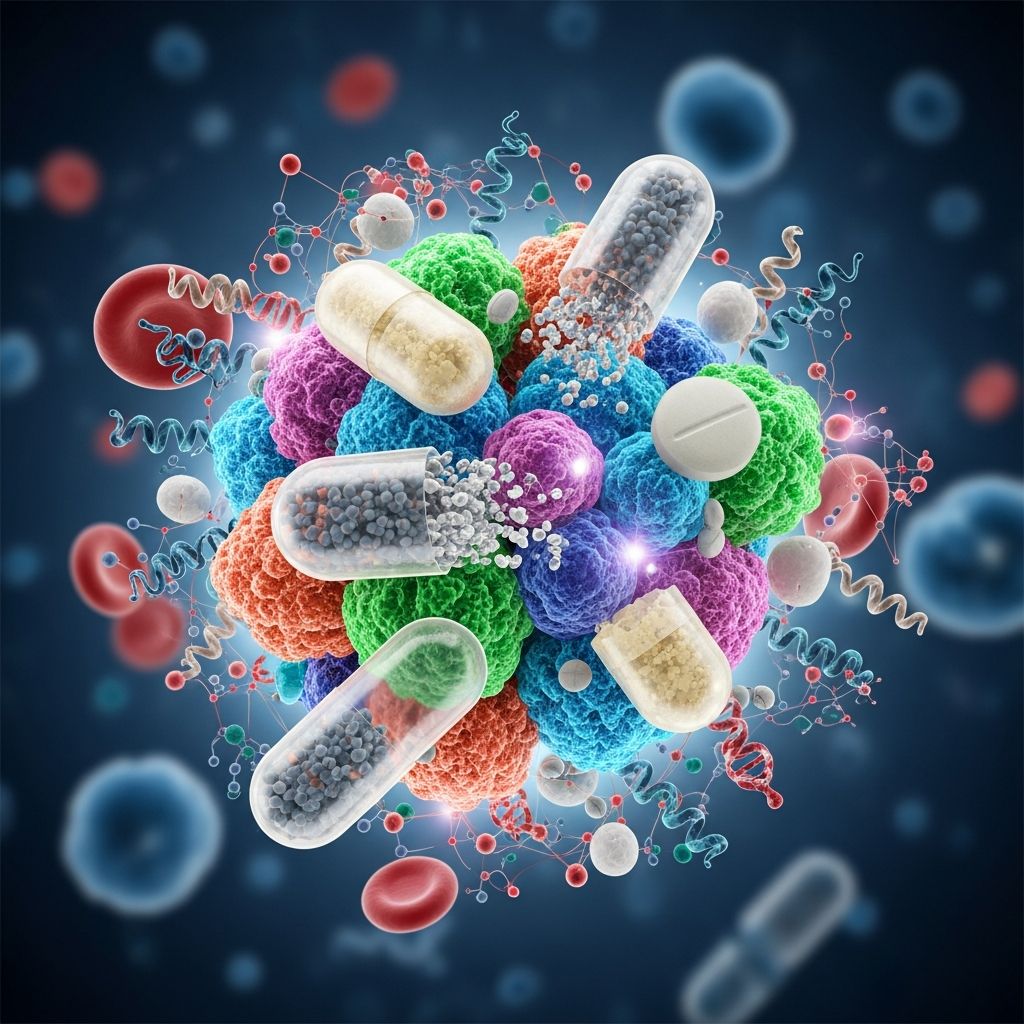
Antibiotic resistance represents one of the most significant public health challenges of our time. This condition occurs when bacteria evolve and adapt in ways that render antibiotic medications ineffective at killing them or stopping their growth. When bacteria develop resistance to antibiotics that previously worked against them, treating bacterial infections becomes substantially more difficult and complicated. The emergence of antibiotic-resistant bacteria has fundamentally changed how healthcare providers approach infection treatment and management.
The problem extends far beyond simple treatment failures. Antibiotic resistance affects not only the direct treatment of infections but also impacts the safety and efficacy of numerous medical procedures and therapies that depend on the ability to control infection. According to the Centers for Disease Control and Prevention, more than 2.8 million antibiotic-resistant infections occur in the United States annually, resulting in over 35,000 deaths. This alarming statistic underscores the urgent need for understanding how resistance develops and how we can combat it.
How Bacteria Develop Antibiotic Resistance
Antibiotic resistance develops through a complex evolutionary process. When antibiotics are used, they exert selective pressure on bacterial populations, killing susceptible bacteria while allowing resistant bacteria to survive and proliferate. This natural selection mechanism means that resistant bacteria have a survival advantage in an antibiotic-rich environment.
Recent research from Cleveland Clinic has revealed sophisticated mechanisms underlying this bacterial evolution. Scientists discovered that when bacteria like methicillin-susceptible Staphylococcus aureus (MSSA) encounter antibiotics such as vancomycin, they don’t simply develop resistance through a single pathway. Instead, bacteria evolve resistance through distinct genetic routes, with some organisms mutating pathways that control cell wall metabolism while others alter their global stress response systems. These different evolutionary paths create predictable but opposing vulnerabilities to other antibiotics, demonstrating that bacterial adaptation is far more nuanced than previously understood.
Importantly, research has shown that the timing of antibiotic doses plays a critical role in whether bacteria develop resistance. Studies using evolutionary modeling demonstrate that missing early doses of antibiotics has a significantly greater impact on resistance development than missing later doses. Bacteria that received appropriate early treatment but missed later doses did not develop resistance, whereas bacteria that missed early doses but received appropriate later treatment evolved treatment resistance.
Common Types of Antibiotic-Resistant Bacteria
Several bacterial species have developed notable antibiotic resistance profiles that pose particular challenges to healthcare providers:
Methicillin-Resistant Staphylococcus aureus (MRSA)
MRSA represents one of the most widely recognized antibiotic-resistant organisms. This bacterium has developed resistance to methicillin and other beta-lactam antibiotics, limiting treatment options significantly. MRSA commonly causes skin infections, pneumonia, and bloodstream infections in healthcare and community settings.
Clostridioides difficile (C. difficile)
C. difficile infections have become increasingly prevalent, particularly following antibiotic use. The risk of developing a C. difficile infection is 7 to 10 times higher than baseline for one month after antibiotic use and remains 3 times higher than baseline for two months afterward. This relationship highlights how antibiotic use can inadvertently create conditions favoring resistant pathogenic bacteria.
Gram-Negative Resistant Organisms
Gram-negative bacteria, including organisms resistant to carbapenems and other broad-spectrum antibiotics, represent an emerging threat. These organisms often develop resistance through multiple mechanisms and can spread resistance genes among different bacterial species.
Health Complications and Clinical Consequences
The development of antibiotic resistance creates numerous serious health complications that extend beyond simple infection treatment failures. These consequences affect individual patients and healthcare systems broadly.
Related Stories



Treatment Failure and Prolonged Illness
When bacteria develop resistance, antibiotics that should be effective become useless. This treatment failure means patients experience prolonged illness, extended recovery periods, and increased suffering. Infections that should respond quickly to treatment may persist or worsen, requiring alternative therapies or higher doses that carry their own risks and side effects.
Increased Hospitalization and Mortality
Antibiotic-resistant infections typically require longer hospitalizations and more aggressive interventions. Patients with resistant infections face higher mortality rates compared to those with susceptible infections. The extended length of stay in intensive care units for antibiotic-resistant superinfections demonstrates this burden—studies show patients with resistant superinfections average 15-day ICU stays compared to 9 days for those with susceptible infections.
Impact on Surgical and Cancer Procedures
Many medical procedures, including surgeries and cancer therapies, depend on effective infection prevention and control. When antibiotics fail, patients face increased risk of surgical site infections and other complications that can delay necessary treatments or compromise their effectiveness.
Economic Burden
Antibiotic resistance creates substantial economic costs through increased healthcare expenditures, longer hospital stays, additional diagnostic testing, and the need for more expensive alternative medications. These costs burden both individual patients and healthcare systems.
Strategies to Prevent and Combat Antibiotic Resistance
Healthcare providers and public health agencies have implemented multiple evidence-based strategies to slow the development of antibiotic resistance and improve treatment outcomes.
Antibiotic Stewardship Programs
Antibiotic stewardship represents a cornerstone approach to combating resistance. These programs promote the appropriate use of antibiotics through several mechanisms: using antibiotics only when truly necessary, selecting the right antibiotic for the specific infection, using the correct dose and duration, and monitoring for adverse effects. Research demonstrates that formal stewardship interventions significantly reduce antibiotic use while improving patient outcomes. Studies show that stewardship programs can reduce antibiotic use from 644 days of therapy per 1,000 patient-days to 503 days per 1,000 patient-days, while simultaneously reducing C. difficile infections and improving susceptibility to key antibiotics.
Rapid Molecular Diagnostics
Modern diagnostic technology now allows healthcare providers to identify resistant organisms within hours rather than days. Rapid molecular diagnostics enable quicker and more targeted treatment decisions, reducing the need for empiric broad-spectrum antibiotics and allowing faster optimization of therapy once resistance patterns are known.
Advanced Predictive Technologies
Cleveland Clinic researchers have developed innovative tools to predict antibiotic resistance and guide treatment decisions. The Collateral Response Score (CRS) represents a standardized metric that estimates how susceptible bacteria will become to other drugs after exposure to an initial antibiotic. This tool helps clinicians weigh risks and benefits of different antibiotic choices based on treatment history. Additionally, artificial intelligence algorithms now accurately predict antibiotic resistance in urinary tract infections up to three days before culture results are available, enabling earlier optimization of therapy.
Appropriate Dosing and Timing
Research has revealed that consistent, properly-timed antibiotic dosing is critical to preventing resistance development. Patients must take antibiotics at recommended intervals, particularly during early treatment phases. Missing or delaying early doses significantly impacts resistance development more than missing later doses, making adherence to initial dosing schedules especially important.
Machine Learning and Data Analytics
Machine learning models increasingly predict resistance patterns based on local epidemiology and patient history. These tools analyze vast amounts of data to identify which antibiotics are most likely to be effective for specific infections in particular populations, enabling more personalized prescribing.
When to Seek Treatment
If you suspect you have a bacterial infection, seek prompt medical attention. Signs of infection include fever, persistent pain, redness or swelling, purulent drainage, or systemic symptoms like malaise or rapid heartbeat. Early diagnosis and appropriate treatment—when truly indicated—represent important strategies for preventing both treatment failure and unnecessary antibiotic exposure that could promote resistance.
Frequently Asked Questions
Q: What exactly is antibiotic resistance?
A: Antibiotic resistance occurs when bacteria evolve genetic changes that allow them to survive exposure to antibiotics that previously killed them. These adaptations may involve producing enzymes that destroy antibiotics, pumping antibiotics out of their cells, or altering the target sites where antibiotics bind.
Q: Why is antibiotic resistance becoming such a major problem?
A: Antibiotic resistance develops through natural evolutionary selection whenever antibiotics are used. The more frequently antibiotics are used—particularly when used inappropriately—the faster resistance develops. Additionally, resistant bacteria can spread from person to person and even transfer resistance genes between different bacterial species.
Q: Can antibiotic resistance affect me personally?
A: Yes, antibiotic resistance can directly impact your care. If you develop an infection caused by resistant bacteria, available antibiotic options may be limited, treatment may fail or be delayed, and you may require hospitalization or more aggressive interventions.
Q: What can I do to prevent antibiotic resistance?
A: Take antibiotics only when prescribed, complete the full course as directed even if you feel better, take doses at the recommended times and intervals, never share antibiotics with others, and never use leftover antibiotics from previous prescriptions.
Q: Are new antibiotics being developed?
A: While new antibiotics continue to be developed, the rate of new antibiotic discovery has slowed significantly. Prevention of resistance through stewardship and appropriate use remains more effective than waiting for new drugs, since resistant bacteria can quickly adapt to new antibiotics as well.
Q: How do I know if my infection is bacterial versus viral?
A: Your healthcare provider can determine this through clinical evaluation, laboratory tests, or imaging studies. This distinction is crucial because antibiotics treat bacterial infections but do not work against viral infections.
The Future of Antibiotic Use
The future of infection treatment depends on implementing precision medicine approaches informed by evolutionary understanding of bacterial adaptation. Healthcare providers increasingly use evolutionary modeling, predictive algorithms, and stewardship principles to make informed decisions about antibiotic selection and dosing. As Cleveland Clinic researchers note, bringing the level of risk assessment common in other medical fields like oncology and cardiology to infectious disease represents a promising path forward. By understanding how bacteria evolve resistance and implementing evidence-based strategies, we can preserve antibiotic effectiveness for future generations while improving treatment outcomes today.
References
- Cleveland Clinic researchers develop scoring system to anticipate antibiotic resistance — Cleveland Clinic Lerner Research Institute. 2024. https://www.lerner.ccf.org/news/
- Evolutionary model for antibiotic resistance reveals dose timing critical to care — Cleveland Clinic Lerner Research Institute. 2025-06-11. https://www.lerner.ccf.org/news/
- Antibiotic stewardship: Why we must, how we can — Cleveland Clinic Journal of Medicine, Vol. 84, No. 9, 2017. https://www.ccjm.org/content/84/9/673
- Cleveland Clinic study highlights importance of timing in preventing antibiotic resistance — Medical Economics. 2025. https://www.medicaleconomics.com/view/cleveland-clinic-study-highlights-importance-of-timing-in-preventing-antibiotic-resistance
- AI Algorithms Accurately Predict Antibiotic Resistance in UTI — Cleveland Clinic Consult QD. https://consultqd.clevelandclinic.org/ai-algorithms-accurately-predict-antibiotic-resistance-in-uti
- Antibiotics: What To Know — Cleveland Clinic. https://my.clevelandclinic.org/health/
Similar Articles








Read full bio of medha deb