Antibiotic Resistance: Causes, Global Impact, Prevention
Understand the growing crisis of antibiotic resistance, its causes, impacts, and essential strategies for prevention and control.
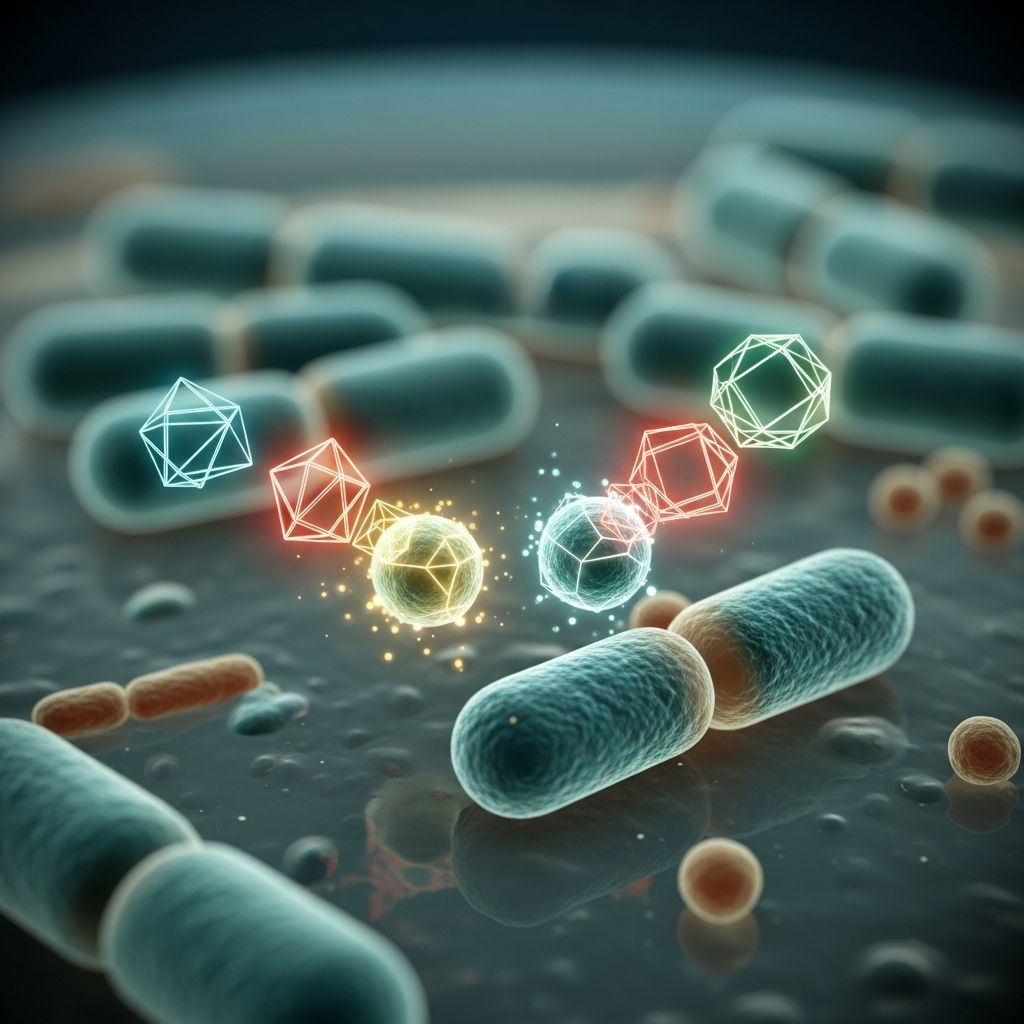
Antibiotic resistance, often termed antimicrobial resistance (AMR), represents one of the most pressing challenges in modern medicine, where bacteria, viruses, fungi, and parasites evolve to withstand drugs designed to eliminate them. This phenomenon renders standard treatments ineffective, leading to prolonged illnesses, higher mortality rates, and strained healthcare systems worldwide.
The Science Behind Bacterial Defiance
At its core, antibiotic resistance arises from evolutionary pressures on microorganisms. When exposed to antibiotics, sensitive bacteria die off, but those with genetic mutations that allow survival multiply and pass on these traits. Over time, this natural process accelerates due to widespread antimicrobial use in humans, agriculture, and veterinary medicine.
Bacteria employ several mechanisms to evade drugs: they can produce enzymes that degrade antibiotics, alter their cell walls to block entry, pump out the drugs before they act, or modify target sites so antibiotics cannot bind effectively. For instance, extended-spectrum beta-lactamases (ESBLs) produced by some E. coli strains dismantle common antibiotics, complicating urinary tract infections (UTIs).
Global Scale and Devastating Statistics
The scope of AMR is staggering. In 2019, bacterial resistance directly caused 1.27 million deaths globally and contributed to nearly 5 million more, affecting every continent regardless of income level. In the United States alone, over 2.8 million antimicrobial-resistant infections occur annually, resulting in more than 35,000 deaths, with costs exceeding $20 billion in direct healthcare expenses and up to $35 billion in lost productivity.
Low- and middle-income countries bear a disproportionate burden due to limited access to clean water, sanitation, vaccines, and quality diagnostics, exacerbating spread in vulnerable populations.
| Metric | Value | Source |
|---|---|---|
| Direct deaths from bacterial AMR (2019) | 1.27 million | WHO |
| Associated deaths (2019) | 4.95 million | WHO |
| US annual infections | 2.8+ million | NFID/CDC |
| US annual deaths | 35,000+ (48,000 with C. diff) | NFID |
Primary Drivers Fueling the Resistance Epidemic
Several human activities propel AMR’s rise. Misuse and overuse of antibiotics top the list: prescribing for viral infections like colds or flu, where they offer no benefit, selects for resistant strains. Incomplete courses also allow survivors to adapt.
- Agricultural overuse: Up to 70% of antibiotics in some countries are used in livestock for growth promotion, not just treatment, fostering resistant pathogens that enter the food chain.
- Poor hygiene and infection control: Inadequate sanitation, crowded healthcare settings, and lack of handwashing facilitate rapid spread.
- Limited diagnostics: Without rapid tests distinguishing bacterial from viral infections, unnecessary antibiotics are dispensed.
- Global travel and trade: Resistant bugs cross borders easily, as seen with multidrug-resistant tuberculosis (MDR-TB).
Superbugs: The Most Dangerous Pathogens
“Superbugs” are bacteria resistant to multiple antibiotics, leaving few treatment options. Methicillin-resistant Staphylococcus aureus (MRSA) thrives in hospitals, causing skin infections and pneumonia. Clostridioides difficile (C. diff), often following antibiotic use disrupting gut flora, leads to severe diarrhea and colitis.
Related Stories



Other threats include carbapenem-resistant Enterobacteriaceae (CRE), dubbed “nightmare bacteria,” and extensively drug-resistant TB, treatable only with toxic, costly second-line drugs. HIV and malaria parasites also develop resistance, undermining antiretroviral and antimalarial therapies.
Health and Economic Consequences
Resistant infections prolong hospital stays, demand expensive alternatives, and increase complication risks like organ failure. Routine procedures—joint replacements, chemotherapy, transplants—become riskier without reliable infection control.
Economically, AMR could shrink global GDP by 1-3.5% by 2050 if unchecked, with low-income regions hit hardest. Individuals face higher out-of-pocket costs and productivity losses from extended recovery.
Prevention Strategies for Individuals
Everyone plays a role in curbing AMR. Key actions include:
- Only taking antibiotics prescribed by a doctor, completing full courses, and never sharing or saving leftovers.
- Washing hands frequently, cooking meat thoroughly, and staying home when sick to prevent spread.
- Avoiding demands for antibiotics for viral illnesses like sore throats or ear infections in children, which often resolve without them.
- Supporting vaccination to reduce infection needs.
Healthcare providers should use diagnostics, adhere to stewardship programs limiting unnecessary prescriptions, and educate patients.
Broader Public Health and Policy Measures
Governments and organizations are ramping up efforts. The WHO’s Global Action Plan promotes surveillance, infection prevention, and rational drug use. National stewardship programs track resistance patterns and optimize prescribing.
In agriculture, phasing out non-therapeutic antibiotics is crucial. Investments in new drugs, vaccines, and diagnostics are vital, though development lags due to low profitability against evolving threats.
Innovations and Future Outlook
Hope lies in alternatives: bacteriophages (viruses targeting bacteria), antibody therapies, and rapid point-of-care tests. AI-driven drug discovery and global surveillance networks like WHO’s GLASS enhance early detection.
One Health approaches integrate human, animal, and environmental health to tackle root causes holistically.
Frequently Asked Questions (FAQs)
What is antibiotic resistance?
It occurs when bacteria evolve to survive antibiotics, making infections harder to treat.
Can I get antibiotic resistance from taking medicine?
No, resistance develops in bacteria, not your body. But overuse contributes to resistant strains.
How can I avoid contributing to AMR?
Use antibiotics only when prescribed, practice good hygiene, get vaccinated, and support policy changes.
Are superbugs untreatable?
Some have limited options, but new therapies and stewardship help. Prevention is key.
What role does agriculture play?
Heavy antibiotic use in farming drives resistance; reducing it is essential.
Conclusion: Collective Action is Essential
Antibiotic resistance demands urgent, unified response from individuals, healthcare, policymakers, and industries. By preserving antibiotic efficacy through prudent use and innovation, we can avert a post-antibiotic era where minor infections turn deadly.
References
- Antimicrobial resistance – World Health Organization (WHO) — WHO. 2023-11-21. https://www.who.int/news-room/fact-sheets/detail/antimicrobial-resistance
- Antibiotic Resistance: What Is It, Complications & Treatment — Cleveland Clinic. 2023-09-05. https://my.clevelandclinic.org/health/articles/21655-antibiotic-resistance
- Antibiotic Resistance – NFID — National Foundation for Infectious Diseases. 2023. https://www.nfid.org/antibiotic-resistance/
- About Antimicrobial Resistance – CDC — Centers for Disease Control and Prevention. 2023-10-05. https://www.cdc.gov/antimicrobial-resistance/about/index.html
- Antibiotic resistance – NHS — National Health Service. 2023-02-17. https://www.nhs.uk/medicines/antibiotics/antibiotic-antimicrobial-resistance/
- Antibiotic Resistance – MedlinePlus — U.S. National Library of Medicine. 2023-08-08. https://medlineplus.gov/antibioticresistance.html
Similar Articles








Read full bio of medha deb