Antibiotics and Alcohol: Safety, Risks, and What You Need
Understanding the risks of mixing antibiotics with alcohol and protecting your health during treatment.
Antibiotics and Alcohol: What You Need to Know
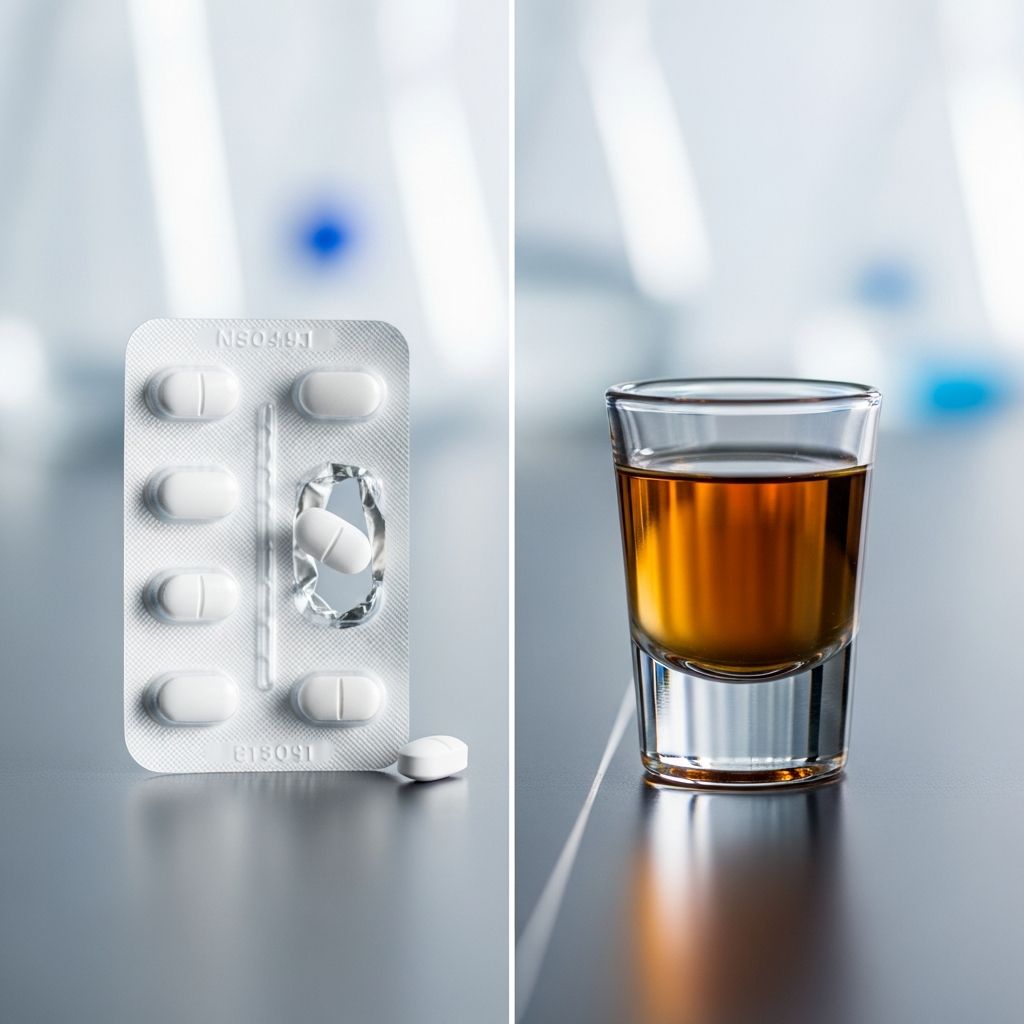
When you’re prescribed antibiotics for a bacterial infection, your healthcare provider gives you specific instructions on how to take the medication. One common question patients ask is whether it’s safe to drink alcohol while taking antibiotics. The answer is more nuanced than a simple yes or no. While some antibiotics can be taken with small amounts of alcohol without serious interactions, others require strict avoidance of alcohol entirely. Understanding the relationship between antibiotics and alcohol is crucial for ensuring your medication works effectively and minimizing the risk of harmful side effects.
Can You Drink Alcohol While Taking Antibiotics?
The short answer is: it depends on the type of antibiotic you’re taking. According to medical experts, alcohol doesn’t directly make most antibiotics ineffective, but it can interfere with how your body processes the medication and complicate your recovery. For many common antibiotics like penicillins, azithromycin, and fluoroquinolones, moderate alcohol consumption is unlikely to cause serious problems, though abstaining is still recommended.
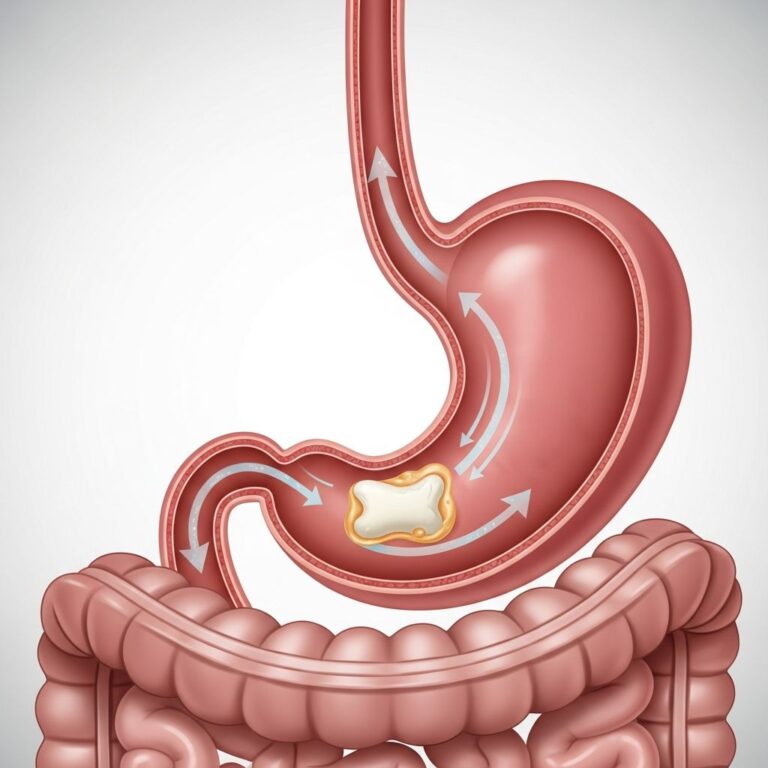
However, the relationship between alcohol and antibiotics is complex. While moderate alcohol intake may not completely neutralize antibiotic effectiveness, it can still create multiple problems that prevent you from healing properly. Your immune system, hydration levels, and nutrient absorption all play important roles in fighting infection, and alcohol negatively impacts all three of these factors.
How Alcohol Affects Antibiotic Effectiveness
To understand the impact of alcohol on antibiotics, it’s important to recognize that alcohol doesn’t work in isolation. Several mechanisms explain why health professionals recommend avoiding alcohol during antibiotic treatment:
- Impaired medication absorption: Alcohol can interfere with your body’s ability to absorb certain antibiotics, reducing the amount of medication that enters your bloodstream and making the antibiotic less effective at fighting the infection.
- Weakened immune response: Alcohol suppresses your immune system’s ability to fight bacterial infections. This means even if the antibiotic is working properly, your body has less capacity to eliminate the infection naturally.
- Dehydration: Alcohol is a diuretic, meaning it causes your body to lose more fluids. This dehydration can slow the healing process and reduce your body’s natural infection-fighting abilities.
- Reduced nutrient absorption: Alcohol interferes with your body’s ability to absorb essential nutrients needed for healing and immune function.
- Sleep disruption: Alcohol can disturb sleep quality, and adequate rest is essential for your immune system to function optimally while fighting an infection.
Side Effects of Mixing Antibiotics and Alcohol
Beyond effectiveness concerns, combining antibiotics with alcohol can produce uncomfortable and sometimes serious side effects. Both antibiotics and alcohol can cause similar adverse reactions, and when combined, these effects are often magnified.
Common side effects that may be worsened include:
- Nausea and vomiting
- Dizziness and vertigo
- Drowsiness and fatigue
- Digestive issues and diarrhea
- Headaches
- Stomach upset
- Rapid heartbeat or flushing
The severity of these side effects varies depending on individual factors, the specific antibiotic you’re taking, the amount of alcohol consumed, and your overall health status.
Antibiotics That Require Strict Alcohol Avoidance
Certain antibiotics interact with alcohol in ways that can cause serious side effects and should never be mixed with alcohol. These medications can trigger what’s known as a disulfiram-like reaction, which produces particularly unpleasant symptoms.
Related Stories



Antibiotics to completely avoid alcohol with include:
- Metronidazole (Flagyl): One of the most well-known antibiotics that reacts severely with alcohol, causing flushing, headache, nausea, vomiting, and rapid heartbeat
- Tinidazole (Tindamax): Similar to metronidazole, this medication produces severe reactions when combined with alcohol
- Sulfamethoxazole-trimethoprim (Bactrim, Septra): Can cause dangerous side effects when mixed with alcohol
- Doxycycline: A tetracycline antibiotic that may be less effective with alcohol, especially for those with a history of heavy drinking
- Minocycline: Another tetracycline that can cause liver damage; since alcohol also affects the liver, this combination is particularly risky
- Linezolid: Requires alcohol avoidance to prevent dangerous interactions
If you’re prescribed any of these medications, your healthcare provider will advise you to abstain from alcohol completely during your course of treatment and for a recommended period afterward, typically at least 72 hours after your last dose.
Antibiotics With Lower Interaction Risk
Some antibiotics have a lower risk of interaction with alcohol, though health professionals still recommend limiting or avoiding alcohol during treatment. These include:
Penicillins
Penicillins are commonly prescribed for bacterial infections like strep throat, urinary tract infections, and meningitis. Consuming penicillin with alcohol is not likely to cause severe side effects, though alcohol may slow the rate of absorption of the antibiotic, potentially delaying your recovery.
Azithromycin
This macrolide antibiotic is generally considered safe with moderate alcohol consumption, though abstaining is still recommended to support optimal healing.
Fluoroquinolones
These antibiotics, used to treat various bacterial infections, have lower interaction risks with alcohol compared to other classes, though caution is still advised.
Recommended Guidelines for Alcohol and Antibiotics
Medical professionals provide consistent guidance on alcohol consumption during antibiotic therapy:
- During treatment: Abstain from alcohol for the entire duration of your antibiotic course, regardless of which medication you’re taking
- After treatment: Wait at least 72 hours after completing your final dose before consuming alcohol to allow your body to clear the medication and reduce the risk of adverse reactions
- Before starting antibiotics: If possible, avoid heavy alcohol consumption before beginning antibiotic therapy, as this can impair the medication’s effectiveness
- If moderation is considered: In cases where moderate alcohol is deemed acceptable, the general definition is one drink per day for women and two drinks per day for men, though abstaining remains the safest choice
Why Recovery Matters More Than You Think
When you’re fighting a bacterial infection, your body is working hard to recover. Alcohol undermines this recovery process in multiple ways that go beyond simple drug interactions. Even if the antibiotic itself remains effective, alcohol can:
- Prolong the duration of your illness by weakening immune function
- Increase the risk of secondary infections by lowering your body’s defenses
- Delay tissue repair and healing
- Reduce your body’s ability to absorb necessary nutrients
- Lead to dehydration at a time when your body needs optimal hydration
This is why healthcare providers recommend abstaining from alcohol not just for drug interaction reasons, but to help your body heal as quickly and completely as possible.
What About Different Forms of Alcohol?
The type of alcoholic beverage you consume doesn’t matter—whether it’s beer, wine, or liquor, the effects on your body are similar. All forms of alcohol can interfere with antibiotic effectiveness and your immune function. There is no “safer” form of alcohol to consume while taking antibiotics.
Special Considerations and Risk Factors
Certain individuals face higher risks when combining antibiotics and alcohol:
- People with liver disease: Should be especially cautious, as both antibiotics and alcohol can strain liver function
- Those with alcohol use disorder (AUD): May experience reduced antibiotic effectiveness and higher risk of complications
- Individuals taking multiple medications: May have increased interaction risks
- Pregnant women: Should abstain from both alcohol and certain antibiotics; consult your healthcare provider
- Elderly individuals: May be more sensitive to medication and alcohol interactions
Frequently Asked Questions
Q: Does alcohol completely cancel out antibiotics?
A: For most antibiotics, alcohol doesn’t completely eliminate their effectiveness, but it can reduce how well they work and impair your body’s ability to heal. Certain antibiotics like doxycycline may be less effective in people with a history of heavy drinking. The safest approach is to avoid alcohol during treatment regardless.
Q: How long after finishing antibiotics can I drink alcohol?
A: Most healthcare providers recommend waiting at least 72 hours (3 days) after your final dose of antibiotics before consuming alcohol. This allows your body adequate time to clear the medication and reduces the risk of adverse reactions. For some specific antibiotics, your doctor may recommend waiting longer.
Q: What if I accidentally drank alcohol while taking antibiotics?
A: If you had a small amount of alcohol with most types of antibiotics, it’s unlikely to cause serious harm, though side effects like nausea or dizziness may occur. However, if you drank while taking metronidazole, tinidazole, or another restricted antibiotic, and experience symptoms like severe nausea, vomiting, or rapid heartbeat, seek medical attention immediately. Contact your healthcare provider for specific guidance.
Q: Is it safe to drink a small amount of alcohol with antibiotics?
A: While small amounts of alcohol may pose lower risks with certain antibiotics like penicillins, the safest recommendation is complete abstinence during treatment. Even small amounts can impair your immune system and slow healing, making it harder for you to recover quickly.
Q: Why do some antibiotics have warnings about alcohol while others don’t?
A: Different antibiotics interact with alcohol in different ways based on their chemical composition and how your body metabolizes them. Some classes, like nitroimidazoles and tetracyclines, have direct pharmacological interactions with alcohol that can cause severe reactions. Others have lower direct interaction risks but still impair healing through immune suppression and other indirect mechanisms.
Q: Can I drink non-alcoholic beverages instead?
A: Yes, absolutely. Non-alcoholic beverages are an excellent alternative during antibiotic treatment. In fact, staying well-hydrated with water, herbal tea, and other non-alcoholic drinks supports your immune system and helps you recover faster from infection.
Q: What should I do if I’m unsure about my specific antibiotic?
A: Always consult your healthcare provider or pharmacist about your specific medication. Check the medication label for warnings about alcohol, ask your pharmacist directly, or call your doctor’s office. Different antibiotics have different interaction profiles, and your healthcare team can give you personalized recommendations based on your specific medication and health status.
The Bottom Line
While not all antibiotics cause severe reactions with alcohol, the safest and most effective approach is to avoid alcohol entirely during antibiotic treatment and for at least 72 hours after completing your course. This ensures your medication works optimally, minimizes side effects, and allows your body to focus all its resources on healing from the infection.
Some antibiotics, particularly metronidazole, tinidazole, and sulfamethoxazole-trimethoprim, absolutely should never be mixed with any amount of alcohol due to the risk of serious adverse reactions. For all other antibiotics, even though the direct interaction risk may be lower, alcohol can still impair your immune function, cause dehydration, and slow your recovery.
Your health and complete recovery should be the priority. By abstaining from alcohol during antibiotic treatment, you’re giving your body the best chance to overcome the infection quickly and completely. If you have questions about your specific medication, always consult with your healthcare provider or pharmacist who can provide personalized guidance based on your individual circumstances.
References
- Antibiotics and Alcohol Myth: Debunking False Ideas — Paramount Wellness Centers. 2024. https://www.paramountwellnesscenters.org/antibiotics-and-alcohol-myth/
- Sip or skip: Can you drink on antibiotics? – Baylor Scott & White Health — Baylor Scott & White Health. 2024. https://www.bswhealth.com/blog/can-you-drink-alcohol-on-antibiotics-antibiotic-dos-and-donts
- Antibiotics and Alcohol – Supportive Care — Supportive Care. 2024. https://www.thesupportivecare.com/blog/antibiotics-and-alcohol
- Is it safe to mix antibiotics and alcohol? Safety, effects, and types — Medical News Today. 2024. https://www.medicalnewstoday.com/articles/324991
- Antibiotics and alcohol – Mayo Clinic — Mayo Clinic. 2024. https://www.mayoclinic.org/healthy-lifestyle/consumer-health/expert-answers/antibiotics-and-alcohol/faq-20057946
Similar Articles








Read full bio of Sneha Tete