Antibiotics Guide: Uses, Side Effects, And Resistance Explained
Comprehensive guide to antibiotics: types, uses, side effects, and responsible usage for bacterial infections.
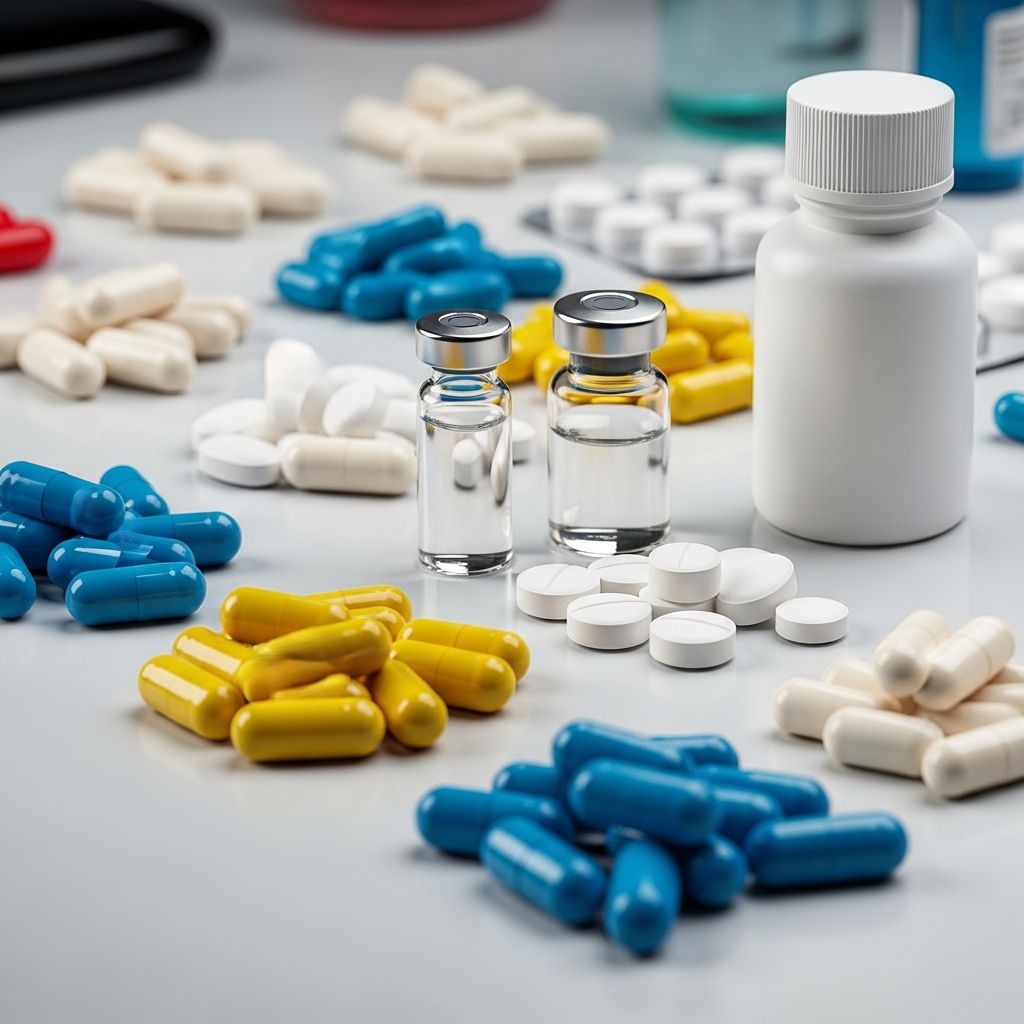
Antibiotics represent a cornerstone of modern medicine, targeting bacterial infections that can range from mild inconveniences to life-threatening conditions. These medications work by disrupting essential bacterial processes, such as cell wall formation or protein production, while leaving human cells largely unaffected.
Understanding Bacterial Infections and Antibiotic Necessity
Bacterial infections occur when harmful bacteria invade the body, multiplying and causing illness. Common examples include urinary tract infections, pneumonia, strep throat, and skin infections. Antibiotics are prescribed specifically for these, as they have no effect on viral illnesses like colds, flu, or most sore throats.
Not every bacterial infection requires antibiotics; many resolve with the body’s immune response, rest, and hydration. Healthcare providers reserve them for cases where infections are severe, persistent, or affect vulnerable individuals, such as those with weakened immunity.
Major Classes of Antibiotics
Antibiotics are categorized by chemical structure and mechanism of action. Below is an overview of key classes, their targets, and typical uses.
Beta-Lactam Antibiotics
Beta-lactams, including penicillins, cephalosporins, and carbapenems, inhibit bacterial cell wall synthesis by binding to penicillin-binding proteins, leading to cell lysis. They exhibit time-dependent killing, meaning efficacy depends on the duration of exposure above minimum inhibitory concentrations.
- Penicillins: Narrow-spectrum options like penicillin G target gram-positive bacteria. Broader ones like amoxicillin treat respiratory and ear infections. Half-life is short (0.5-1.5 hours), necessitating frequent dosing.
- Cephalosporins: First-generation (e.g., cefazolin) excel against methicillin-susceptible Staphylococcus aureus in bloodstream infections. Third/fourth-generation (e.g., ceftazidime) cover gram-negative bacilli in pneumonia or urinary infections.
- Carbapenems: Broad-spectrum agents like meropenem combat resistant gram-negatives, including ESBL-producers, in hospital-acquired pneumonia.
Protein Synthesis Inhibitors
These antibiotics target bacterial ribosomes, halting protein production essential for growth.
- Macrolides: Azithromycin and erythromycin treat community-acquired pneumonia, pertussis, and chlamydia. Dosing is often once-daily due to long tissue penetration.
- Tetracyclines: Doxycycline covers acne, Lyme disease, and respiratory infections by binding the 30S ribosomal subunit.
- Aminoglycosides: Gentamicin provides synergistic therapy for serious gram-negative infections like sepsis.
- Oxazolidinones: Linezolid treats resistant gram-positives like MRSA pneumonia; no renal adjustment needed.
Other Important Classes
- Fluoroquinolones: Ciprofloxacin targets gram-negatives in urinary tract infections and gastrointestinal issues.
- Sulfonamides/Trimethoprim: Combinations like sulfamethoxazole-trimethoprim manage UTIs and Pneumocystis pneumonia.
- Nitroimidazoles: Metronidazole eradicates anaerobes in bacterial vaginosis and Giardia.
Common Infections Treated with Antibiotics
Antibiotics address a variety of infections based on likely pathogens and local resistance patterns.
| Infection Type | Common Antibiotics | Typical Duration |
|---|---|---|
| Urinary Tract Infections | Nitrofurantoin, Trimethoprim-Sulfamethoxazole, Ciprofloxacin | 3-7 days |
| Pneumonia (Community-Acquired) | Azithromycin, Doxycycline, Ceftriaxone + Macrolide | 5-14 days |
| Strep Throat | Amoxicillin, Cephalexin | 10 days |
| Skin/Soft Tissue Infections | Cefazolin, Clindamycin, Doxycycline | 5-10 days |
| Sexually Transmitted Infections | Azithromycin (Chlamydia), Ceftriaxone (Gonorrhea) | Single dose or 7 days |
Selection considers patient allergies, renal function, and resistance data.
Proper Usage and Completing the Course
Take antibiotics exactly as prescribed: full dose, correct intervals, and entire course, even if symptoms improve early. This prevents relapse and resistance development. Store per instructions; discard leftovers.
Related Stories



- Timing: With or without food as specified.
- Interactions: Avoid antacids with quinolones; space dairy from tetracyclines.
- Missed dose: Take ASAP unless near next dose.
Potential Side Effects and Allergic Reactions
While generally safe, antibiotics can cause issues. Common ones include nausea, diarrhea, rash, and yeast infections from gut flora disruption.
- Gastrointestinal: Up to 30% experience diarrhea; probiotics may help.
- Allergic: Penicillin allergy affects 10%; symptoms range from hives to anaphylaxis. Cross-reactivity with cephalosporins is low (~2%).
- Serious: C. difficile colitis (diarrhea with blood), tendon rupture (quinolones), seizures (high-dose carbapenems).
Report severe symptoms like difficulty breathing or swelling immediately.
Antimicrobial Resistance: A Growing Crisis
Overuse and misuse drive resistance, where bacteria survive antibiotics, complicating treatments. Strategies include stewardship programs, rapid diagnostics, and alternatives like phage therapy.
- Prevention: Use only when necessary; vaccinate; practice hygiene.
- Global Impact: Resistant infections cause millions of deaths yearly; new agents are urgently needed.
Special Considerations for Vulnerable Groups
Pregnancy and Breastfeeding
Safe options: Penicillins, cephalosporins, macrolides (avoid tetracyclines). Consult providers for risks.
Children
Dosing by weight; amoxicillin common for ear infections. Avoid in viral cases.
Kidney or Liver Impairment
Adjust doses: Beta-lactams extend intervals; avoid nephrotoxic aminoglycosides if possible.
Elderly
Increased side effect risk; monitor for interactions with other meds.
Frequently Asked Questions (FAQs)
Can antibiotics treat viral infections?
No, they target bacteria only. Viruses require antivirals or supportive care.
What if I feel better before finishing antibiotics?
Complete the course to eradicate all bacteria and prevent resistance.
How can I avoid antibiotic resistance?
Use only as prescribed, avoid self-medication, and support infection prevention.
Are there natural alternatives to antibiotics?
Some like garlic have mild effects, but none replace prescription antibiotics for serious infections. Consult a doctor.
What should I do with leftover antibiotics?
Do not save or share; dispose via pharmacy take-back programs.
Promoting Responsible Antibiotic Use
Healthcare systems emphasize education: prescribers follow guidelines, patients adhere to instructions, and pharmacists counsel on use. Global initiatives like WHO’s AWaRe classification prioritize access, watch, and reserve antibiotics.
In summary, antibiotics save lives when used judiciously. Understanding their classes, applications, and risks empowers informed decisions, preserving efficacy for future generations.
References
- Clinical Pharmacology of Antibiotics — PMC (PubMed Central). 2019-07-26. https://pmc.ncbi.nlm.nih.gov/articles/PMC6625637/
- Antibiotics: Types, Uses, and Side-Effects — Patient.info. Recent update (accessed 2026). https://patient.info/infections/antibiotics-leaflet
- Antibiotic Chart — StraightHealthcare.com. Recent update (accessed 2026). https://www.straighthealthcare.com/antibiotic-chart.html
- Antibiotics: What To Know — Cleveland Clinic. 2023-08-01. https://my.clevelandclinic.org/health/treatments/16386-antibiotics
- Antibiotics – MedlinePlus — U.S. National Library of Medicine. Recent update (accessed 2026). https://medlineplus.gov/antibiotics.html
Similar Articles








Read full bio of medha deb