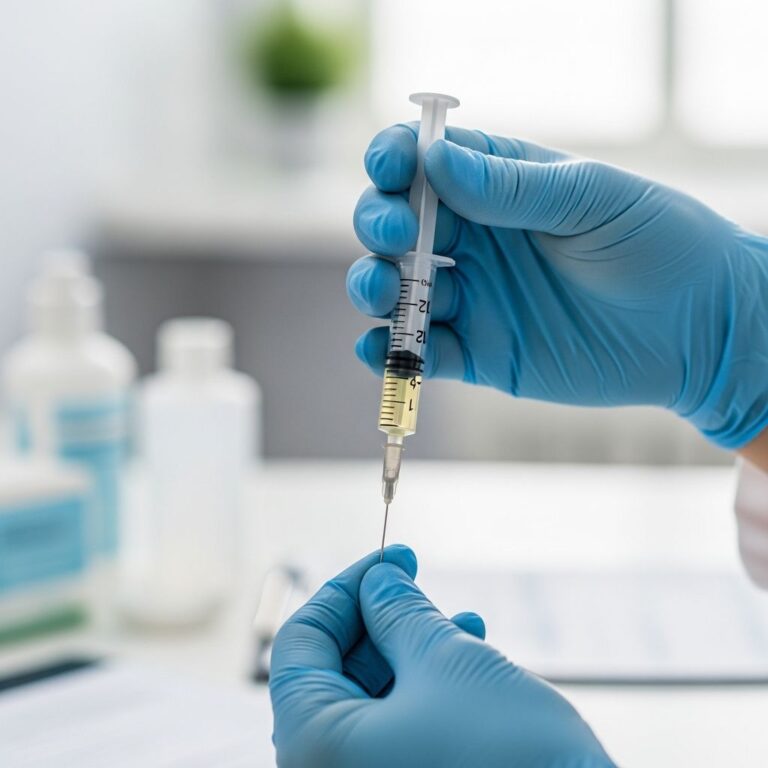
Antibodies: Definition, Types & Function
Understanding antibodies: Your immune system's protective proteins that fight infections and disease.
What Are Antibodies?
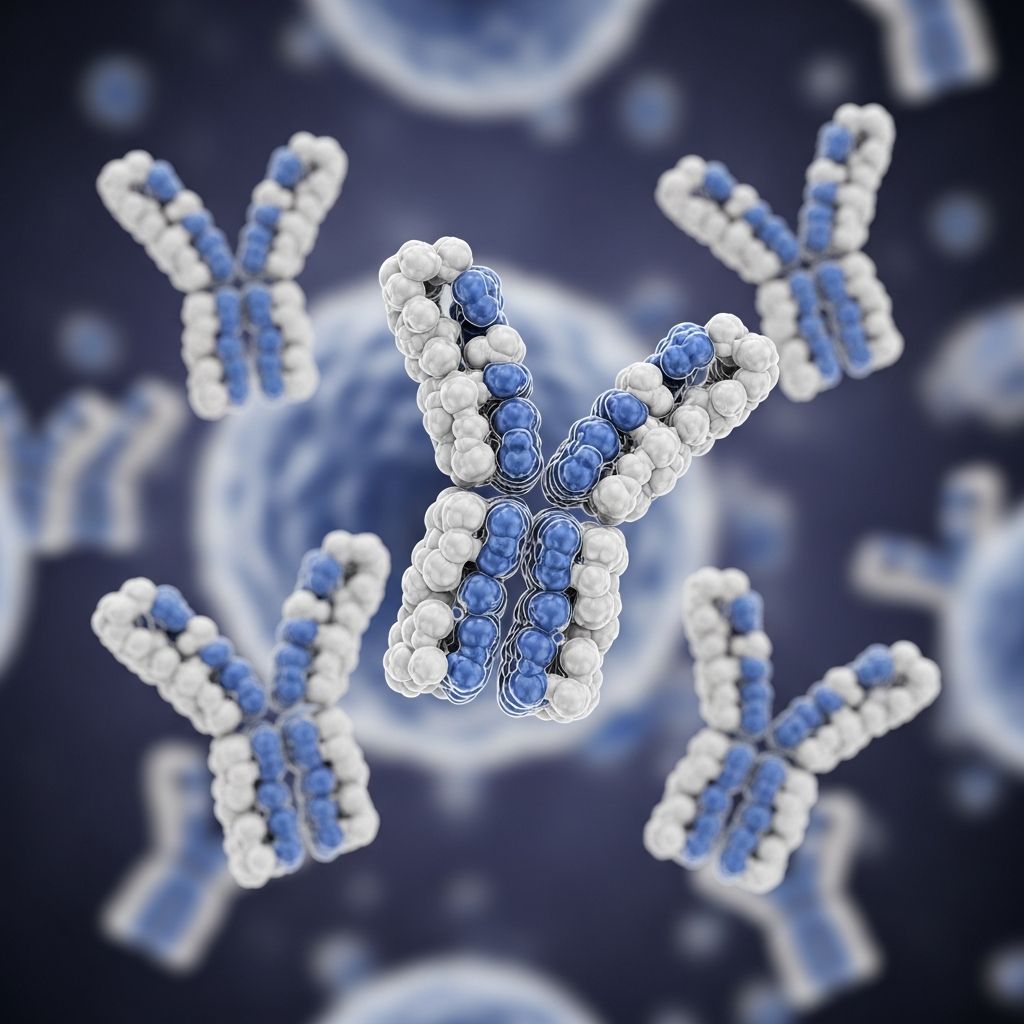
Antibodies are specialized protective proteins produced by your immune system in response to foreign invaders. Your body manufactures these proteins naturally to defend against infections, allergens, toxins, and other harmful substances. Antibodies represent one of the most important components of your body’s defense mechanism, working continuously to identify and eliminate threats to your health.
These remarkable molecules are created by specific white blood cells called B lymphocytes. When your immune system detects a foreign substance—known as an antigen—it triggers the production of antibodies specifically designed to recognize and neutralize that particular threat. This targeted approach makes antibodies one of the most efficient weapons in your immune arsenal.
How Antibodies Function
Antibodies work through a sophisticated process of recognition and elimination. When an antigen enters your body, antibodies bind to it with remarkable precision, much like a key fitting into a specific lock. This binding serves multiple critical functions in protecting your health.
The Process of Immune Defense
Once an antibody attaches to an antigen, several protective mechanisms are activated. The antibody marks the foreign substance for destruction by other immune cells, a process called opsonization. Additionally, antibodies can neutralize toxins directly or prevent viruses from entering and infecting your cells. Some antibodies activate a system called the complement cascade, which enhances inflammation and destroys pathogens. Your immune system also uses a process called antibody-dependent cellular cytotoxicity, where antibodies direct immune cells to eliminate infected or abnormal cells.
Memory and Protection
One of the most remarkable features of antibodies is your immune system’s ability to remember encounters with specific pathogens. After initial exposure to a disease, your body retains specialized cells that can rapidly produce antibodies if that same pathogen returns. This immunological memory is the foundation of vaccination programs and explains why you typically develop immunity to certain diseases after infection or vaccination.
The Five Main Types of Antibodies
Your body produces five distinct types of antibodies, each with specialized roles in immune defense. Understanding these different antibody classes provides insight into how your immune system responds to various threats:
Immunoglobulin G (IgG)
IgG is the most abundant antibody in your bloodstream, comprising approximately 75% of all antibodies. This antibody typically appears about one to two weeks after initial infection or vaccination and provides long-term immunity. IgG antibodies remain in your body for extended periods, sometimes for years or even a lifetime, offering sustained protection against previously encountered pathogens.
Immunoglobulin M (IgM)
IgM is your immune system’s first responder, appearing within the first few days of infection or vaccination. This antibody is the largest of all antibody types and is particularly effective at activating the complement cascade. However, IgM antibodies fade relatively quickly, typically becoming undetectable within weeks. The presence of IgM antibodies in your blood often indicates a recent or acute infection.
Related Stories



Immunoglobulin A (IgA)
IgA is the second most abundant antibody and plays a crucial role in protecting your mucous membranes. This antibody is found in high concentrations in your saliva, tears, respiratory secretions, and digestive tract fluids. IgA provides the first line of defense against pathogens attempting to enter your body through these vulnerable entry points, making it essential for respiratory and gastrointestinal health.
Immunoglobulin E (IgE)
IgE antibodies are involved primarily in allergic reactions and parasitic infections. These antibodies attach to mast cells and basophils, triggering the release of histamine when exposed to allergens. While IgE plays an important role in defending against parasitic worms, overproduction of this antibody class leads to allergic symptoms ranging from mild itching to severe anaphylaxis.
Immunoglobulin D (IgD)
IgD antibodies remain somewhat mysterious in their specific functions but are believed to play a role in B cell activation and regulation. These antibodies are found primarily on the surface of B cells and help initiate immune responses when antigens are encountered. IgD works alongside IgM to activate B cells when first encountering new antigens.
Antibodies and Vaccination
Vaccines represent one of the most effective applications of antibody science. When you receive a vaccine, your body is exposed to a weakened or inactive form of a pathogen, or sometimes just a component of the pathogen like a protein. Your immune system recognizes this as a threat and produces antibodies and memory cells without causing actual disease.
For example, COVID-19 vaccines teach your body how to create antibodies that fight the virus. If you’ve already had COVID-19 and then receive the vaccine, getting vaccinated increases your body’s antibody response significantly and improves your protection against the virus. You can take an antibody test to determine if you have COVID antibodies, and these tests are available at laboratories, pharmacies, and through healthcare providers.
Antibody Testing and Diagnosis
Medical professionals use antibody tests, also called serology tests, to detect antibodies in your blood. These tests help diagnose infections and assess your immune system’s response to diseases. Antibody tests look for specific antibodies your body produces in response to particular pathogens or diseases.
How Antibody Tests Work
During an antibody test, a healthcare provider withdraws a small blood sample from your arm. This sample is then sent to a laboratory where technicians test it for the presence and quantity of specific antibodies. The test results indicate whether your immune system has encountered a particular pathogen and how strongly it responded.
Timeline for Antibody Detection
The timeline for detecting antibodies varies depending on the type of infection and the antibody class being measured. IgM antibodies typically appear within days of exposure, while IgG and IgA antibodies usually develop about one to two weeks after infection. This timeline is important because it affects when testing should occur for accurate diagnosis.
Test Results and Interpretation
A positive test result indicates that antibodies are present in your blood. However, the interpretation depends on the context. For COVID-19, a positive result could mean you were infected in the past, you received the vaccine, or you have natural immunity from previous infection. Multiple factors influence results, including when the test is performed and which antibody types are being measured. In some cases, healthcare providers may recommend a second antibody test to confirm results.
Monoclonal Antibodies as Treatment
Beyond your body’s natural antibody production, scientists can create laboratory-made antibodies called monoclonal antibodies. These artificially produced antibodies are designed to target specific antigens and are used to treat various health conditions.
Applications of Monoclonal Antibodies
Monoclonal antibodies have revolutionized treatment for numerous diseases. They are used to treat certain cancers by targeting cancer cells while sparing healthy tissue. These laboratory-created antibodies also help manage autoimmune diseases like rheumatoid arthritis, heart disease, and various other conditions. The precision of monoclonal antibodies makes them more effective than some traditional treatments while potentially reducing side effects.
How Monoclonal Antibody Treatment Works
Monoclonal antibodies are proteins manufactured in laboratories to stimulate and direct your immune system. These treatments are typically administered as intravenous (IV) solutions in an infusion center. The monoclonal antibodies circulate through your body and specifically target disease-causing cells or proteins, marking them for destruction by your immune system.
Autoantibodies and Autoimmune Disease
While antibodies normally protect your body, sometimes they malfunction and attack your own cells and tissues instead of foreign invaders. These malfunctioning antibodies are called autoantibodies, and they are responsible for autoimmune diseases.
In autoimmune conditions, your immune system mistakenly identifies your body’s own cells as threats and produces autoantibodies against them. This can lead to chronic inflammation and tissue damage. Common autoimmune diseases caused by autoantibodies include rheumatoid arthritis, lupus, thyroid disease, and type 1 diabetes. Understanding autoantibodies has been crucial for developing treatments that help control these conditions.
Your Immune System’s Learning Ability
Your immune system demonstrates remarkable learning capabilities. When exposed to pathogens, your body doesn’t just respond immediately—it learns from the experience. Specialized immune cells called memory B cells retain information about antigens they’ve encountered, allowing your immune system to mount faster and stronger antibody responses upon re-exposure.
This learning process explains why you typically get childhood diseases like chickenpox only once. After the initial infection, your immune system maintains antibodies and memory cells that protect you from reinfection for years or even your entire lifetime. Vaccines harness this same learning mechanism, training your immune system to recognize and respond to diseases without requiring you to suffer through the actual illness.
Protection Against COVID-19
Antibodies have proven essential in our understanding and management of COVID-19. Antibodies to the virus that causes COVID-19 can be found in the blood of people who have recovered from infection or those who have received COVID-19 vaccines. If you test positive for COVID-19 antibodies, it indicates your body has encountered the virus or received the vaccine and has mounted an antibody response.
The presence of COVID-19 antibodies in vaccinated individuals demonstrates that vaccines effectively stimulate your immune system to produce protective antibodies without causing disease. These antibodies help neutralize the virus if you’re exposed to it, reducing your risk of severe illness.
Frequently Asked Questions
Q: How long do antibodies stay in your body after infection?
A: The duration varies by antibody type and disease. IgM antibodies typically fade within weeks, while IgG antibodies can persist for months, years, or even a lifetime, providing long-term immunity and protection.
Q: Can you have too many antibodies?
A: Overproduction of antibodies, particularly IgE antibodies, contributes to allergic reactions and allergic diseases. Additionally, autoimmune diseases involve antibodies attacking your own body, representing a dysregulation of the antibody system.
Q: What does a positive antibody test mean?
A: A positive antibody test means antibodies are present in your blood, indicating exposure to a specific pathogen, vaccination, or in some cases, an autoimmune response. The specific meaning depends on which antibodies are detected and the clinical context.
Q: How is antibody testing different from viral testing?
A: Antibody tests detect your immune system’s response to infection, while viral tests detect the actual pathogen. Antibody tests are useful for confirming past infection or vaccination, while viral tests diagnose active infection.
Q: Can antibodies from one person be given to another?
A: Yes, monoclonal antibodies created in laboratories can be administered as treatment. Additionally, in emergency situations, antibodies from recovered individuals (convalescent plasma) have been studied as potential treatment, though monoclonal antibodies are now preferred.
Q: Do COVID-19 vaccines create antibodies?
A: Yes, COVID-19 vaccines teach your immune system to produce antibodies against the virus. If you test positive on an antibody test after vaccination, it means your immune system successfully responded to the vaccine and created protective antibodies.
References
- Antibodies: Definition, Types & Function — Cleveland Clinic. Accessed December 2025. https://my.clevelandclinic.org/health/body/22971-antibodies
- Antibody Test: Uses and Procedure Details — Cleveland Clinic. Accessed December 2025. https://my.clevelandclinic.org/health/diagnostics/23019-antibody-test
- Monoclonal Antibodies: Definition & How Treatment Works — Cleveland Clinic. Accessed December 2025. https://my.clevelandclinic.org/health/treatments/22246-monoclonal-antibodies
- Immune System Function, Conditions & Disorders — Cleveland Clinic. Accessed December 2025. https://my.clevelandclinic.org/health/body/21196-immune-system
- Natural Immunity: What It Is — Cleveland Clinic. Accessed December 2025. https://my.clevelandclinic.org/health/articles/natural-immunity
- Monoclonal antibodies for treating COVID-19 — Cleveland Clinic Journal of Medicine. February 17, 2021. https://www.ccjm.org/content/early/2021/02/17/ccjm.88a.ccc074
Similar Articles








Read full bio of Sneha Tete