Anticoagulants And Antiplatelet Agents: Skin Surgery Guide
Essential guide to anticoagulants and antiplatelet drugs: mechanisms, uses, dermatological effects, and management of bleeding risks in skin conditions.
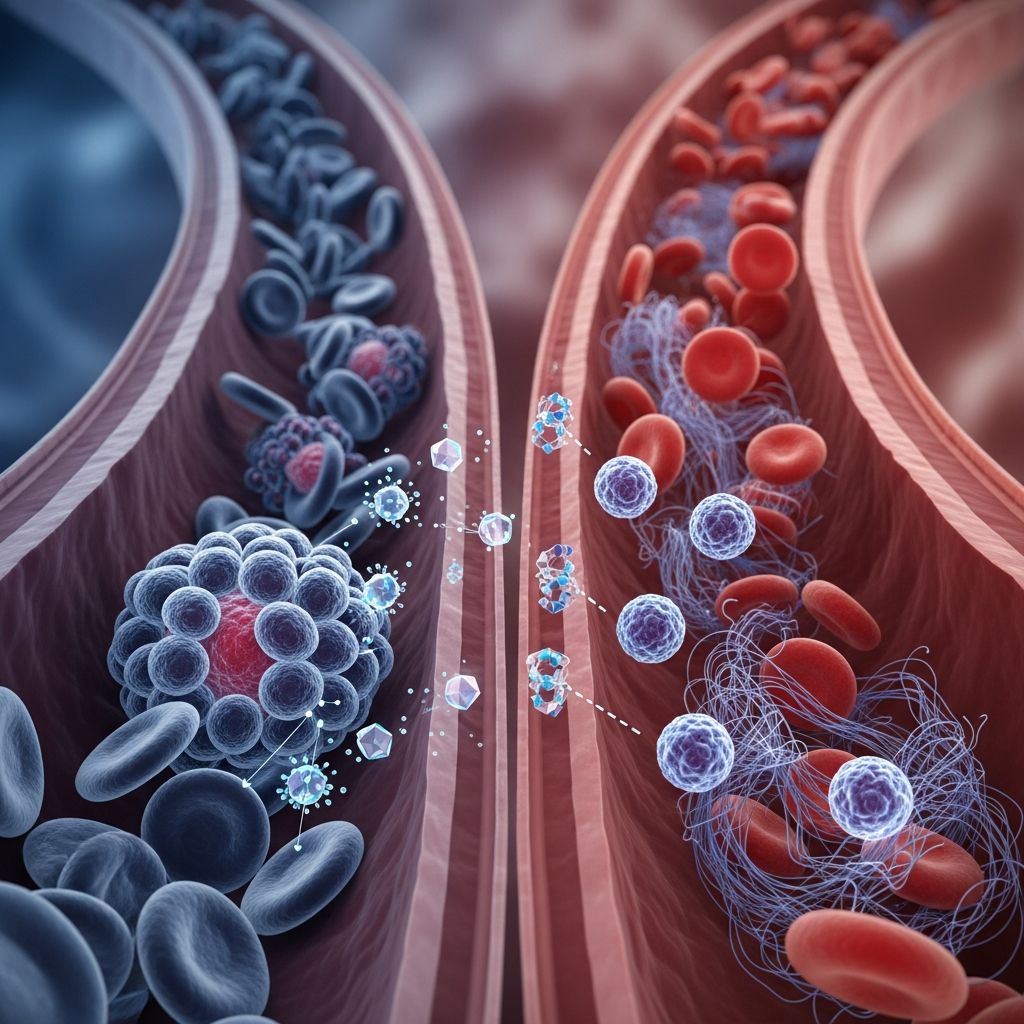
Anticoagulants and antiplatelet agents are critical medications used to prevent blood clots, reducing the risk of serious conditions like stroke, heart attack, and venous thrombosis. Antiplatelet agents prevent platelets from sticking together, while anticoagulants inhibit clotting factors in the blood coagulation cascade. Maintaining therapeutic levels is essential to balance clot prevention with the risk of excessive bleeding, particularly relevant in dermatology where skin procedures may increase hemorrhage risks.
What are they?
Antiplatelet agents primarily inhibit thromboxane production or block platelet activation pathways, used mainly for arterial thrombosis prevention such as in stroke and myocardial infarction. The cornerstone is low-dose aspirin, which irreversibly inhibits cyclooxygenase-1 (COX-1), suppressing prostaglandin and thromboxane A2 synthesis essential for platelet aggregation. Aspirin has a prolonged effect due to its irreversible binding, lasting the platelet lifespan (7-10 days).
Other antiplatelets like clopidogrel, prasugrel, ticagrelor, and ticlopidine act as ADP receptor antagonists (P2Y12 inhibitors), preventing adenosine diphosphate-induced platelet activation and cross-linking. These have shorter half-lives compared to aspirin, requiring consistent dosing.
Anticoagulants target the coagulation cascade to prevent fibrin formation. They are primarily indicated for venous thromboembolism (VTE), atrial fibrillation complications, and mechanical heart valves. Vitamin K antagonists like warfarin inhibit hepatic synthesis of clotting factors II, VII, IX, and X. Direct oral anticoagulants (DOACs) such as dabigatran (thrombin inhibitor), rivaroxaban, apixaban, and edoxaban (factor Xa inhibitors) offer predictable pharmacokinetics without routine monitoring.
Parenteral options include unfractionated heparin (UFH) and low-molecular-weight heparins (LMWH) like enoxaparin, which enhance antithrombin III activity to inactivate thrombin (IIa) and factor Xa.
Who gets them?
Antiplatelet therapy is prescribed for patients at high risk of arterial thrombotic events:
- Recent acute coronary syndrome (ACS), percutaneous coronary intervention (PCI) with stenting.
- Ischemic stroke or transient ischemic attack (TIA).
- Peripheral artery disease (PAD).
- Secondary prevention post-myocardial infarction (MI).
Dual antiplatelet therapy (DAPT), typically aspirin plus a P2Y12 inhibitor, is standard post-PCI for 6-12 months to prevent stent thrombosis.
Anticoagulants are indicated for:
- Atrial fibrillation (AF) without valvular disease (CHA2DS2-VASc score ≥2).
- Venous thromboembolism (deep vein thrombosis [DVT], pulmonary embolism [PE]).
- Mechanical heart valves or prosthetic valves.
- Antiphospholipid syndrome or hypercoagulable states.
In dermatology patients, these agents are common comorbidities in elderly individuals undergoing skin biopsies, excisions, or laser treatments.
What skin conditions occur?
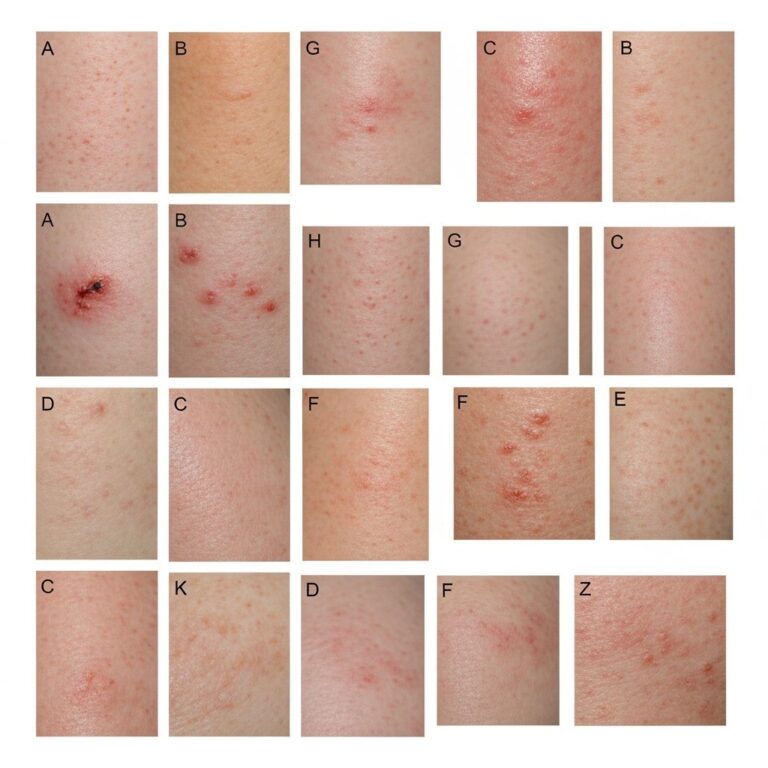
Both classes increase bleeding tendency, manifesting in dermatological adverse effects:
- Easy bruising (ecchymoses): Superficial dermal bleeding due to minor trauma.
- Purpura: Widespread petechiae or larger hemorrhages, especially senile purpura in anticoagulated elderly.
- Haematomas: After procedures or injury.
- Prolonged bleeding from cuts, epistaxis, or gingival oozing.
- Rarely, skin necrosis (warfarin-induced, due to protein C deficiency) or cholesterol emboli (purple toes syndrome).
Critical sites include skin biopsy sites, excisional wounds, and Mohs surgery, where bleeding can compromise healing.
How do you monitor them?
Related Stories



Monitoring ensures therapeutic efficacy while minimizing bleeding:
- Aspirin: No routine lab; platelet function tests (e.g., VerifyNow) if needed.
- P2Y12 inhibitors: VerifyNow P2Y12 or light transmission aggregometry for resistance.
- Warfarin: INR (target 2.0-3.0); frequent initially, then stable.
- UFH: aPTT (1.5-2.5x control).
- LMWH: Anti-Xa levels in renal impairment.
- DOACs: No routine monitoring; renal function (CrCl) crucial.
In dermatology, pre-procedure labs confirm control: INR <1.5 for minor procedures often acceptable.
Perioperative management for dermatological surgery
Managing anticoagulation/antiplatelets during skin surgery balances thrombosis vs. bleeding risks. Guidelines (e.g., ACC/AHA, dermatology societies) stratify procedures:
| Procedure Risk | Bleeding Risk | Management |
|---|---|---|
| Low (shave biopsy, laser) | Minimal | Continue therapy. |
| Moderate (punch biopsy, flap) | Low-moderate | Continue most; hold DOACs 24-48h if high risk. |
| High (full-thickness excision, Mohs) | High | Bridge warfarin with LMWH; hold P2Y12 5-7 days pre-op. |
Continuation vs. cessation: Aspirin monotherapy often continued for all dermatologic procedures, as bleeding risk increase is modest (OR 1.5-2.0) vs. thrombosis risk. Dual therapy interruption assessed individually.
Bridging: For high thrombotic risk (recent stent, AF CHADS2 ≥5), use short-acting LMWH halted 24h pre-op.
Reversal agents:
- Aspirin/P2Y12: Platelet transfusion if life-threatening.
- Warfarin: Vitamin K, PCC (prothrombin complex concentrate).
- Dabigatran: Idarucizumab.
- Factor Xa inhibitors: Andexanet alfa.
Differences between anticoagulants and antiplatelets
Key distinctions guide therapy selection:
| Aspect | Antiplatelets | Anticoagulants |
|---|---|---|
| Target | Platelets (arterial clots) | Coagulation factors (venous clots) |
| Primary Use | ACS, stroke prevention | VTE, AF |
| Monitoring | Rarely | Frequent (warfarin) |
| Bleeding Risk | Mucocutaneous | Retroperitoneal, GI |
Drug table
Comparative pharmacokinetics of common oral agents:
| Drug | Half-life (hr) | Peak plasma time (hr) |
|---|---|---|
| Warfarin | 20–60 | 36–72 |
| Dabigatran | 13–17 | 2–3 |
| Rivaroxaban | 5–9 | 2.5–4 |
| Apixaban | 10–14 | 3 |
Frequently asked questions
Can I continue aspirin before a skin biopsy?
Yes, low-dose aspirin is generally safe to continue for minor dermatologic procedures, as the bleeding risk is low and thrombosis risk higher.
Should I stop clopidogrel for surgery?
Consult cardiology; hold 5-7 days for elective high-bleed procedures if stenting >12 months ago.
How to reverse warfarin bleeding in clinic?
Hold doses, give vitamin K 5-10mg PO, PCC for urgent reversal; monitor INR.
Are DOACs safer than warfarin for skin patients?
DOACs have lower intracranial bleed risk and no INR monitoring, ideal for stable patients.
What if bruising worsens on therapy?
Evaluate for supratherapeutic levels, drug interactions, or new thrombocytopenia; dose adjust or switch.
References
- Antiplatelets, Anticoagulants, and Thrombolytics | Clinical Medicine — Ninja Nerd (YouTube Lecture). 2023. https://www.youtube.com/watch?v=8E5VwvN0MCU
- Antiplatelet Drugs: Types, Uses & Side Effects — Cleveland Clinic. 2023-10-12. https://my.clevelandclinic.org/health/drugs/22955-antiplatelet-drugs
- Anticoagulants and antiplatelet agents — DermNet NZ. 2024. https://dermnetnz.org/topics/anticoagulants-and-antiplatelet-agents
- Antithrombotic Therapy — American Society of Hematology. 2020. https://www.hematology.org/about/history/50-years/antithrombotic-therapy
- Anticoagulants and antiplatelets — Healthify NZ. 2023. https://healthify.nz/medicines-a-z/a/anticoagulants-and-antiplatelets
- Blood Thinners | Anticoagulants — MedlinePlus (NIH). 2024-01-15. https://medlineplus.gov/bloodthinners.html
Similar Articles








Read full bio of medha deb