Anticoagulants: Understanding Blood Thinners and Their Uses
Complete guide to anticoagulant medications: types, uses, benefits, and side effects explained.
Anticoagulants: Understanding Blood Thinners
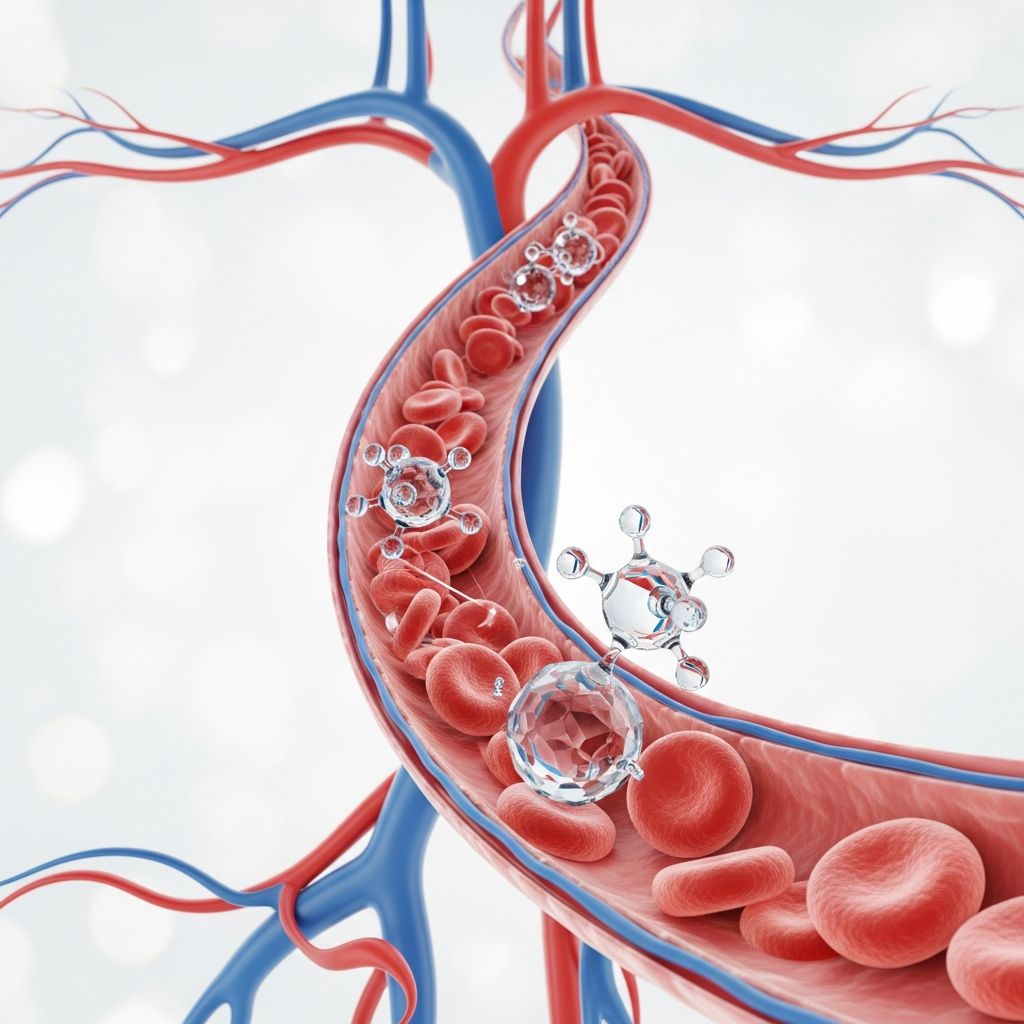
Anticoagulants, commonly known as blood thinners, are medications designed to prevent blood clots from forming or to stop existing clots from growing larger. These medications work by interfering with the blood’s natural clotting process, helping to reduce the risk of serious complications such as stroke, heart attack, and pulmonary embolism. Understanding how anticoagulants work and when they’re prescribed is essential for patients managing their cardiovascular health.
What Are Anticoagulants?
Anticoagulants are a class of drugs that inhibit the formation of blood clots by targeting various components of the coagulation cascade. Despite their common nickname “blood thinners,” these medications don’t actually thin the blood itself. Instead, they reduce the blood’s ability to clot by interfering with clotting factors or platelets. This mechanism helps prevent thrombosis, which occurs when blood clots form inappropriately in blood vessels, potentially leading to serious health complications.
Types of Anticoagulants
Several categories of anticoagulants are available, each working through different mechanisms to prevent clot formation.
Unfractionated Heparin (UFH)
Unfractionated heparin is a rapidly acting anticoagulant administered intravenously or subcutaneously. It works by enhancing the activity of antithrombin III, which inhibits clotting factors. UFH requires careful monitoring through blood tests and has a shorter duration of action, making it suitable for acute situations and hospitalized patients. For VTE prophylaxis in medical and surgical patients, UFH is typically administered at 5,000 units subcutaneously every 12 hours.
Low Molecular Weight Heparin (LMWH)
Low molecular weight heparin preparations, such as enoxaparin (Lovenox), offer more predictable pharmacokinetics compared to unfractionated heparin. LMWH is administered subcutaneously and doesn’t require routine laboratory monitoring in most patients. A systematic review and network meta-analysis found that intermediate-dose low-molecular-weight heparin provided the best balance of benefits and harms for VTE prophylaxis in acutely ill hospitalized patients, reducing symptomatic VTE with a moderate increase in major bleeding. Standard prophylactic dosing for LMWH typically involves 40 mg enoxaparin subcutaneously every 24 hours for medical and general surgical patients.
Fondaparinux (Arixtra)
Fondaparinux is a synthetic pentasaccharide that selectively inhibits Factor Xa. It’s administered subcutaneously once daily and is used for VTE prophylaxis in various surgical and medical settings. A typical prophylactic dose is 2.5 mg subcutaneously every 24 hours, though it should be avoided in patients with severe renal impairment (creatinine clearance less than 30 mL/min).
Warfarin (Coumadin)
Warfarin is an oral anticoagulant that inhibits the gamma carboxylation of vitamin K-dependent clotting factors (II, VII, IX, and X). It has a longer onset of action compared to heparins and requires regular blood test monitoring to maintain therapeutic international normalized ratio (INR) levels between 2-3 for most indications. Warfarin is particularly useful for long-term anticoagulation and is often used in patients with mechanical heart valves and certain cases of atrial fibrillation.
Direct Oral Anticoagulants (DOACs)
Direct oral anticoagulants represent a newer class of anticoagulants with several advantages over traditional options. DOACs are preferred to vitamin K antagonists for treating venous thromboembolism and nonvalvular atrial fibrillation, primarily because of comparable efficacy, consistent dosing, and fewer drug-drug interactions. This category includes:
Related Stories



Direct Thrombin Inhibitors
These medications directly inhibit thrombin (Factor IIa) and include agents such as dabigatran (Pradaxa), argatroban, and bivalirudin. Dabigatran is available as an oral formulation and is commonly used for stroke prevention in atrial fibrillation and VTE treatment.
Factor Xa Inhibitors
Factor Xa inhibitors block Factor X in the coagulation cascade and are available in both oral and parenteral formulations. Rivaroxaban (Xarelto) and apixaban are commonly prescribed oral Factor Xa inhibitors used for various thrombotic conditions. For orthopedic surgical prophylaxis, rivaroxaban 10 mg orally every 24 hours is an approved option.
Common Uses of Anticoagulants
Anticoagulants are prescribed for various clinical conditions where blood clot prevention or treatment is necessary.
Atrial Fibrillation
Patients with atrial fibrillation face an increased risk of stroke due to irregular heart rhythms promoting blood pooling and clot formation. DOACs are now preferred for most patients with nonvalvular atrial fibrillation. For patients on hemodialysis with atrial fibrillation, clinical data from meta-analyses indicate that DOACs are associated with significant reduction in stroke compared to vitamin K antagonists, with comparable bleeding risks.
Venous Thromboembolism (VTE) Treatment and Prevention
VTE encompasses deep vein thrombosis (DVT) and pulmonary embolism (PE). For acute VTE treatment, DOACs are acceptable options for submassive cases, while catheter-directed thrombolysis should be considered for iliofemoral deep vein thrombosis. For cancer-associated thrombosis, low-molecular-weight heparin remains an important therapeutic option. Prophylaxis in surgical patients typically continues for 10-14 days postoperatively, with extended prophylaxis up to 35 days considered for high-risk cases.
Post-Surgical Prophylaxis
After major surgical procedures, particularly orthopedic surgeries like knee replacement (TKR) and hip replacement (THR), anticoagulation prophylaxis is essential. For THR patients, LMWH dosing of 30 mg every 12 hours or 40 mg every 24 hours, fondaparinux 2.5 mg every 24 hours, rivaroxaban 10 mg daily, or warfarin maintaining INR 2-3 are all acceptable options. Prophylaxis should be maintained for 10-14 days and potentially extended up to 35 days for highest-risk patients.
Monitoring and Laboratory Considerations
Different anticoagulants require varying levels of laboratory monitoring. Unfractionated heparin requires monitoring within 24 hours of starting therapy and then every 2-3 days from day 4 to 14, with special attention to prevent or identify patients at risk of heparin-induced thrombocytopenia (HIT). Warfarin requires regular INR monitoring to maintain therapeutic levels. Most LMWH and DOAC formulations don’t require routine monitoring in patients with normal renal function, though renal function assessment is important at baseline.
Special Patient Populations
Certain patient populations present unique challenges in anticoagulation management.
Patients with Renal Impairment
In patients with creatinine clearance of 30 to 50 mL/min and VTE or atrial fibrillation, DOACs are preferred to vitamin K antagonists due to similar efficacy and lower rates of major bleeding, particularly intracranial bleeding. However, some anticoagulants require dose adjustments or are contraindicated in severe renal dysfunction. For example, enoxaparin at 30 mg subcutaneously every 24 hours is used when creatinine clearance is less than 30 mL/min, though it’s contraindicated in dialysis patients. Fondaparinux should be avoided in patients with creatinine clearance less than 30 mL/min.
Patients with Liver Disease
For patients with cirrhosis and VTE, treatment recommendations vary by disease severity. Patients with Child-Pugh A or B cirrhosis can receive DOACs, LMWH, or vitamin K antagonists. However, for Child-Pugh C cirrhosis, LMWH alone or as a bridge to vitamin K antagonist is recommended when baseline INR is normal.
Patients on Dialysis
For hemodialysis patients requiring anticoagulation, clinical data from multiple randomized trials indicate that DOACs are associated with significant reduction in stroke with comparable bleeding outcomes compared to vitamin K antagonists.
Extreme Body Weight and Bariatric Surgery
Patients with extreme body weight, those who have undergone bariatric surgery, and those with advanced kidney or liver disease present challenging prescribing scenarios for DOACs, as major trials excluded these populations. Individualized assessment and potentially alternative agents may be necessary.
Benefits of Anticoagulant Therapy
The primary benefit of anticoagulants is prevention of thrombotic complications. For patients with atrial fibrillation, appropriate anticoagulation significantly reduces stroke risk. In VTE management, anticoagulation prevents clot propagation and reduces risk of pulmonary embolism. Postoperative prophylaxis in surgical patients substantially decreases symptomatic VTE development. DOACs offer additional advantages including oral administration, fixed dosing without routine monitoring, and fewer drug-drug interactions compared to warfarin.
Potential Side Effects and Risks
The primary concern with anticoagulant therapy is increased bleeding risk. Major bleeding, including intracranial hemorrhage, gastrointestinal bleeding, and other serious bleeds, can occur with any anticoagulant. Heparin-induced thrombocytopenia (HIT) is a serious complication associated with heparin exposure. Warfarin requires careful monitoring to maintain therapeutic INR levels, as both subtherapeutic and supratherapeutic levels increase risks. Individual side effect profiles vary by anticoagulant class, and patients should discuss potential risks with their healthcare providers.
Alternative Approaches
Recent research has expanded treatment options beyond traditional anticoagulation. A Cleveland Clinic-led trial found that left atrial appendage (LAA) closure, a minimally-invasive catheter-based procedure, resulted in significantly less bleeding in patients with atrial fibrillation undergoing catheter ablation compared to oral anticoagulation, while preserving low rates of stroke, blood clots, and death. This option may be considered for selected patients with contraindications to anticoagulation or those at high bleeding risk.
Perioperative Management
Managing anticoagulation around surgical procedures requires careful planning. Perioperative management of direct oral anticoagulants should be based on the pharmacokinetic properties of the drug, the patient’s renal function, and the bleeding risk posed by the surgery or procedure. Generally, DOACs are held before surgery based on renal function and bleeding risk, then restarted postoperatively based on hemostasis achievement.
Frequently Asked Questions
Q: What’s the difference between anticoagulants and antiplatelet drugs?
A: Anticoagulants target clotting factors in the coagulation cascade, while antiplatelet drugs prevent platelets from aggregating. Antiplatelet therapy is typically used for arterial thrombosis (like in heart attacks and strokes from arterial sources), whereas anticoagulants are preferred for venous thromboembolism and atrial fibrillation. In certain conditions like antiphospholipid syndrome with arterial thrombosis, anticoagulation is still preferred.
Q: Do I need regular blood tests while taking anticoagulants?
A: This depends on the specific anticoagulant. Warfarin requires regular INR monitoring to maintain therapeutic levels. Most LMWH and DOAC formulations don’t require routine monitoring in patients with normal renal function, though baseline renal function assessment is important. Unfractionated heparin requires frequent monitoring, especially to screen for HIT.
Q: Can I switch between different types of anticoagulants?
A: Yes, switching between anticoagulants is possible but requires careful management. When transitioning from warfarin to DOACs, the warfarin should be discontinued and the DOAC started once INR is subtherapeutic. When switching from heparin to warfarin, overlap therapy is typically used until INR is therapeutic for 24 hours.
Q: What should I do if I miss a dose?
A: If you miss a dose of your anticoagulant, contact your healthcare provider for specific instructions, as the appropriate action depends on the medication type and how much time has passed since the missed dose.
Q: Are there foods that interact with anticoagulants?
A: Warfarin interacts significantly with vitamin K-containing foods, so consistency in vitamin K intake is important. DOACs have fewer dietary interactions. Regardless of anticoagulant type, discuss dietary concerns with your healthcare provider or pharmacist.
Conclusion
Anticoagulant therapy remains a cornerstone of preventing serious thromboembolic complications in various patient populations. With multiple options available—from traditional agents like warfarin and heparin to newer DOACs—healthcare providers can individualize treatment based on patient factors, clinical indication, and risk profile. Understanding how these medications work, their benefits, potential risks, and monitoring requirements empowers patients to engage actively in their treatment plans and achieve optimal outcomes.
References
- Anticoagulation Management Program (C-CAMP) — Cleveland Clinic. 2024. https://my.clevelandclinic.org/-/scassets/files/org/anticoagulation/6-anticoagulation-management.ashx
- Direct oral anticoagulants: Challenging prescribing scenarios in primary care — Cleveland Clinic Journal of Medicine. 2025-06-01. https://www.ccjm.org/content/92/6/353
- The Blood Thinner Brief With Dr. Dana Angelini — Cleveland Clinic Podcasts. 2024. https://my.clevelandclinic.org/podcasts/the-medicine-grand-rounders/the-blood-thinner-brief-with-dr-dana-angelini
- Results From the OPTION Trial: Oral Anticoagulation Compared to Left Atrial Appendage Closure — Cleveland Clinic. 2024. https://my.clevelandclinic.org/health/treatments/22288-anticoagulants
- Factor Xa Inhibitors: How They Work & Side Effects — Cleveland Clinic. 2024. https://my.clevelandclinic.org/health/treatments/24745-factor-xa-inhibitors
- Heparin: What It Is, Uses & Side Effects — Cleveland Clinic. 2024. https://my.clevelandclinic.org/health/treatments/16017-heparin-infusion
- Warfarin (Coumadin): What It Is, Uses & Side Effects — Cleveland Clinic. 2024. https://my.clevelandclinic.org/health/treatments/16182-warfarin-a-blood-thinning-drug-what-you-need-to-know-
Similar Articles








Read full bio of Sneha Tete