Antidepressants: 5 Major Types, Uses, And Side Effects
Comprehensive overview of antidepressant medications, their types, uses, benefits, and key considerations for effective treatment.
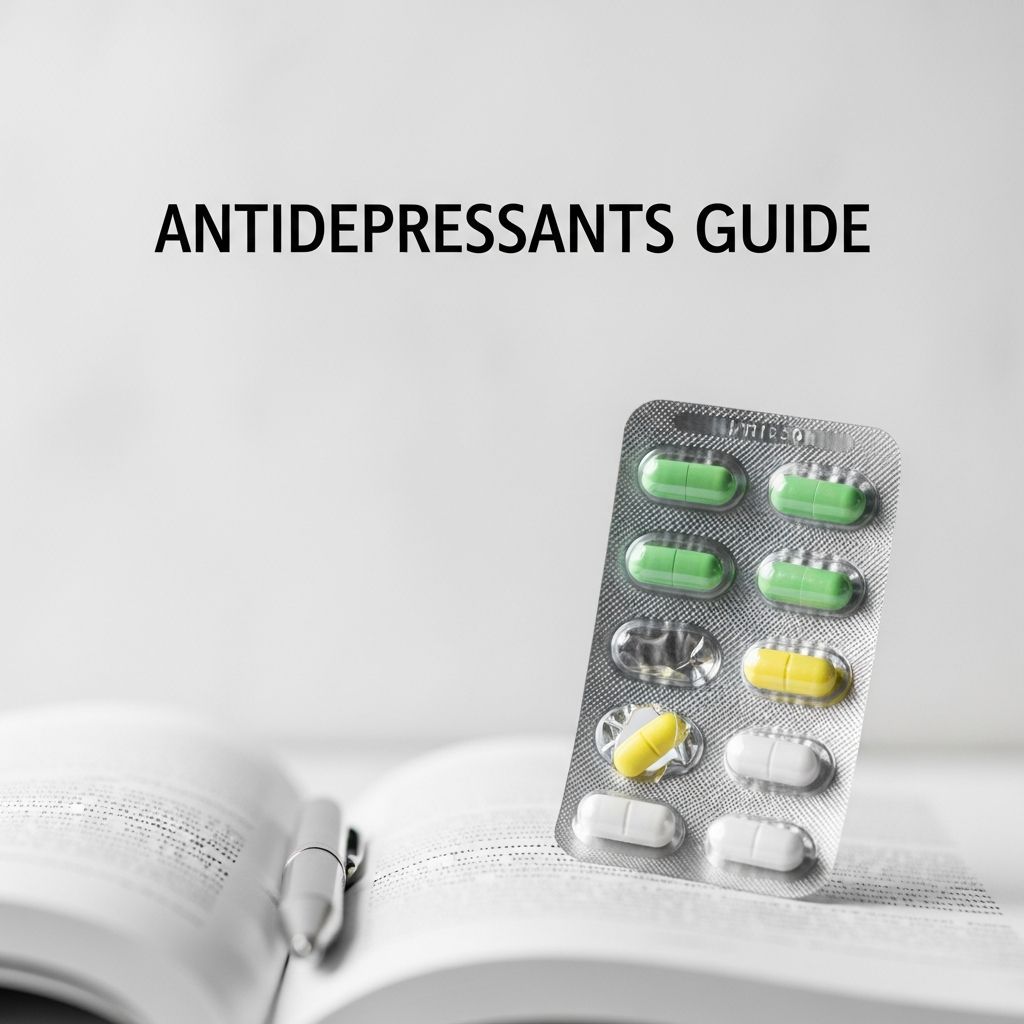
Antidepressants represent a vital class of medications designed to alleviate symptoms of depression and related conditions by modulating key neurotransmitters in the brain. These drugs help restore chemical balance, offering relief to millions worldwide who struggle with persistent sadness, low energy, and other debilitating effects of mood disorders.
Understanding How Antidepressants Function
At their core, antidepressants target neurotransmitters such as serotonin, norepinephrine, and dopamine, which play crucial roles in regulating mood, sleep, appetite, and energy levels. By increasing the availability of these chemicals in the brain’s synaptic spaces, these medications enhance communication between nerve cells, gradually improving emotional well-being. Selective serotonin reuptake inhibitors (SSRIs), for instance, block the reabsorption of serotonin, allowing it to remain active longer and exert its mood-stabilizing effects.
Similarly, serotonin and norepinephrine reuptake inhibitors (SNRIs) influence both serotonin and norepinephrine, addressing a wider array of symptoms including physical pain and lack of motivation often associated with depression. This dual action makes them particularly useful for patients experiencing fatigue or chronic discomfort alongside emotional distress. While the exact mechanisms can vary by class, the overarching goal is to normalize brain chemistry over time, typically requiring several weeks for noticeable improvements.
Major Categories of Antidepressant Medications
Healthcare providers categorize antidepressants into several classes based on their primary mechanisms. Understanding these distinctions aids in selecting the most appropriate option tailored to individual needs.
Selective Serotonin Reuptake Inhibitors (SSRIs)
SSRIs stand as the cornerstone of depression treatment due to their favorable safety profile and efficacy. Commonly prescribed examples include fluoxetine (Prozac), sertraline (Zoloft), escitalopram (Lexapro), citalopram (Celexa), and paroxetine (Paxil). These medications are often the initial choice because they produce fewer severe side effects compared to older alternatives and effectively manage not only depression but also anxiety disorders.
Patients typically begin to feel benefits after two weeks, with full effects emerging in four to eight weeks. Their versatility extends to treating conditions like obsessive-compulsive disorder (OCD), post-traumatic stress disorder (PTSD), and panic attacks.
Serotonin-Norepinephrine Reuptake Inhibitors (SNRIs)
SNRIs build on the SSRI foundation by also boosting norepinephrine levels, which can enhance alertness and concentration. Prominent options include venlafaxine (Effexor), duloxetine (Cymbalta), desvenlafaxine (Pristiq), and levomilnacipran (Fetzima). Duloxetine, in particular, is FDA-approved for depression, generalized anxiety, fibromyalgia, and neuropathic pain, making it a multifaceted tool.
These drugs shine in cases where SSRIs fall short, such as when physical symptoms like widespread pain or low energy predominate. Like SSRIs, they require patience, with optimal results appearing after a month or more of consistent use.
Tricyclic Antidepressants (TCAs)
Though less frequently used today, TCAs like amitriptyline (Elavil), desipramine (Norpramin), and nortriptyline (Pamelor) remain valuable for severe or treatment-resistant depression. They elevate serotonin and norepinephrine but often come with more pronounced side effects, including dry mouth, constipation, and cardiac risks, limiting their frontline status.
Related Stories



Reserved for specific scenarios, TCAs may outperform newer drugs in hospitalized patients with profound melancholia, as some research indicates higher efficacy in these contexts.
Monoamine Oxidase Inhibitors (MAOIs)
MAOIs, such as phenelzine (Nardil), tranylcypromine (Parnate), isocarboxazid (Marplan), and selegiline (Emsam patch), inhibit the enzyme monoamine oxidase, preventing the breakdown of serotonin, norepinephrine, and dopamine. Due to dietary restrictions (avoiding tyramine-rich foods to prevent hypertensive crises) and interaction risks, they are typically a last resort.
Nevertheless, they prove effective for atypical depression featuring symptoms like oversleeping and overeating.
Atypical Antidepressants
Bupropion (Wellbutrin) exemplifies this diverse group, uniquely targeting norepinephrine and dopamine without strongly affecting serotonin. It’s favored for those prone to sexual side effects from SSRIs or needing aid for smoking cessation. Other atypicals include mirtazapine, which promotes sleep, and vortioxetine, noted for cognitive benefits.
Common Applications Beyond Depression
Antidepressants transcend mood disorders, addressing a spectrum of conditions:
- Anxiety Disorders: SSRIs and SNRIs effectively mitigate generalized anxiety, social phobia, and panic.
- Chronic Pain: Duloxetine and TCAs alleviate fibromyalgia and neuropathy.
- OCD and PTSD: High-dose SSRIs are standard.
- Sleep Issues: Mirtazapine or trazodone aid insomnia linked to depression.
- Eating Disorders: Fluoxetine treats bulimia.
Potential Side Effects and Management
While beneficial, antidepressants carry risks that vary by class. SSRIs commonly cause nausea, sexual dysfunction, weight gain, and initial anxiety spikes, often resolving within weeks. SNRIs may induce elevated blood pressure or sweating. TCAs and MAOIs pose greater dangers like sedation and orthostatic hypotension.
| Class | Common Side Effects | Management Tips |
|---|---|---|
| SSRIs | Nausea, insomnia, libido changes | Take with food; dose at bedtime |
| SNRIs | Sweating, hypertension, fatigue | Monitor BP; hydrate well |
| TCAs | Dry mouth, constipation, dizziness | Increase fiber; rise slowly |
| MAOIs | Hypertensive crisis risk | Strict diet adherence |
Black box warnings highlight increased suicidal thoughts in young adults during early treatment, necessitating close monitoring. Abrupt discontinuation can trigger withdrawal; taper gradually under supervision.
Factors Influencing Antidepressant Selection
No universal “best” antidepressant exists; choices hinge on:
- Symptom Profile: SNRIs for pain-heavy depression.
- Side Effect Tolerance: Bupropion for sexual concerns.
- Comorbidities: Duloxetine for anxiety plus pain.
- Drug Interactions: Avoid certain combos with MAOIs.
- Past Response: Genetic factors or family history guide trials.
Trials often last 6-8 weeks at therapeutic doses before switching. About one-third respond to the first agent, with combinations or augmentation (e.g., adding antipsychotics) for non-responders.
Practical Advice for Starting Treatment
Collaborate with your provider: discuss full medical history, preferences, and lifestyle. Adherence is key—take as prescribed, track mood via journals, and attend follow-ups. Lifestyle synergies like exercise, therapy, and sleep hygiene amplify benefits.
For children/teens, SSRIs like fluoxetine are approved, but monitor suicidality rigorously. Pregnancy requires weighing risks, with sertraline often preferred.
Frequently Asked Questions (FAQs)
How long until antidepressants work?
Initial improvements in 1-2 weeks; full effects in 4-8 weeks.
Are antidepressants addictive?
No, but discontinuation syndrome mimics withdrawal; taper slowly.
Can I drink alcohol on antidepressants?
Limited amounts okay for most, but impairs efficacy and heightens sedation.
What if the first one doesn’t work?
Switch classes or augment; 30-50% need adjustments.
Do they cause weight gain?
Possible, especially paroxetine/mirtazapine; bupropion may cause loss.
Long-Term Considerations and Discontinuation
Maintenance therapy prevents relapse, often 6-12 months post-remission, longer for recurrent cases. Gradual tapering minimizes symptoms like dizziness or irritability. Therapy integration sustains gains beyond pharmacology.
Emerging research explores personalized medicine via pharmacogenomics, predicting responses based on genetics, promising more precise prescribing.
References
- A Guide to the Most Common Types of Antidepressants — GoodRx. 2023. https://www.goodrx.com/conditions/depression/best-antidepressant-medication
- Antidepressants: Selecting one that’s right for you — Mayo Clinic. 2024-02-03. https://www.mayoclinic.org/diseases-conditions/depression/in-depth/antidepressants/art-20046273
- Antidepressants: What They Are, Uses, Side Effects & Types — Cleveland Clinic. 2024. https://my.clevelandclinic.org/health/treatments/9301-antidepressants-depression-medication
- Full Antidepressants List: SSRIs, SNRIs, TCAs & Others — ForHers. 2023. https://www.forhers.com/blog/full-list-antidepressants-ssri-snri
- Antidepressants — MedlinePlus (U.S. National Library of Medicine). 2024. https://medlineplus.gov/antidepressants.html
- Choosing an antidepressant — PMC – NIH. 2021-03-01. https://pmc.ncbi.nlm.nih.gov/articles/PMC7900278/
Similar Articles








Read full bio of medha deb