Antidepressants In Pregnancy: What Expectant Mothers Should Know
Balancing maternal mental health needs with fetal safety when considering antidepressant use during pregnancy.
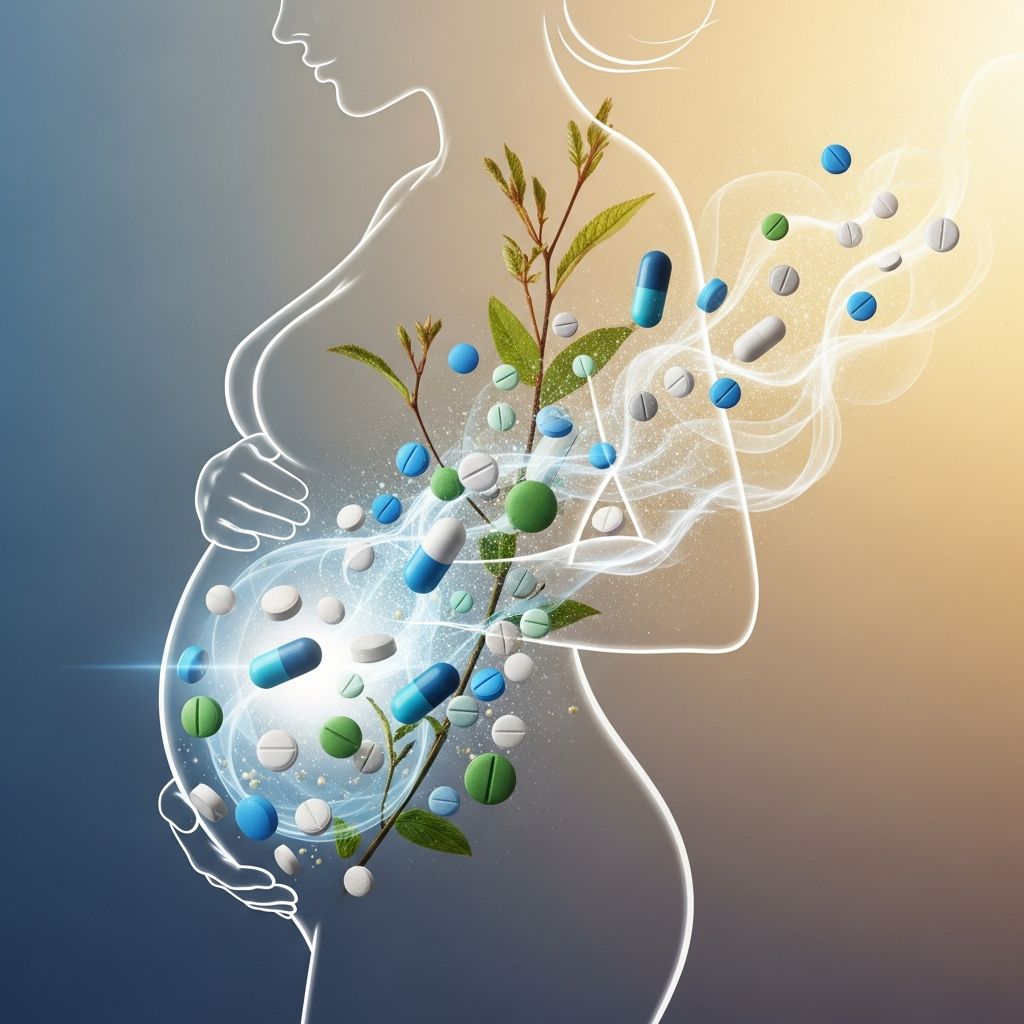
Managing mental health conditions like depression during pregnancy requires careful consideration of both maternal well-being and fetal development. Antidepressants, particularly selective serotonin reuptake inhibitors (SSRIs), are commonly prescribed, but their use sparks debate due to potential effects on the baby. Recent research highlights a nuanced picture: treatment can lower certain pregnancy complications while carrying small risks for newborns.
Understanding Maternal Mental Health Challenges
Pregnancy can intensify or trigger depressive episodes, affecting up to 10-15% of women. Untreated depression poses serious threats, including poor prenatal care adherence, substance use, preterm delivery, low birth weight, and heightened suicide risk. Studies show women with antenatal depression are four times more likely to develop postpartum depression, impacting bonding and infant outcomes.
Discontinuing medication often leads to relapse; one key study found 68% of women with major depression history who stopped antidepressants relapsed during pregnancy, versus 26% who continued. This underscores the need for balanced approaches prioritizing overall family health.
Common Antidepressants Prescribed in Pregnancy
SSRIs such as sertraline, fluoxetine, and citalopram are first-line options due to extensive safety data. Other classes like serotonin-norepinephrine reuptake inhibitors (SNRIs), e.g., venlafaxine, are used when SSRIs prove ineffective. Guidelines recommend avoiding paroxetine and high-dose fluoxetine due to slightly elevated malformation risks.
- Sertraline: Often preferred for its favorable safety profile and minimal placental transfer.
- Escitalopram: Linked to low congenital anomaly rates in large cohorts.
- Venlafaxine: May increase gestational diabetes risk, per some data.
Potential Benefits for Mother and Baby
Counterintuitively, SSRI use correlates with reduced preterm birth risks. A large Finnish study of over 845,000 births found 16% lower preterm birth and nearly 50% lower very preterm birth rates among SSRI users compared to untreated women with psychiatric diagnoses. Caesarean section rates also dropped, possibly due to stabilized maternal health enabling better pregnancy management.
Access to SSRIs supports continuity of care, preventing complications from untreated illness like preeclampsia and impaired self-care. For severe or recurrent depression, maintaining therapy cuts postpartum relapse by 40-74%.
Fetal and Neonatal Risks: What the Data Shows
While overall birth defect risks remain low, specific concerns persist. Large meta-analyses confirm no substantial rise in major congenital malformations from most SSRIs, though paroxetine shows a minor cardiac link.
| Risk Factor | Associated with SSRIs? | Absolute Risk | Notes |
|---|---|---|---|
| Preterm Birth | Lower risk | 16% reduction | Compared to untreated depression |
| Neonatal Respiratory Issues | Increased | Leads to longer NICU stays | Often transient |
| Persistent Pulmonary Hypertension (PPHN) | Slight increase | ~0.3% or 3/1000 | Rare; late pregnancy exposure |
| Autism Spectrum Disorder | No clear link | Very small or none | Confounded by maternal illness |
| Gestational Diabetes | Possible with some | Linked to venlafaxine | Not consistent for SSRIs |
Related Stories



Neonatal adaptation syndrome, including jitteriness and feeding difficulties, affects some SSRI-exposed infants but resolves quickly. Long-term neurodevelopmental studies, like one in JAMA Internal Medicine, found no elevated risks for autism, ADHD, or learning issues.
Comparing Treated vs. Untreated Depression Outcomes
Untreated maternal depression mirrors or exceeds many medication risks: higher preterm birth, low birth weight, and poor Apgar scores. A meta-review advocates SSRIs as second-line after psychotherapy, adjusting for dosage and timing to minimize issues.
- Relapse risk without meds: High (up to 68%).
- Pregnancy complications from depression: Preterm birth, C-section.
- Medication benefits: Stabilized mood, better outcomes.
Making Informed Decisions with Healthcare Providers
Choices should be individualized, factoring severity, history, and alternatives like cognitive behavioral therapy. The American College of Obstetricians and Gynecologists (ACOG) affirms SSRIs’ safety and the dangers of untreated illness. Discuss preconception planning, dose adjustments (often lowest effective), and late-pregnancy monitoring for neonatal symptoms.
Breastfeeding compatibility varies; sertraline and paroxetine have low milk transfer. Multidisciplinary input from psychiatrists, obstetricians, and pediatricians optimizes outcomes.
Long-Term Child Development Considerations
Follow-up data reassures on developmental milestones. No causal links to intellectual disability or motor delays after confounder adjustment. Early exposures warrant monitoring, but population studies show comparable school performance and mental health in SSRI-exposed children.
Alternatives and Supportive Strategies
Non-pharmacologic options include therapy, exercise, nutrition, and social support. Mindfulness and interpersonal therapy effectively manage mild-moderate depression. For moderate-severe cases, combine with meds if benefits outweigh risks.
Frequently Asked Questions (FAQs)
Are all antidepressants unsafe in pregnancy?
No, most SSRIs are considered low-risk with robust safety data.
Does stopping antidepressants cause harm?
Yes, relapse rates soar, worsening maternal and fetal health.
Can antidepressants cause autism?
Studies show no definitive link; risk is minimal or attributable to depression itself.
What if I need medication late in pregnancy?
Monitor for PPHN; risks are rare, benefits often greater.
Is therapy enough without meds?
For mild cases, yes; severe depression may require combined approaches.
Key Takeaways for Expectant Mothers
Prioritize open discussions with providers. Mental health treatment sustains healthy pregnancies. Evidence tilts toward cautious use of safer SSRIs when indicated, far outweighing harms of inaction.
References
- New Study Reveals Both Benefits and Risks of Antidepressants During Pregnancy — Columbia University Mailman School of Public Health. 2016 (authoritative cohort study). https://www.publichealth.columbia.edu/news/new-study-reveals-both-benefits-risks-antidepressants-during-pregnancy
- ACOG Statement on the Benefit of Access to SSRIs During Pregnancy — American College of Obstetricians and Gynecologists. 2025-07. https://www.acog.org/news/news-releases/2025/07/statement-on-benefit-of-access-to-ssris-during-pregnancy
- Antidepressants: Safe during pregnancy? — Mayo Clinic. Recent update. https://www.mayoclinic.org/healthy-lifestyle/pregnancy-week-by-week/in-depth/antidepressants/art-20046420
- Weighing the Evidence: Response to the FDA’s Recent Panel on SSRIs and Pregnancy — MGH Center for Women’s Mental Health. Recent. https://womensmentalhealth.org/posts/fda-expert-panel-on-ssris-and-pregnancy/
- The truth about taking antidepressants during pregnancy — UCHealth Today. Recent. https://www.uchealth.org/today/the-truth-about-antidepressants-during-pregnancy/
- Benefits and Risks of Antidepressant Drugs During Pregnancy — PubMed (Springer). 2023-02-28. https://pubmed.ncbi.nlm.nih.gov/36853497/
Similar Articles








Read full bio of medha deb