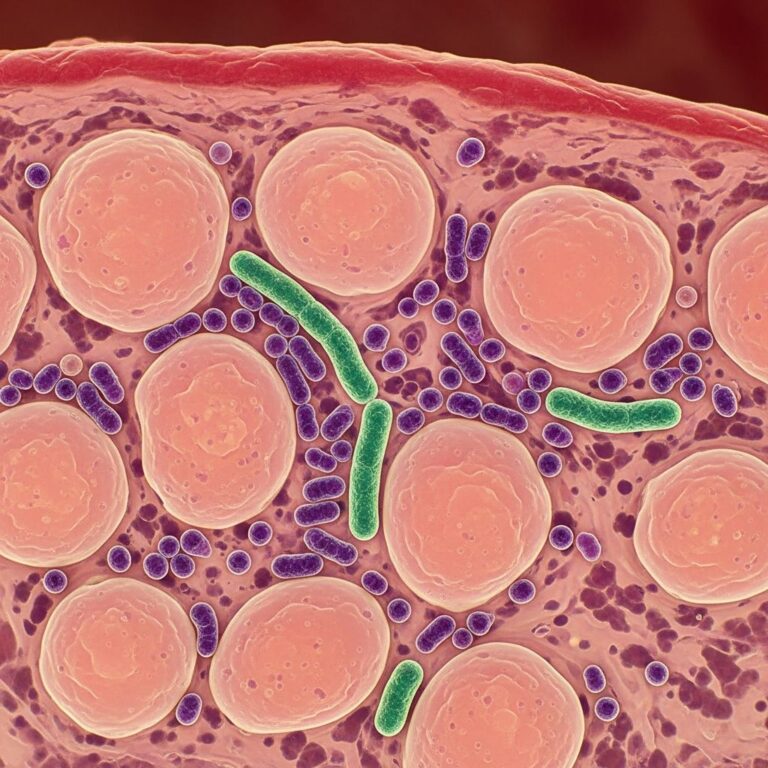
Antigen: Definition, Types, and Immune Response
Understanding antigens: How your immune system recognizes and fights foreign substances.
What Is an Antigen?
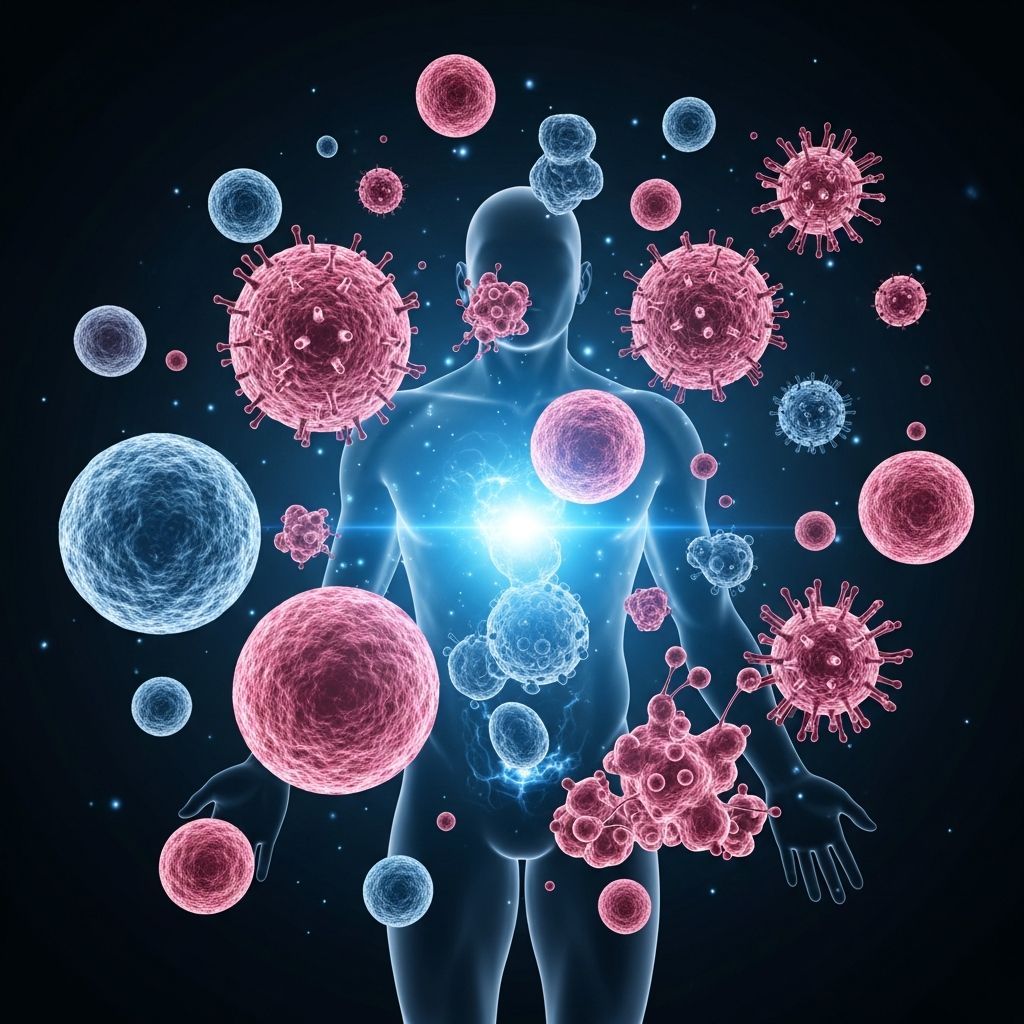
An antigen is any substance that causes your immune system to produce an immune response against it. When an antigen enters your body, your immune system recognizes it as a foreign or potentially harmful invader and mobilizes its defenses to neutralize or eliminate the threat. Antigens are molecules, particles, or other substances that can bind to specific antibodies or T-cell receptors, triggering a cascade of immune reactions designed to protect your health.
Your body encounters antigens constantly throughout your life. Some antigens come from outside your body, while others originate within it. Understanding antigens is fundamental to comprehending how your immune system works and how vaccines, allergies, and autoimmune diseases function.
Types of Antigens
Antigens can be classified into several categories based on their origin and characteristics:
Foreign Antigens (Heteroantigens)
Foreign antigens originate from outside the body and include:
- Bacteria and bacterial toxins
- Viruses and viral particles
- Fungi and fungal spores
- Parasites and parasitic antigens
- Allergens from food, pollen, or environmental sources
- Venom from insects or snakes
- Proteins from donated blood or transplanted organs
- Chemical toxins and pollutants
Autoantigens (Self-Antigens)
Autoantigens are antigens that originate within your own body. Normally, your immune system can distinguish between self and nonself, preventing it from attacking your own cells and tissues. However, in autoimmune diseases, the immune system mistakenly recognizes self-antigens as threats and produces autoantibodies that attack the body’s own cells. Examples of conditions involving autoantigens include rheumatoid arthritis, lupus, and type 1 diabetes.
Molecular Composition
Antigens can consist of various molecular types:
- Proteins and peptides (amino acid chains)
- Polysaccharides (sugar chains)
- Lipids (fats)
- Nucleic acids (DNA and RNA)
- Combinations of the above molecules
How Antigens Trigger Immune Response
When an antigen enters your body, it initiates a complex series of immune events. Your immune system possesses specialized cells called lymphocytes—including B cells and T cells—that are designed to recognize specific antigens. Each lymphocyte has receptors on its surface that can bind to a particular antigen, similar to how a key fits into a specific lock.
The Recognition Process
On the surface of antigens are regions called antigenic determinants or epitopes. These are the specific molecular structures that lymphocyte receptors recognize and bind to. Once a lymphocyte binds to its matching antigen, it becomes activated. This activation process, called clonal selection, causes the lymphocyte to multiply and differentiate into effector cells and memory cells.
Antibody Production
When B cells recognize an antigen, they transform into plasma cells that produce antibodies—specialized proteins designed to bind exclusively to that specific antigen. Antibodies circulate through your bloodstream and tissues, seeking out and binding to antigens. This binding marks the antigen for destruction by other immune cells or directly neutralizes its harmful effects. The amount of antibody produced depends on the type and quantity of antigen, the route of entry into your body, and individual characteristics of your immune system.
Cell-Mediated Immunity
T cells respond to antigens presented on the surface of infected cells or antigen-presenting cells (APCs). Cytotoxic T lymphocytes (CTLs) directly attack and destroy cells displaying the recognized antigen, while T helper cells coordinate the immune response by secreting signaling molecules called cytokines that activate other immune cells.
Related Stories



Antigen Specificity
One of the most remarkable features of the immune system is antigen specificity—the ability to recognize an antigen as a unique molecular entity and distinguish it from others with extraordinary precision. This specificity is due to the unique three-dimensional shape and chemical composition of each antigen. Antibodies are antigen-specific, meaning each antibody can typically bind to only one specific antigen or a very limited number of related antigens. This ensures that your immune system can mount targeted responses against specific threats while minimizing collateral damage to other substances.
Related Antigen Concepts
Immunogens
An immunogen is an antigen capable of inducing an immune response. While the terms antigen and immunogen are often used interchangeably, technically all immunogens are antigens, but not all antigens are immunogens. Some antigens require adjuvants (immune-boosting substances) to trigger an immune response. Vaccines contain immunogens that prompt your immune system to develop protection against specific diseases.
Allergens
Allergens are antigens capable of causing allergic reactions in sensitized individuals. Allergic reactions occur when your immune system overreacts to harmless antigens such as pollen, pet dander, peanuts, or shellfish. The reaction can result from exposure through ingestion, inhalation, injection, or skin contact.
Tolerogens
Tolerogens are substances that invoke immune tolerance—a state where your immune system recognizes a substance but does not mount an attack against it. Immune tolerance is crucial for preventing autoimmune reactions and is the basis for how your body maintains peace with its own cells.
Superantigens
Superantigens are a special class of antigens that cause non-specific activation of T cells, resulting in polyclonal T-cell activation and massive cytokine release. This excessive immune activation can cause severe inflammation and tissue damage, as seen in toxic shock syndrome.
Clinical Applications of Antigens
Diagnostic Testing
Antigens are used as markers in laboratory tests to identify specific tissues, cells, or pathogens. Blood tests can detect antigens to diagnose infections, identify specific cancer types, or assess organ transplant compatibility. For example, COVID-19 antigen tests detect viral proteins to confirm active infection.
Vaccination
Vaccines contain antigens derived from disease-causing organisms. These antigens stimulate your immune system to produce antibodies and activate T cells without causing the actual disease. If you later encounter the real pathogen, your immune system recognizes it immediately and mounts a rapid, effective response.
Cancer Immunotherapy
Cancer cells display tumor-associated antigens on their surface that differ from normal cells. Immunotherapies such as checkpoint inhibitors help your immune system recognize and destroy cancer cells by targeting these tumor antigens. Understanding antigen presentation mechanisms is crucial for developing more effective cancer treatments.
Allergy Management
Allergen-specific testing identifies which antigens trigger allergic reactions in individual patients. This information guides treatment decisions and helps patients avoid or manage exposure to problematic allergens.
Antigen-Antibody Reactions
The interaction between an antigen and antibody is called the antigen-antibody reaction. This binding is highly specific and reversible, forming the basis of many diagnostic tests. When an antibody binds to an antigen, it can trigger several outcomes: neutralization of toxins, marking of pathogens for destruction by immune cells, precipitation of antigens for removal, or activation of complement proteins that destroy pathogens.
Cross-Reactivity
While most antibodies bind exclusively to their specific antigen, some antibodies exhibit cross-reactivity, meaning they can bind to multiple related antigens. This occurs when different antigens share similar molecular structures. Cross-reactivity can be beneficial (providing broader protection) or problematic (causing allergic reactions to multiple related substances).
Immunodominant Antigens
When pathogens display multiple antigens, the immune system typically focuses its response on a few highly immunogenic antigens called immunodominant antigens. These antigens are exceptionally effective at triggering immune responses. This phenomenon helps explain why immunity to a pathogen depends on recognizing specific key antigens rather than responding equally to all the organism’s components.
Antigen Presentation
Antigen-presenting cells (APCs) play a crucial role in adaptive immunity by processing antigens and displaying them on their surface. These cells engulf pathogens or foreign material, break them down into peptide fragments, and present these fragments bound to specialized molecules called major histocompatibility complex (MHC) molecules. T cells then recognize these peptide-MHC complexes, leading to activation and immune response. Dendritic cells, macrophages, and B cells function as APCs, serving as critical bridges between innate and adaptive immunity.
Frequently Asked Questions
Q: What is the difference between an antigen and an antibody?
A: An antigen is any foreign substance that triggers an immune response, while an antibody is a protein produced by your immune system to recognize and bind to a specific antigen. Antigens are the targets; antibodies are the defenders.
Q: Can your own body cells act as antigens?
A: Yes, your body’s own cells display self-antigens. Normally, your immune system recognizes these as “self” and doesn’t attack them. However, in autoimmune diseases, the immune system may mistakenly attack self-antigens, causing damage to your own tissues.
Q: How do vaccines use antigens to create immunity?
A: Vaccines contain antigens from disease-causing organisms that cannot cause the actual disease. Your immune system recognizes these antigens and produces antibodies and immune cells against them. If you encounter the real pathogen later, your immune system responds quickly and effectively.
Q: Why does your immune system sometimes overreact to harmless antigens?
A: Allergies occur when your immune system mistakenly identifies harmless antigens (allergens) as dangerous threats. Genetic factors and environmental exposures influence whether your immune system will overreact to specific allergens.
Q: Can antigens be used to treat diseases?
A: Yes, antigens are used in various therapeutic approaches. Cancer immunotherapies target tumor-associated antigens, monoclonal antibodies target specific antigens on disease-related cells, and vaccines use antigens to prevent infectious diseases.
Q: How does antigen specificity help protect your body?
A: Antigen specificity ensures your immune system responds precisely to particular threats without attacking harmless substances or your own cells. This precise targeting minimizes unnecessary inflammation while effectively neutralizing actual dangers.
References
- Definition of antigen – NCI Dictionary of Cancer Terms — National Cancer Institute. 2024. https://www.cancer.gov/publications/dictionaries/cancer-terms/def/antigen
- Antigen — Encyclopædia Britannica. 2024. https://www.britannica.com/science/antigen
- Antigen: MedlinePlus Medical Encyclopedia — U.S. National Library of Medicine. 2024. https://medlineplus.gov/ency/article/002224.htm
- Antibodies: Definition, Types & Function — Cleveland Clinic. 2024. https://my.clevelandclinic.org/health/body/22971-antibodies
- Molecular Components of the Immune System — Merck Manual Professional Edition. 2024. https://www.msdmanuals.com/professional/immunology-allergic-disorders/biology-of-the-immune-system/molecular-components-of-the-immune-system
- Antigen presentation in cancer — mechanisms and clinical implications — Nature Reviews Cancer. 2023-04-15. https://pubmed.ncbi.nlm.nih.gov/37328642/
Similar Articles








Read full bio of Sneha Tete