Antihistamines: Complete Guide To Types, Uses, And Side Effects
Comprehensive guide to antihistamines: uses, types, side effects, and safety in allergy and skin condition management.

Antihistamines are medications that block the action of histamine, a chemical released during allergic reactions that causes symptoms such as itching, sneezing, runny nose, and watery eyes. They are widely used to treat various allergic conditions, including hay fever, urticaria (hives), and atopic dermatitis.
What are antihistamines?
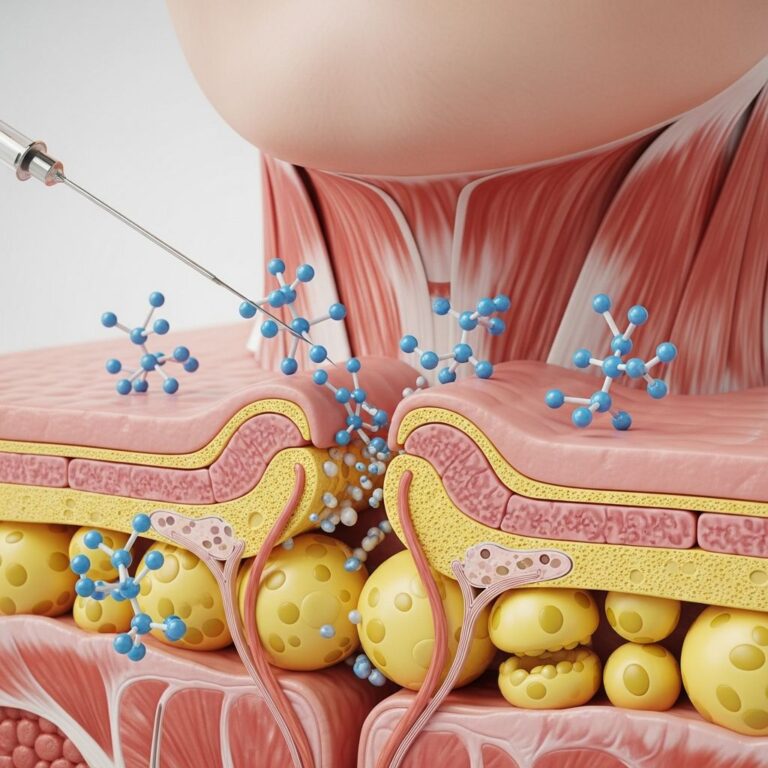
Histamine is a biogenic amine involved in local immune responses. It binds to H1 receptors on endothelial cells, smooth muscle cells, and nerve cells, leading to vasodilation, increased vascular permeability, smooth muscle contraction, and nerve stimulation. H2 receptors are found on parietal cells in the stomach and regulate gastric acid secretion. Antihistamines competitively antagonise these receptors to alleviate symptoms.
Introduced in 1937, antihistamines revolutionised allergy management. First-generation H1 antihistamines cross the blood-brain barrier, causing sedation, while second-generation ones are less sedating due to peripheral selectivity.
Who gets prescribed antihistamines?
Antihistamines are prescribed for patients experiencing:
- Allergic rhinitis (hay fever): sneezing, rhinorrhoea, nasal pruritus, itchy/watery eyes.
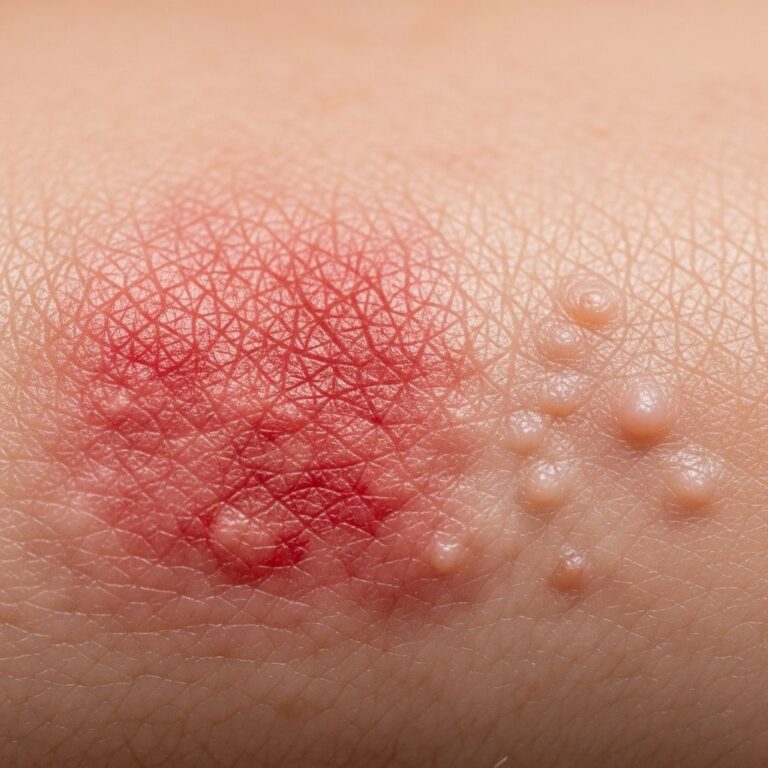
- Urticaria (hives) and angioedema: itchy wheals, swelling.
- Atopic dermatitis: pruritus.
- Anaphylaxis: adjunctive therapy.
- Drug-induced hypersensitivity: e.g., serum sickness.
- Pruritus associated with liver disease, renal failure.
- Common cold symptoms.
- Motion sickness, vertigo, insomnia (sedating types).
- H2 blockers: peptic ulcer disease, gastro-oesophageal reflux.
They are suitable for adults, children, pregnant/breastfeeding women (with caution), elderly, and those with renal/hepatic impairment (dose adjustment required).
What are the types of antihistamines?
H1 antihistamines
First-generation H1 antihistamines (sedating):
| Drug | Half-life (h) | Dose (adult) |
|---|---|---|
| Clemastine | 3–4 | 1–2 mg TDS |
| Cyproheptadine | 8 | 4 mg QDS |
| Diphenhydramine | 4–8 | 25–50 mg QDS |
| Hydroxyzine | 20 | 25 mg QDS |
| Promethazine | 12–16 | 10–25 mg BD–QDS |
Second-generation H1 antihistamines (non-sedating):
| Drug | Half-life (h) | Dose (adult) |
|---|---|---|
| Acetylcetirizine (levocetirizine) | 8 | 5 mg daily |
| Azelastine | 22 | Nasal spray 2 sprays BD |
| Cetirizine | 8 | 10 mg daily |
| Desloratadine | 27 | 5 mg daily |
| Fexofenadine | 12–14 | 120–180 mg daily |
| Loratadine | 8 | 10 mg daily |
| Mizolastine | 5–12 | 10 mg daily |
H2 antihistamines
- Cimetidine: 400 mg BD–TDS
- Famotidine: 20 mg BD
- Ranitidine: 150 mg BD
Clinical uses of antihistamines
H1 antihistamines
- Urticaria/angioedema: mainstay; up to 4x standard dose if needed.
- Atopic dermatitis/pruritus: adjunctive; sedating types at night.
- Allergic rhinitis/conjunctivitis: oral/nasal sprays.
- Anaphylaxis: adjunct to adrenaline.
- Drug allergy: serum sickness-like reactions.
- Mastocytosis: symptomatic relief.
- Other: nausea/vomiting, insomnia, motion sickness.
H2 antihistamines
Acid-peptic disease, urticaria non-responsive to H1 blockers (10–20% cases), anaphylaxis (limited role).
Dose schedules for urticaria
| Severity | Non-sedating H1 | Sedating H1 (nocturnal) |
|---|---|---|
| Mild | Standard | Low |
| Moderate | 2–4x standard | Standard |
| Severe | 4x standard | 2x standard |
Children: 0.5–2 mg/kg/day (max adult dose). Continue 2–4x dose x 2–4 days post-resolution, then taper.
Adverse effects of antihistamines
First-generation H1: sedation (50%), anticholinergic (dry mouth, constipation, urinary retention, blurred vision), cardiac arrhythmias (high doses), weight gain.
Second-generation: headache, GI upset, rare QT prolongation (terfenadine, astemizole – withdrawn), paradoxical excitation (children).
H2: headache, dizziness, rash, rare blood dyscrasias, confusion (elderly), gynaecomastia (cimetidine).
Warning: Rare severe pruritus after stopping long-term cetirizine/levocetirizine.
Drug interactions
- CYP inhibitors: increase second-generation levels (e.g., erythromycin + terfenadine → torsades).
- Anticholinergics: additive effects.
- CNS depressants: potentiate sedation.
- Cimetidine: inhibits CYP → increases other drugs.
Precautions when using antihistamines
- Avoid sedating types if operating machinery/driving.
- Reduce dose in elderly, renal/hepatic impairment.
- Caution: glaucoma, BPH, epilepsy.
- Pregnancy: most safe (IA hydroxyzine, IIB others); avoid astemizole.
Related Stories



Overdose of antihistamines
Anticholinergic toxicity: delirium, hallucinations, seizures, coma, arrhythmias. Treat supportively; physostigmine for severe anticholinergic effects.
Alternatives to antihistamines
- Urticaria: omalizumab, ciclosporin, leukotriene antagonists.
- Rhinitis: intranasal corticosteroids, immunotherapy.
- Pruritus: topical antipruritics, phototherapy.
- GERD: proton pump inhibitors.
Frequently asked questions
Q: Which antihistamine is best for hives?
A: Non-sedating H1 like cetirizine or fexofenadine; escalate dose if needed. Sedating types like hydroxyzine for nocturnal symptoms.
Q: Do antihistamines cause drowsiness?
A: First-generation yes (cross BBB); second-generation rarely.
Q: Are antihistamines safe in pregnancy?
A: Most are (chlorphenamine, loratadine Category B); consult doctor.
Q: Can you overdose on antihistamines?
A: Yes, causes anticholinergic toxicity, seizures, arrhythmias. Seek immediate help.
Q: Why itching after stopping Zyrtec?
A: Rare rebound pruritus after long-term use; taper slowly.
References
- Antihistamine Types & Side Effects — Cleveland Clinic. 2023-05-15. https://my.clevelandclinic.org/health/treatments/antihistamines
- Antihistamines — NHS. 2024-01-10. https://www.nhs.uk/medicines/antihistamines/
- Antihistamines for allergies — MedlinePlus (U.S. National Library of Medicine). 2023-11-20. https://medlineplus.gov/ency/patientinstructions/000549.htm
- FDA requires warning about rare severe itching — U.S. Food and Drug Administration. 2022-08-30. https://www.fda.gov/drugs/drug-safety-and-availability/fda-requires-warning-about-rare-severe-itching-after-stopping-long-term-use-oral-allergy-medicines
- 8 Antihistamine Side Effects — GoodRx Health. 2024-03-12. https://www.goodrx.com/classes/antihistamines/common-side-effects
- Tips for taking antihistamines safely — VCU Health. 2023-06-05. https://www.vcuhealth.org/news/tips-for-taking-antihistamines-safely/
Similar Articles








Read full bio of medha deb