Antihistamines: Complete Guide To Allergy Relief & Side Effects
Everything you need to know about antihistamines, from how they work to types, uses, side effects, and safety tips for effective allergy relief.
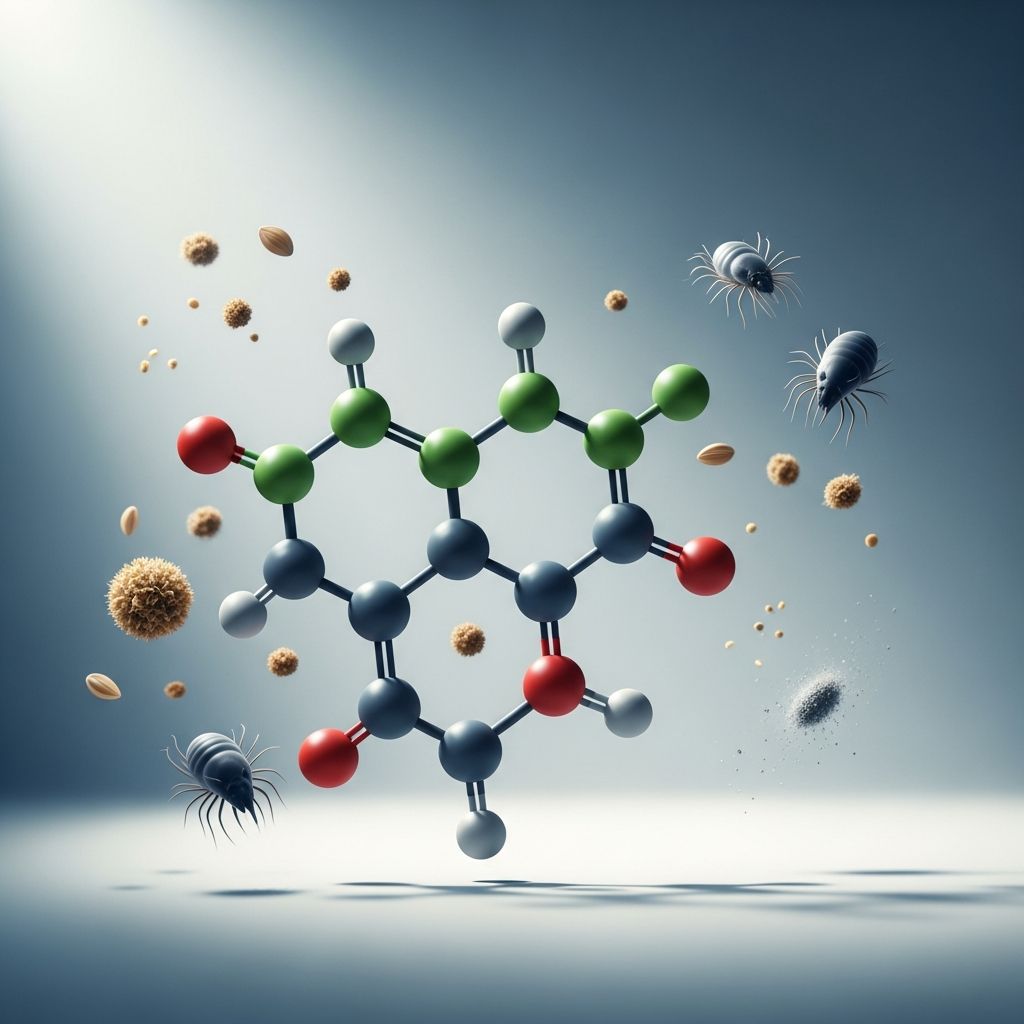
Antihistamines are medications that block histamine receptors to relieve allergy symptoms such as sneezing, itching, runny nose, and hives. They are essential for managing allergic reactions and other conditions by counteracting histamine, a chemical released by the immune system during allergen exposure.
What Are Antihistamines?
Antihistamines are a class of drugs that inhibit the action of histamine, a compound involved in local immune responses. When allergens like pollen, dust, or pet dander trigger the immune system, mast cells and basophils release histamine, which binds to H1 or H2 receptors, causing inflammation, itching, swelling, and other symptoms.
H1 antihistamines primarily target receptors responsible for allergic symptoms in the nose, eyes, skin, and lungs, while H2 antihistamines focus on gastric acid reduction. First-generation H1 antihistamines cross the blood-brain barrier easily, leading to sedation, whereas second-generation ones are designed for peripheral action with minimal central nervous system effects.
How Do Antihistamines Work?
Histamine binds to H1 receptors on smooth muscle cells, endothelial cells, and nerve endings, promoting vasodilation, increased vascular permeability, and itch sensation. Antihistamines competitively antagonize this binding, preventing or reducing these effects.
For H1 blockers, this alleviates symptoms like rhinorrhea, urticaria, and pruritus. Second-generation agents like cetirizine and loratadine have higher receptor affinity and longer half-lives (12-24 hours), providing sustained relief without significant drowsiness. H2 antagonists inhibit parietal cell acid secretion via cAMP pathways, used for GERD and ulcers.
Types of Antihistamines
Antihistamines are classified by generation for H1 types and by receptor for H2.
First-Generation H1 Antihistamines
These older drugs (e.g., diphenhydramine, chlorpheniramine, hydroxyzine) are lipophilic, penetrate the CNS, and cause sedation. They have short half-lives (4-6 hours) and are metabolized by CYP450 enzymes. Used for acute allergies, motion sickness, and insomnia, but not first-line due to side effects.
- Diphenhydramine (Benadryl): Fast-acting for hives, anaphylaxis adjunct.
- Chlorpheniramine: Relieves hay fever symptoms like sneezing, runny nose.
- Hydroxyzine: Anxiety, pruritus, preoperative sedation.
Second-Generation H1 Antihistamines
Developed to minimize sedation, these (e.g., loratadine, cetirizine, fexofenadine) are less lipophilic with longer action. Preferred for chronic use in rhinitis and urticaria per guidelines.
- Loratadine (Claritin): 24-hour relief, non-sedating.
- Cetirizine (Zyrtec): Effective for skin allergies, mild sedation possible.
- Fexofenadine (Allegra): No sedation, ideal for daytime.
H2 Antihistamines
Target gastric H2 receptors (e.g., famotidine, cimetidine). Used for acid-related disorders; ranitidine withdrawn due to contamination risks.
Uses for Antihistamines
Beyond allergies, antihistamines treat diverse conditions.
- Allergic Rhinitis/Hay Fever: Sneezing, congestion, itchy eyes from pollen.
- Urticaria/Hives: Itch and welts; up-dosing second-generation if needed.
- Skin Conditions: Atopic dermatitis, contact allergies.
- Motion Sickness/Vertigo: First-generation like meclizine.
- Insomnia: Diphenhydramine (short-term).
- GERD/PUD: H2 blockers like famotidine.
- Anaphylaxis Adjunct: With epinephrine.
Side Effects of Antihistamines
Side effects vary by type.
First-Generation
Common: Drowsiness (50-70% users), dry mouth, dizziness, constipation, blurred vision, urinary retention. Paradoxical excitation in children.
Related Stories



Second-Generation
Rarely sedating; possible headache, fatigue (cetirizine). QT prolongation risk with some (e.g., terfenadine, withdrawn).
H2 Blockers
Headache, dizziness, diarrhea; cimetidine CYP interactions.
| Type | Common Side Effects | Prevalence |
|---|---|---|
| First-Gen H1 | Drowsiness, anticholinergic effects | High |
| Second-Gen H1 | Headache, mild drowsiness | Low |
| H2 | GI upset, headache | Low-Moderate |
Antihistamines for Children
Pediatric use requires caution. Second-generation preferred; dosing by weight/age. Avoid first-generation in infants due to apnea risk. Liquid forms common. Consult pediatrician; evidence supports loratadine from 2 years.
Antihistamines During Pregnancy
Category B agents like loratadine, cetirizine generally safe (limited data). First-generation like diphenhydramine used historically. Avoid in first trimester if possible; discuss risks with OB-GYN.
Antihistamine Drug Interactions
First-generation potentiate CNS depressants (alcohol, opioids). Cimetidine inhibits CYP450, affecting warfarin, theophylline. Monitor in elderly, liver disease.
How to Choose the Right Antihistamine
Consider symptom acuity, sedation tolerance, duration.
- Daytime/Non-Sedating: Fexofenadine, loratadine.
- Nighttime/Acute: Diphenhydramine.
- Chronic Urticaria: Cetirizine, up-dose if refractory.
Start with OTC second-generation; consult provider for combos or comorbidities.
Frequently Asked Questions (FAQs)
Are antihistamines safe for daily use?
Second-generation yes for chronic allergies; monitor long-term. First-generation not recommended daily due to tolerance/sedation.
Can I take antihistamines with other allergy meds?
Often combined with nasal steroids/decongestants; check interactions.
Do antihistamines cause weight gain?
Possible with sedating types via appetite increase; minimal with second-gen.
How quickly do antihistamines work?
First-gen: 30-60 min; second-gen: 1-3 hours, peak 4-6 hours.
Can antihistamines help with COVID-19 symptoms?
Not for virus; may ease secondary allergies but not primary treatment.
This comprehensive guide draws from clinical evidence to empower informed decisions on antihistamine use. Always consult healthcare professionals for personalized advice.
References
- Antihistamines 101: Benefits, Risks, and Best Practices — Rupa Health. 2023. https://www.rupahealth.com/post/antihistamines-101-benefits-risks-and-best-practices
- Antihistamines – StatPearls — NCBI Bookshelf / NIH. 2023-10-01. https://www.ncbi.nlm.nih.gov/books/NBK538188/
- Antihistamines: How they work, types, and side effects — Medical News Today. 2023. https://www.medicalnewstoday.com/articles/antihistamines
- Antihistamines for allergies — MedlinePlus. 2023. https://medlineplus.gov/ency/patientinstructions/000549.htm
- What Is Histamine? — Cleveland Clinic. 2023-05-17. https://my.clevelandclinic.org/health/articles/24854-histamine
Similar Articles








Read full bio of medha deb