Antioxidant Photoprotective Agents: 5 Essential Skin Protectors
Discover how oral and topical antioxidants enhance UV protection, complementing sunscreens to prevent skin damage and photoaging.
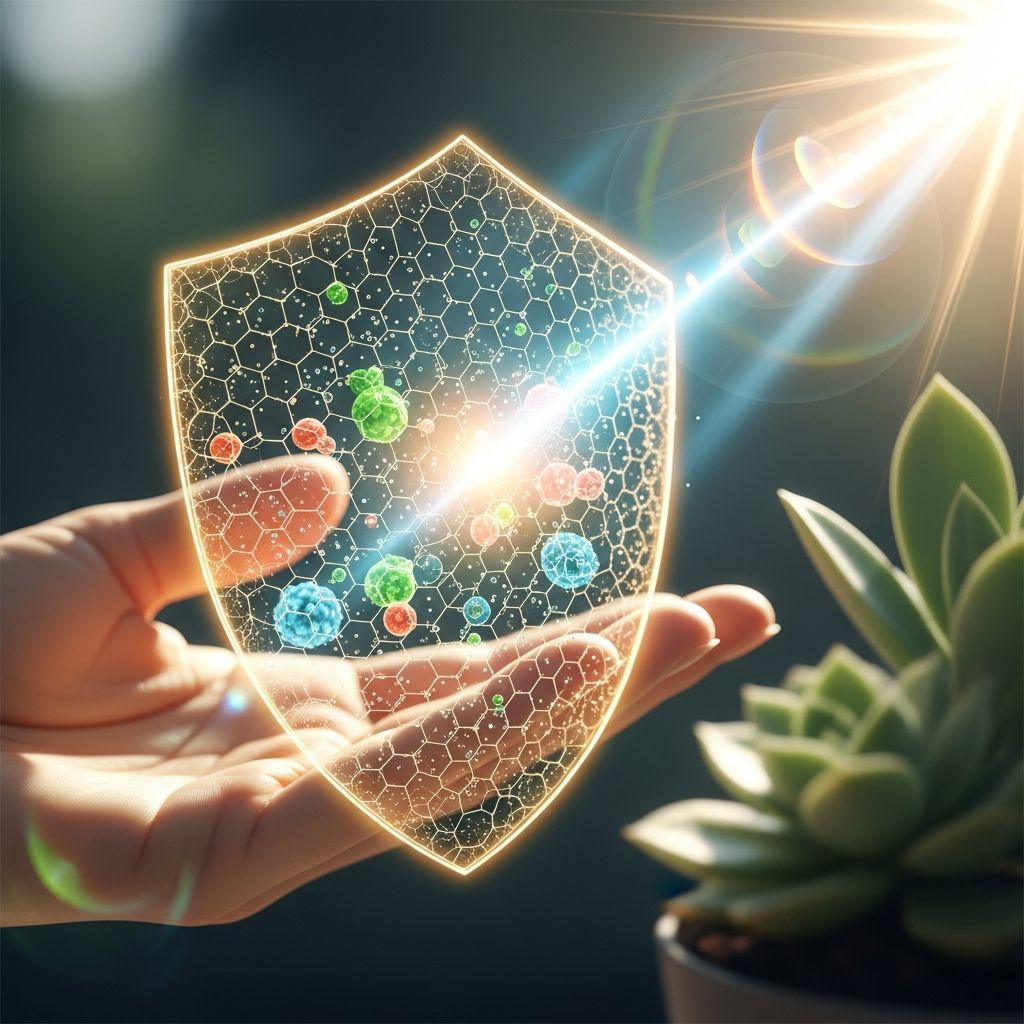
Antioxidant photoprotective agents are compounds that help shield the skin from ultraviolet (UV) radiation damage through oral supplements or topical applications. These agents neutralize free radicals generated by UV exposure, offering a complementary layer of protection beyond traditional sunscreens.
What are the antioxidant photoprotective agents?
Currently, topical sunscreens remain the primary defense against UV radiation. However, their effectiveness is limited by the need for frequent reapplication every 2 hours or after swimming, and achieving uniform coverage is challenging. In recent years, interest has surged in oral and topical antioxidants as adjunct photoprotective agents. These work by countering UV-induced harm through multiple mechanisms, including scavenging reactive oxygen species (ROS), reducing inflammation, inhibiting DNA damage, and supporting DNA repair processes.
Antioxidant photoprotective agents available in oral and/or topical forms include:
- Vitamin C: A potent water-soluble antioxidant concentrated in the epidermis, vitamin C neutralizes oxidants from UV exposure and pollutants. It stimulates collagen synthesis, protects against photodamage, and regenerates oxidized vitamin E for enhanced efficacy. Studies show topical and dietary vitamin C reduces UV-induced erythema, lipid peroxidation, and apoptosis in keratinocytes.
- Vitamin E: A lipid-soluble antioxidant that stabilizes cell membranes. It synergizes with vitamin C to recycle antioxidants and limit oxidative damage from UV rays. Combined use decreases inflammation and photoaging markers.
- Carotenoids, such as beta-carotene: These pigments act as free-radical scavengers. Beta-carotene provides photoprotection in conditions like erythropoietic protoporphyria, though high intake can cause carotenoderma (yellow-orange skin discoloration).
- Green tea: Rich in polyphenols like epigallocatechin gallate (EGCG), green tea extracts inhibit UV-induced inflammation, DNA damage, and immunosuppression. Oral and topical forms reduce erythema and support skin repair.
- Extract from fern plant Polypodium leucotomos (PLE): Derived from a Central American fern, PLE contains phenolic compounds with strong antioxidant properties. Oral doses (480–960 mg) reduce sunburn cells, erythema, and polymorphic light eruption (PMLE). It protects against PUVA phototoxicity and melasma when combined with sunscreens.
Oral preparations are widely available as dietary supplements from health food suppliers, while topical versions are incorporated into creams and serums.
How antioxidants protect against UV damage
UV radiation generates ROS, leading to oxidative stress, DNA mutations, collagen degradation, and inflammation—key drivers of photoaging, sunburn, and skin cancer. Antioxidants intervene by:
- Directly quenching ROS and free radicals.
- Activating Nrf2 pathways for endogenous antioxidant enzyme production (e.g., superoxide dismutase, catalase).
- Inhibiting matrix metalloproteinases (MMPs) that break down collagen.
- Reducing cytokine release and UV-induced immunosuppression.
For instance, vitamin C depletes in the epidermis post-UV exposure, underscoring its targeted role. Combinations like vitamins C and E provide synergistic protection, outperforming single agents. PLE’s phenols block UV penetration and repair DNA damage, reducing p53 and Ki-67 markers in biopsies.
Clinical evidence and uses
Vitamin C in skin health
Normal skin holds high vitamin C levels for collagen support and antioxidant defense. Topical 5–10% vitamin C serums reduce photoaging signs like wrinkles and hyperpigmentation. Oral intake (500–2000 mg/day) enhances systemic protection. A study showed vitamin C/E cocktails minimized UV erythema by 40–50%.
Vitamin E and synergies
Alpha-tocopherol (vitamin E) prevents lipid peroxidation in cell membranes. Applied topically at 2–5%, it soothes post-UV inflammation. Paired with vitamin C, it recycles tocopheroxyl radicals, amplifying protection against photoaging.
Carotenoids for photosensitivity
Beta-carotene (30–90 mg/day orally) benefits protoporphyria patients by quenching singlet oxygen. However, excess can lead to carotenoderma, reversible upon discontinuation.
Green tea polyphenols
EGCG (oral 270 mg or topical 1–5%) suppresses UV-B-induced tumors in animal models and reduces human erythema by 25–30%. It’s safe for daily use.
Polypodium leucotomos extract
Clinical trials confirm 480 mg oral PLE halves minimal erythema dose (MED) increase post-UV. For PMLE, 480 mg/day prevents outbreaks. In melasma, 240 mg + SPF 45 improved 50% of cases. It mitigates PUVA side effects like premature aging.
| Agent | Dose/Route | Outcome | Reference |
|---|---|---|---|
| Vitamin C + E | Topical combo | Reduced UV erythema, lipid peroxidation | |
| PLE | 480 mg oral | Decreased sunburn cells, PMLE severity | |
| Beta-carotene | 30–90 mg oral | Photoprotection in porphyria | |
| Green tea EGCG | Topical 1% | 25% erythema reduction |
Related Stories



Practical use and recommendations
Incorporate antioxidants as adjuncts to broad-spectrum SPF 30+ sunscreens, protective clothing, and shade. Start oral supplements 2 weeks pre-exposure for buildup. Topical antioxidants suit daily routines; apply under sunscreen.
- Dosages: Vitamin C 500–1000 mg/day; Vitamin E 400 IU/day; PLE 240–480 mg/day; Beta-carotene 15–30 mg/day.
- Combinations: Vitamin C/E topicals; PLE + sunscreen for high-risk activities.
- For special groups: Photosensitive patients (e.g., lupus, porphyria) benefit from PLE; melasma patients combine with hydroquinone.
Sunscreens with antioxidants (e.g., vitamins C/E, niacinamide) offer additive free-radical neutralization.
Precautions and side effects
Antioxidants are generally safe but monitor for:
- Vitamin C: GI upset at high doses (>2000 mg).
- Vitamin E: Bleeding risk with anticoagulants.
- Carotenoids: Carotenoderma (harmless).
- PLE: Rare GI discomfort; safe in pregnancy (limited data).
- Drug interactions: Minimal, but consult for photosensitizing meds.
Avoid in hemochromatosis (iron overload with vitamin C). Not substitutes for sunscreens.
Frequently Asked Questions (FAQs)
Can antioxidants replace sunscreen?
No, they complement sunscreens by addressing internal oxidative stress sunscreens miss.
What is the best antioxidant for photoprotection?
Combinations like vitamin C/E or PLE show strongest evidence; personalize based on needs.
Are oral antioxidants effective?
Yes, trials show oral PLE and carotenoids raise UV tolerance.
Do topical antioxidants penetrate skin?
Liposomal formulations enhance delivery; vitamin C needs pH <3.5 for stability.
Can antioxidants prevent skin cancer?
They reduce UV damage precursors but not proven to prevent cancer alone.
References
- Antioxidant photoprotective agents — DermNet NZ. 2023. https://dermnetnz.org/topics/antioxidant-photoprotective-agents
- Polypodium leucotomos extract — DermNet NZ. 2023. https://dermnetnz.org/topics/polypodium-leucotomos
- The Roles of Vitamin C in Skin Health — Pullar JM et al., Nutrients (PMC). 2017-08-12. https://pmc.ncbi.nlm.nih.gov/articles/PMC5579659/
- Photoprotection: Key Concepts — EMJ Reviews Dermatology. 2022. https://www.emjreviews.com/dermatology/article/photoprotection-key-concepts-current-status-and-special-patient-groups/
- Guide to Preventative Skin Care — La Roche-Posay (CeraVe). 2023. https://www.lorealdermatologicalbeauty.us/-/media/Feature/Pharmacy/Professional/PDF/cerave_lrp_photoprotection_clinical_article.pdf
Similar Articles








Read full bio of Sneha Tete