Antioxidant-Rich Dinners in 30 Minutes or Less
Quick, nutritious dinners packed with powerful antioxidants for busy weeknight meals.
In today’s fast-paced world, finding time to prepare nutritious meals can be challenging. However, eating well doesn’t have to be time-consuming or complicated. By focusing on antioxidant-rich foods, you can create satisfying dinners that are both quick to prepare and beneficial for your health. Antioxidants are compounds that help protect your cells from damage caused by free radicals, which are linked to aging and various chronic diseases. This guide will help you understand how to incorporate these powerful nutrients into your evening meals, ensuring you spend minimal time in the kitchen while maximizing nutritional benefits.
Understanding Antioxidants and Their Health Benefits
Antioxidants are naturally occurring compounds found in many foods, particularly fruits, vegetables, nuts, and whole grains. They work by neutralizing harmful free radicals in your body, which can otherwise cause oxidative stress and cellular damage. Common types of antioxidants include vitamins C and E, beta-carotene, and polyphenols. Regular consumption of antioxidant-rich foods has been associated with reduced risk of heart disease, type 2 diabetes, certain cancers, and cognitive decline. Understanding which foods contain high levels of antioxidants is the first step toward building better eating habits and creating meals that work for your lifestyle.
Top Antioxidant-Rich Foods for Quick Dinners
- Berries: Blueberries, strawberries, and raspberries are packed with anthocyanins and vitamin C
- Leafy Greens: Spinach, kale, and arugula contain lutein, zeaxanthin, and other protective compounds
- Colorful Vegetables: Bell peppers, tomatoes, and carrots provide beta-carotene and lycopene
- Nuts and Seeds: Almonds, walnuts, and pumpkin seeds offer vitamin E and selenium
- Whole Grains: Quinoa, brown rice, and oats provide fiber and various phytonutrients
- Fish: Salmon and sardines contain astaxanthin, a powerful marine antioxidant
- Dark Chocolate: High-cocoa chocolate contains polyphenols and flavonoids
- Green Tea: Rich in catechins, an important class of antioxidants
The Importance of Meal Prep for Busy Weeknights
Successful quick cooking begins with smart preparation. When you know you want to prepare an antioxidant-rich dinner within 30 minutes, having your ingredients ready makes all the difference. This section explores practical strategies for ensuring you can create nutritious meals without stress. Washing and chopping vegetables in advance, marinating proteins ahead of time, and having pantry staples on hand will streamline your cooking process. Many people find that dedicating just an hour on Sunday to basic prep work—like chopping vegetables or cooking grains—can save them tremendous time during the week.
Essential Pantry Staples for Quick Antioxidant Dinners
- Extra virgin olive oil
- Garlic and onions
- Low-sodium vegetable or chicken broth
- Dried herbs and spices (turmeric, cumin, oregano)
- Canned tomatoes (no sugar added)
- Nuts and seeds
- Whole grain pasta and rice
- Frozen vegetables (broccoli, bell peppers, berries)
- Frozen fish and lean proteins
- Vinegars (balsamic, apple cider)
Quick Cooking Techniques That Preserve Antioxidants
How you cook your food matters significantly when it comes to retaining antioxidants. Some cooking methods can reduce the nutrient content, while others preserve or even enhance these beneficial compounds. Steaming, roasting at moderate temperatures, stir-frying quickly over high heat, and eating some foods raw are excellent approaches to maintain antioxidant levels. Boiling vegetables for extended periods can cause water-soluble vitamins like vitamin C to leach into the cooking water, so it’s best to minimize water contact and cooking time. Understanding these techniques allows you to prepare meals that look appealing, taste delicious, and retain maximum nutritional value.
Related Stories



Best Cooking Methods for Antioxidant Preservation
| Cooking Method | Best For | Antioxidant Impact |
|---|---|---|
| Steaming | Vegetables, fish, grains | Minimal loss, preserves water-soluble antioxidants |
| Roasting (400-425°F) | Vegetables, nuts, seeds | Concentrates some antioxidants |
| Stir-frying (high heat, short time) | Vegetables, proteins | Retains most antioxidants |
| Grilling | Vegetables, fish, lean meats | Preserves nutrients with slight charring benefits |
| Raw/Fresh | Salads, smoothies, sides | Maximum antioxidant retention |
| Boiling (extended) | Grains, legumes | Significant loss of water-soluble antioxidants |
Easy 30-Minute Antioxidant Dinner Ideas
Creating delicious, nutritious dinners under time pressure doesn’t require culinary expertise. By combining the right ingredients with efficient cooking techniques, you can have a restaurant-quality meal on the table in half an hour. These practical dinner ideas showcase how simple combinations of antioxidant-rich foods can create satisfying, complete meals. Whether you prefer fish, poultry, vegetarian, or vegan options, there’s an approach that will work for your dietary preferences and time constraints.
Grilled Salmon with Berry Reduction and Roasted Vegetables
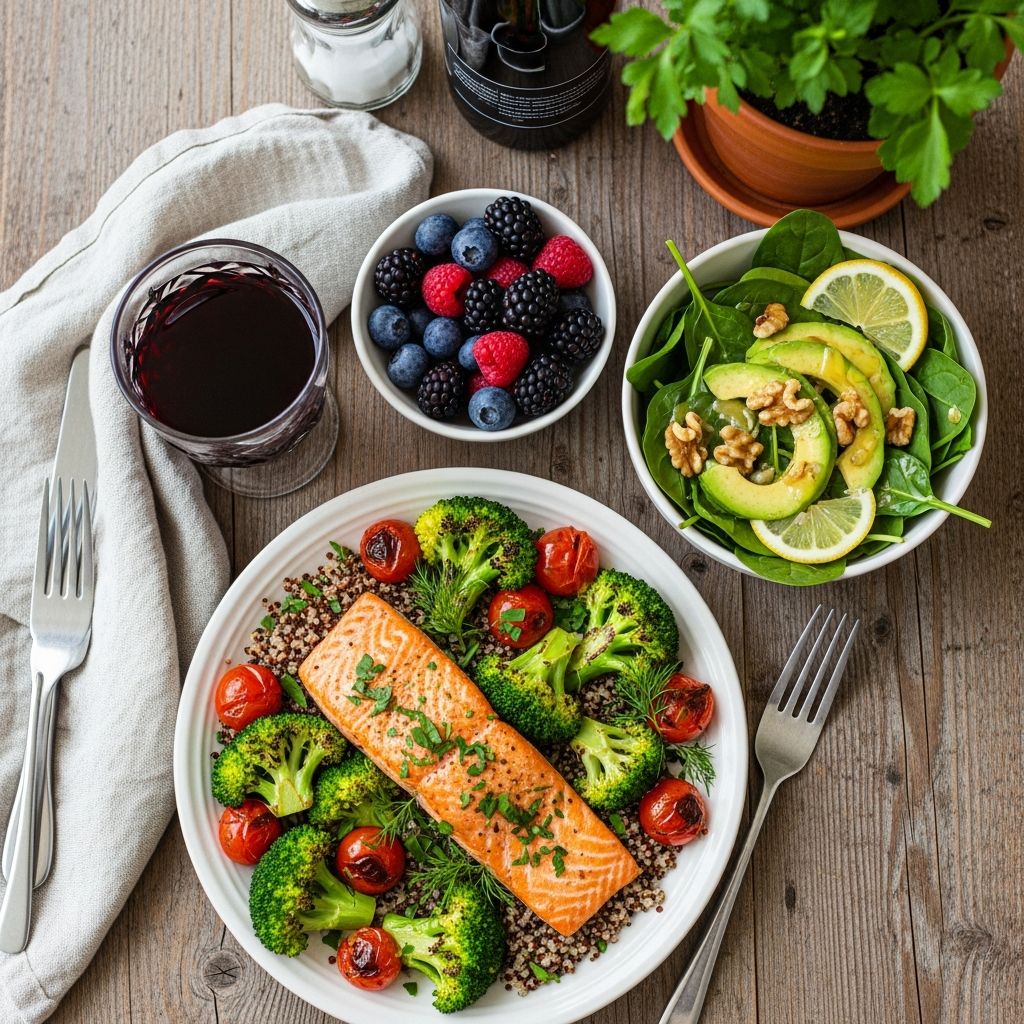
This elegant yet simple dinner combines omega-3 rich salmon with anthocyanin-packed berries. Start by preheating your oven and grill to cook simultaneously. While they heat up, prepare a quick berry reduction by simmering fresh or frozen berries with balsamic vinegar. Season salmon fillets with herbs and place on the grill for 10-12 minutes. Toss vegetable pieces—such as broccoli, bell peppers, and carrots—with olive oil and roast until tender. The bright berry glaze adds nutritional depth and visual appeal to this antioxidant powerhouse meal.
Stir-Fried Vegetables with Tofu and Quinoa
This vegetarian option delivers complete protein and sustained energy. Cook quinoa according to package directions while you prepare your stir-fry. Cube firm tofu and cook it in a hot skillet until golden, then set aside. In the same skillet, quickly cook colorful vegetables—including spinach, bell peppers, carrots, and broccoli—over high heat with minimal oil. Return the tofu to the pan, add a simple sauce made from low-sodium soy sauce, garlic, and ginger, and toss everything together. Serve over fluffy quinoa for a complete, antioxidant-rich meal.
Mediterranean Chickpea Salad with Dark Leafy Greens
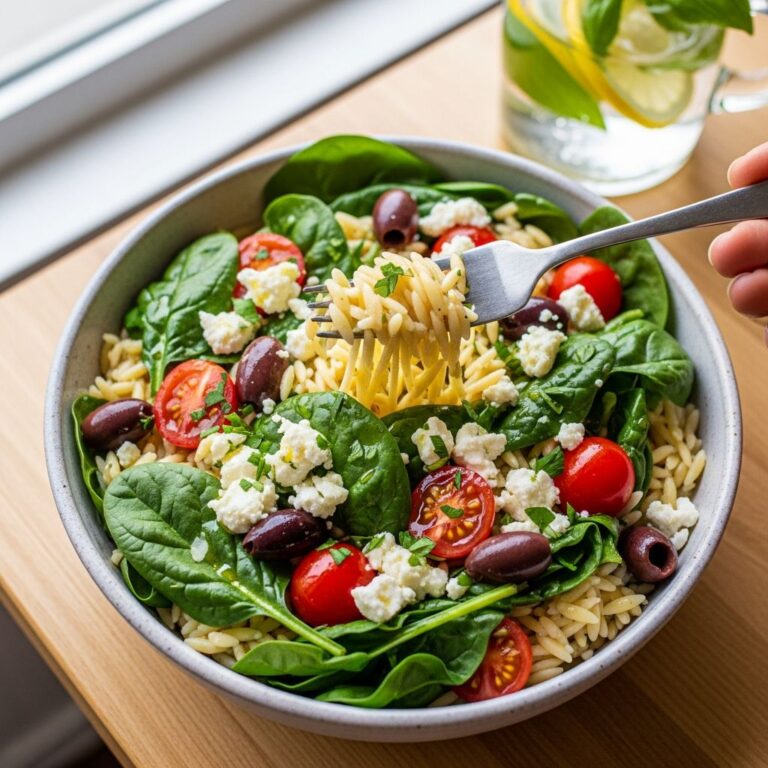
This no-cook dinner solution is perfect for particularly busy days. Combine canned chickpeas (rinsed) with diced tomatoes, cucumber, red onion, and fresh herbs in a large bowl. Prepare a simple dressing with extra virgin olive oil, lemon juice, and Dijon mustard. Toss the mixture well and serve over a bed of mixed dark leafy greens like spinach, kale, or arugula. Top with crumbled feta cheese and toasted pumpkin seeds for added antioxidants and protein. This meal requires no cooking but delivers maximum nutrients and satisfaction.
Herb-Crusted White Fish with Sweet Potato and Broccoli
Lean white fish pairs beautifully with nutrient-dense sides in this simple preparation. Cut sweet potatoes into thin fries, toss with olive oil and spices, and roast. While they cook, steam fresh broccoli florets until tender-crisp. Coat fish fillets with an herb mixture (using dried herbs or fresh parsley and thyme) and bake at high temperature for 12-15 minutes. The sweet potatoes provide beta-carotene, broccoli offers sulforaphane, and the fish delivers lean protein—all working together to create an antioxidant-rich dinner.
Simple Dressing and Sauce Recipes to Boost Antioxidants
Dressings and sauces can transform a simple dinner into something extraordinary while adding beneficial antioxidants. These quick recipes use whole food ingredients and take just minutes to prepare. Rather than relying on bottled versions loaded with preservatives, making your own allows you to control ingredients and ensure maximum nutritional value. Each of these recipes can be made while other components of your dinner are cooking.
Antioxidant-Boosting Dressing Ideas
- Berry Vinaigrette: Blend fresh berries with balsamic vinegar, olive oil, and Dijon mustard for a fruity, nutritious topping
- Green Tea Dressing: Mix cooled green tea with olive oil, rice vinegar, and sesame oil for an Asian-inspired option
- Turmeric Tahini: Combine tahini, lemon juice, turmeric, and garlic for an anti-inflammatory sauce
- Pomegranate Glaze: Reduce pomegranate juice with balsamic vinegar and a touch of maple syrup
- Herb and Citrus: Mix fresh lemon or lime juice with olive oil, garlic, and fresh herbs for brightness
Shopping Smart for Antioxidant Success
Building a kitchen that supports quick, antioxidant-rich dinners begins with strategic shopping. Knowing which foods offer the highest antioxidant content per dollar helps you make efficient purchases. Fresh, seasonal produce often provides better nutrition and value than out-of-season options shipped long distances. However, frozen fruits and vegetables can be equally nutritious and sometimes more convenient for quick cooking. Buying from bulk sections for nuts, seeds, and whole grains reduces waste and cost. Planning your meals before shopping ensures you purchase exactly what you need without excess waste.
Meal Planning Template for the Week
Creating a simple meal plan for the week takes the guesswork out of dinner preparation. By designating specific nights for different protein and vegetable combinations, you can streamline your shopping and cooking. Consider having “grain bowls Monday,” “fish Wednesday,” and “vegetarian Thursday” to create variety while maintaining organization. This approach also helps you rotate different antioxidant sources throughout the week, ensuring comprehensive nutrient coverage.
Frequently Asked Questions (FAQs)
Q: What are the best frozen vegetables to use for quick antioxidant dinners?
A: Frozen spinach, broccoli, bell pepper mix, and berries are excellent choices. They’re flash-frozen at peak ripeness, locking in nutrients and offering convenience. Simply thaw or cook them directly from frozen depending on your recipe.
Q: Can I prepare antioxidant dinners if I follow a vegan diet?
A: Absolutely. Focus on plant-based proteins like legumes, tofu, and tempeh, paired with abundant vegetables, whole grains, nuts, and seeds. Many recipes can be easily adapted by substituting animal proteins with plant-based alternatives.
Q: How do I maintain antioxidants when reheating leftovers?
A: Reheat at lower temperatures and for shorter periods when possible. Use a microwave for vegetables to preserve more nutrients than stovetop reheating. Try to consume leftovers within 3-4 days for optimal nutrient retention.
Q: Are canned vegetables as nutritious as fresh ones?
A: Canned vegetables retain most antioxidants and can be just as nutritious as fresh, especially if fresh produce has been stored for extended periods. Choose options without added sodium or sugar when possible.
Q: What’s the most time-efficient way to incorporate antioxidants daily?
A: Start with simple additions like adding berries to breakfast, a side salad to lunch, and focusing dinner on colorful vegetables plus lean protein. These small additions accumulate to provide substantial antioxidant benefits without requiring complex recipes.
Q: How can I make antioxidant dinners appeal to picky eaters?
A: Involve family members in meal selection and preparation, serve vegetables with appealing dips, and incorporate familiar flavor profiles. Gradually introduce new foods alongside favorites, and consider roasting vegetables to bring out natural sweetness.
Conclusion
Preparing antioxidant-rich dinners in 30 minutes or less is entirely achievable with planning, the right ingredients, and efficient cooking techniques. By understanding which foods provide maximum antioxidant benefits and how to prepare them quickly, you can support your health without sacrificing convenience or taste. Whether you’re managing a busy work schedule, caring for family, or simply seeking to eat more nutritiously, these strategies and recipes provide practical solutions. Start with one or two recipes that appeal to you, gradually build your quick-cooking skills, and soon you’ll have a repertoire of delicious, nutritious dinners ready to prepare any weeknight.
References
- Antioxidants: What They Are and Why They Matter — National Institutes of Health (NIH). 2024. https://www.nih.gov/health
- The Role of Antioxidants in Chronic Disease Prevention — Harvard School of Public Health. 2023. https://www.hsph.harvard.edu/
- Cooking Methods and Nutrient Retention in Vegetables — Journal of Food Science and Technology. 2024. https://link.springer.com/journal/13197
- Quick Meal Preparation Strategies for Busy Adults — Academy of Nutrition and Dietetics. 2024. https://www.eatright.org/
- Frozen vs. Fresh Produce: Nutritional Comparison — U.S. Department of Agriculture (USDA). 2023. https://www.usda.gov/
Similar Articles








Read full bio of Sneha Tete