Antioxidants: 5 Key Types That Protect Cells
Discover how antioxidants shield cells from free radical damage, supporting overall health through diet and key nutrients.
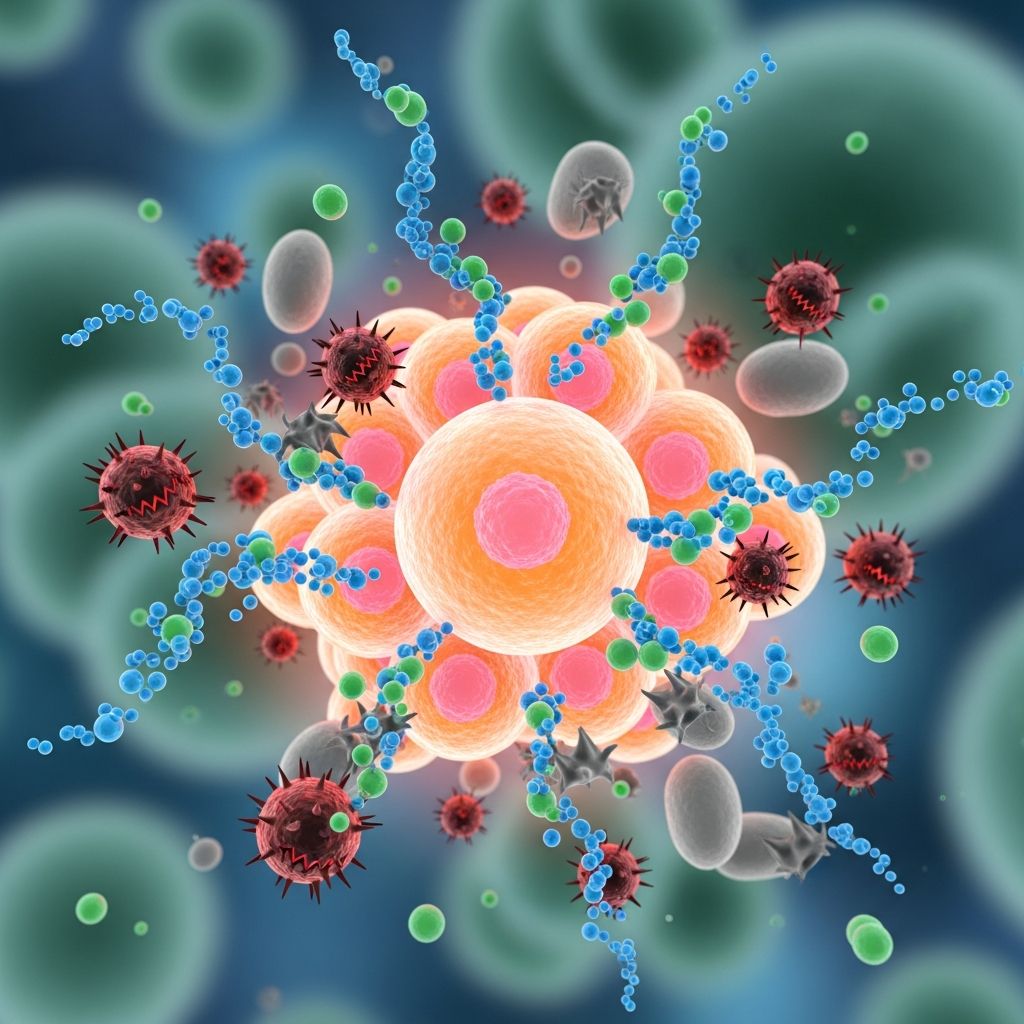
Antioxidants are essential compounds that help protect your cells from damage caused by free radicals. Free radicals are unstable molecules produced during normal metabolism and from environmental exposures like pollution and UV radiation. When free radicals outnumber antioxidants, oxidative stress occurs, potentially leading to chronic diseases such as heart disease, cancer, and neurodegenerative disorders.
Our bodies produce some antioxidants naturally, like glutathione and enzymes such as superoxide dismutase, but diet provides the most potent sources, including vitamins C and E, beta-carotene, selenium, and flavonoids. Unlike supplements, whole foods deliver antioxidants in synergistic combinations that enhance absorption and efficacy. Research shows diets rich in fruits, vegetables, nuts, and whole grains lower risks of cardiovascular disease, certain cancers, and age-related macular degeneration (AMD).
What Are Antioxidants?
Antioxidants are molecules that neutralize free radicals by donating electrons, stabilizing them without becoming unstable themselves. This process halts chain reactions that damage DNA, proteins, lipids, and cell membranes. Key types include:
- Vitamin C (ascorbic acid): Water-soluble; regenerates other antioxidants like vitamin E.
- Vitamin E (tocopherols and tocotrienols): Fat-soluble; protects cell membranes.
- Beta-carotene and carotenoids: Plant pigments that convert to vitamin A.
- Selenium: Mineral cofactor for antioxidant enzymes like glutathione peroxidase.
- Flavonoids and polyphenols: Found in plants; exhibit anti-inflammatory effects.
Endogenous antioxidants, such as uric acid and albumin, contribute over 50% to blood’s total antioxidant capacity, working alongside dietary ones to maintain balance.
Free Radicals and Oxidative Stress
Free radicals form during cellular respiration in mitochondria, immune responses, and external factors like cigarette smoke, radiation, and pollutants. Reactive oxygen species (ROS) like superoxide and hydrogen peroxide are natural byproducts but become harmful in excess.
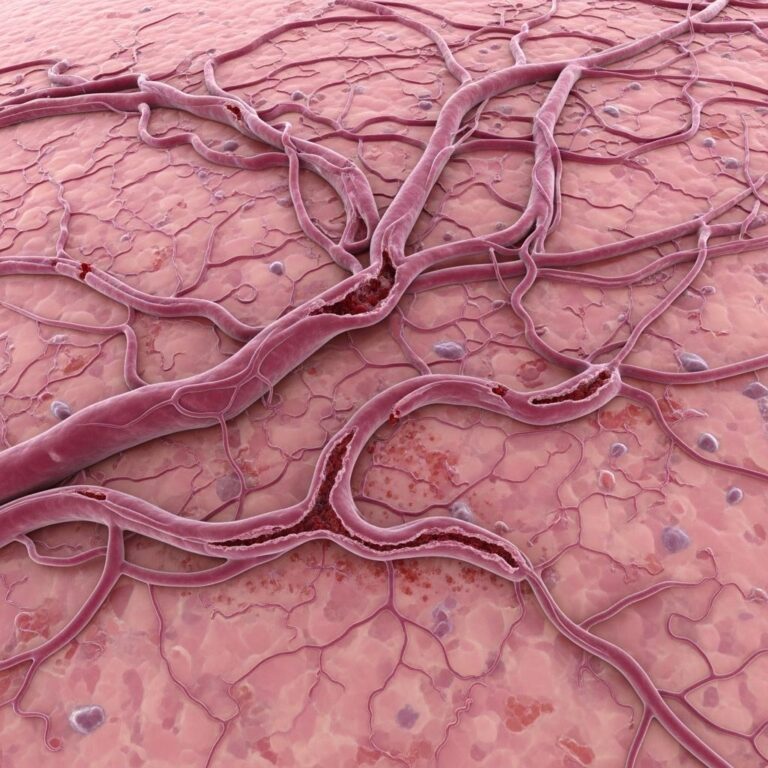
Oxidative stress disrupts the oxidant-antioxidant equilibrium, promoting inflammation, lipid peroxidation, and DNA mutations. This underlies aging, atherosclerosis, diabetes, and cancer. For instance, studies link high oxidative stress to DNA damage repair issues via base excision repair (BER) pathways. Diets boosting serum antioxidants reduce these markers significantly.
Health Benefits of Antioxidants
Antioxidants combat oxidative damage linked to major diseases. Population studies show fruit and vegetable-rich diets correlate with lower chronic disease incidence.
Heart Health
Antioxidants like vitamins C and E reduce LDL cholesterol oxidation, a precursor to plaque buildup. People consuming more produce have lower heart disease and stroke risks. However, supplements often fail to replicate these benefits, suggesting food matrix synergy. Lycopene from tomatoes outperforms isolated supplements for cardiovascular markers.
Cancer Prevention
Free radicals damage DNA, potentially initiating cancer. Antioxidants mitigate this, with epidemiological data linking high intake to reduced risk. A study supplementing antioxidants (vitamins A, C, E, selenium) decreased DNA damage in healthy adults. Whole foods show promise, but supplement trials like beta-carotene in smokers increased lung cancer risk.
Related Stories



Eye Health
Oxidative stress contributes to cataracts and AMD. Vitamins C and E lower cataract risk; the AREDS formula (vitamins C/E, beta-carotene, zinc, copper) slows AMD progression by 25%. Carotenoids like lutein accumulate in the retina for protection.
Immune Support and Brain Health
Selenium and zinc bolster immunity; vitamins C/E support cognitive function and reduce neurodegenerative risks like Alzheimer’s. Omega-3s protect brain cells from oxidation.
Anti-Aging and Inflammation
By curbing oxidative stress, antioxidants slow cellular aging and inflammation. Fermented foods and seaweeds enhance flavonoid bioavailability.
Antioxidant-Rich Foods
The best way to boost antioxidants is through diverse, colorful produce. Berries, citrus, leafy greens, nuts, and legumes top the list.
| Food Category | Key Antioxidants | Examples |
|---|---|---|
| Berries | Anthocyanins, Vitamin C | Blueberries, strawberries, blackberries |
| Citrus Fruits | Vitamin C, Flavonoids | Oranges, lemons, grapefruits |
| Vegetables | Beta-carotene, Lutein | Carrots, spinach, broccoli, kale |
| Nuts & Seeds | Vitamin E, Selenium | Almonds, sunflower seeds, Brazil nuts |
| Other | Lycopene, Polyphenols | Tomatoes, dark chocolate, green tea |
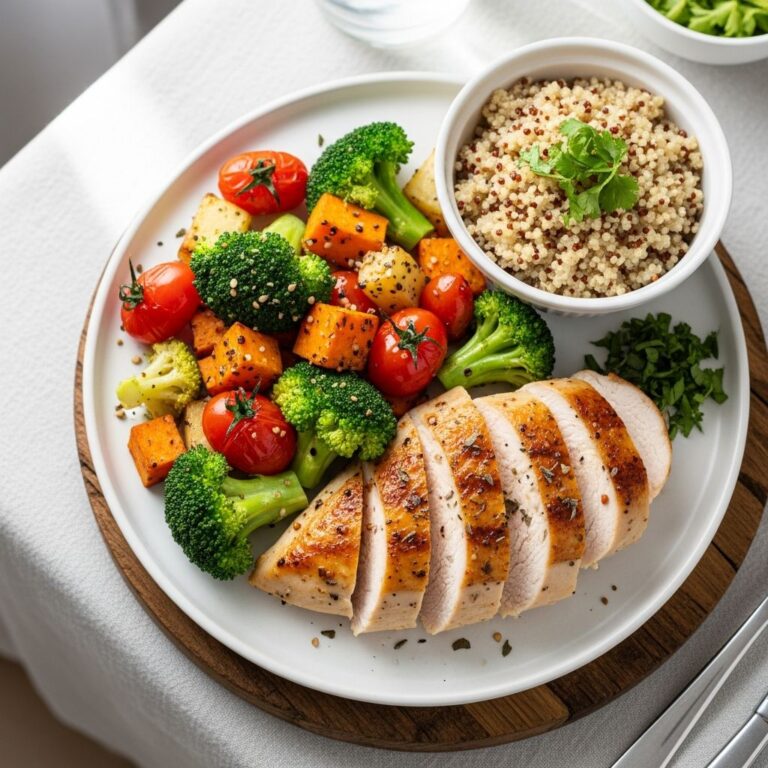
Red, orange, purple produce like plums, red beans, and broccoli offer high activity. Seaweeds provide vitamins A, C, and B-complex. Aim for 5-9 servings daily.
Supplements vs. Food Sources
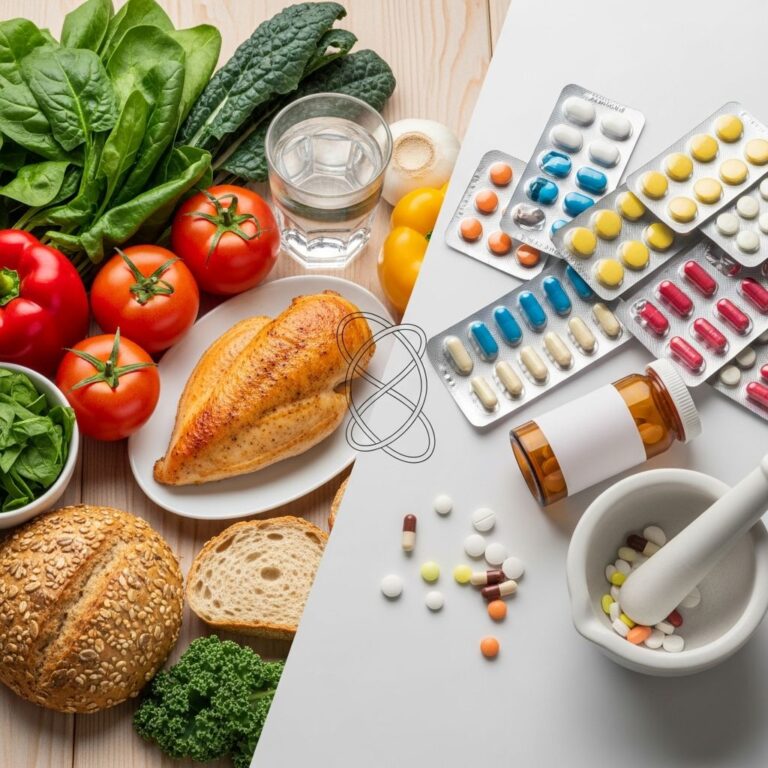
While supplements provide concentrated doses, evidence favors foods. Tomato products beat lycopene pills for heart benefits. High-dose beta-carotene and vitamin E supplements raised mortality in some trials. Foods offer fiber, minerals, and phytonutrients absent in pills. Consult professionals before supplementing, especially if smoking or at high risk.
Frequently Asked Questions
Do antioxidant supplements prevent disease?
Food-based antioxidants reduce risks, but supplements show mixed results and potential harms like increased cancer in smokers.
Which foods have the most antioxidants?
Berries, nuts, dark leafy greens, and colorful veggies top ORAC (Oxygen Radical Absorbance Capacity) lists.
Can too many antioxidants be harmful?
Excess supplements may disrupt natural balance or act as pro-oxidants; food sources are safer.
How much should I eat daily?
At least 5 servings of fruits/veggies; variety maximizes benefits.
Are antioxidants only in plants?
No, but plant foods are richest; body makes some, meats provide selenium.
Practical Tips for Boosting Intake
- Eat a rainbow: Different colors deliver diverse antioxidants.
- Choose whole over processed: Juices lose fiber.
- Cook smart: Steaming preserves more than boiling.
- Snack on nuts/berries: Easy daily boosts.
- Limit oxidants: Quit smoking, use sunscreen.
Incorporate fermented foods like yogurt for enhanced bioavailability. Multicomponent diets raise serum levels and cut stress markers.
References
- The importance of antioxidants and place in today’s scientific and nutritional research — Can et al., PMC. 2019-10-11. https://pmc.ncbi.nlm.nih.gov/articles/PMC6828919/
- Antioxidants Beyond the Hype — Institute of Food Technologists (IFT). 2023-09-01. https://www.ift.org/news-and-publications/food-technology-magazine/issues/2023/september/columns/ingredients-antioxidants-beyond-the-hype
- The Beneficial Effects of Antioxidants in Health And Diseases — PubMed (Review). 2020-06-15. https://pubmed.ncbi.nlm.nih.gov/32558487/
- Health Benefits of Antioxidants — WebMD Health. 2023. https://www.webmd.com/diet/health-benefits-antioxidants
- The many health benefits of antioxidants — University of North Dakota (UND). 2025-10. https://blogs.und.edu/und-today/2025/10/the-many-health-benefits-of-antioxidants/
- Add antioxidants to your diet — Mayo Clinic. 2023. https://www.mayoclinic.org/healthy-lifestyle/nutrition-and-healthy-eating/in-depth/add-antioxidants-to-your-diet/art-20546814
- Antioxidants and Cancer Prevention — National Cancer Institute (NCI). 2023. https://www.cancer.gov/about-cancer/causes-prevention/risk/diet/antioxidants-fact-sheet
Similar Articles








Read full bio of medha deb