Antiperspirant Clinical Guide: Safe, Effective Sweat Control
Comprehensive guide to antiperspirants: types, mechanisms, safe usage, side effects, and clinical applications for managing hyperhidrosis.
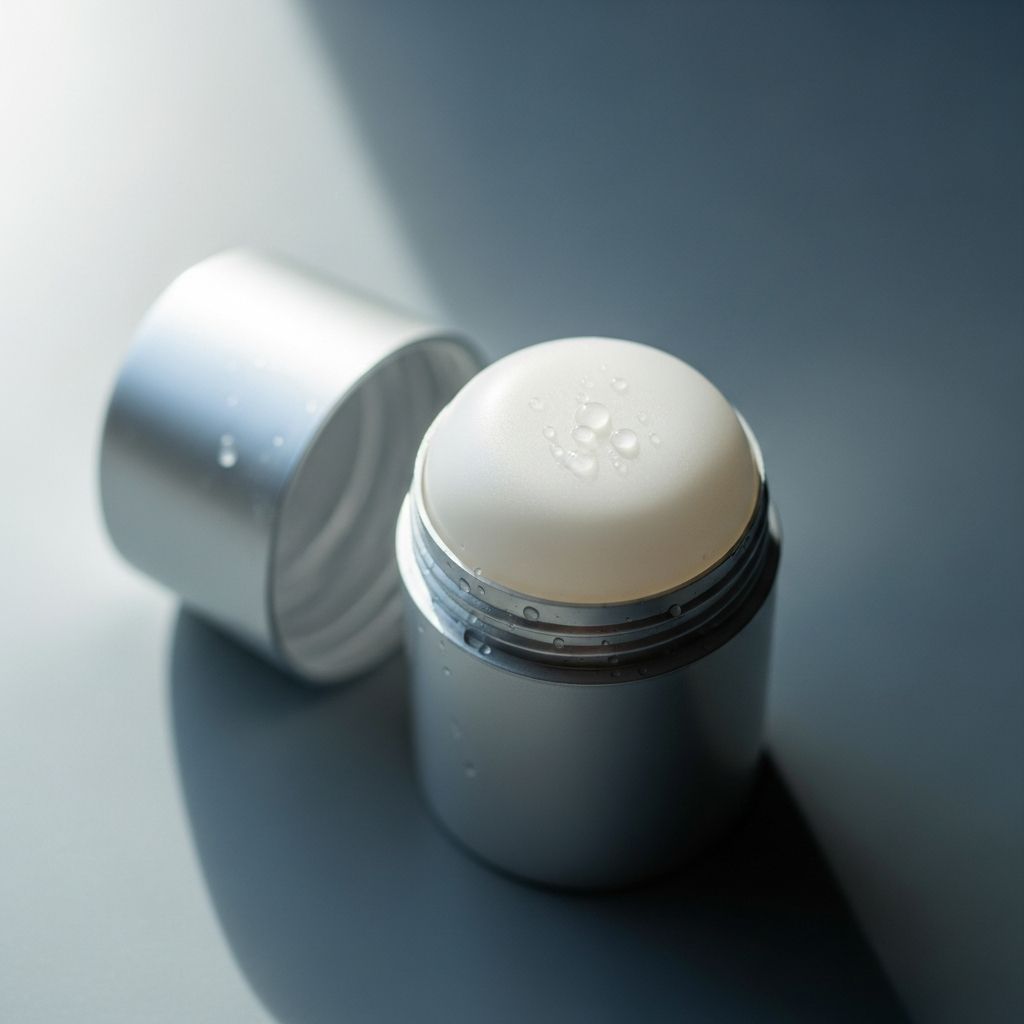
Antiperspirants are topical formulations designed to reduce perspiration by temporarily blocking sweat glands. They differ from deodorants, which primarily mask odour without affecting sweat production. This article covers their composition, mechanisms, clinical uses, application methods, and safety considerations, drawing from dermatological evidence.
What is an antiperspirant?
An
antiperspirant
is a substance applied to the skin to diminish sweating by physically obstructing eccrine sweat gland ducts. Unlike deodorants that target bacterial odour through antimicrobial agents or fragrances, antiperspirants directly inhibit sweat secretion. They are classified as over-the-counter (OTC) drugs in many regions due to their physiological effects.The primary active ingredients form insoluble precipitates within sweat ducts, reducing luminal diameter and sweat flow. This mechanism provides relief for individuals with primary hyperhidrosis, a condition affecting 1-3% of the population where sweating exceeds physiological needs.
Who gets hyperhidrosis?
Hyperhidrosis impacts people across all ages, genders, and ethnicities, though it often begins in adolescence. Primary focal hyperhidrosis is idiopathic and symmetrical, commonly affecting axillae (underarms), palms, soles, and craniofacial areas. Secondary hyperhidrosis stems from underlying conditions like hyperthyroidism, diabetes, or medications.
- Primary hyperhidrosis: Genetic predisposition; focal and bilateral.
- Secondary hyperhidrosis: Generalized; due to systemic disease or drugs.
Diagnosis involves clinical history, starch-iodine test, or gravimetric measurement of sweat rate. Impact includes social embarrassment, occupational limitations, and skin maceration leading to infections.
Types of antiperspirants
Antiperspirants are categorized by active ingredients and formulations. The most common are aluminium salts, with newer options like anticholinergics for refractory cases.
Aluminium salts
These comprise 80-95% of commercial products. Key types include:
- Aluminium chlorohydrate (ACH): Most prevalent; 10-25% concentration in OTC products.
- Aluminium zirconium tetrachlorohydrex glycine: Less irritating; used in higher strengths up to 20%.
- Aluminium sesquichlorohydrate: Enhanced efficacy polymers.
Prescription strengths exceed 20% ACH equivalents. Formulations include roll-on, stick, aerosol, gels, lotions, and powders.
Glycopyrrolate and other anticholinergics
Topical anticholinergics like
glycopyrrolate
(0.5-2%) or oxybutynin block muscarinic receptors in sweat glands. Indicated for refractory hyperhidrosis, they offer targeted action with minimal systemic absorption. Avoid in infants due to toxicity risks.How do antiperspirants work?
Aluminium salts dissociate in sweat, forming aluminium hydroxide and polyvalent cations. These hydrolyse to create a gelatinous plug in the superficial sweat duct, reducing sweat output by 30-60% initially, up to 80% with repeated use.
Anticholinergics inhibit acetylcholine-mediated sweat secretion at the gland level. Efficacy peaks after 24-48 hours, lasting 3-7 days per application.
Clinical use of antiperspirants
Antiperspirants are first-line for mild-moderate hyperhidrosis. For palms/soles, 20% ACH applied nightly with plastic occlusion enhances penetration. Axillary use starts with OTC 15-20% formulations, escalating to prescription if needed.
| Site | Recommended Strength | Frequency |
|---|---|---|
| Axillae | 15-20% OTC; 20%+ Rx | Evening, 2-3x/week |
| Palms/Soles | 20% ACH | Nightly x 3-4 nights, then maintenance |
| Craniofacial | Glycopyrrolate 2% | Daily |
For severe cases, combine with iontophoresis or botulinum toxin.
Application tips
Optimal results require proper technique:
- Apply to completely dry skin at bedtime.
- For axillae: shave 24-48 hours prior; avoid immediate post-shave.
- Palms/soles: soak in water, dry, apply, cover with plastic wrap and gloves/socks overnight.
- Wash off morning residue with soap; reapply after 24-48 hours.
- Reduce frequency to maintenance once control achieved.
Related Stories



Patient education improves adherence and outcomes.
Adverse reactions
Most reactions are mild and local. Common issues include:
- Irritant contact dermatitis: Burning, stinging, erythema from high concentrations or occlusion.
- Allergic contact dermatitis: Rare; to aluminium or fragrances.
- Bacterial/fungal overgrowth: Due to maceration.
Anticholinergics may cause transient dry mouth or urinary hesitancy if absorbed systemically.
Deodorant-related effects
Surveys report itching (26%), skin darkening (25%), sneezing (21%), eye redness (8%) with deodorants/antiperspirants, varying by form (sprays highest for respiratory issues).
Aluminium and cancer risk
Concerns link aluminium to breast cancer via axillary absorption, especially post-shaving. However, authoritative bodies find no evidence:
- American Cancer Society: No clear link; skin absorption minimal.
- NCI: No confirmed adverse effects contributing to breast cancer.
- Reviews debunk myths; absorption insufficient for toxicity.
Systemic aluminium toxicity rare, mainly in renal failure patients.
Special cautions
- Renal impairment: Avoid aluminium if GFR <30 mL/min.
- Infants/children: No topical anticholinergics.
- Broken skin: Delay application to prevent irritation.
- Pregnancy/breastfeeding: Topical use safe; minimal absorption.
Differential diagnosis
Exclude secondary causes: infections, endocrine disorders, malignancy. Investigations include thyroid function, glucose, imaging if generalized.
Management algorithm
- Confirm primary focal hyperhidrosis.
- Start OTC antiperspirant.
- If ineffective: Prescription strength or glycopyrrolate.
- Escalate to iontophoresis, BTX-A, miraDry, or surgery.
Prevention
Lifestyle: Loose clothing, antiperspirants, botox prophylaxis. Early intervention prevents complications.
Alternatives
- Iontophoresis: For palms/soles.
- Botulinum toxin: 50-100 units/site; 4-12 months duration.
- MiraDry: Microwave ablation of glands.
- Sympathectomy: Last resort.
Frequently asked questions
What is the difference between deodorant and antiperspirant?
Deodorants mask odour; antiperspirants block sweat.
Are antiperspirants safe for daily use?
Yes for most; consult doctor if kidney issues.
Do antiperspirants cause breast cancer?
No evidence supports this.
How to apply for best results?
Dry skin at night; occlude hands/feet.
What if antiperspirants irritate my skin?
Lower strength, fragrance-free, or alternatives like glycopyrrolate.
This guide equips patients and clinicians with evidence-based strategies for sweat management, emphasising safety and efficacy.
References
- Antiperspirants and Breast Cancer Risk — American Cancer Society. 2023-10-01. https://www.cancer.org/cancer/risk-prevention/chemicals/antiperspirants-and-breast-cancer-risk.html
- Deodorant use and related adverse effects: A cross-sectional survey — PMC/NCBI. 2024-07-15. https://pmc.ncbi.nlm.nih.gov/articles/PMC11217851/
- Antiperspirants: Types, Use, and Cautions — DermNet NZ. 2024-01-01. https://dermnetnz.org/topics/antiperspirant
- Antiperspirants/Deodorants and Breast Cancer — National Cancer Institute. 2023-05-15. https://www.cancer.gov/about-cancer/causes-prevention/risk/myths/antiperspirants-fact-sheet
- Deodorants vs. Antiperspirants: Health Benefits and Risks — Healthline (citing ACS). 2024-02-20. https://www.healthline.com/health/deodorant-vs-antiperspirant
Similar Articles








Read full bio of Sneha Tete