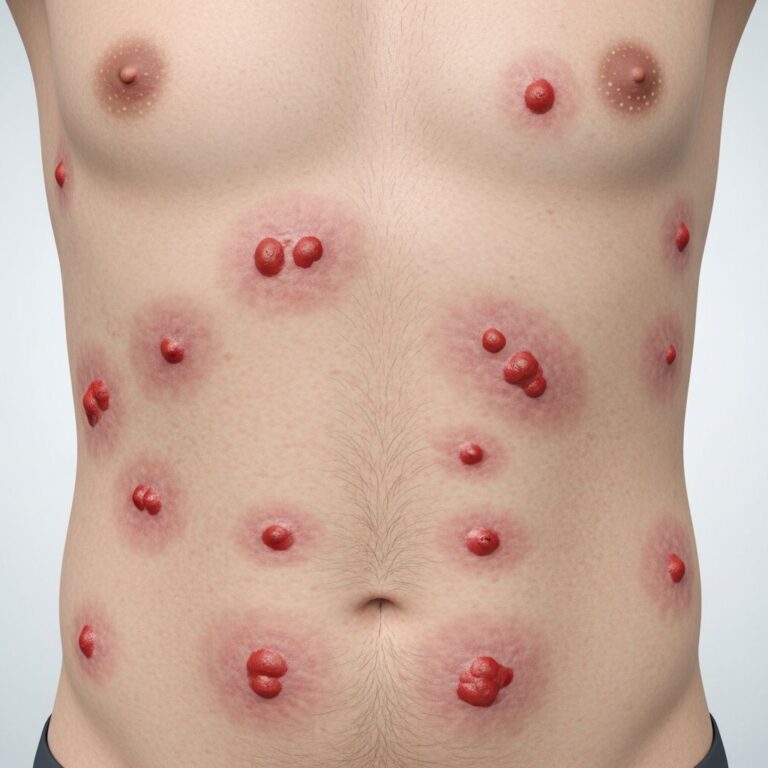
Antiphospholipid Syndrome: A Guide To Diagnosis And Management
Understanding antiphospholipid syndrome: autoimmune disorder causing clots, pregnancy loss, and skin manifestations in affected individuals.
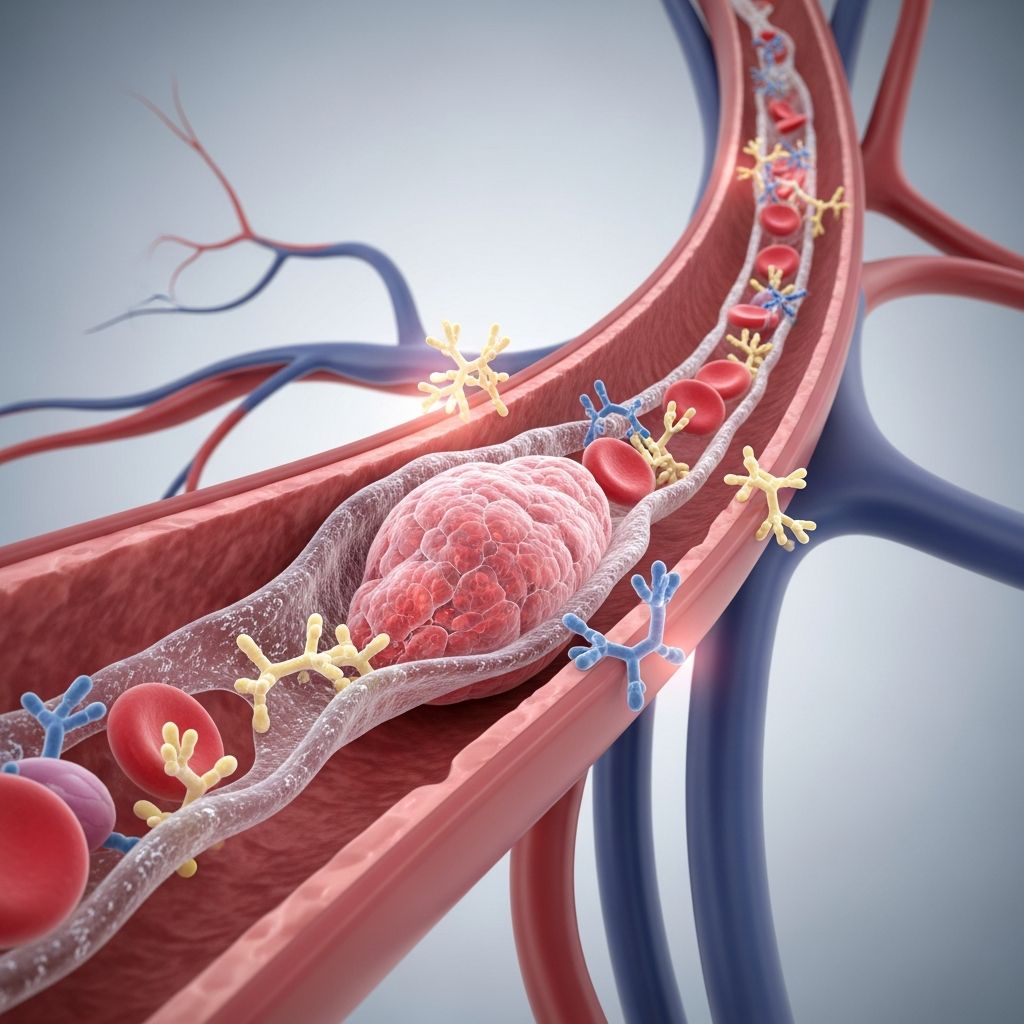
Author: Dr. Purva Sakhuja, Dermatologist, XYZ Dermatology Clinic. Revised: January 2026.
What is antiphospholipid syndrome?
Antiphospholipid syndrome (APS) is a systemic autoimmune disorder characterized by the presence of antiphospholipid antibodies (aPL) associated with clinical events such as vascular thrombosis or pregnancy morbidity. These antibodies target phospholipid-binding proteins, particularly β2-glycoprotein I (β2GPI), leading to a prothrombotic state despite paradoxically prolonging clotting times in vitro. APS can occur primarily or secondary to conditions like systemic lupus erythematosus (SLE), affecting approximately 40% of SLE patients, though only a subset develop clinical manifestations. Women aged 30-40 are predominantly affected, with about 70% of cases occurring in females of reproductive age. The condition manifests through arterial, venous, or microvascular thrombosis, recurrent miscarriages, and various cutaneous, neurological, and organ involvements.
The pathophysiology involves autoantibodies disrupting endothelial function, complement activation, and platelet aggregation, resulting in thrombus formation. Reduced endothelial nitric oxide synthase activity contributes to monocyte adhesion and impaired vascular relaxation. Drugs like chlorpromazine and procainamide can induce transient aPL, but persistent positivity confirmed 12 weeks apart is diagnostic.
Who gets antiphospholipid syndrome?
APS affects individuals with underlying autoimmune diseases, particularly SLE (up to 50% positivity for aPL), but can occur in otherwise healthy people. Risk factors include hypertension, obesity, smoking, oral contraceptives, and atherosclerosis, which exacerbate thrombotic tendencies. High-risk profiles feature lupus anticoagulant (LA), double/triple aPL positivity, or persistently high titers. Primary APS occurs without secondary conditions, while secondary APS links to SLE or other rheumatologic disorders. Genetic predispositions and infections may trigger antibody production, though exact mechanisms remain under study.
What causes antiphospholipid syndrome?
APS arises from autoimmune production of aPL, including lupus anticoagulant, anticardiolipin (aCL), and anti-β2GPI antibodies. These target phospholipid-protein complexes, promoting thrombosis via endothelial damage, platelet activation, and coagulation cascade disruption. Molecular mimicry from infections may initiate autoimmunity. In pregnancy, aPL interfere with trophoblast function, leading to placental insufficiency. Secondary APS often coexists with SLE, where autoantibodies amplify vascular injury.
What are the clinical features of antiphospholipid syndrome?
Vascular thrombosis
Venous thrombosis (e.g., deep vein thrombosis, pulmonary embolism) is more common than arterial (stroke, myocardial infarction). Catastrophic APS (CAPS) involves multiorgan failure from widespread microthrombosis, with high mortality.
Pregnancy morbidity
Obstetric APS features recurrent miscarriages (≥3 early or ≥1 late), preterm delivery due to preeclampsia, fetal growth restriction, or stillbirth. Approximately 15% of recurrent pregnancy loss cases link to APS.
Cutaneous features
- Livedo reticularis: Net-like purplish discoloration on limbs or trunk, present in 70-80% of APS patients.
- Ulcers: Painful, punched-out leg ulcers from microthrombosis.
- Thrombophlebitis: Superficial vein inflammation.
- Anetoderma: Loss of dermal elasticity causing atrophic patches.
- Pseudovasculitic lesions: Splinter hemorrhages, palpable purpura.
Neurological features
- Stroke/TIA (20-30% of cases), migraines, epilepsy, dementia, chorea, transverse myelitis.
- Amaurosis fugax, retinal vessel occlusions.
Cardiopulmonary features
- Pulmonary embolism, hypertension, hemorrhage.
- Valve thickening, Libman-Sacks endocarditis.
Renal features
Related Stories



- Thrombotic microangiopathy causing proteinuria, hypertension, renal failure.
Haematological features
- Thrombocytopenia (common, mild), hemolytic anemia.
Diagnosis of antiphospholipid syndrome
Diagnosis requires one clinical criterion (thrombosis or pregnancy morbidity) plus one laboratory criterion (persistent aPL positivity ≥12 weeks apart).
Clinical criteria
- Vascular thrombosis: Arterial, venous, or small vessel.
- Obstetric: ≥3 miscarriages <10 weeks, ≥1 fetal death ≥10 weeks, preterm <34 weeks due to preeclampsia/placental insufficiency.
Laboratory criteria
| Antibody | Test Method | Threshold |
|---|---|---|
| Lupus anticoagulant (LA) | ISTH criteria (prolonged aPTT/dRVVT, mixing, phospholipid confirmation) | Positive |
| Anticardiolipin (aCL) IgG/IgM | ELISA | >40 GPL/MPL or >99th percentile |
| Anti-β2GPI IgG/IgM | ELISA | >99th percentile |
LA is most predictive of thrombosis; triple positivity confers highest risk. Testing avoids heparin/warfarin interference.
Treatment of antiphospholipid syndrome
Thrombotic APS
- Acute: Heparin (IV/unfractionated or LMWH) followed by warfarin (INR 2-3).
- Recurrent: INR 3-4 or LMWH switch.
- DOACs (e.g., rivaroxaban) contraindicated in triple-positive or arterial events.
Obstetric APS
- LMWH + low-dose aspirin (81mg) from conception.
Primary prophylaxis
- High-risk aPL (LA+, triple+): Aspirin 75-100mg daily.
- SLE-associated: Hydroxychloroquine + aspirin.
Catastrophic APS
Triple therapy: Glucocorticoids, heparin, plasma exchange/IVIG; rituximab/eculizumab for refractory cases.
Refractory cases
- Rituximab, cyclophosphamide, eculizumab.
Complications of antiphospholipid syndrome
- CAPS (mortality 50%, multiorgan thrombosis).
- Chronic organ damage (pulmonary hypertension, renal failure).
- Recurrent thrombosis despite therapy.
Prevention of antiphospholipid syndrome
No primary prevention exists; manage risk factors (smoking cessation, BP control). Prophylactic aspirin for high-risk profiles.
Prognosis of antiphospholipid syndrome
With anticoagulation, 5-year survival exceeds 90%; CAPS worsens outlook. Pregnancy success reaches 70% with therapy. Monitor for recurrence.
Antiphospholipid syndrome in pregnancy
High-dose aspirin + LMWH standard; monitor for preeclampsia, growth restriction. Postpartum anticoagulation for 6 weeks.
Guidelines for antiphospholipid syndrome
- EULAR: Aspirin prophylaxis for high-risk aPL.
- AHA/ASA: Aspirin for obstetric APS history.
- ACOG: Laboratory confirmation 12 weeks apart.
Frequently asked questions about antiphospholipid syndrome
What is the most common skin sign in APS?
Livedo reticularis, a mottled reticular pattern on the skin.
How is APS diagnosed?
Persistent aPL positivity plus thrombosis or obstetric morbidity, confirmed 12 weeks apart.
Is lifelong anticoagulation required?
Yes, for most with thrombotic APS to prevent recurrence.
Can APS be cured?
No, it is managed lifelong with anticoagulation and prophylaxis.
What is CAPS?
Catastrophic APS: Rapid multiorgan thrombosis, requiring urgent triple therapy.
References
- Antiphospholipid Antibodies — Johns Hopkins Lupus Center. 2023. https://www.hopkinslupus.org/lupus-tests/antiphospholipid-antibodies/
- How to diagnose and manage antiphospholipid syndrome — American Society of Hematology. 2023-12-07. https://ashpublications.org/hematology/article/2023/1/606/506452/How-to-diagnose-and-manage-antiphospholipid
- Antiphospholipid Syndrome — American College of Rheumatology. 2024. https://rheumatology.org/patients/antiphospholipid-syndrome
- Antiphospholipid Syndrome — StatPearls, NCBI Bookshelf, NIH. 2024-10-27. https://www.ncbi.nlm.nih.gov/books/NBK430980/
- Antiphospholipid syndrome — Stroke Manual. 2024. https://www.stroke-manual.com/antiphospholipid-syndrome/
- Antiphospholipid Syndrome — American College of Obstetricians and Gynecologists (ACOG). 2012-12. https://www.acog.org/clinical/clinical-guidance/practice-bulletin/articles/2012/12/antiphospholipid-syndrome
Similar Articles








Read full bio of medha deb