Antipsychotic Medications: Understanding Types and Clinical Applications
Comprehensive overview of antipsychotic drugs, their mechanisms, uses, and side effect profiles for mental health treatment.
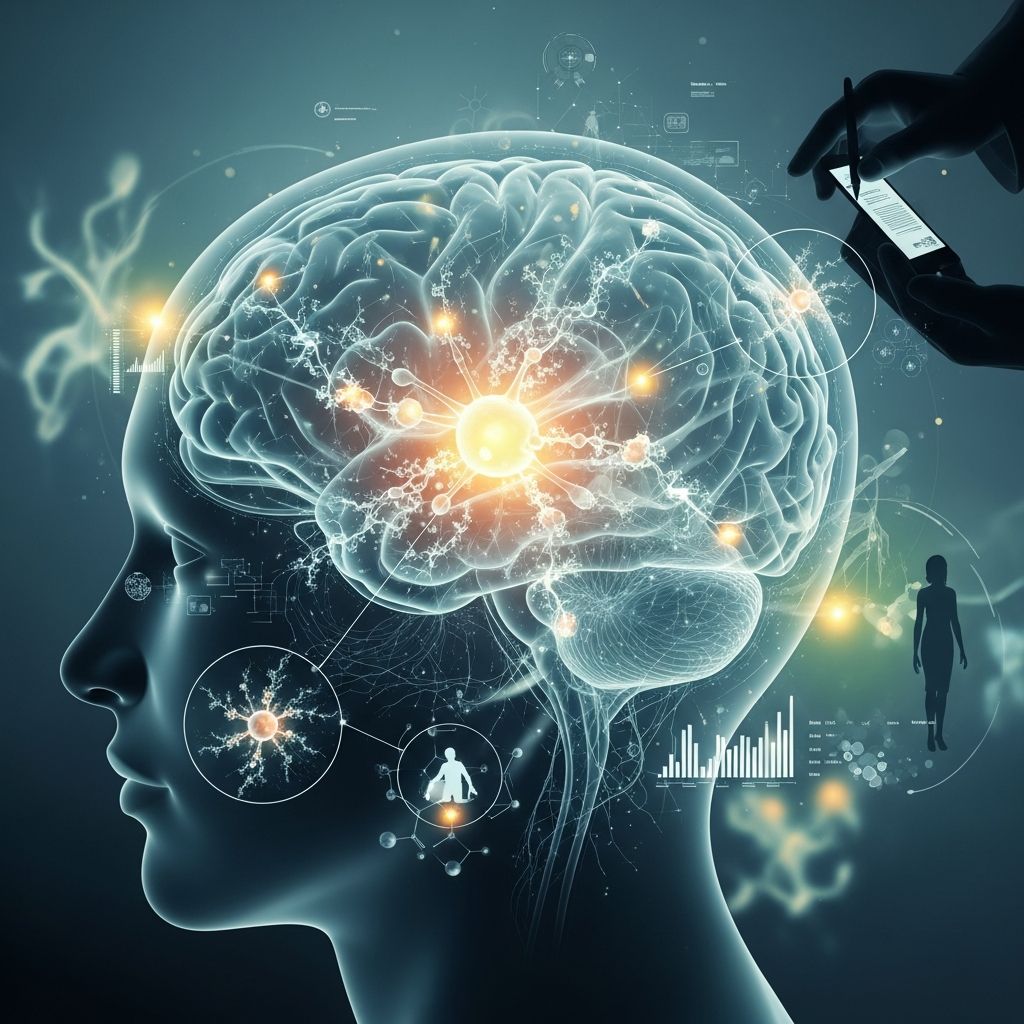
Antipsychotic medications form a cornerstone of psychiatric treatment, serving as primary therapeutic agents for conditions characterized by disrupted thought processes and perceptual disturbances. These drugs address the neurobiological underpinnings of psychosis by modulating brain chemistry, particularly dopamine and serotonin signaling. Understanding the distinctions between medication classes, their mechanisms, and their appropriate clinical contexts is essential for patients, caregivers, and healthcare professionals navigating psychiatric care.
The Evolution of Antipsychotic Treatment
Antipsychotic medications emerged as transformative psychiatric interventions, fundamentally changing the landscape of mental health treatment. The development of these drugs occurred in stages, with each generation building upon previous discoveries while addressing identified limitations. Early formulations introduced in the mid-twentieth century revolutionized psychiatric care, yet subsequent advances aimed to reduce unwanted effects while maintaining or improving efficacy.
The classification into generations reflects not merely chronological development but fundamental differences in pharmacological properties and receptor interactions. This distinction remains clinically relevant today, as prescribers must weigh the advantages and disadvantages of each class when selecting appropriate treatments for individual patients.
First-Generation Antipsychotics: Traditional Mechanisms and Clinical Roles
First-generation antipsychotics, also referred to as typical antipsychotics, primarily function as dopamine receptor antagonists. This mechanism addresses the dopamine hypothesis of psychosis, which posits that excessive dopaminergic activity in specific brain regions contributes to positive symptoms such as hallucinations and delusions. By blocking dopamine receptors, particularly in the mesolimbic pathway, these medications effectively reduce these acute psychotic manifestations.
Common first-generation medications include haloperidol, chlorpromazine, fluphenazine, perphenazine, and trifluoperazine. Haloperidol remains useful for acute psychotic episodes and severe agitation, while chlorpromazine, one of the earliest antipsychotics developed, continues to be employed despite its sedating properties. Fluphenazine offers extended-release injectable formulations suitable for long-term maintenance therapy, and perphenazine finds application not only in schizophrenia but also in managing severe nausea and vomiting.
The therapeutic benefit of dopamine blockade comes with neurobiological costs. While mesolimbic dopamine antagonism reduces psychotic symptoms, the same mechanism in other dopamine pathways produces unwanted effects. Mesocortical blockade can increase apathy, anhedonia, and diminished motivation—a paradox inherent to dopamine-blocking therapy. Additionally, nigrostriatal dopamine blockade frequently produces extrapyramidal side effects, motor symptoms that resemble Parkinson’s disease.
Second-Generation Antipsychotics: Refined Pharmacology and Expanded Applications
Second-generation antipsychotics, designated as atypical antipsychotics, emerged through enhanced understanding of receptor pharmacology. These medications function as serotonin-dopamine antagonists, blocking both dopamine and serotonin (5-HT) receptors across multiple subtypes. This broader receptor profile allows these drugs to address psychotic symptoms while potentially mitigating some limitations of first-generation agents.
The FDA has approved multiple atypical antipsychotics for psychiatric use, including risperidone, olanzapine, quetiapine, ziprasidone, aripiprazole, paliperidone, asenapine, lurasidone, iloperidone, cariprazine, brexpiprazole, and clozapine. Each medication possesses a distinct receptor binding profile, translating to unique advantages and disadvantages in clinical practice.
Risperidone demonstrates effectiveness in managing both schizophrenia and bipolar disorder, available in oral and long-acting injectable formulations. Olanzapine provides robust mood stabilization and hallucination reduction, though weight gain concerns necessitate careful monitoring. Quetiapine serves utility across schizophrenia, bipolar disorder, and depressive disorders, with sedating properties that can assist patients experiencing significant agitation or insomnia. Aripiprazole distinguishes itself through unique dopamine partial agonism rather than pure antagonism, allowing it to reduce dopamine activity when elevated while minimizing excess dopamine suppression. This mechanism may produce fewer extrapyramidal effects than traditional antagonists.
Related Stories



Ziprasidone addresses psychotic symptoms with a favorable metabolic profile, presenting lower weight gain risk than several alternatives. Lurasidone demonstrates strong efficacy in bipolar depression and schizophrenia with good tolerability. Paliperidone, structurally derived from risperidone metabolism, offers extended-release options lasting weeks between doses, enhancing treatment adherence. Clozapine occupies a unique position as the most effective antipsychotic for treatment-resistant schizophrenia—psychosis unresponsive to standard medications—yet requires regular blood monitoring due to rare but serious hematologic risks.
Specialized Mechanism: Clozapine’s Hit-and-Run Action
Clozapine employs a distinctive mechanism termed “hit-and-run” pharmacology, rapidly dissociating from dopamine receptors after blockade. This property contributes to its superior efficacy in treatment-resistant cases while producing fewer extrapyramidal symptoms, cognitive impairment, and prolactin elevation compared to dopamine antagonists with sustained receptor occupancy. The mechanism requires careful dosing consideration, as dosing schedules must account for rapid receptor unbinding kinetics.
Long-Acting Injectable Formulations: Enhancing Treatment Adherence
A significant advancement in antipsychotic therapy involves long-acting injectable (LAI) preparations, which extend medication activity from weeks to months. These formulations address a critical challenge in psychiatric treatment: medication non-adherence, which compromises outcomes and increases relapse risk.
Available long-acting options include risperidone LAI (Risperdal Consta), aripiprazole LAI (Abilify Maintena), paliperidone palmitate LAI (Invega Sustenna), haloperidol decanoate, and olanzapine LAI (Zyprexa Relprevv). Paliperidone palmitate injections may sustain therapeutic activity for a month or longer between administrations, substantially reducing medication administration burden. These formulations prove particularly valuable for patients with established non-adherence patterns or those requiring closely monitored medication compliance.
Clinical Indications and Treatment Contexts
Antipsychotic medications address a spectrum of psychiatric conditions beyond primary psychotic disorders. Understanding appropriate indications ensures optimal treatment selection and improves patient outcomes.
Schizophrenia represents the primary indication for antipsychotic therapy. Both first and second-generation agents demonstrate efficacy in reducing positive symptoms, though second-generation medications often provide superior management of negative symptoms and cognitive dysfunction. Treatment typically initiates with second-generation agents due to improved side effect profiles, reserving first-generation medications for specific clinical scenarios or when atypical options prove ineffective or poorly tolerated.
Bipolar disorder frequently requires antipsychotic intervention, particularly during acute manic or mixed episodes characterized by psychotic features. Medications such as risperidone, olanzapine, quetiapine, and aripiprazole carry FDA approval for bipolar mania, while some also address bipolar depression when combined with mood stabilizers or antidepressants.
Major depressive disorder with psychotic features calls for combination therapy involving both antipsychotics and antidepressants. The FDA-approved combination of olanzapine and fluoxetine specifically targets treatment-resistant depression with psychotic manifestations, addressing both mood and perceptual disturbances simultaneously.
Delusional disorder and paranoia associated with personality disorders respond to first-generation antipsychotic intervention, though treatment requires sustained administration as symptoms often persist without maintenance therapy.
Side Effect Profiles and Management Strategies
Antipsychotic efficacy must be weighed against potential adverse effects, which vary substantially between medications and between individual patients receiving the same agent.
Extrapyramidal Side Effects
Extrapyramidal side effects (EPS) represent motor complications arising from dopamine blockade in the nigrostriatal pathway. First-generation antipsychotics produce EPS more frequently than most second-generation alternatives, though risk varies among both classes. Manifestations include acute dystonia (involuntary muscle contractions), akathisia (restlessness and agitation), parkinsonism (tremor, rigidity, bradykinesia), and tardive dyskinesia (involuntary movements emerging after prolonged therapy).
Haloperidol, pimozide, and perphenazine among first-generation agents carry particular EPS risk, while second-generation medications generally produce fewer motor complications. Aripiprazole’s partial dopamine agonism may further reduce EPS incidence. Management strategies include dose reduction, medication switching, or adjunctive benztropine administration to counteract parkinsonian features.
Metabolic and Weight-Related Concerns
Many antipsychotics, particularly olanzapine and clozapine, produce weight gain through multiple mechanisms including appetite stimulation via histamine H1 receptor antagonism and metabolic effects. Ziprasidone and aripiprazole demonstrate more favorable metabolic profiles. Monitoring weight, glucose metabolism, and lipid profiles becomes essential during antipsychotic therapy, with lifestyle interventions and medication adjustment considered when metabolic deterioration occurs.
Prolactin Elevation
Dopamine antagonism in the tuberoinfundibular pathway reduces dopamine’s tonic prolactin inhibition, leading to elevated serum prolactin levels. Paliperidone and risperidone produce particularly notable prolactin elevation, while aripiprazole and clozapine demonstrate more favorable profiles. Elevated prolactin can cause galactorrhea, sexual dysfunction, and potential long-term consequences for bone health and reproductive function, necessitating monitoring and medication adjustment when clinically significant.
Sedation and Cardiovascular Effects
Antihistaminic properties of many antipsychotics produce sedation, with chlorpromazine and quetiapine demonstrating highest H1 antagonism. While sedation may benefit acutely agitated patients, persistent daytime somnolence impairs functioning and quality of life. Cardiovascular effects include orthostatic hypotension, tachycardia, and in some agents like thioridazine and haloperidol when injected intravenously, abnormal heart rhythms including torsades de pointes and sudden cardiac death risk.
Seizure Threshold Reduction
Antipsychotics lower seizure threshold, with chlorpromazine and thioridazine demonstrating greater epileptogenic potential. Patients with seizure history require careful monitoring or medication selection emphasizing agents with lower seizure risk.
Optimizing Treatment Outcomes
Selecting antipsychotic medications requires individualized consideration of efficacy, side effect tolerance, and comorbid conditions. Certain medications offer specific advantages for particular patient presentations:
- Depressive symptoms in schizophrenia: Aripiprazole, lurasidone, and brexpiprazole provide antidepressant effects through 5-HT7 and 5-HT1A partial agonism, making them preferred choices when depression accompanies psychosis.
- Sedation requirement: Quetiapine and olanzapine provide needed sedation through H1 antagonism, balanced against weight gain risks requiring lifestyle modification and monitoring.
- Treatment-resistant schizophrenia: Clozapine remains the gold standard, though superior efficacy necessitates regular blood count monitoring for agranulocytosis prevention.
- Medication non-adherence: Long-acting injectable formulations substantially improve treatment adherence and reduce hospitalization risk, particularly valuable for patients with previous non-compliance.
Frequently Asked Questions
Do antipsychotics cure psychosis?
Antipsychotics effectively manage psychotic symptoms but do not cure underlying psychiatric conditions. Most individuals require long-term maintenance therapy to prevent symptom recurrence. Discontinuation without medical supervision frequently results in relapse, particularly in schizophrenia and bipolar disorder.
How long does antipsychotic treatment take to work?
Most antipsychotics demonstrate initial symptom reduction within days to weeks, with fuller therapeutic benefit emerging over several weeks. Some second-generation agents may require 4-6 weeks for optimal effect establishment. Long-acting formulations require comparable time periods despite extended dosing intervals.
Can antipsychotics be combined with other medications?
Yes, antipsychotics frequently combine with mood stabilizers, antidepressants, and other psychotropic agents. However, combining multiple dopamine antagonists or drugs affecting the same metabolic pathways requires careful monitoring for additive side effects and drug interactions. Healthcare providers should be informed of all medications used.
What happens if an antipsychotic proves ineffective?
Treatment resistance—inadequate response despite adequate dosing and duration—occurs in approximately one-third of schizophrenia patients. Management includes optimizing current medication dosing, ensuring adherence, addressing substance use, and considering medication switches. Clozapine represents the most effective option for genuinely treatment-resistant cases.
Are antipsychotics addictive?
Antipsychotics do not produce the physiological dependence characteristic of addictive substances. However, psychological dependence may develop, and abrupt discontinuation can precipitate withdrawal symptoms. Medication adjustments should occur gradually under medical supervision.
Conclusion: Individualized Psychiatric Care
Antipsychotic medications represent essential tools in psychiatric treatment arsenals, offering meaningful symptom relief and functional improvement for individuals experiencing psychotic disorders. The distinction between first and second-generation agents, understanding of mechanism-specific advantages and disadvantages, and recognition of individual variation in treatment response inform rational prescribing practices. Contemporary psychiatric care emphasizes shared decision-making, collaborative medication selection, and vigilant monitoring for both therapeutic benefit and adverse effects, optimizing outcomes while respecting patient autonomy and quality of life considerations.
References
- Antipsychotic Medications — National Center for Biotechnology Information (NCBI), National Institutes of Health. 2024. https://www.ncbi.nlm.nih.gov/books/NBK519503/
- Adverse Effects of Antipsychotic Medications — American Family Physician (AFP). https://www.aafp.org
- Guide to Antipsychotic Medications: Mechanisms of Action — PsychScene Hub. https://psychscenehub.com/psychinsights/a-simplified-guide-to-antipsychotic-medications/
- Antipsychotic Medications: What They Are, Uses & Side Effects — Cleveland Clinic. 2024. https://my.clevelandclinic.org/health/treatments/24692-antipsychotic-medications
- List of Antipsychotic Medications: Complete Guide and Uses — Experience Structured Living. https://experiencestructuredliving.com/antipsychotics/
Similar Articles








Read full bio of Sneha Tete