Antiretroviral Therapy For HIV: 7 Key Drug Classes Explained
Discover how ART transforms HIV management, suppresses viral replication, and enables long-term health for those living with the virus.
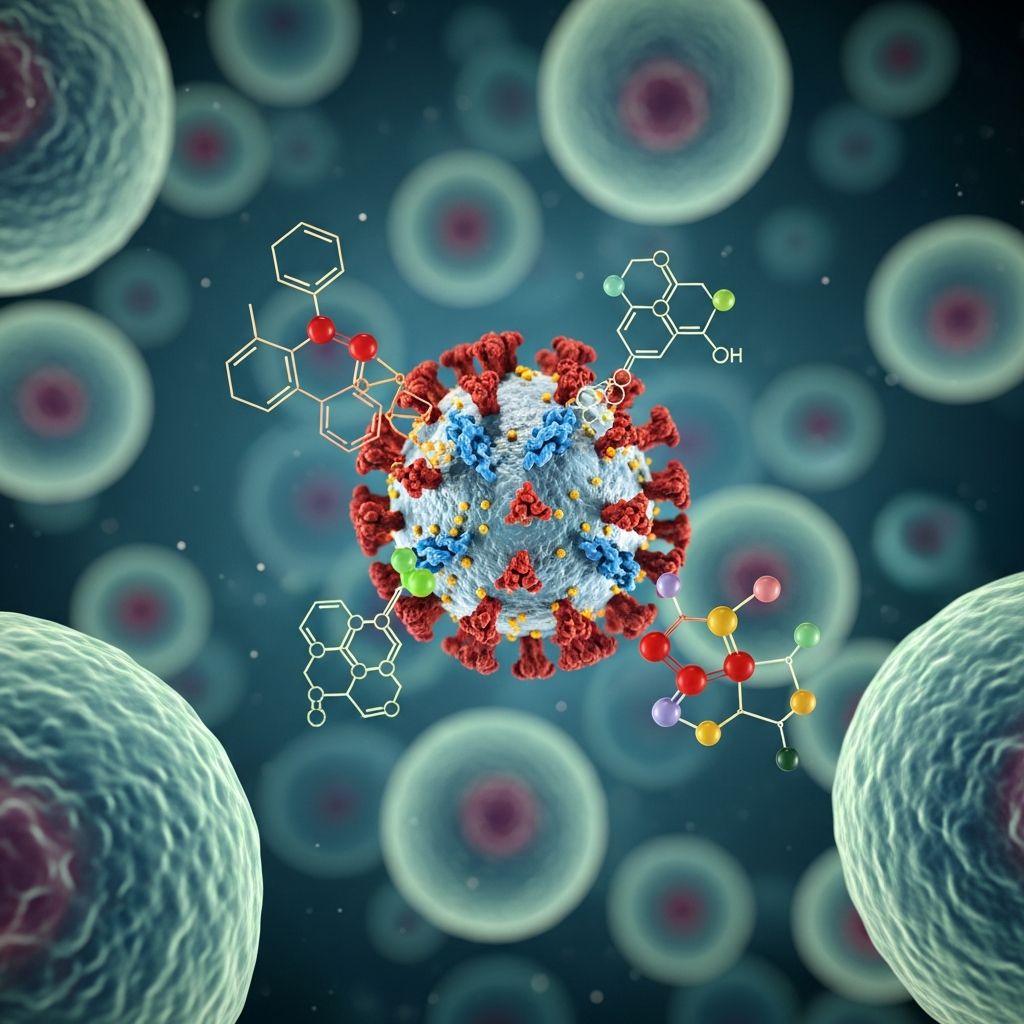
Antiretroviral therapy (ART) represents a cornerstone in HIV management, utilizing combinations of medications to suppress the virus, preserve immune function, and prevent disease progression to AIDS. By targeting multiple stages of the HIV life cycle, ART enables individuals to achieve undetectable viral loads, fostering healthier lives and reducing transmission risks.
Understanding HIV and the Imperative for ART
HIV, a retrovirus, primarily infects CD4 T-cells, which are vital immune components. The virus enters these cells, converts its RNA genome into DNA via reverse transcriptase, integrates this DNA into the host genome using integrase, and produces new viral particles that bud from the cell, perpetuating infection. Without intervention, CD4 counts decline, heightening susceptibility to opportunistic infections and cancers, culminating in AIDS.
ART interrupts this replication cycle at various points, preventing viral proliferation and CD4 cell destruction. Initiated as early as possible post-diagnosis, ART is recommended for all HIV-positive individuals regardless of CD4 count or viral load, per guidelines from authoritative bodies like the NIH and WHO.
Major Classes of Antiretroviral Medications
ART regimens typically combine drugs from at least two classes to maximize efficacy and minimize resistance. There are seven primary classes, each acting on distinct viral life cycle phases.
Nucleoside and Nucleotide Reverse Transcriptase Inhibitors (NRTIs/NtRTIs)
These form the backbone of most regimens, mimicking nucleotides to incorporate into the viral DNA chain during reverse transcription. Lacking a 3′-hydroxyl group, they cause chain termination, halting DNA synthesis. Common examples include tenofovir, emtricitabine, and abacavir. They require intracellular phosphorylation for activation.
Non-Nucleoside Reverse Transcriptase Inhibitors (NNRTIs)
NNRTIs bind directly to reverse transcriptase’s hydrophobic pocket, inducing conformational changes that inhibit enzymatic activity without chain termination. This allosteric inhibition prevents nucleotide addition to the growing DNA strand. Drugs like efavirenz, rilpivirine, and doravirine exemplify this class, noted for fewer adverse effects than NRTIs but vulnerability to single-mutation resistance.
Integrase Strand Transfer Inhibitors (INSTIs)
INSTIs block integrase-mediated insertion of viral DNA into the host genome, preventing provirus formation and subsequent viral production. Agents such as dolutegravir, bictegravir, and raltegravir excel in potency and high barrier to resistance, often anchoring modern single-tablet regimens.
Protease Inhibitors (PIs)
PIs target the protease enzyme, which cleaves viral polyproteins into functional components during maturation. By inhibiting this, they produce non-infectious virions. Boosted with pharmacokinetic enhancers like cobicistat or ritonavir to prolong half-life, examples include darunavir and atazanavir.
Entry Inhibitors
These prevent viral entry into CD4 cells. Fusion inhibitors like enfuvirtide mimic gp41 regions to block membrane fusion, while CCR5 antagonists such as maraviroc bind CCR5 co-receptors, denying viral access. Post-attachment inhibitors like fostemsavir target gp120-CD4 interactions.
Related Stories



Pharmacokinetic Enhancers
Not antiviral themselves, these (e.g., cobicistat, ritonavir) inhibit cytochrome P450 enzymes, elevating companion drug concentrations for once-daily dosing.
| Class | Target Life Cycle Stage | Example Drugs | Mechanism Summary |
|---|---|---|---|
| NRTIs/NtRTIs | Reverse transcription | Tenofovir, Emtricitabine | Chain terminators |
| NNRTIs | Reverse transcription | Efavirenz, Doravirine | Allosteric inhibition |
| INSTIs | Integration | Dolutegravir, Bictegravir | Block strand transfer |
| PIs | Maturation | Darunavir, Atazanavir | Prevent polyprotein cleavage |
| Entry Inhibitors | Entry | Maraviroc, Enfuvirtide | Block attachment/fusion |
Goals and Outcomes of ART
The paramount goal is an undetectable viral load (<50 copies/mL), achieved in over 90% of adherent patients within 6 months. This halts immune decline, normalizes life expectancy, and embodies U=U: undetectable equals untransmittable, nullifying sexual transmission risk.
- Health Protection: CD4 recovery reduces opportunistic infection risks.
- Transmission Prevention: Supports public health via treatment as prevention (TasP).
- Quality of Life: Enables normal aging with comorbidities managed similarly to HIV-negative peers.
Initiating and Maintaining ART
Treatment begins immediately upon diagnosis. Initial regimens favor INSTI-based single-tablet combinations (e.g., bictegravir/emtricitabine/tenofovir) for simplicity and tolerability. Adherence exceeds 95% is crucial; tools include pillboxes, apps, and long-acting injectables like cabotegravir/rilpivirine.
Monitoring involves quarterly viral loads, annual resistance testing if virologic failure occurs, and labs for renal, hepatic, bone health.
Potential Side Effects and Management
While modern ART is safer, side effects vary:
- NRTIs: Lactic acidosis (rare), bone density loss, renal issues with tenofovir.
- NNRTIs: Neuropsychiatric effects, rash.
- INSTIs: Weight gain, insomnia.
- PIs: Dyslipidemia, gastrointestinal upset.
Management entails switching classes, symptom-directed therapy, and lifestyle interventions. Long-term risks like cardiovascular disease warrant holistic care.
Addressing Drug Resistance
Resistance arises from mutations under selective pressure, especially with suboptimal adherence. High-resistance-barrier drugs like boosted PIs and INSTIs mitigate this. Genotypic testing guides salvage therapy.
Special Populations and Future Directions
Pregnancy, pediatrics, and comorbidities necessitate tailored regimens. Long-acting formulations promise adherence revolutions, while research explores cures via latency reversal and gene editing.
Frequently Asked Questions (FAQs)
Can ART cure HIV?
No, ART controls but does not eradicate HIV reservoirs. Lifelong therapy is standard.
How soon after starting ART is viral suppression expected?
Typically 1-6 months with adherence.
Does ART prevent mother-to-child transmission?
Yes, reducing risk to <1% with antenatal ART.
What if I miss doses?
Contact your provider; single misses rarely cause failure, but patterns risk resistance.
Is ART safe long-term?
Yes, with monitoring; benefits far outweigh risks.
References
- HIV Antiretroviral Therapy — StatPearls – NCBI Bookshelf – NIH. 2023. https://www.ncbi.nlm.nih.gov/books/NBK513308/
- Antiretroviral Therapy (ART) — International Association of Providers of AIDS Care (IAPAC). 2023. https://www.iapac.org/fact-sheet/antiretroviral-therapy-art/
- HIV Drugs Mode of Action — Immunopaedia. 2023. https://www.immunopaedia.org.za/treatment-diagnostics/hiv-infection-treatment/arv-mode-of-action/
- Mechanisms underlying of antiretroviral drugs in different cellular compartments — PMC (NCBI). 2020-05-04. https://pmc.ncbi.nlm.nih.gov/articles/PMC7219522/
- Core Concepts – Antiretroviral Medications and Initial Therapy — HIV.uw.edu. 2023. https://www.hiv.uw.edu/go/antiretroviral-therapy/general-information/core-concept/all
- Antiretroviral Therapy and HIV Drug Resistance — Pan American Health Organization (PAHO). 2023. https://www.paho.org/en/topics/antiretroviral-therapy-and-hiv-drug-resistance
Similar Articles








Read full bio of medha deb